
Soil Health: Why It’s More Important Than Any Fertilizer
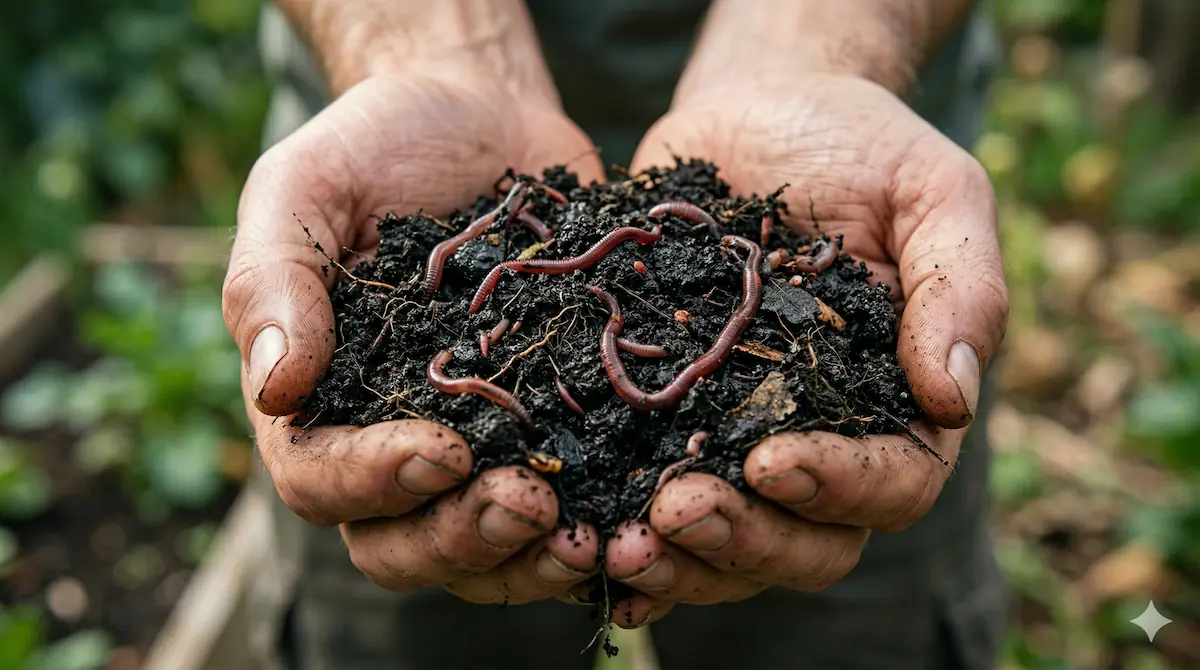
You can buy the most expensive supplements, but they won't work in "dead" earth. Let's figure out how to turn your soil into a self-sufficient system.
Imagine your garden is not just a pile of dirt, but a massive living metropolis. Billions of bacteria, fungi, and insects work every second so your plants get food. If you just "pour" mineral fertilizers into the ground, you are feeding your plants "fast food" while slowly killing this metropolis.
Why is "Living" Soil Better Than Chemical Fertilizers?
Most beginners make the mistake of trying to solve every problem with a dose of nitrogen or phosphorus. However, healthy soil works differently:
- Natural Absorption: A huge portion of nutrients in the soil is in a "locked" state. Only microorganisms can break them down and deliver them to the roots in an accessible form.
- Natural Immunity: Beneficial fungi like mycorrhiza form a symbiosis with roots. They don't just help extract water from deep down; they also create a protective barrier against pathogens.
- Improved Structure: The waste products of worms and bacteria glue soil particles into granules. Such earth becomes loose, "breathes," and doesn't turn into stone after the first rain.
How to Bring Your Earth Back to Life? Three Golden Rules
Transitioning to organic and smart farming doesn't require a lot of money, just a change in approach:
- Stop Deep Tilling: By flipping soil layers, you destroy air channels and kill beneficial inhabitants. Use a hand fork or just loosen the top layer.
- Mulch Everything: Bare soil is an open wound. A layer of straw, grass clippings, or bark protects the micro-world from overheating during the day and chilling at night.
- Return Organic Matter: Compost isn't trash; it's an "investment." Every kilogram of organic matter returned to the earth saves you money on fertilizers in the future.
AgroPlanner Tip: Different plants exhaust the soil in different ways. Some take nitrogen aggressively, while others, like legumes, put it back. Use our Virtual Garden Bed for crop rotation planning — it will help you rotate crops automatically so the soil has time to recover.
Feed the soil, not the plants. Healthy earth is a self-regulating system that will take care of making your vegetables delicious and your harvests record-breaking.
AgroPlanner App
Realize your dream garden: check plant compatibility, sun/shade needs, and save your plan easily.

Disclaimer
Important! All information in this blog is for recommendation purposes only. We are developers and enthusiasts, not certified agronomists. Results may vary based on your region, soil type, and weather. We are not responsible for potential errors or crop failures. Please verify critical advice independently!
Found this helpful? Share with friends!
Read more
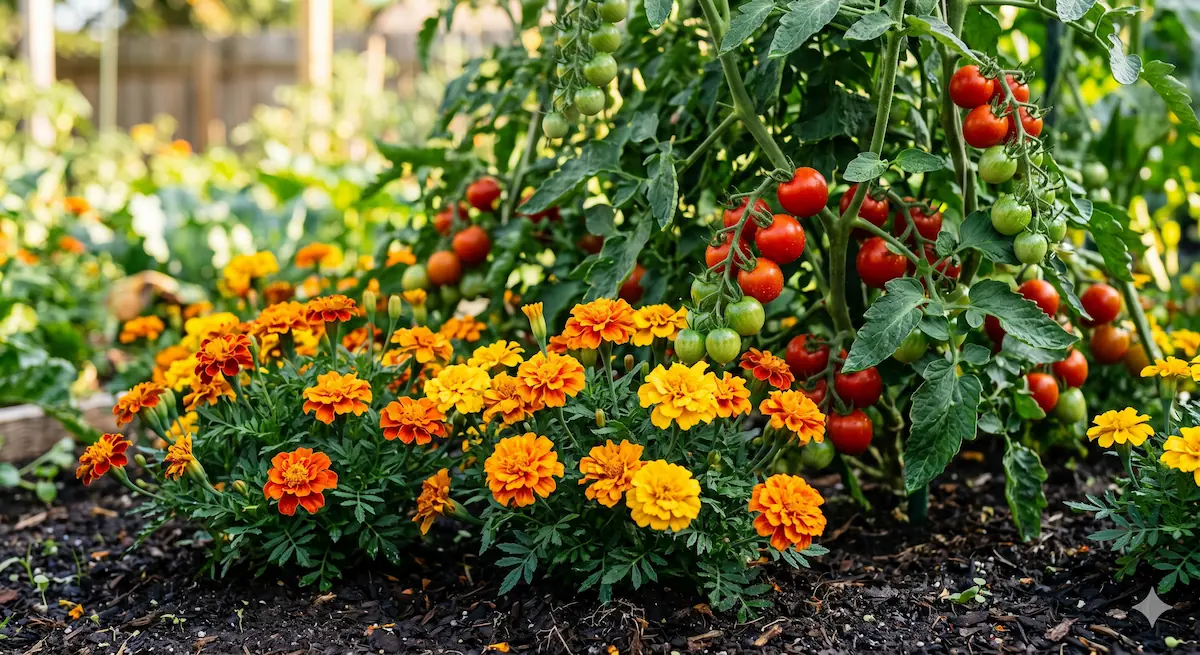
Marigolds: Growing a Living Shield for Your Vegetable Garden
Skip the pesticides! Discover how marigolds protect tomatoes and potatoes from pests, heal the soil, and why they are a must-have in your AgroPlanner layout.
Read more →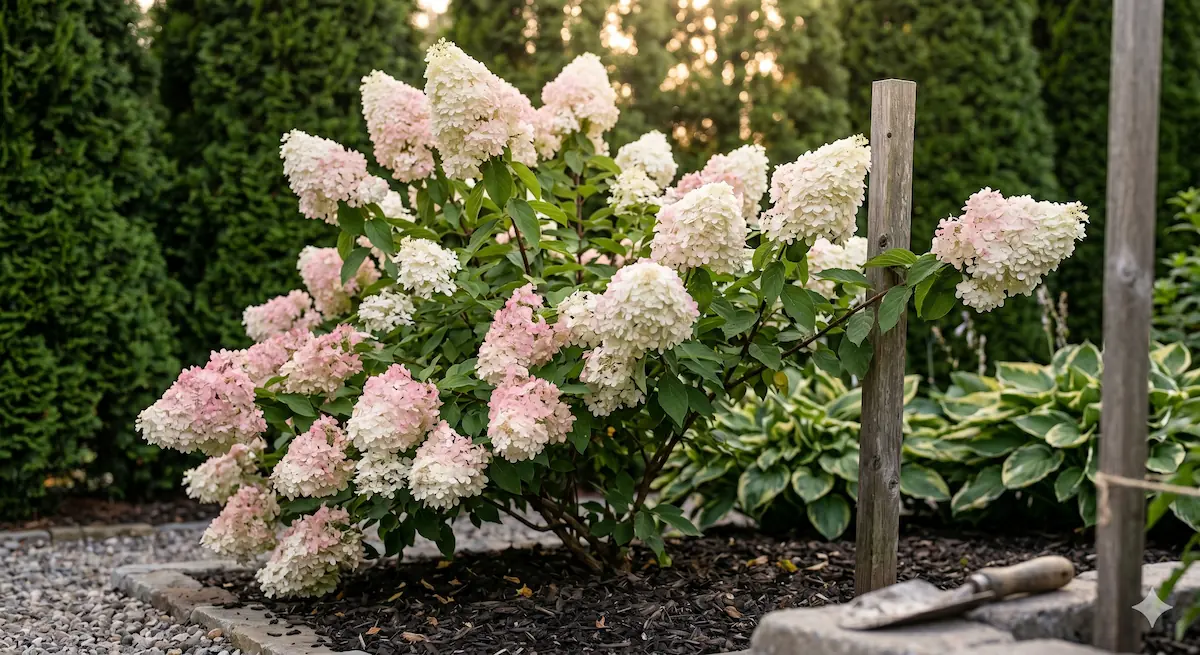
Panicle Hydrangea: Secrets to Lush Blooms and Choosing the Best Spot
Panicle hydrangea is a shrub that forgives beginners' mistakes but demands the right soil. Learn how to keep it blooming until the frost and find its perfect companions.
Read more →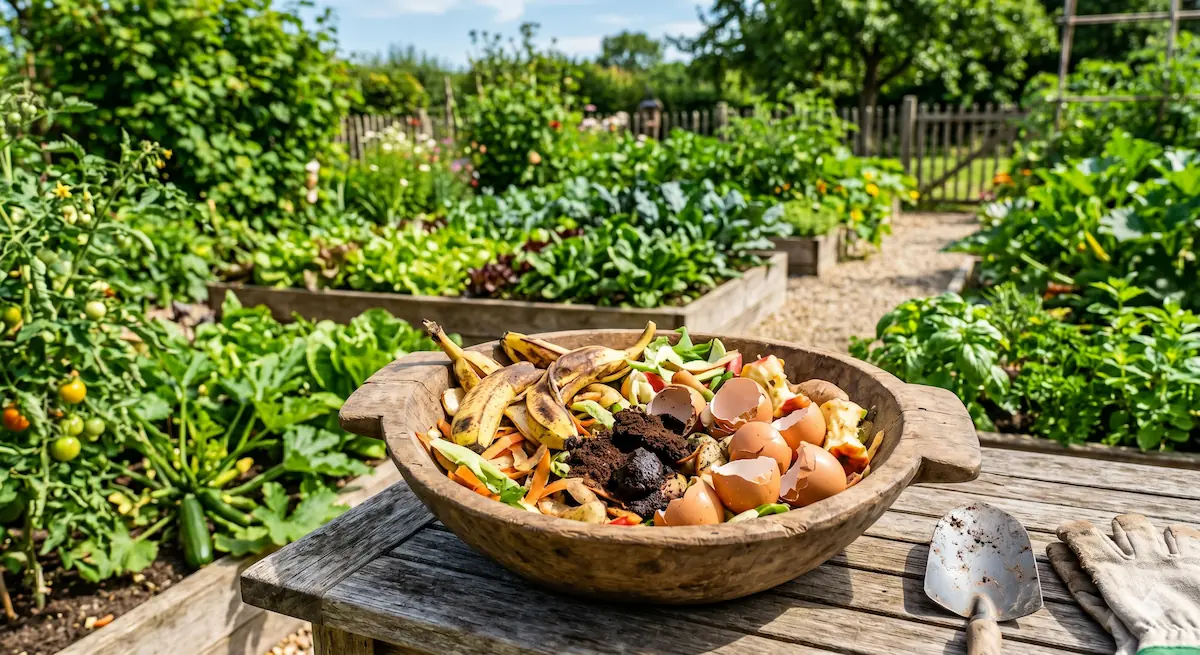
Kitchen Waste as Gold: Turning Trash into a Magnificent Harvest
Don't rush to throw away banana peels or coffee grounds! Your trash is a source of free vitamins for your garden. Learn about 8 types of kitchen waste that replace expensive fertilizers.
Read more →