
Currants in May: How to Ensure a Rich Berry Harvest
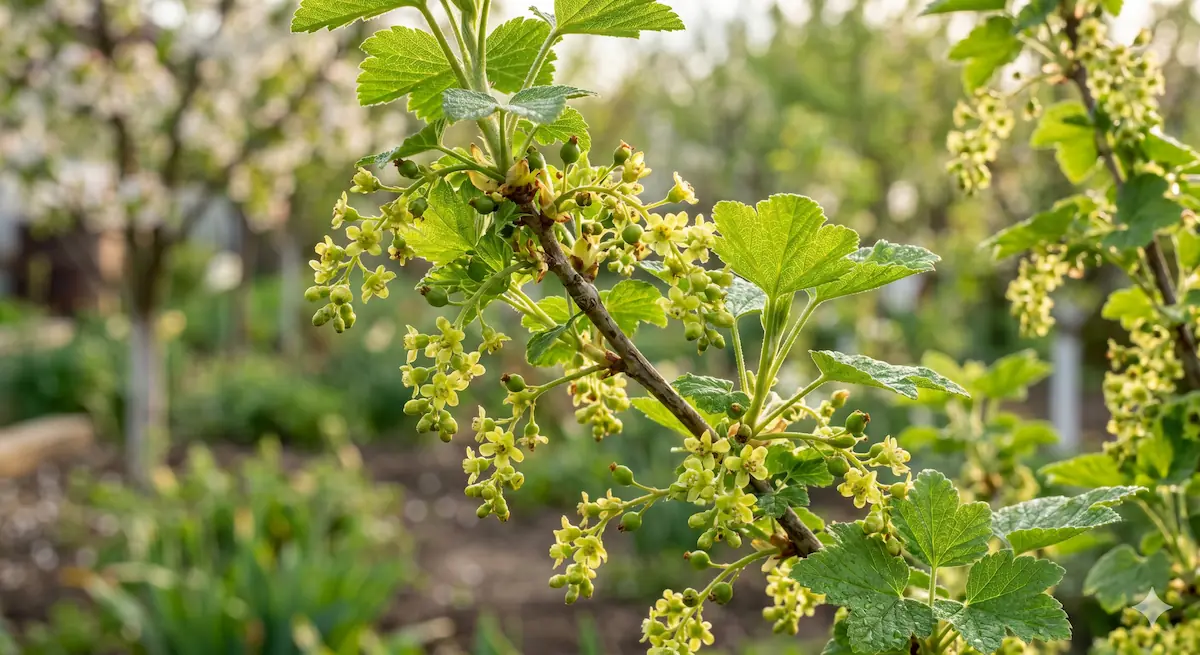
Spring care for black and red currants. AgroPlanner tips on fertilizing, pest protection, and correct watering during blooming.
May is a decisive month for currants. This is the time when the future harvest is determined: the bushes bloom and form berries. Proper care during this period will help prevent berry drop and protect the plant from pests.
Feeding and Watering During Bloom
Currants are very demanding of soil moisture, especially when berries are forming. If May is dry, the bushes must be watered.
- Root Watering: An adult bush needs 2-3 buckets of water. It’s important to pour water into the root zones without getting it on the leaves to avoid provoking fungal diseases.
- May Fertilizing: At the start of blooming, currants need phosphorus and potassium. This will help the berries grow larger and sweeter.
Pest Protection Without Chemicals
Aphids and currant mites become active in May. Since berries will appear soon, it's better to use biological protection methods, which we often mention in AgroPlanner:
- Ash Infusion: Spraying bushes with an infusion of wood ash and soap helps against aphids.
- Onion Skins: An infusion of onion skins effectively repels many pests due to its strong scent. }
Mulching — The Key to Bush Health
The currant's root system is quite close to the surface. To prevent it from overheating and losing moisture, be sure to mulch the ground around the bush with mown grass, straw, or humus. This will also eliminate the need for constant weeding.
Monitor the leaf condition: if you notice red bumps (leaf-gall aphids), immediately remove these leaves and treat the bush with organic protection products.
AgroPlanner App
Realize your dream garden: check plant compatibility, sun/shade needs, and save your plan easily.

Disclaimer
Important! All information in this blog is for recommendation purposes only. We are developers and enthusiasts, not certified agronomists. Results may vary based on your region, soil type, and weather. We are not responsible for potential errors or crop failures. Please verify critical advice independently!
Found this helpful? Share with friends!
Read more
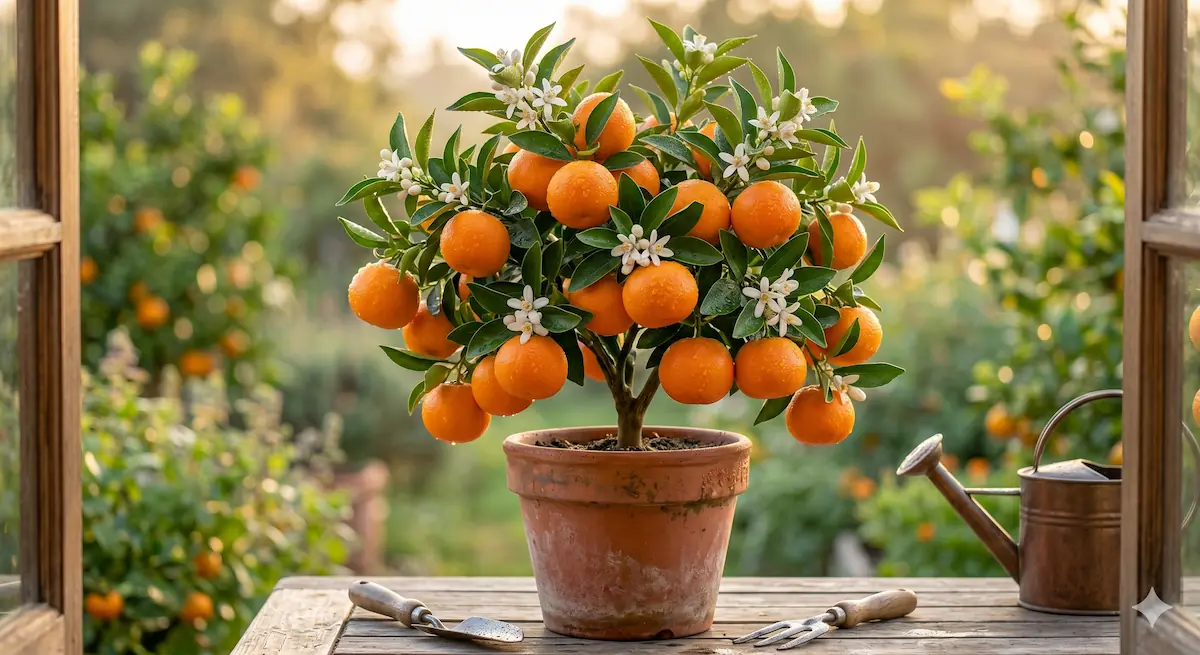
Mandarin: How to Grow a Scented Citrus Tree at Home
Mandarin is the most popular indoor citrus tree. Learn which soil ensures sweet fruit, why it loves misting, and how to choose a spot so the tree won't drop its leaves.
Read more →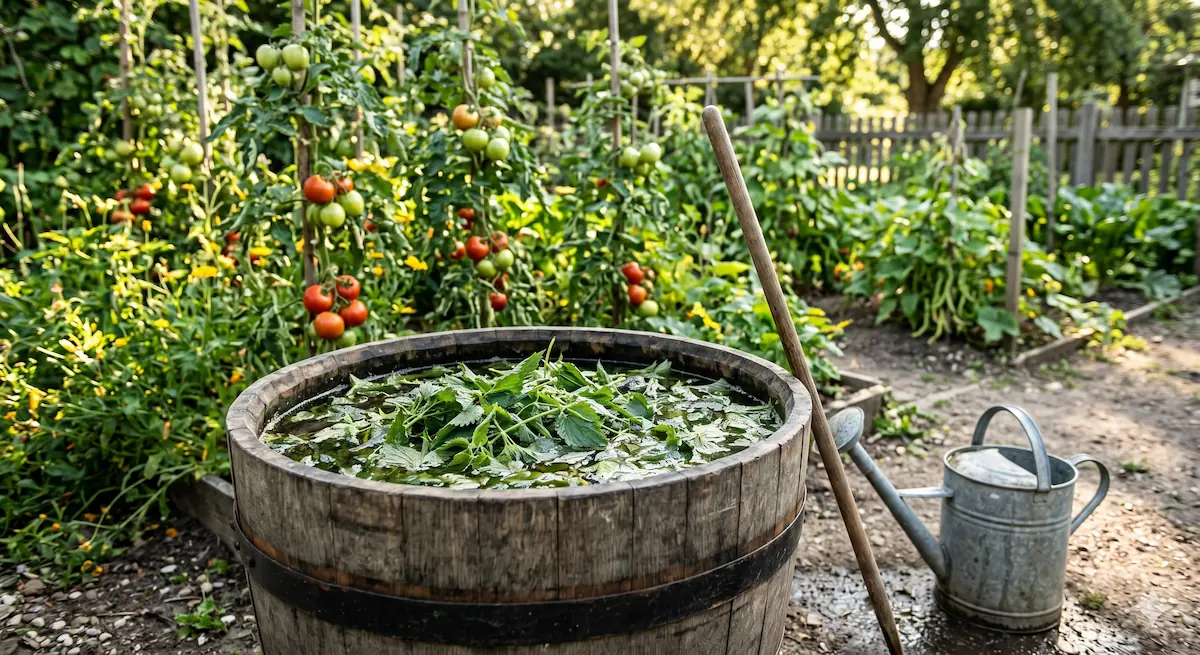
Nettle Tea for Plants: Free Organic Fertilizer Hack
Nettle isn't just a weed; it's a concentrate of nitrogen and potassium. Learn how to brew "green gold" that will make your tomatoes and cucumbers thrive without any chemicals.
Read more →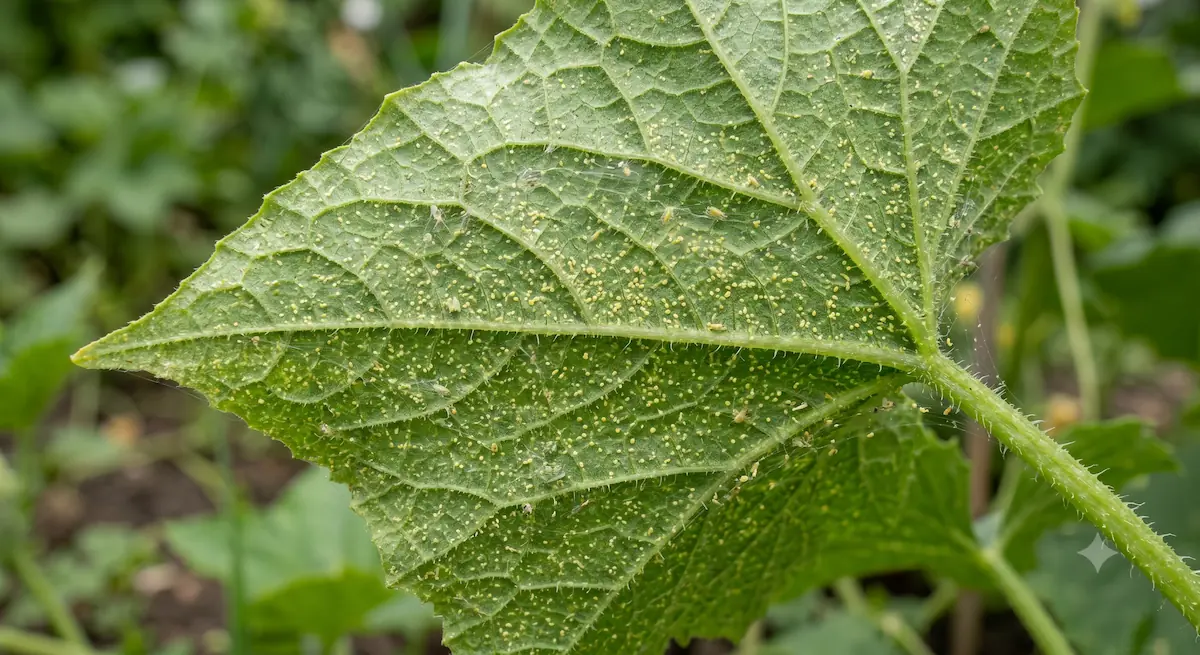
Spider Mites on Cucumbers and Peppers: How to Destroy the Pest in Summer
Dry summer heatwaves are ideal for spider mite reproduction. Learn the signs of patch infestation and the best natural and organic treatment methods.
Read more →