
Mandarin: How to Grow a Scented Citrus Tree at Home
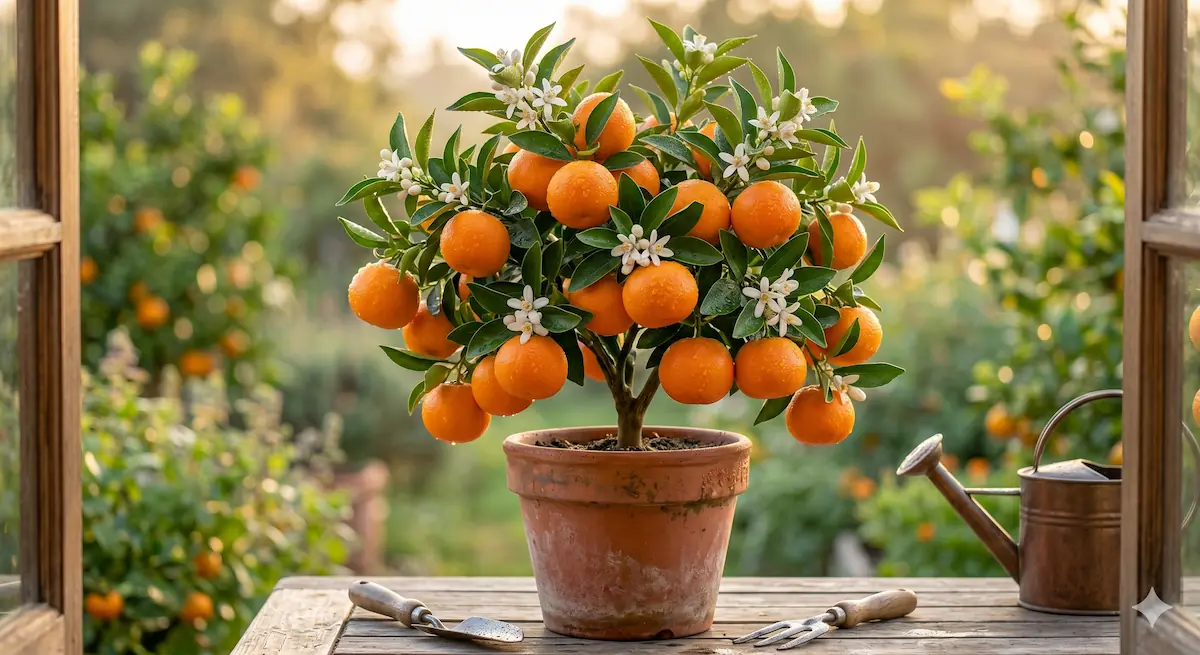
Mandarin is the most popular indoor citrus tree. Learn which soil ensures sweet fruit, why it loves misting, and how to choose a spot so the tree won't drop its leaves.
Mandarin is not just about tasty fruit; it's about the incredible fragrance of its flowers filling your home. This tree is quite compact, making it ideal for indoor growing. The mandarin's main requirements are bright, indirect light and high humidity, especially during the heating season.
Soil: Where Does a Mandarin Feel Like It's in the Mediterranean?
For citrus, it's vital that the roots can "breathe." The soil should be light, nutritious, and slightly acidic to neutral.
- Best Choice: Fertile Sandy soils (Type 2) or a special citrus substrate based on Loamy soil (Type 1).
- Soil Check: Perform the sausage test. If the soil crumbles and doesn't hold its shape (Type 2), it's perfect: water won't stagnate, preventing root rot.
Best Companions (Good)
- Dwarf Banana: Its large leaves evaporate a lot of moisture, which is very beneficial for the mandarin. Check our dwarf banana guide.
- Sugar Apple (Annona): Shares similar temperature requirements. Read about Annona to create a tropical corner.
- Lemon: A classic pairing of two citrus plants with identical fertilization schedules.
Main Enemies (Bad)
- Walnut Trees: If you take your mandarin outside for summer, keep it far away from walnuts. Juglone is toxic to all citrus.
- Drafts: A sharp flow of cold air from a window will cause the tree to drop its leaves and flowers immediately.
- Heating Units: Hot air from radiators dries out the leaves, making the mandarin vulnerable to spider mites.
AgroPlanner Tip: In our app, a mandarin usually occupies a 1x1 or 2x2 grid (depending on the pot size). The system will verify if the chosen location meets the plant's light requirements and will flag the sector in red if the tree is placed within a walnut toxic zone or is shaded by buildings or other tall trees. This allows you to precisely position your citrus where it will receive the necessary minimum of sunlight for fruiting.
AgroPlanner App
Realize your dream garden: check plant compatibility, sun/shade needs, and save your plan easily.

Disclaimer
Important! All information in this blog is for recommendation purposes only. We are developers and enthusiasts, not certified agronomists. Results may vary based on your region, soil type, and weather. We are not responsible for potential errors or crop failures. Please verify critical advice independently!
Found this helpful? Share with friends!
Read more
Spring Onion: How to Harvest Your First Spring Vitamins
Secrets to growing spring onions for greens: site selection, ideal soil, and how onions help protect neighboring vegetables from pests.
Read more →
Eggplant: How to Grow the Moody "Purple" King
Secrets to successful eggplant growing: temperature requirements, ideal soil, and who eggplants clash with in the garden. Tips for a bountiful harvest.
Read more →
Cucumber Companions: Double Your Yield with Proper Planning
Cucumbers love company, but not just any. Find out who helps cucumbers climb up and who "steals" all the water in the garden bed.
Read more →