
Growing Turnips: Secrets to Early Harvest and Juicy Flavor
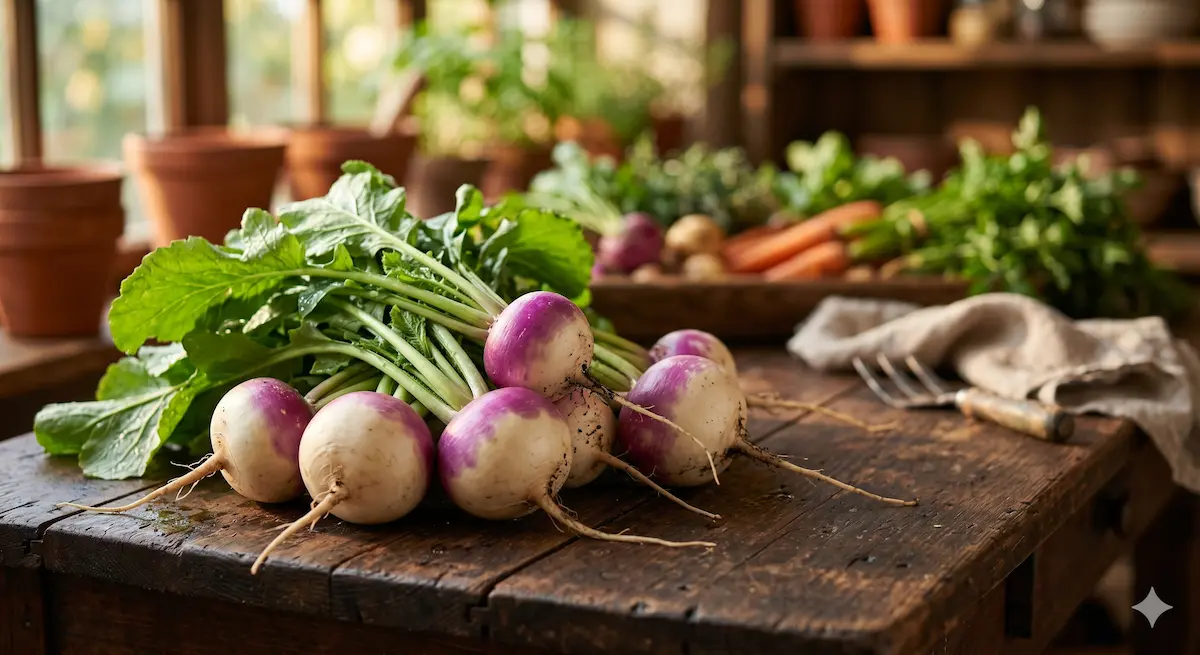
How to grow tender turnips without bitterness. April planting times, watering rules, and protection against flea beetles. An AgroPlanner guide for a rich harvest.
The turnip is an undeservedly forgotten superfood of our ancestors. It grows incredibly fast (only 40-60 days) and is an excellent source of vitamins in spring. However, without knowing a few secrets, you might end up with a tough and bitter "root" instead of a juicy vegetable.
When to Plant and How to Water
Turnips love the cool. If you plant them too late, they will bolt, and the fruit will become woody. April is the perfect time for the first sowing.
- Moisture is Flavor: Bitterness in turnips appears due to a lack of water. If the soil dries out, the fruit starts producing protective substances that ruin the taste. The soil should be consistently slightly moist.
- Loosening: Turnips love to "birth." After each watering, gently loosen the earth around them to prevent a crust from forming.
The Main Enemy: Flea Beetles
Small black jumping beetles can destroy turnip sprouts in one day, turning the leaves into a sieve. AgroPlanner suggests eco-friendly protection methods:
- Ash Dusting: As soon as sprouts appear, sprinkle them with wood ash or tobacco dust. Flea beetles don't like "dirty" leaves.
- Covering: Cover the bed with thin white agro-fabric. This physically prevents the pest from reaching the plants.
Harvesting and Storage
Don't keep turnips in the ground for too long! The most delicious and tender turnips are 5-7 cm in diameter. If they overgrow, hollows may form inside, and the taste will become too sharp.
Turnips store well in the refrigerator or cellar if you trim the tops first, leaving a 1-2 cm tail.
AgroPlanner App
Realize your dream garden: check plant compatibility, sun/shade needs, and save your plan easily.

Disclaimer
Important! All information in this blog is for recommendation purposes only. We are developers and enthusiasts, not certified agronomists. Results may vary based on your region, soil type, and weather. We are not responsible for potential errors or crop failures. Please verify critical advice independently!
Found this helpful? Share with friends!
Read more
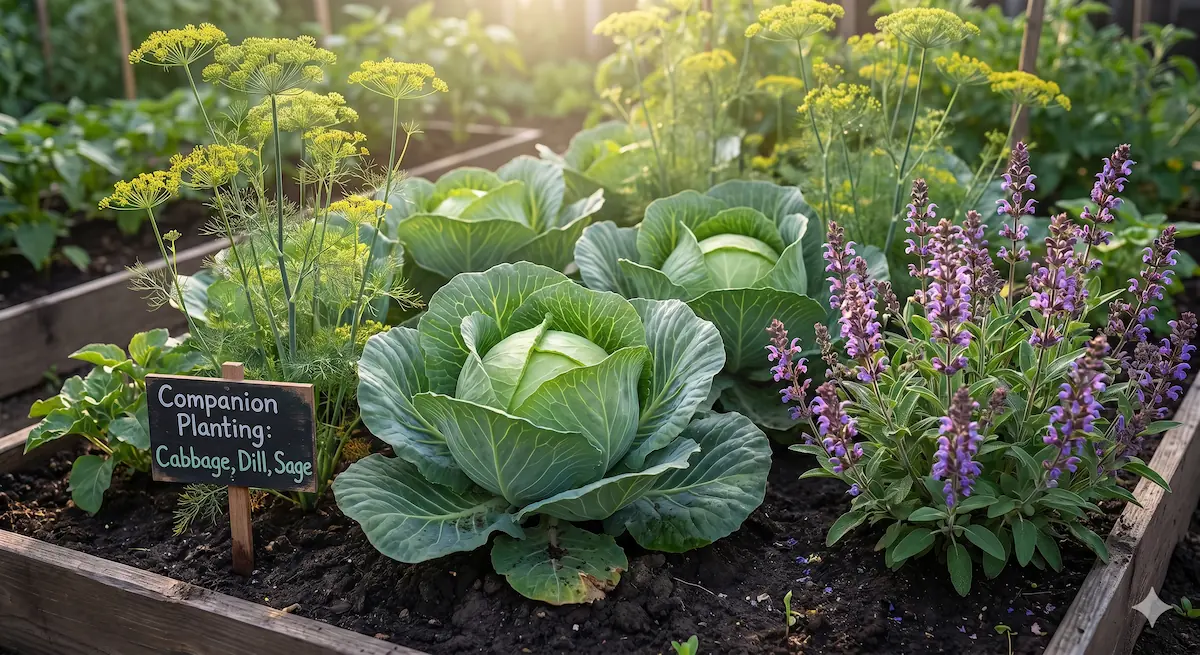
Cabbage Companion Planting: Natural Pest Protection
Cabbage often suffers from insect invasions. Learn which neighbors help repel whiteflies and caterpillars, and who competes with cabbage for nutrients.
Read more →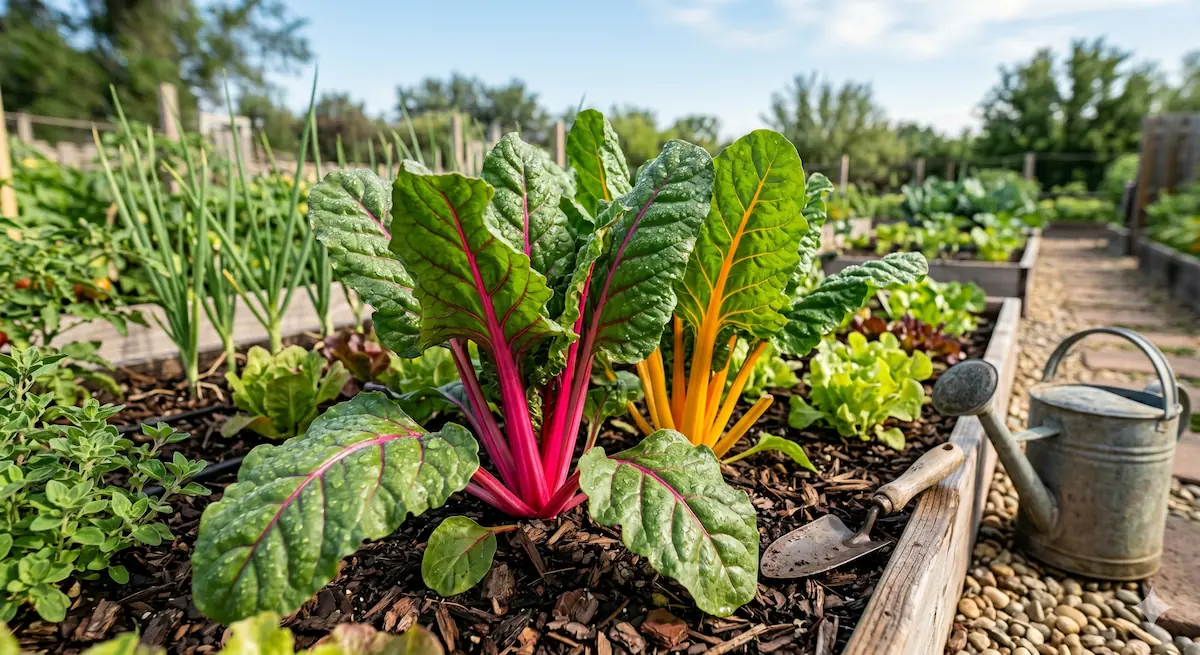
Rainbow Chard: The Most Vibrant Vitamin Bouquet in Your Garden
Rainbow chard is a superfood that doubles as a garden ornament. Learn how to get succulent colorful stalks, why it withstands early frosts, and what to plant nearby for a stunning garden bed.
Read more →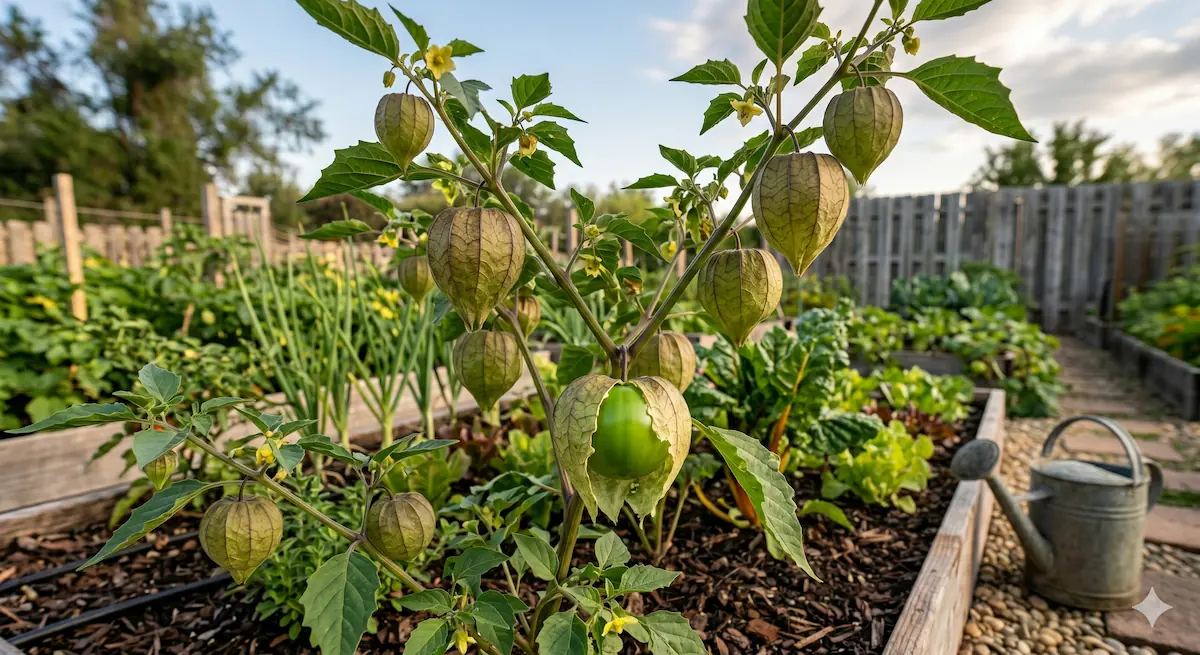
Tomatillo (Vegetable Physalis): Exotic "Lanterns" in Your Garden
Tomatillo is a resilient tomato relative that fruits inside paper husks. Learn why it’s more productive than tomatoes, what soil it needs, and how to tell when it's ripe.
Read more →