
Rainbow Chard: The Most Vibrant Vitamin Bouquet in Your Garden
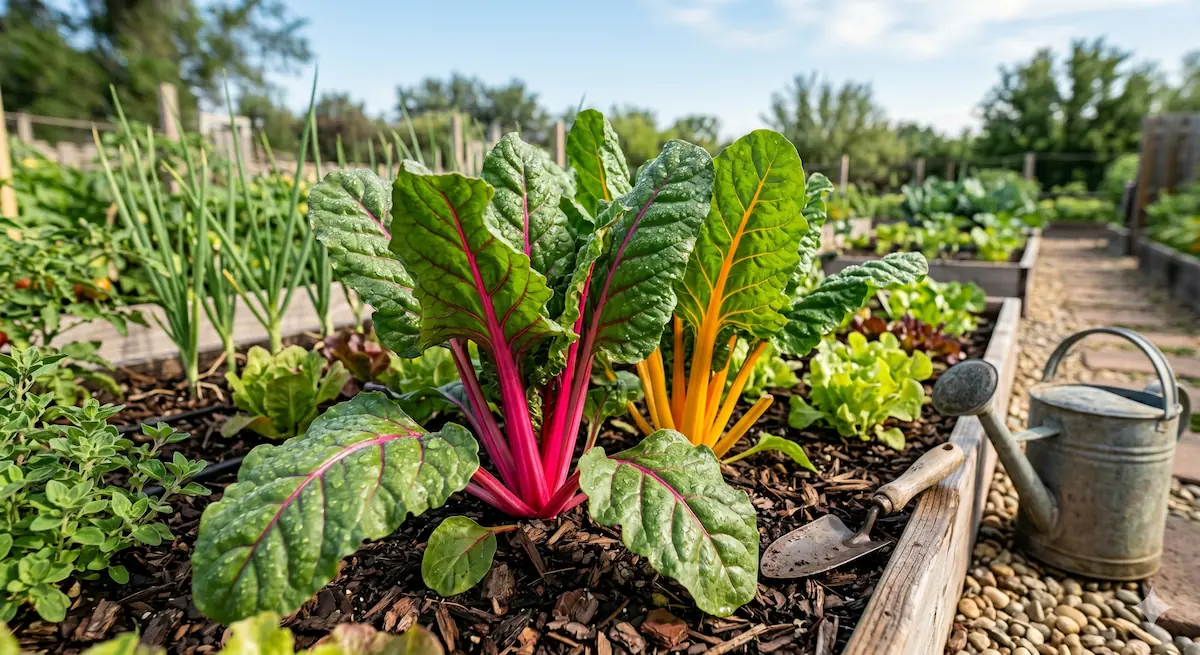
Rainbow chard is a superfood that doubles as a garden ornament. Learn how to get succulent colorful stalks, why it withstands early frosts, and what to plant nearby for a stunning garden bed.
Rainbow Chard (Beta vulgaris) is a hit for those who value both flavor and aesthetics. Its young leaves are perfect for salads and wraps, while the vibrant stalks taste similar to asparagus. It is an incredibly hardy crop that provides color from early spring until late autumn.
Soil: Where Does Chard Show Its Best Colors?
Chard needs light, nutrient-rich soil. If the earth is too heavy or poor, the stalks will become fibrous and tough.
- Best Choice: Fertile Loamy soils (Type 1) with high organic matter content.
- Soil Check: Perform the sausage test. If the soil rolls into a flexible stick (Type 1), it's ideal for the rapid growth of succulent leaves.
Best Companions (Good)
- Cabbage: It looks fantastic next to our purple cauliflower, creating an incredible visual contrast.
- Onions and Garlic: Protect chard from aphids that sometimes target its juicy leaves.
- Mint: Its scent repels pests. Check out our guide on chocolate mint to add more style to your patch.
Main Enemies (Bad)
- Beets: As relatives, they share diseases and pests. It's better to plant them in different parts of the garden.
- Spinach: Competes for the same nutrients and attracts similar harmful insects.
- Walnut Trees: The toxic juglone zone inhibits chard growth, resulting in small and sickly leaves.
AgroPlanner Tip: Rainbow chard grows quite fast, reaching heights of 40-50 cm. In our app, it occupies a 1x1 grid. The system will alert you if you plant it too close to regular beets. Remember: the more sun it gets, the more vibrant the stalk colors will be!
AgroPlanner App
Realize your dream garden: check plant compatibility, sun/shade needs, and save your plan easily.

Disclaimer
Important! All information in this blog is for recommendation purposes only. We are developers and enthusiasts, not certified agronomists. Results may vary based on your region, soil type, and weather. We are not responsible for potential errors or crop failures. Please verify critical advice independently!
Found this helpful? Share with friends!
Read more
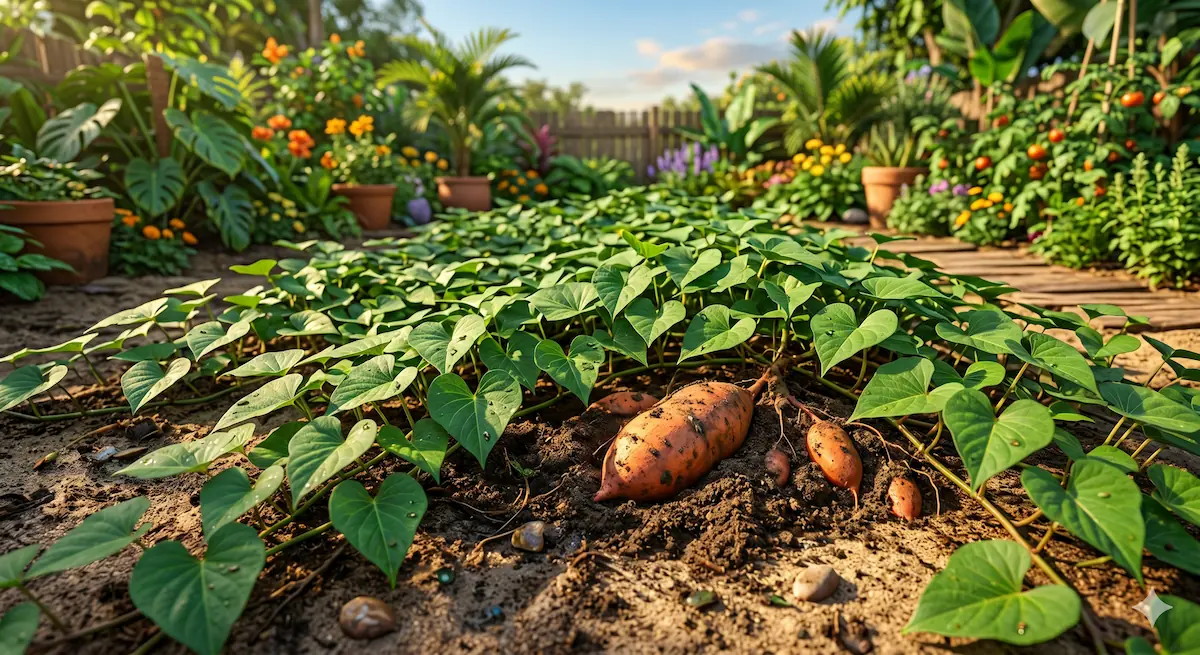
Sweet Potato: Not a Potato, but an Exotic Treat for Your Garden
Sweet potatoes are taking over gardens. Discover why the Colorado potato beetle ignores them and how to grow this tropical vine in a temperate climate.
Read more →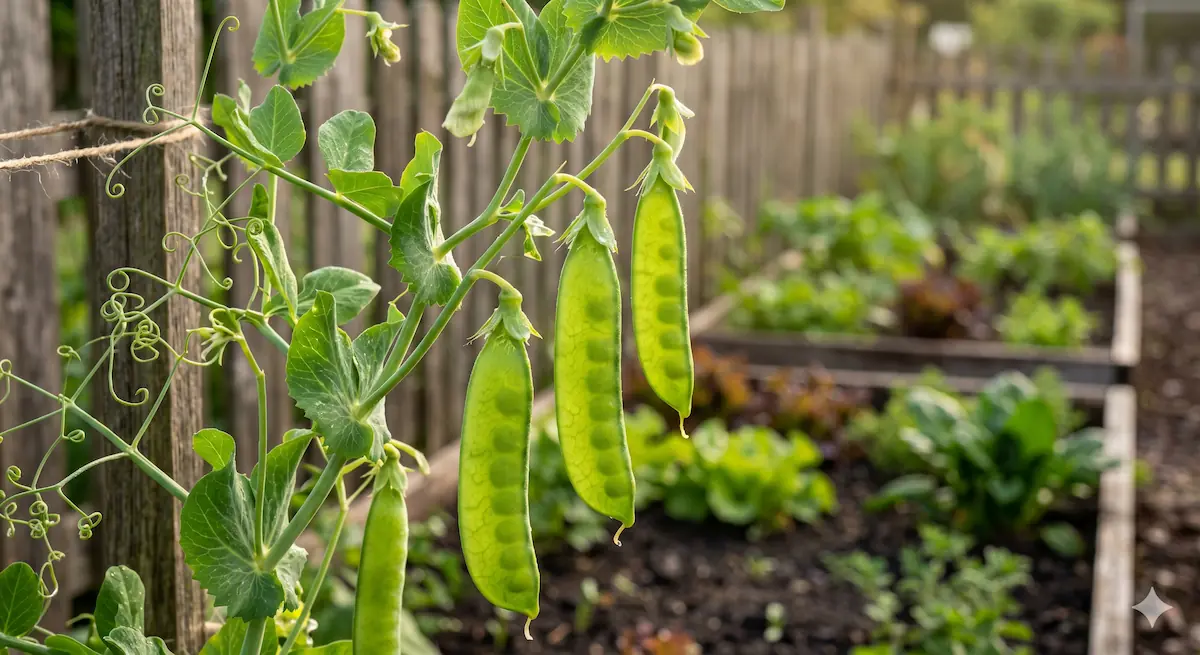
Peas: How to Grow a Sweet Harvest and Enrich Your Soil
Secrets to growing peas: from soil selection to strategic companion planning. Learn how peas act as a natural fertilizer for your garden.
Read more →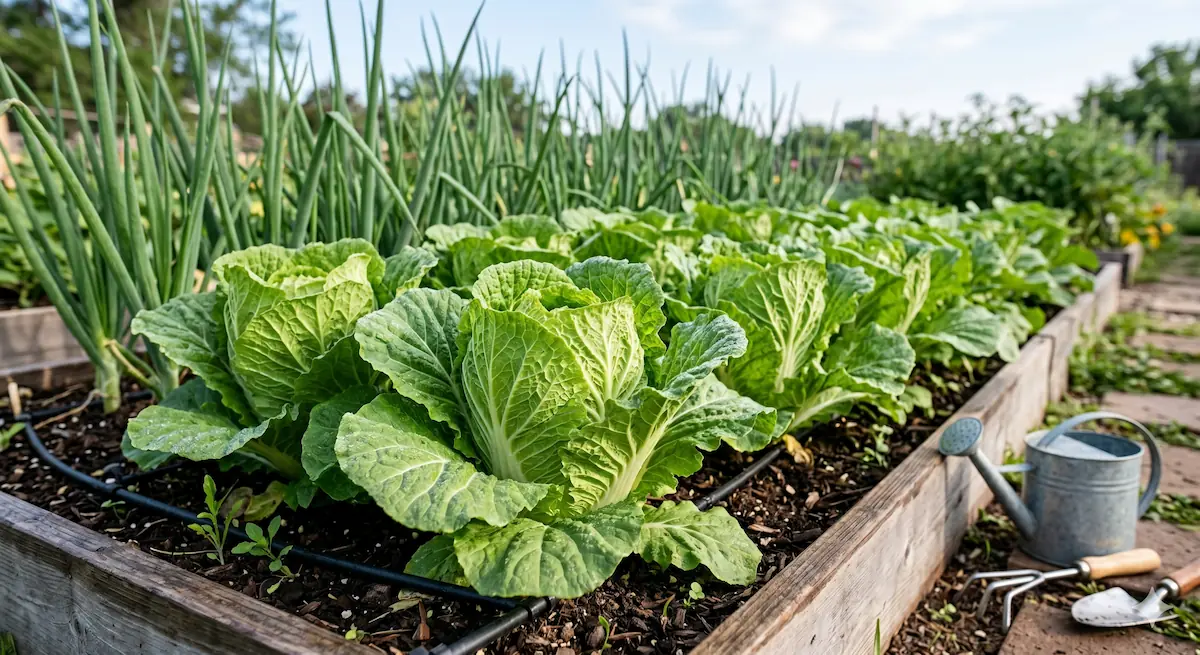
Beijing Cabbage: Secrets to Juicy Heads and Proper Companionship
Peking cabbage is a delicate crop that loves cool weather and correct soil. Learn how to avoid bolting and protect your harvest from pests.
Read more →