
Leggy Seedlings: Why Plants Grow Thin and How to Save Them
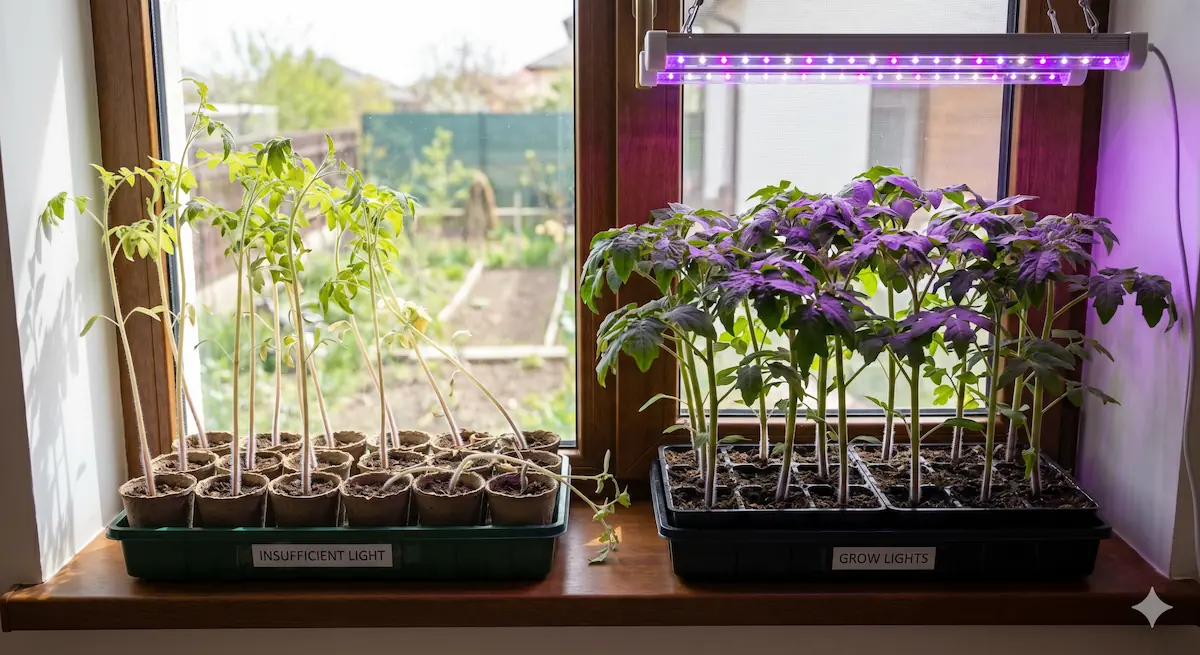
Is your seedlings growing too tall and weak? We explore 3 main reasons for "legginess" and provide actionable tips to make stems strong and roots powerful.
Every gardener has faced a situation where instead of sturdy little bushes, their windowsill is full of thin, pale "strings" that collapse under their own weight. This is called leggy growth, and without intervention, you'll end up with weak plants that might not survive transplanting.
Why Does This Happen?
It’s always about the balance between light and temperature:
- Low Light: The plant literally "runs" upward, trying to reach for the sun.
- Too Much Heat: High room temperatures cause cells to divide too rapidly, but without enough light, they remain loose and weak.
- Overcrowding: If you sowed seeds too densely, the sprouts begin competing for every ray of light.
3 Steps to Save Your Seedlings
- Lower the Temperature: Move seedlings to a cooler spot. This slows down top growth and encourages root development.
- Increase Light: If your window faces north, a grow light is a must. Young plants need 12-14 hours of light.
- Proper Transplanting: If plants are already leggy, bury them up to the first set of leaves (cotyledons) when moving them to larger pots. This stimulates extra root growth along the stem.
AgroPlanner Tip: In our app, we provide ideal planting timelines. Don't rush to sow seeds too early (January or February) unless you have professional lighting. It’s better to plant later and have strong seedlings that will quickly outgrow "stretched" plants once in the garden.
AgroPlanner App
Realize your dream garden: check plant compatibility, sun/shade needs, and save your plan easily.

Disclaimer
Important! All information in this blog is for recommendation purposes only. We are developers and enthusiasts, not certified agronomists. Results may vary based on your region, soil type, and weather. We are not responsible for potential errors or crop failures. Please verify critical advice independently!
Found this helpful? Share with friends!
Read more
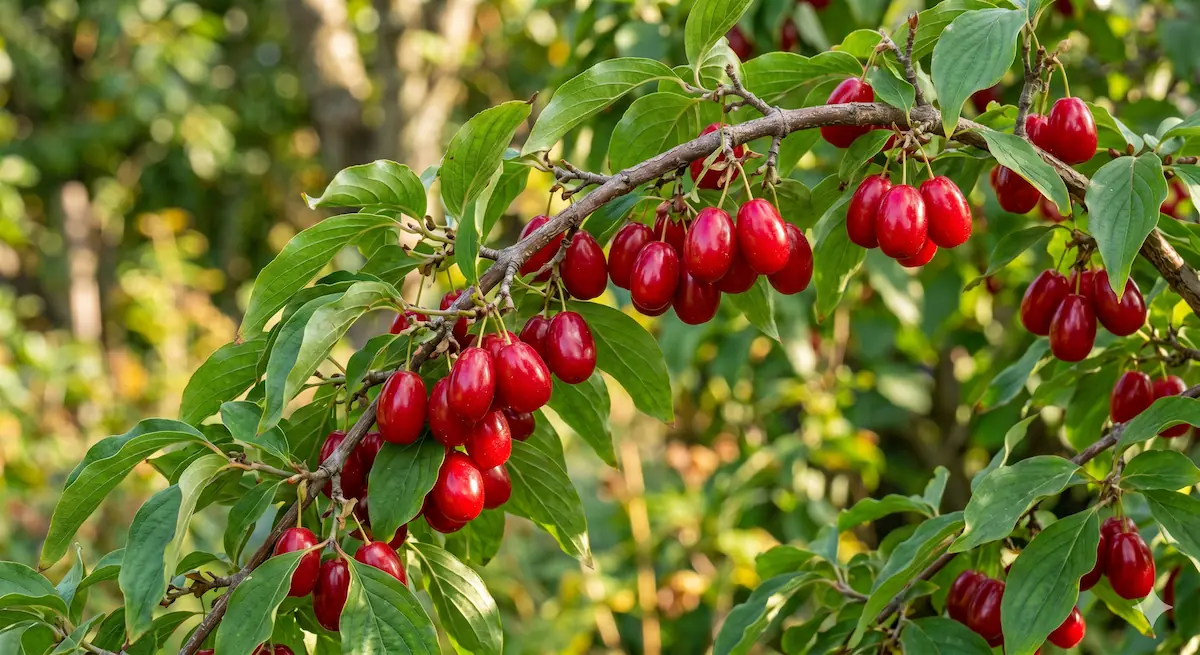
Cornelian Cherry: A Long-Lived Tree with Healing Fruits
Cornelian cherry is a symbol of resilience. Learn why it blooms first but ripens last, what soil makes the berries large, and why this tree belongs in every "lazy" garden.
Read more →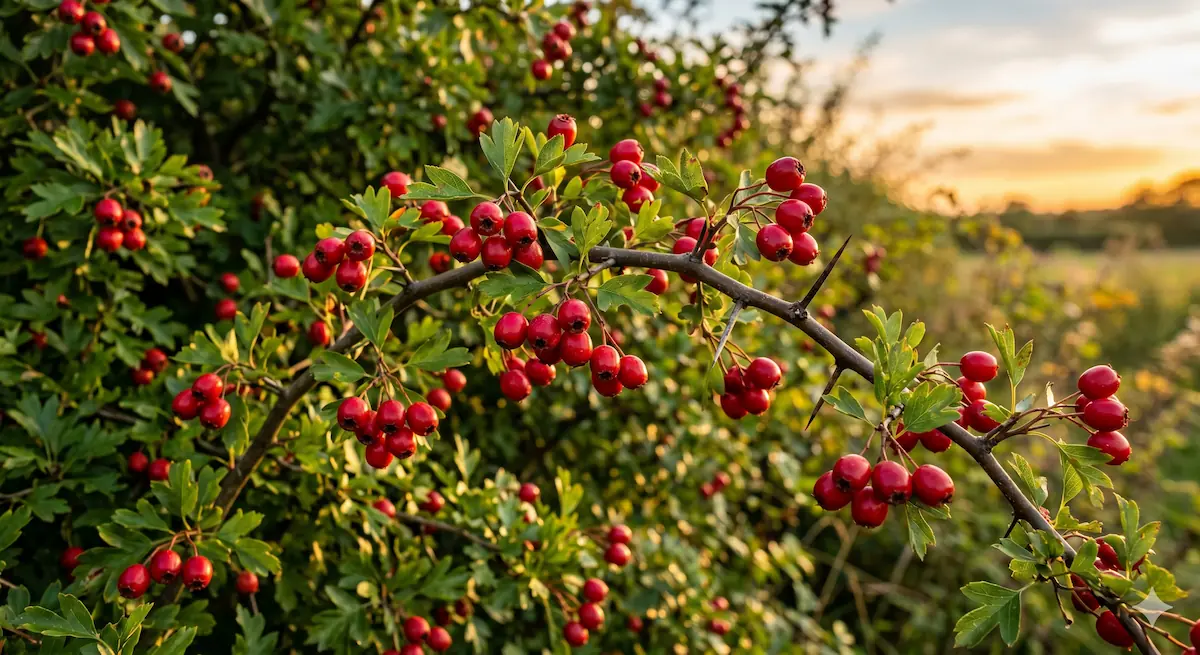
Hawthorn: A Thorny Pharmacy in Your Garden
Hawthorn combines resilience with health benefits. Learn how to create an impenetrable fence, why it fears no drought, and how to harvest berries for heart health.
Read more →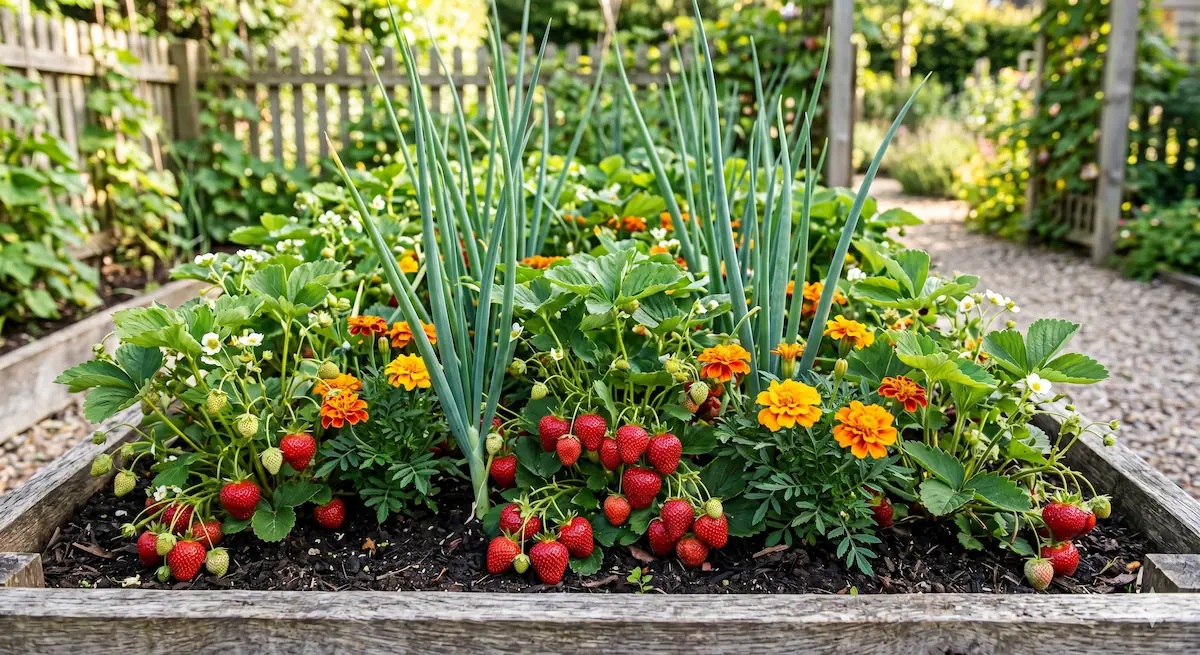
Strawberry Companion Planting: The Ultimate Guide for a Bumper Harvest
The right neighbors can double your strawberry harvest and protect it from pests without chemicals. We've compiled the most comprehensive list of plant friends and foes for your berry patch.
Read more →