
Cornelian Cherry: A Long-Lived Tree with Healing Fruits
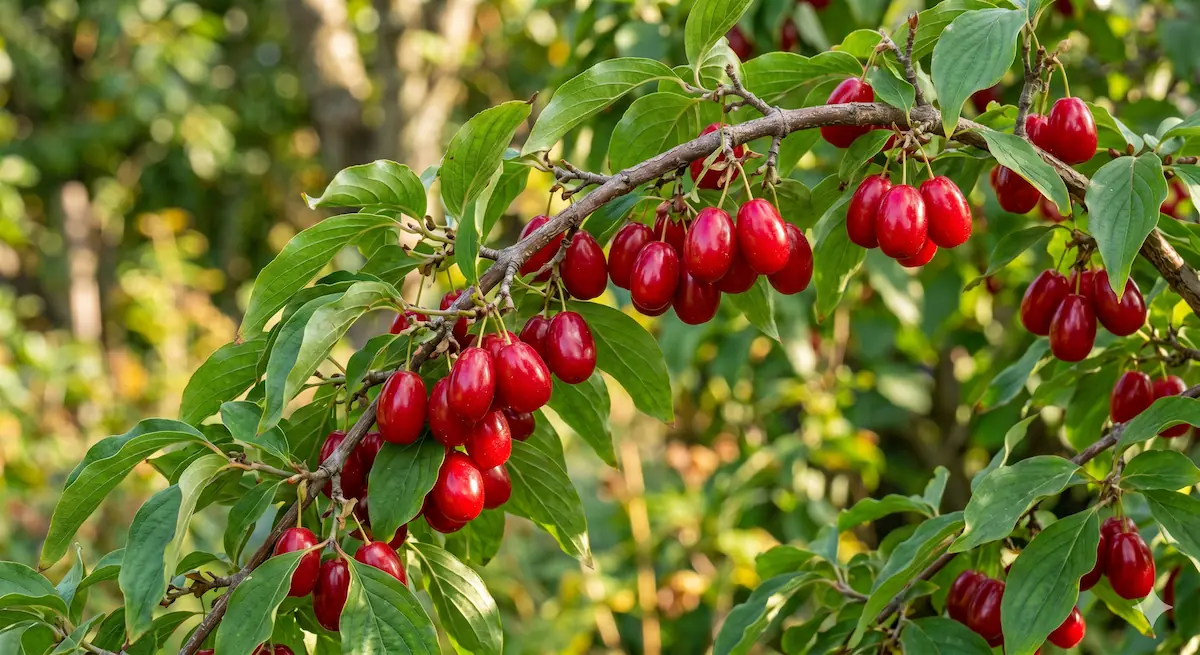
Cornelian cherry is a symbol of resilience. Learn why it blooms first but ripens last, what soil makes the berries large, and why this tree belongs in every "lazy" garden.
The Cornelian Cherry (Cornus mas) is a true aristocrat of the garden. This tree or large shrub can live and fruit for up to 250 years! It wakes up incredibly early — golden flowers appear as early as March, even when there's still snow on the ground. It is prized for the high concentration of vitamin C in its fruit and its ability to thrive where other fruit trees struggle.
Soil: Where Does the Cornelian Cherry Gain Its Strength?
Cornelian cherry is one of the few crops that loves lime. It cannot tolerate highly acidic or waterlogged areas.
- Best Choice: Fertile Loamy soils (Type 1) with a neutral to slightly alkaline pH.
- Soil Check: Perform the sausage test. If the soil rolls into a flexible stick (Type 1), it's ideal: the ground will retain the moisture needed for the slow-growing cherry to develop steadily.
Best Companions (Good)
- Medlar: Shares similar growth rates and light requirements. Check our medlar guide.
- Hazelnut: Together they create an excellent protective belt for the garden.
- Hawthorn: Share a common "wild" resilience and coexist well.
Main Enemies (Bad)
- Walnut Trees: Traditional danger. Walnut juglone suppresses the Cornelian cherry, slowing its already leisurely growth.
- Deep Shade: In the shade, it will grow, but you'll hardly see its legendary golden blooms or harvest.
- Acidic Clay: In such soil, the plant often suffers and may refuse to fruit entirely.
AgroPlanner Tip: Cornelian cherries need a partner for better pollination, so try to plant at least two different varieties. In our app, it occupies a 3x3 grid. The system will help you find a sunny spot with the correct pH and will definitely flag the walnut toxic zone in red.
AgroPlanner App
Realize your dream garden: check plant compatibility, sun/shade needs, and save your plan easily.

Disclaimer
Important! All information in this blog is for recommendation purposes only. We are developers and enthusiasts, not certified agronomists. Results may vary based on your region, soil type, and weather. We are not responsible for potential errors or crop failures. Please verify critical advice independently!
Found this helpful? Share with friends!
Read more
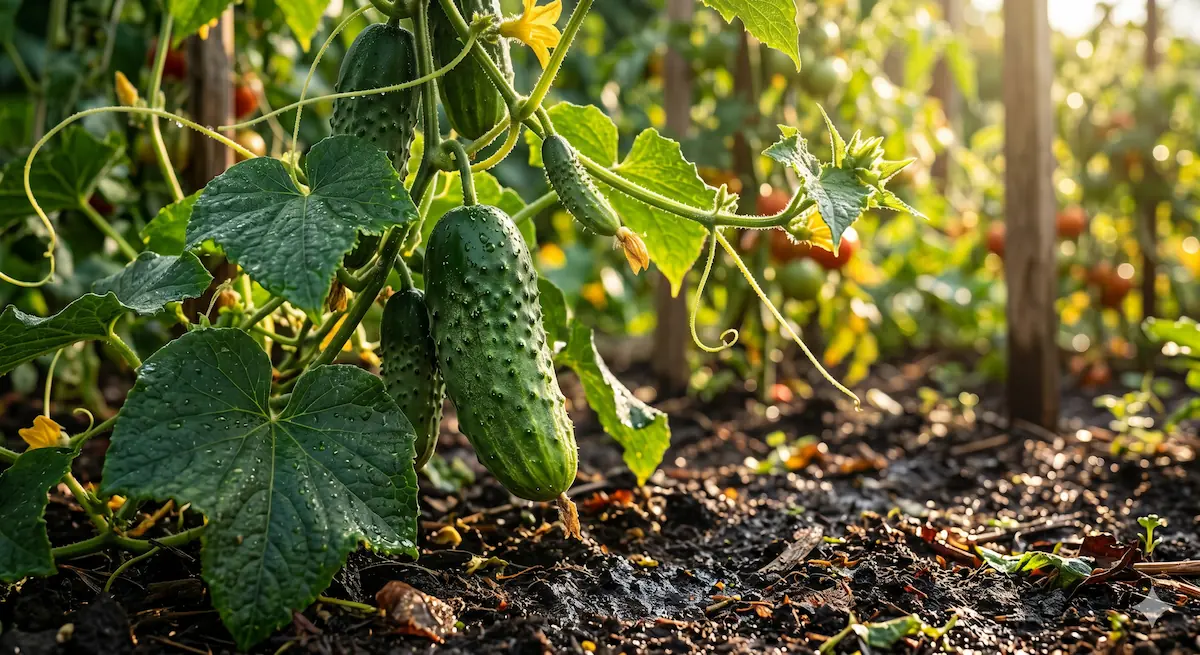
Bitter-free cucumbers: how to grow and water your harvest correctly
Tips for growing cucumbers without bitterness. Learn about proper watering, temperature control, and plant companion secrets for a crunchy harvest.
Read more →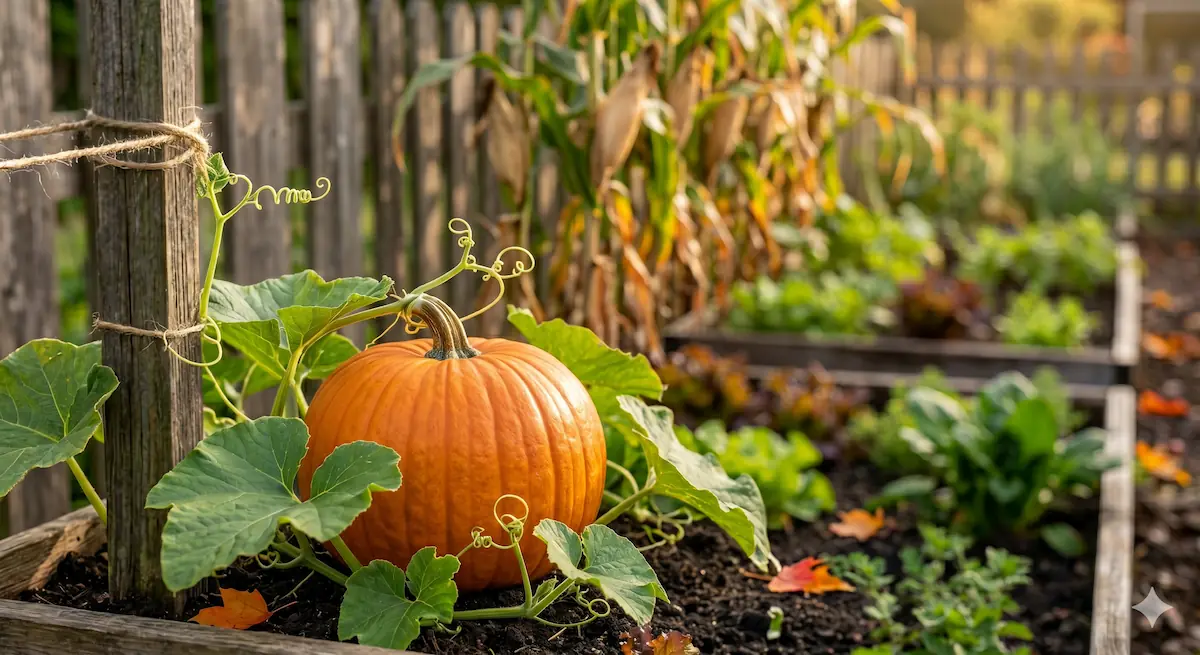
Pumpkin: How to Grow a Garden Giant on Your Plot
Secrets to growing pumpkins: from choosing a sunny spot to ideal neighbors. Learn why pumpkins need a lot of space and how they react to toxic zones.
Read more →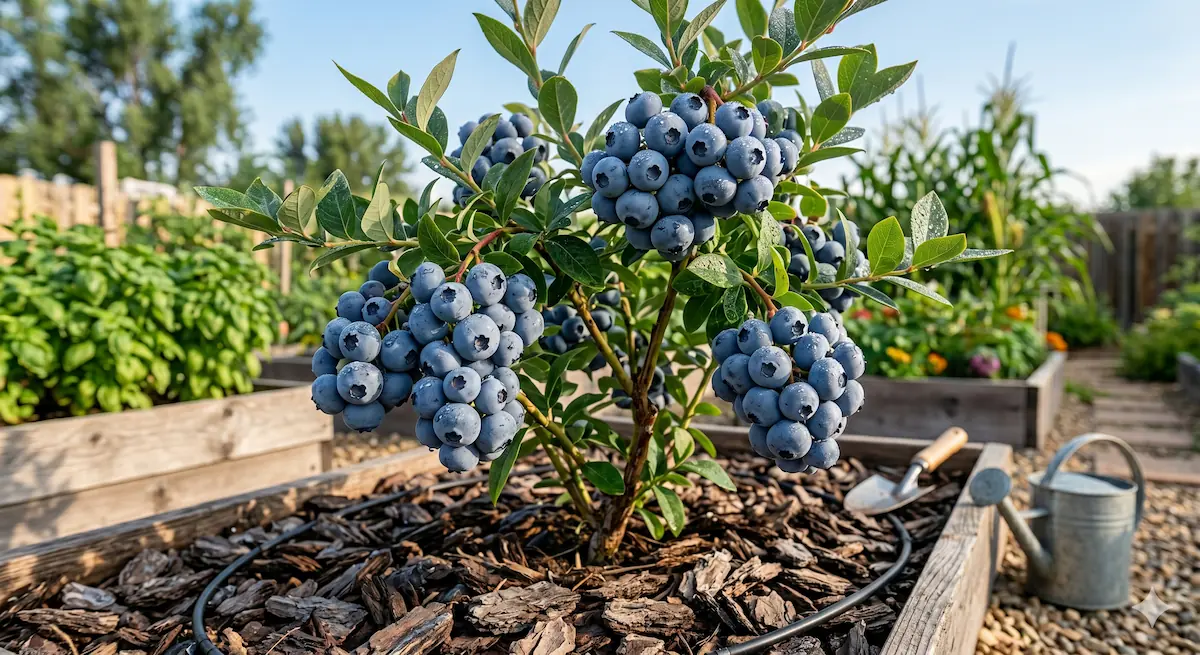
"Duke" Blueberry: Early Harvest and Acidic Soil Secrets
The "Duke" variety is the standard for early blueberries. Learn why regular garden soil is lethal for it and what to plant nearby for the sweetest berries.
Read more →