
The Underground War: How to Drive Moles and Mice Out of Your Garden Naturally
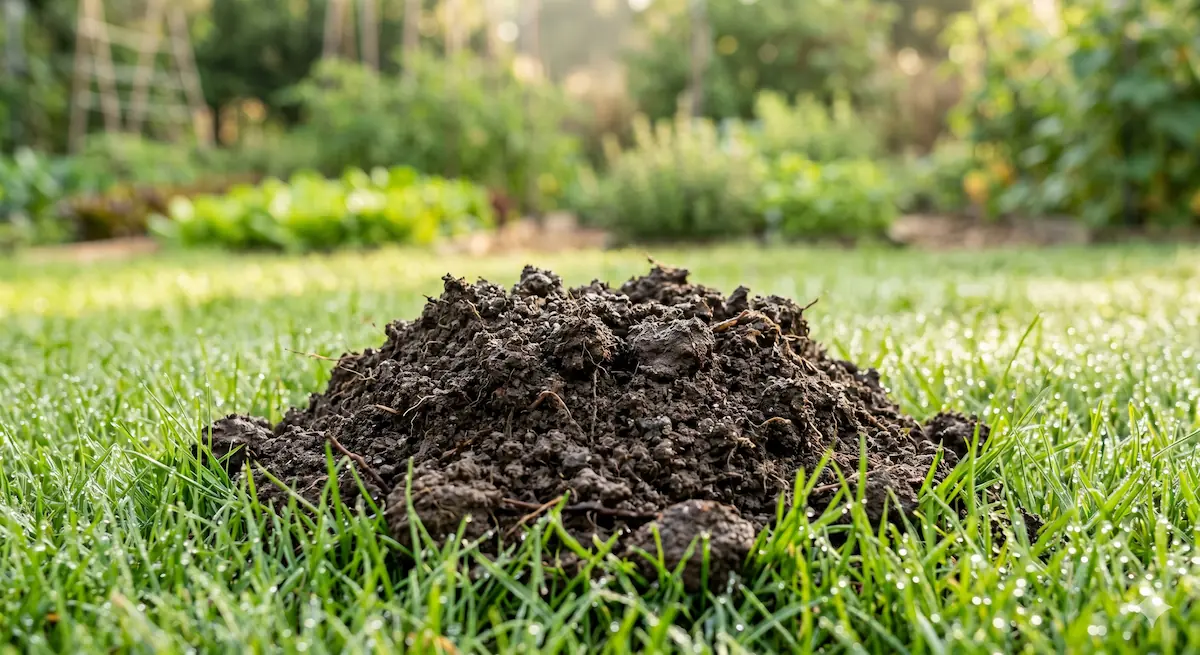
Effective and humane ways to control rodents in your garden. Protect your plant roots and harvest from moles and voles without harming the local ecology.
You’ve put so much effort into planning your ideal garden plot, only to wake up and see fresh dirt mounds in the middle of your beds? Or worse, noticed gnawed seedlings? Moles and mice are a real headache for any gardener, but you can fight back effectively without turning your plot into a chemical testing ground.
Moles: Masters of the Underground
First, understand this: moles don't eat your vegetables. They are predators hunting for pest larvae and worms. However, their tunnels damage root systems, and their mounds ruin the look of your garden.
- Vibration Barriers: Moles have incredibly sensitive hearing. DIY "windmills" made from plastic bottles on metal rods or ultrasonic repellers create uncomfortable vibrations that force them to find a quieter home.
- Natural Repellents: Moles are sensitive to strong scents. Rags soaked in castor oil or tar, or even placing pungent organic materials in their tunnels, can force them to change their route.
Field Mice: Silent Destroyers
Unlike moles, mice are a direct threat to your harvest. They love gnawing on roots, succulent flower bulbs, and the bark of young trees.
- Plant Protection: Mice can't stand the smell of elderberry, mint, or wormwood. Plant these around your garden perimeter or place dried bundles where rodents are likely to appear.
- Wood Ash: Scattering ash between rows not only feeds the soil but also irritates rodents' paws, making them avoid your garden beds altogether.
Planning Safety with AgroPlanner
Rodents often hide under debris piles or thick layers of dry mulch. Use our canvas to plan your garden so that vulnerable crops (like flower bulbs or young seedlings) have a clear surrounding space or a protective barrier of repellent plants mentioned in our "Savior Flowers" article.
AgroPlanner App
Realize your dream garden: check plant compatibility, sun/shade needs, and save your plan easily.

Disclaimer
Important! All information in this blog is for recommendation purposes only. We are developers and enthusiasts, not certified agronomists. Results may vary based on your region, soil type, and weather. We are not responsible for potential errors or crop failures. Please verify critical advice independently!
Found this helpful? Share with friends!
Read more
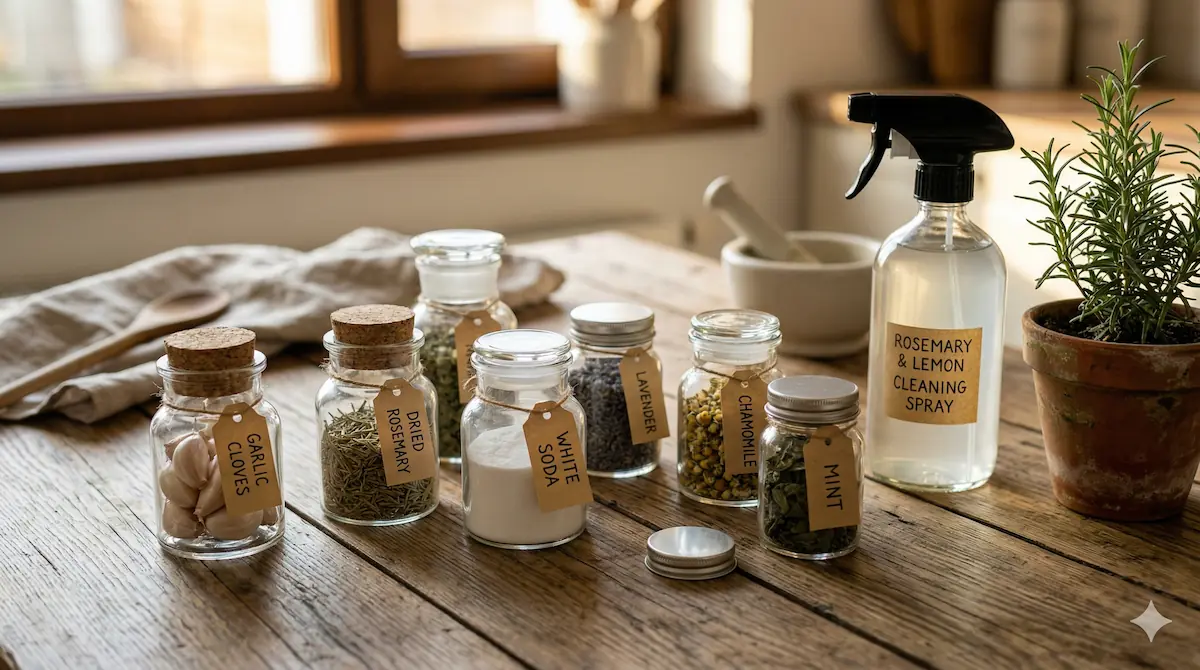
Gardener's Natural First Aid Kit: 5 Remedies to Replace Harsh Chemicals
How to treat plants if you're against pesticides? Discover proven folk and biological methods for disease control.
Read more →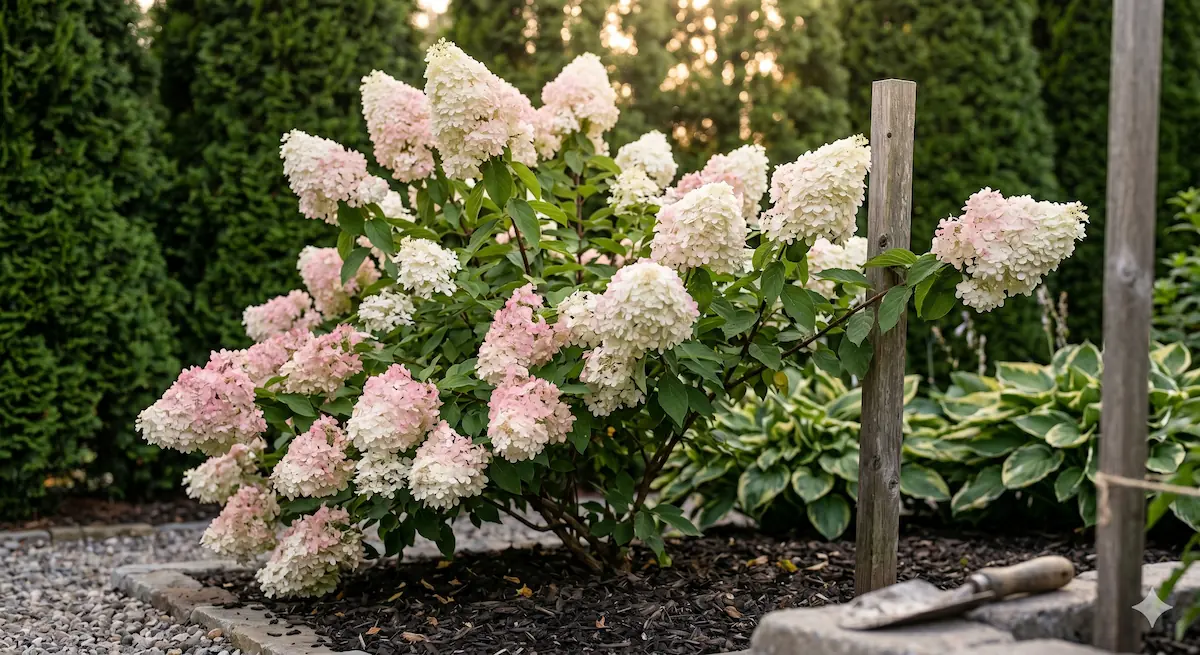
Panicle Hydrangea: Secrets to Lush Blooms and Choosing the Best Spot
Panicle hydrangea is a shrub that forgives beginners' mistakes but demands the right soil. Learn how to keep it blooming until the frost and find its perfect companions.
Read more →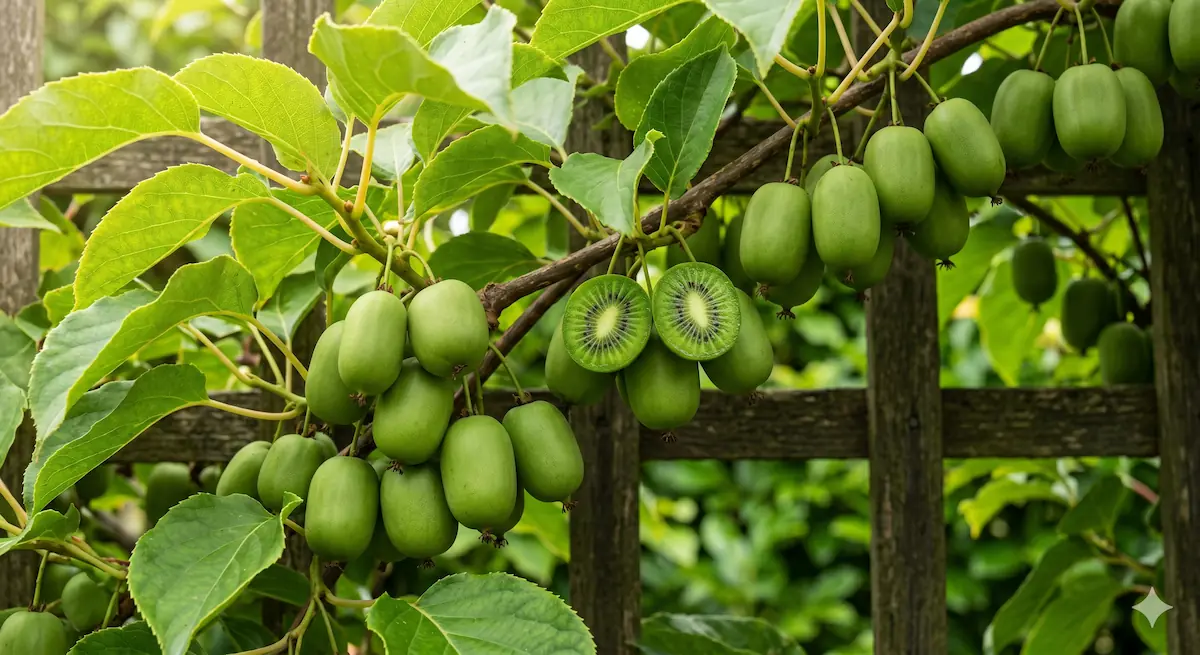
Actinidia "Issai": The Mini-Kiwi You Don't Have to Peel
Actinidia is a vine with fruits that taste like premium kiwi with notes of pineapple. Learn what soil it prefers, why cats love it, and how to harvest buckets of berries from one bush.
Read more →