
What to Plant in the Shade: Top Plants for Low Light
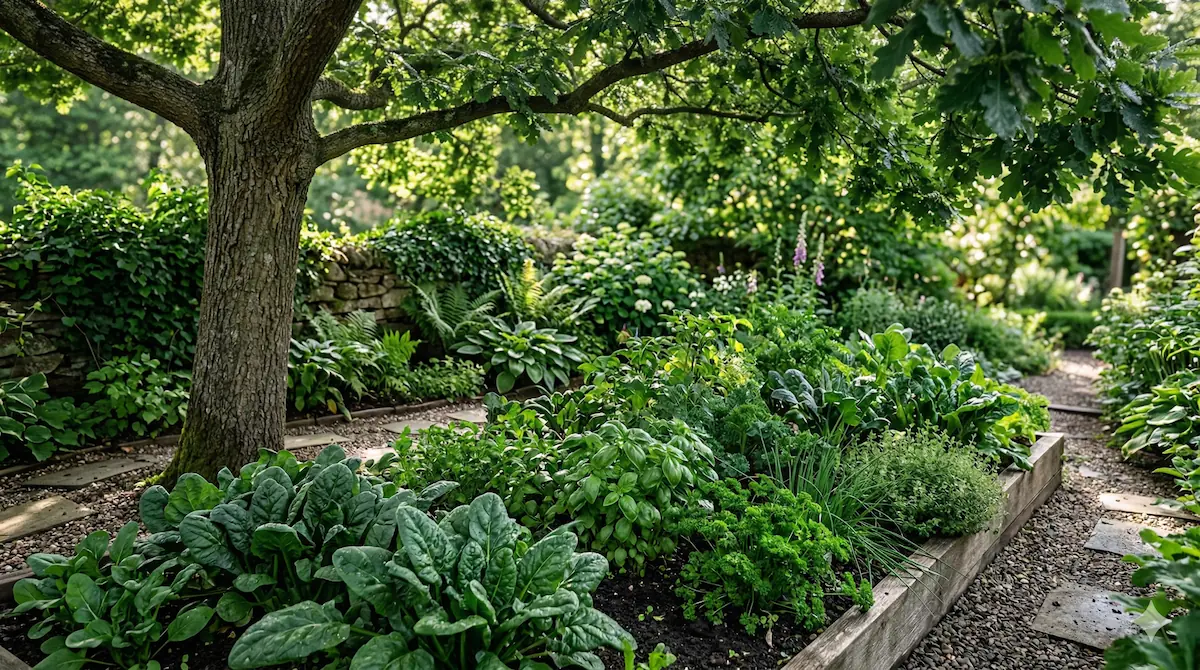
Shade from a fence or a tree isn't a dead end. Discover crops that thrive without direct sunlight.
Every garden has "blind spots" where the sun barely reaches. Don't leave them empty—you can grow a great harvest there!
Best Plants for the Shade
1. Leafy Greens
Lettuce, spinach, and arugula stay tender and juicy much longer in partial shade than in the scorching sun.
2. Herbs
Mint and parsley feel great without direct sunlight. It's the perfect spot for your herb garden.
3. Root Crops
Radishes and beets can produce a harvest even with only a few hours of sun per day.
AgroPlanner Tip: Not sure if your plant gets enough light? Add it to our Virtual Garden Bed — the app will automatically show the light requirements and help you find the perfect spot.
Important: When growing in the shade, watch the soil moisture—water evaporates slower there, so be careful not to overwater.
AgroPlanner App
Realize your dream garden: check plant compatibility, sun/shade needs, and save your plan easily.

Disclaimer
Important! All information in this blog is for recommendation purposes only. We are developers and enthusiasts, not certified agronomists. Results may vary based on your region, soil type, and weather. We are not responsible for potential errors or crop failures. Please verify critical advice independently!
Found this helpful? Share with friends!
Read more
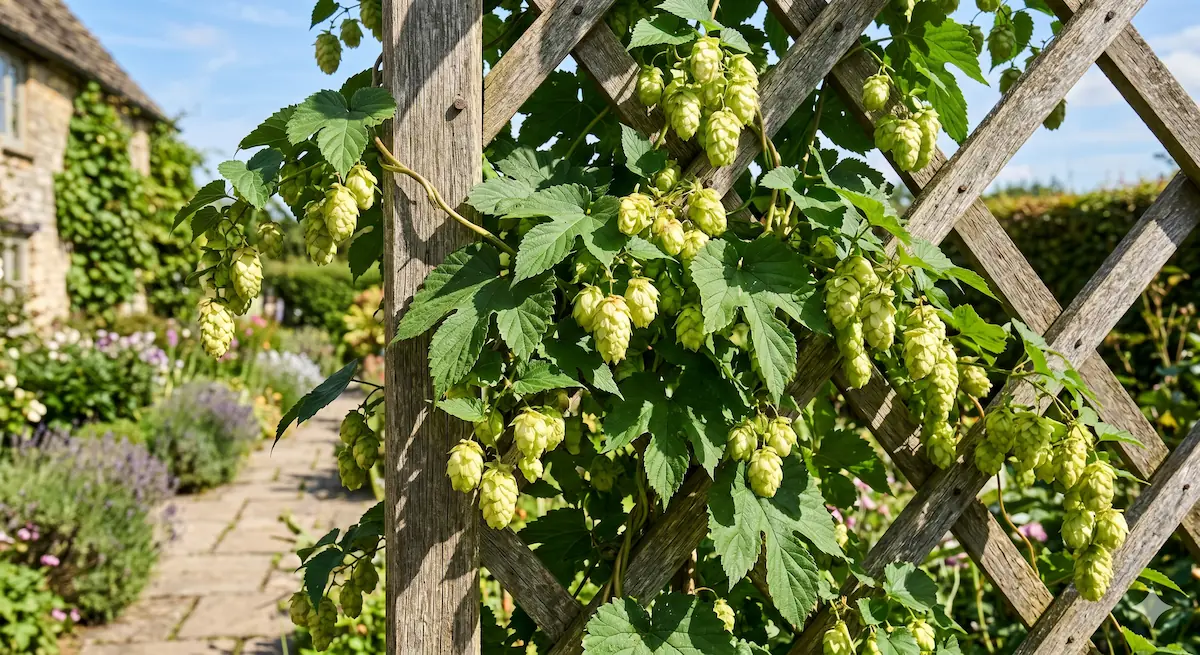
Hops: A Green Wall and Aromatic Cones
Hops are the fastest decorative vine for your garden. Learn how to provide sturdy support, why they love moisture, and how to control their growth so they don't take over the entire plot.
Read more →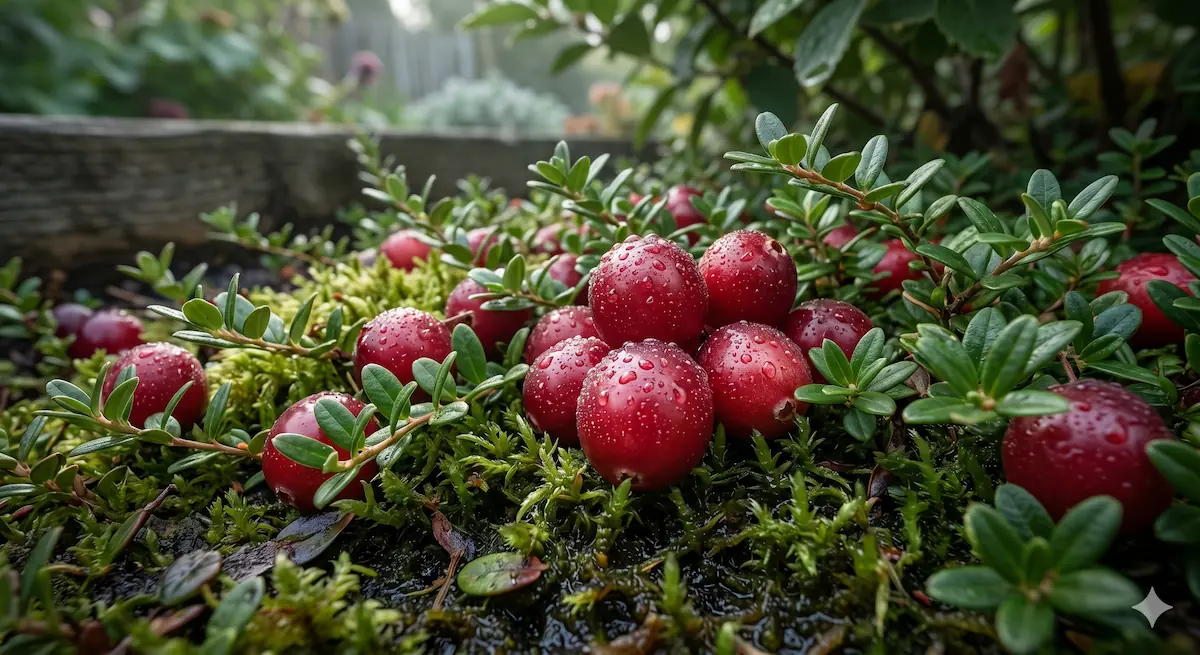
Cranberry: How to Grow "Northern Lemons" in Your Garden
Cranberry is the queen of antioxidants. Learn how to create the perfect "mini-bog," why regular garden soil will kill it, and how to harvest bright red berries on your own plot.
Read more →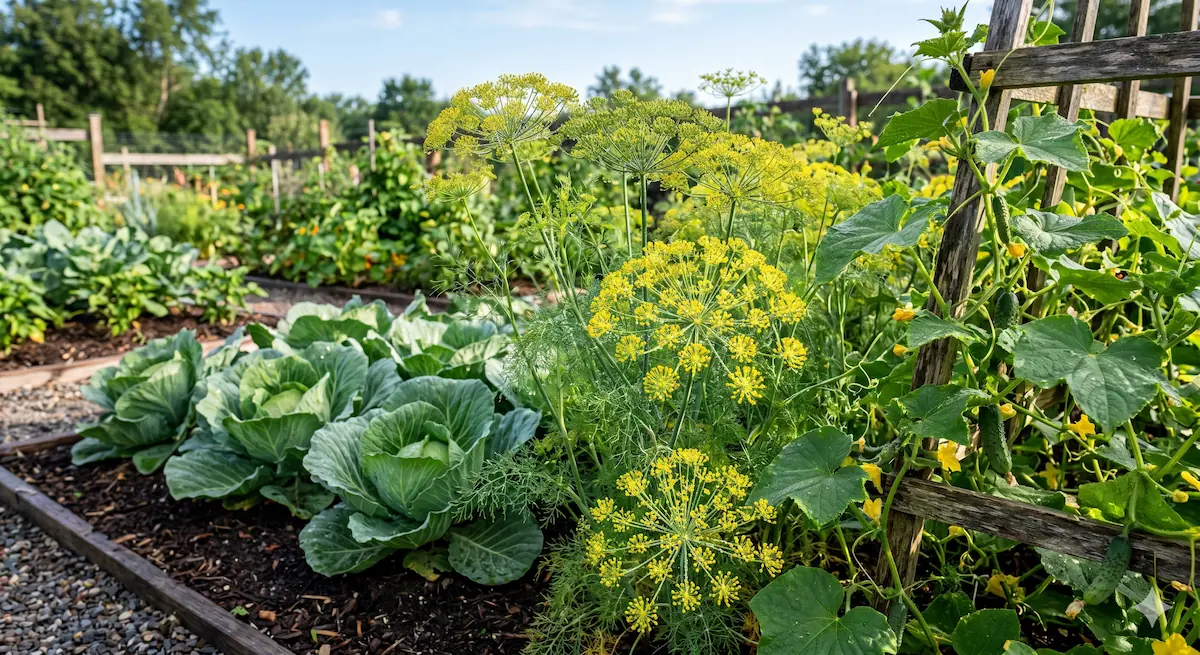
Dill Companion Planting: Ultimate Guide for the Pickling Season
Dill is the best friend for cucumbers but a deadly match for carrots. Discover 8 companion plants that love dill and how to grow lush greens without diseases.
Read more →