
Hops: A Green Wall and Aromatic Cones
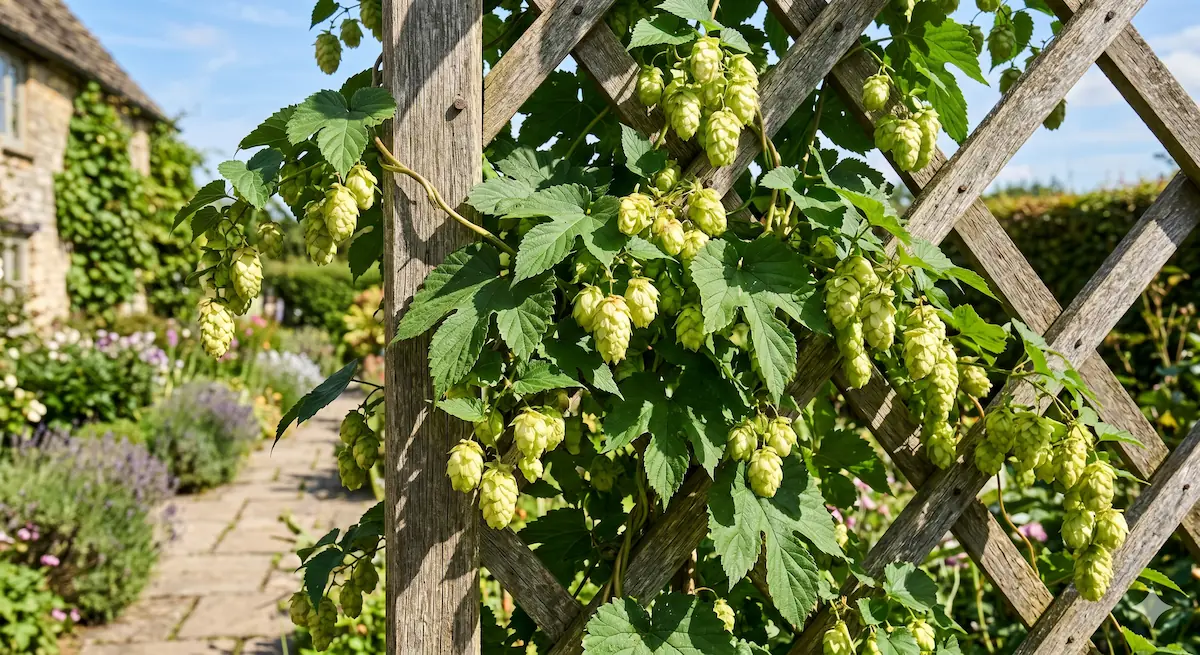
Hops are the fastest decorative vine for your garden. Learn how to provide sturdy support, why they love moisture, and how to control their growth so they don't take over the entire plot.
Common Hops (Humulus lupulus) is a perennial herbaceous vine that can grow 6-8 meters in a single season. It is prized for its dense foliage and decorative cones that appear in late summer. Hops are perfect for creating shaded areas, but they require annual pruning as the above-ground part dies back completely in autumn.
Soil: Where Will Hops Grow at Light Speed?
Hops thrive in nutrient-rich soil with consistent access to water. In dry or poor soil, the vine will be thin and dull.
- Best Choice: Fertile Loamy soils (Type 1) or humus-rich Sandy soils (Type 2).
- Soil Check: Perform the sausage test. If the soil rolls into a flexible stick (Type 1), it’s ideal, as this soil retains the moisture necessary for active shoot growth.
Best Companions (Good)
- Mint: Enjoys the same moisture levels and thrives in the shade created by the hops.
- Peas and Beans: Can share the same support as the hops (as long as they aren't overwhelmed).
- Ornamental Grasses: Excellent for covering the base of the vine, which may become bare over time.
Main Enemies (Bad)
- Walnut Trees: Traditionally dangerous. Walnut juglone significantly stunts the growth of hops.
- Drought: Without watering on hot days, hop leaves quickly turn yellow and dry from the bottom up.
- Stagnant Water: While hops love moisture, a constant "bog" at the roots will cause them to rot during winter.
AgroPlanner Tip: Hops need a tall and sturdy vertical support. In our app, they occupy a 2x2 grid near walls or pergolas. The system will help you find the warmest spot for rapid growth and will flag the walnut toxic zone in red to ensure your "green wall" stays dense and healthy.
AgroPlanner App
Realize your dream garden: check plant compatibility, sun/shade needs, and save your plan easily.

Disclaimer
Important! All information in this blog is for recommendation purposes only. We are developers and enthusiasts, not certified agronomists. Results may vary based on your region, soil type, and weather. We are not responsible for potential errors or crop failures. Please verify critical advice independently!
Found this helpful? Share with friends!
Read more
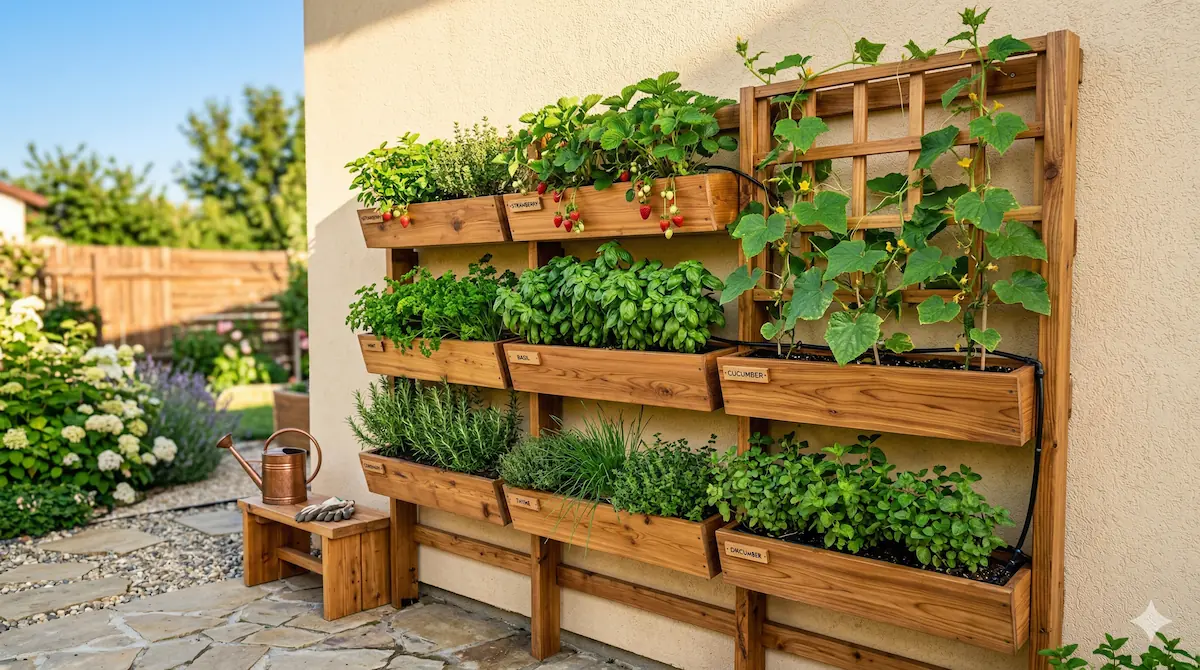
Vertical Gardening: How to Grow a Massive Harvest on Just 1 m²
Lack of space is no longer an issue. Learn how to turn walls, fences, and balconies into productive garden beds.
Read more →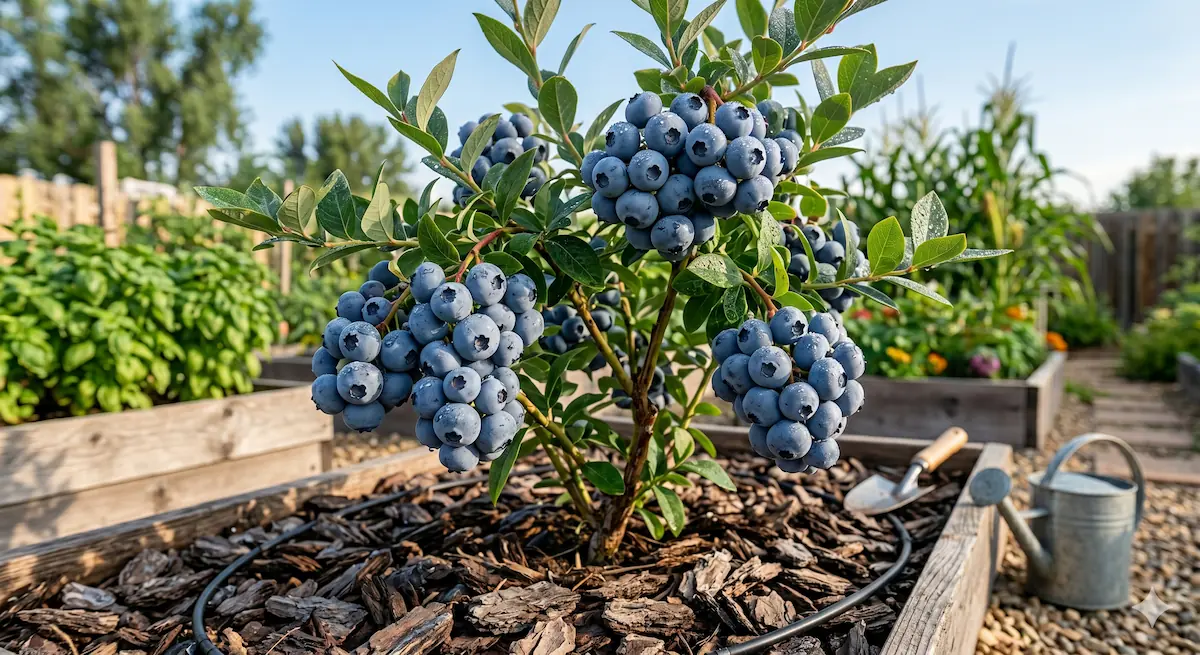
"Duke" Blueberry: Early Harvest and Acidic Soil Secrets
The "Duke" variety is the standard for early blueberries. Learn why regular garden soil is lethal for it and what to plant nearby for the sweetest berries.
Read more →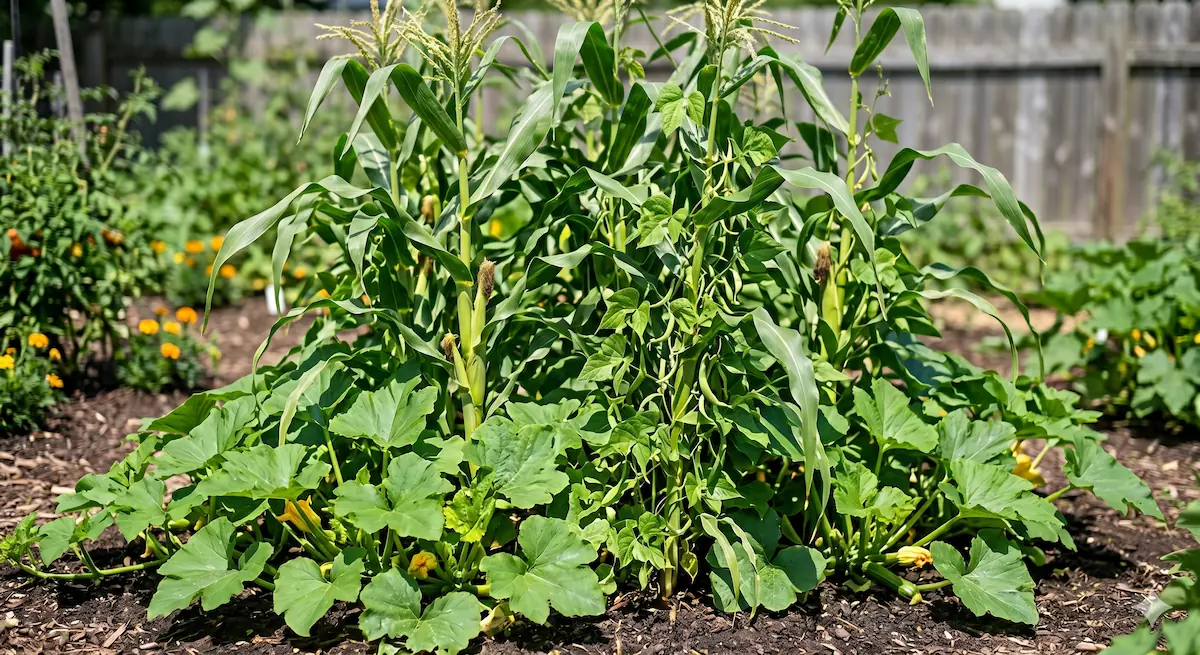
Corn Companion Planting: Ultimate Guide for the "Three Sisters" Method
Corn is the perfect living trellis for your garden. Discover how the ancient "Three Sisters" method works and which 8 plants help corn yield the best sweet ears.
Read more →