
Spinach in the Garden: How to Grow Juicy Leaves and Prevent Bolting
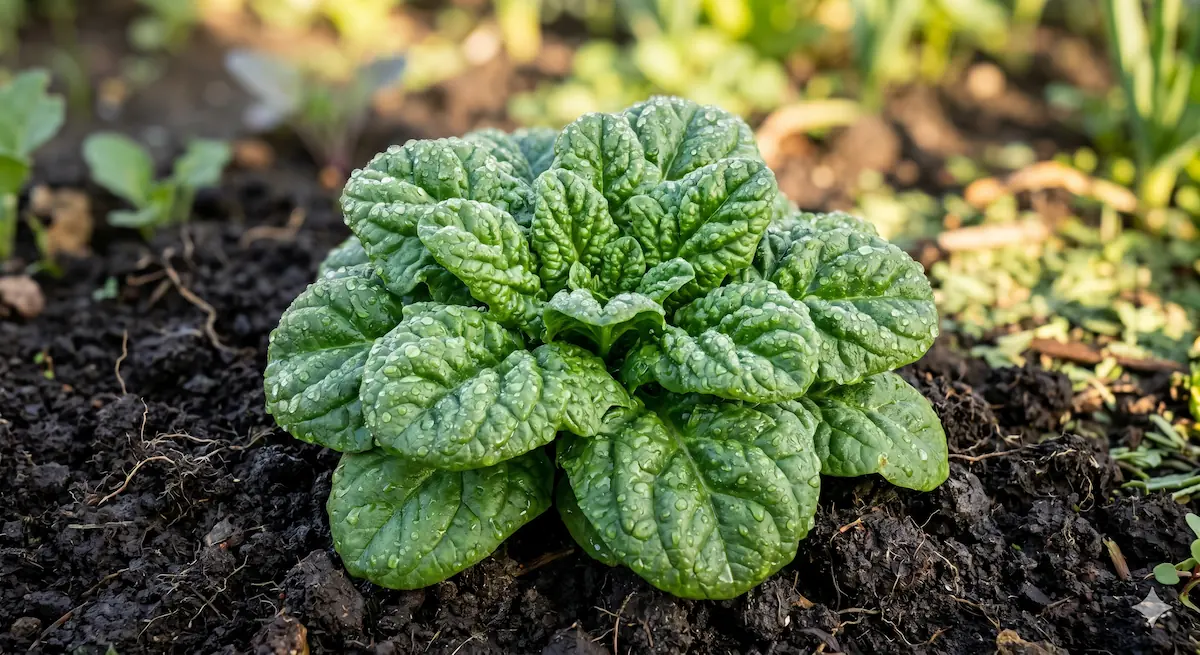
Spinach growing secrets from AgroPlanner. Learn why it loves the cold, how to water it correctly, and how to stop the plant from flowering too early.
Spinach is a true superfood and one of the first greens to appear on our tables in spring. It’s rich in iron and vitamins, but many gardeners complain that instead of large leaves, the plant quickly sends up a seed stalk. Let's figure out how to avoid this.
Cold is Spinach's Best Friend
Spinach is a short-day plant. As soon as the daylight lasts longer than 14 hours and the temperature rises above 25°C, the plant "decides" it's time to reproduce and starts bolting. The leaves then become tough and tasteless.
- Early Sowing: Sow spinach as early as possible, as soon as you can get into the garden. It easily survives light frosts.
- Shade in the Heat: If you plant spinach in May, choose partial shade or use a sunshade net to keep it cool.
Watering and Nitrogen for Green Mass
To ensure the leaves are soft and juicy, spinach needs plenty of moisture and nutrients:
- Don't Let the Soil Dry Out: Even one day of drought can signal the plant to start flowering. Watering should be regular and fine-misted.
- Nitrogen Fertilizers: Since spinach grows green leaves, it loves nitrogen. Well-rotted compost applied in the fall works best.
Companion Planting Ideas from AgroPlanner
Spinach is an excellent "neighbor." Thanks to its short ripening period, it can be interplanted with slow-growing crops. In our AgroPlanner, we recommend planting spinach next to strawberries, tomatoes, or beans. It covers the soil, preventing it from drying out while the main crop is still gaining strength.
Harvest on time! As soon as the rosette has 5-6 true leaves, it’s time to cut. It is best to do this in the morning when the leaves are most turgid and full of moisture.
AgroPlanner App
Realize your dream garden: check plant compatibility, sun/shade needs, and save your plan easily.

Disclaimer
Important! All information in this blog is for recommendation purposes only. We are developers and enthusiasts, not certified agronomists. Results may vary based on your region, soil type, and weather. We are not responsible for potential errors or crop failures. Please verify critical advice independently!
Found this helpful? Share with friends!
Read more
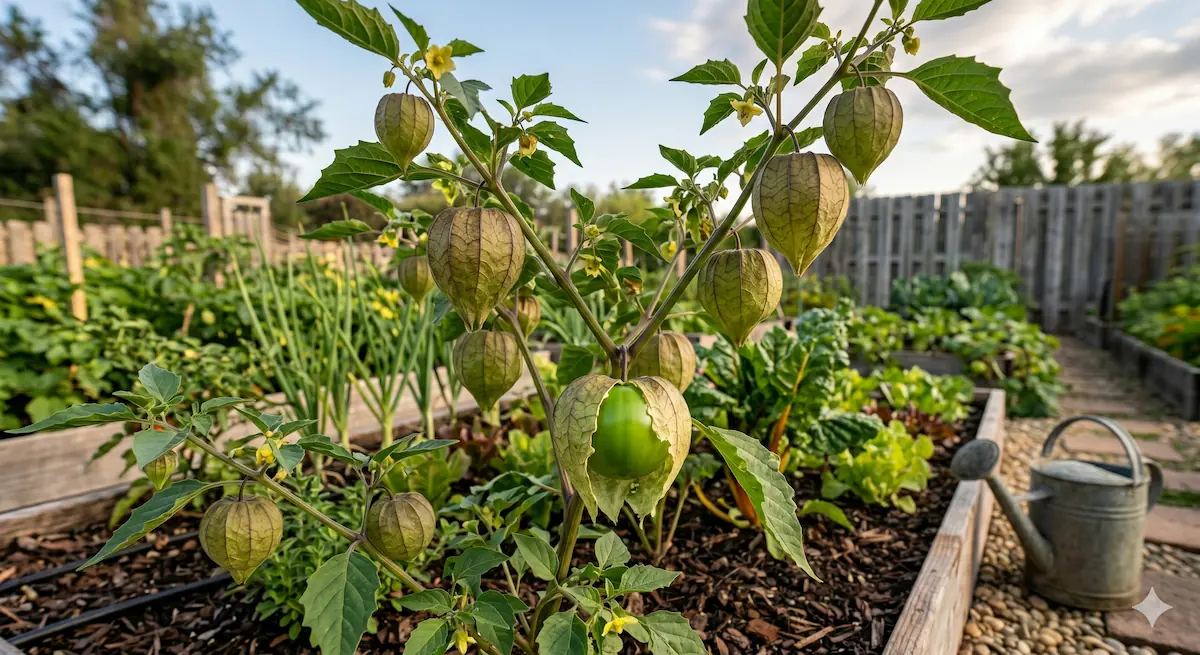
Tomatillo (Vegetable Physalis): Exotic "Lanterns" in Your Garden
Tomatillo is a resilient tomato relative that fruits inside paper husks. Learn why it’s more productive than tomatoes, what soil it needs, and how to tell when it's ripe.
Read more →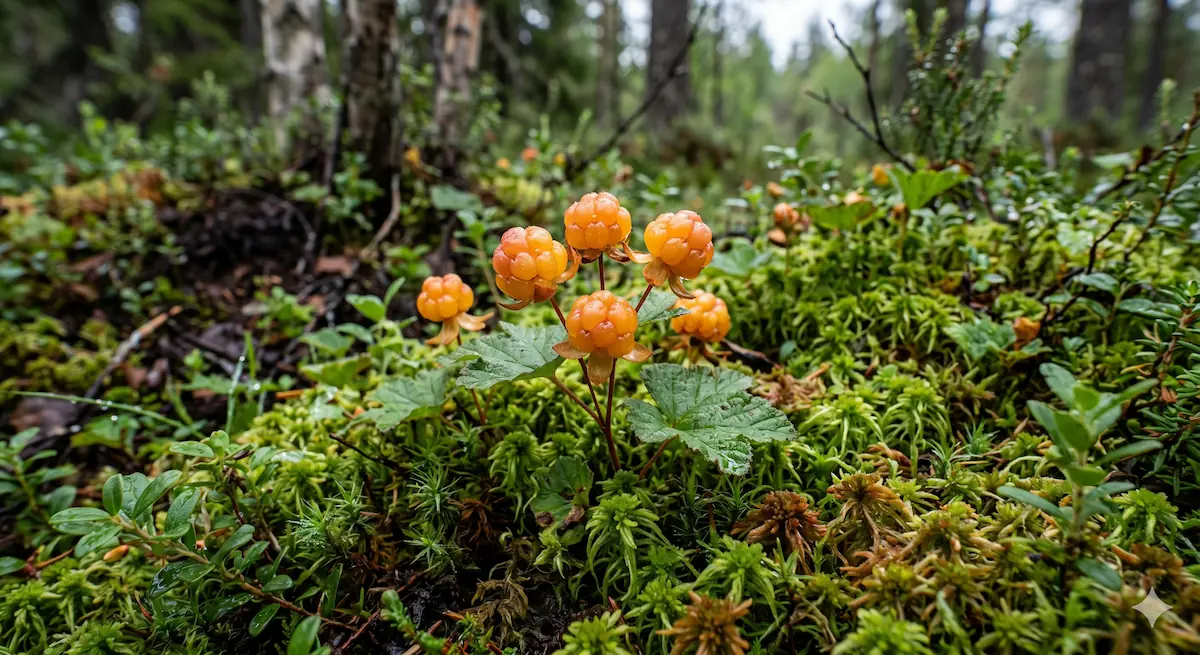
Cloudberry: Growing the Arctic Gold in Your Garden
Cloudberry is a delicacy usually found in bogs. Learn how to recreate its natural habitat, why it shuns the sun, and what soil makes its berries amber-gold.
Read more →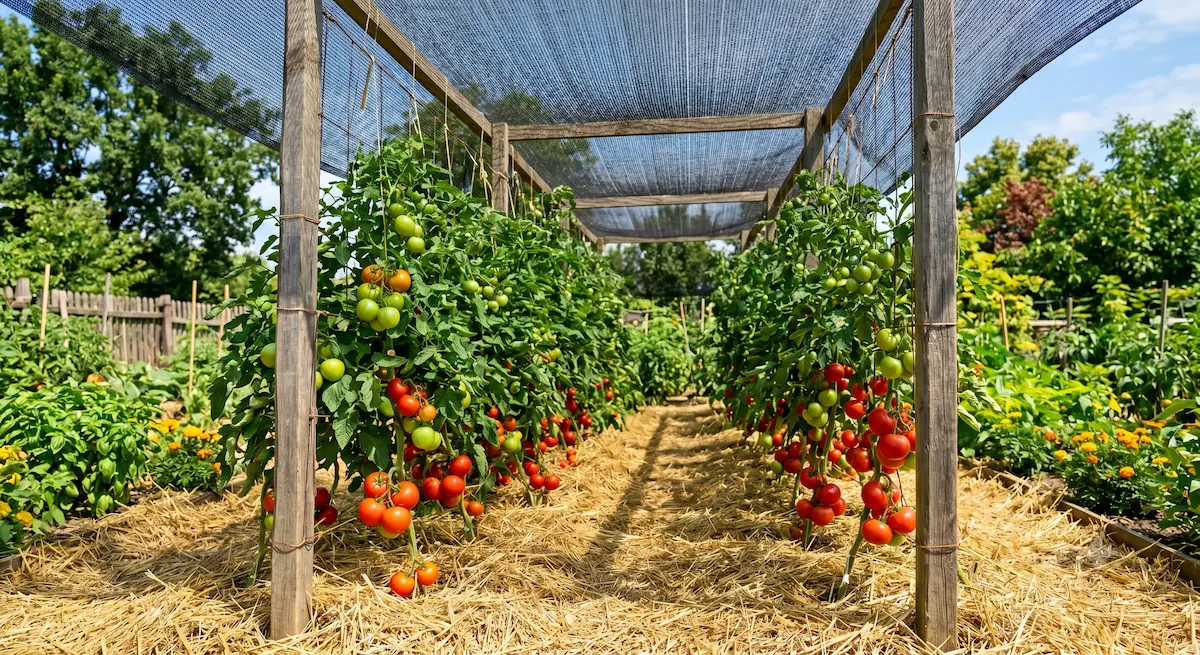
How to Save Your Garden in a Heatwave: Protecting Plants from Sunscald
When temperatures rise above +30°C, plants begin to burn and drop their fruit. Learn how to protect your beds using shading nets and proper mulching.
Read more →