
How to Save Your Garden in a Heatwave: Protecting Plants from Sunscald
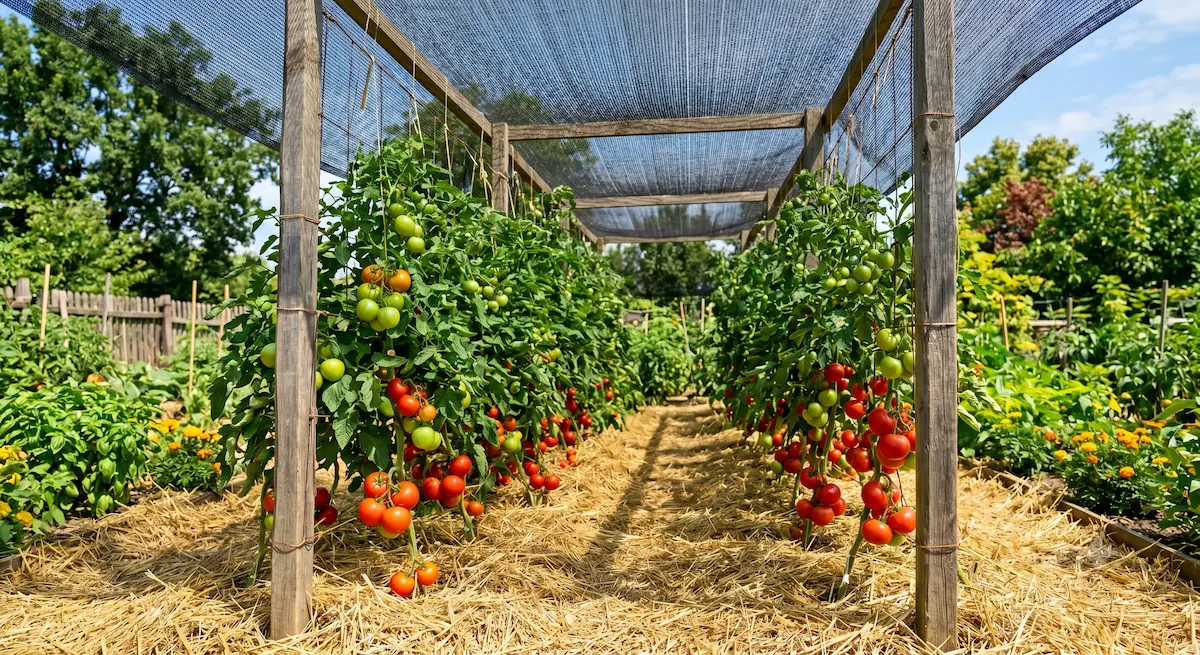
When temperatures rise above +30°C, plants begin to burn and drop their fruit. Learn how to protect your beds using shading nets and proper mulching.
Summer heatwaves are a severe test for any garden plot. When temperatures in July and August cross the +30°C mark, classic crops like tomatoes, cucumbers, and bell peppers experience deep thermal shock. Instead of growing fruit, they roll their leaves, drop blossoms, and the vegetables develop white bleached spots — sunscald. Safeguarding your harvest requires a complex summer rescue routine.
1. Secrets of Correct Summer Irrigation
The most common mistake in summer is watering beds frequently but shallowly. This approach only wets the top centimeter of soil, which evaporates in an hour, while the deep roots stay dry. Irrigation should be infrequent but highly plentiful, soaking the ground 20-30 cm deep. Water strictly in the early morning or late evening when the sun has set, otherwise water droplets act as lenses and burn foliage.
2. Shading Nets: A Lifesaver for Demanding Crops
If you are growing broccoli cabbage or delicate spinach, open blazing sun is destructive. The best solution is establishing a specialized garden shading net with a 45-60% protection rating. It diffuses harsh ultraviolet rays, lowers ambient temperatures under the canopy by 4-6°C, and creates an ideal microclimate for delicate plants.
3. Table of Effective Heatwave Management Methods (Good)
| Protection Method | How it Works on the Bed? | What Result is Achieved? |
|---|---|---|
| Thick Mulch | Blanketing the ground with a 7-10 cm layer of straw or dried grass clips. | The ground does not overheat, and soil moisture evaporates 4 times slower. |
| Evening Sprinkling | Spraying foliage with warm water well after the sun has completely set. | Washes off dust, lowers plant temperature, and restores leaf turgor pressure. |
| Screen Planting | Sowing tall corn or sunflowers on the southern boundary of vegetable beds. | A natural living screen that casts helpful partial shade over delicate vegetables. |
| Potassium Feeding | Applying fertilizers with high potassium content (such as plain wood ash). | Potassium regulates water balance in cells, multiplying drought resistance. |
4. Major Mistakes During Severe Droughts (Bad mistakes)
- Hoeing dry soil: Tilling dry ground during heat waves only accelerates the evaporation of deep soil moisture and injures dry roots.
- Applying nitrogen fertilizers: Nitrogen forces the plant to push new young leaves that demand even more water, leading to rapid plant death. Read about precise microelement balancing in our NPK fertilizer guide.
AgroPlanner Tip: During extreme heat, leave row spaces untouched; do not pull tiny weeds out by their roots — they temporarily shade your useful crops. Use our planner to set up a smart watering schedule!
AgroPlanner App
Realize your dream garden: check plant compatibility, sun/shade needs, and save your plan easily.

Disclaimer
Important! All information in this blog is for recommendation purposes only. We are developers and enthusiasts, not certified agronomists. Results may vary based on your region, soil type, and weather. We are not responsible for potential errors or crop failures. Please verify critical advice independently!
Found this helpful? Share with friends!
Read more
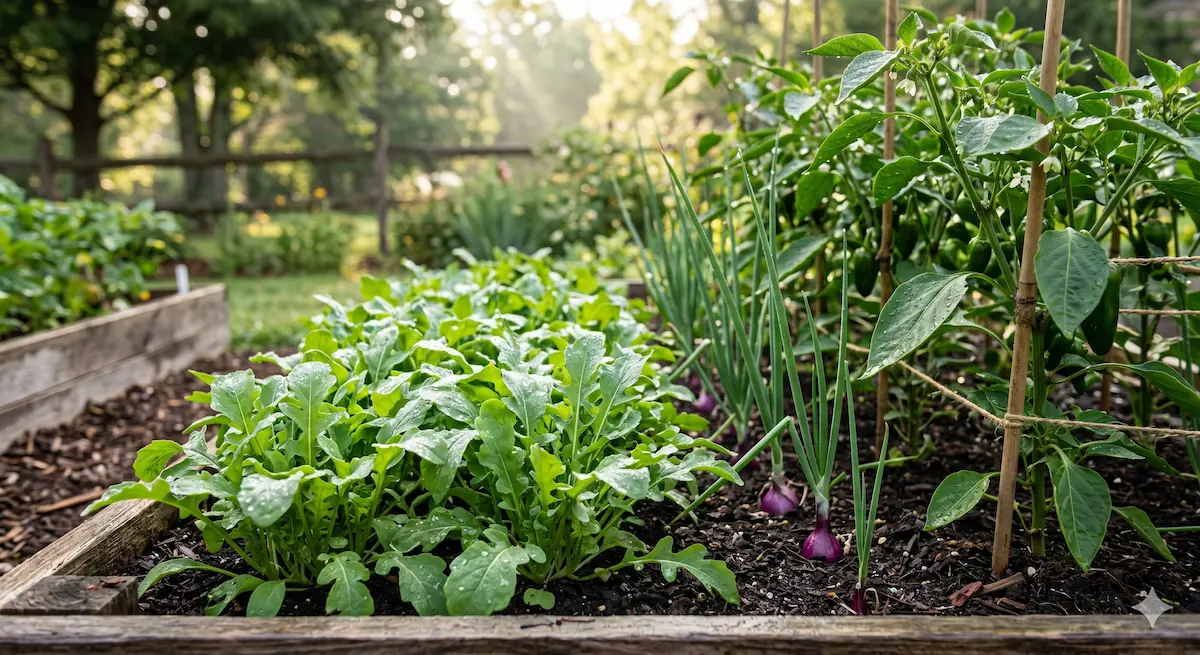
Arugula Companion Planting: The Ultimate Guide for Fresh Greens
Arugula is a magnet for flea beetles. Learn about 8 companion plants that help mask its scent, provide shade, and ensure your greens stay tender and delicious.
Read more →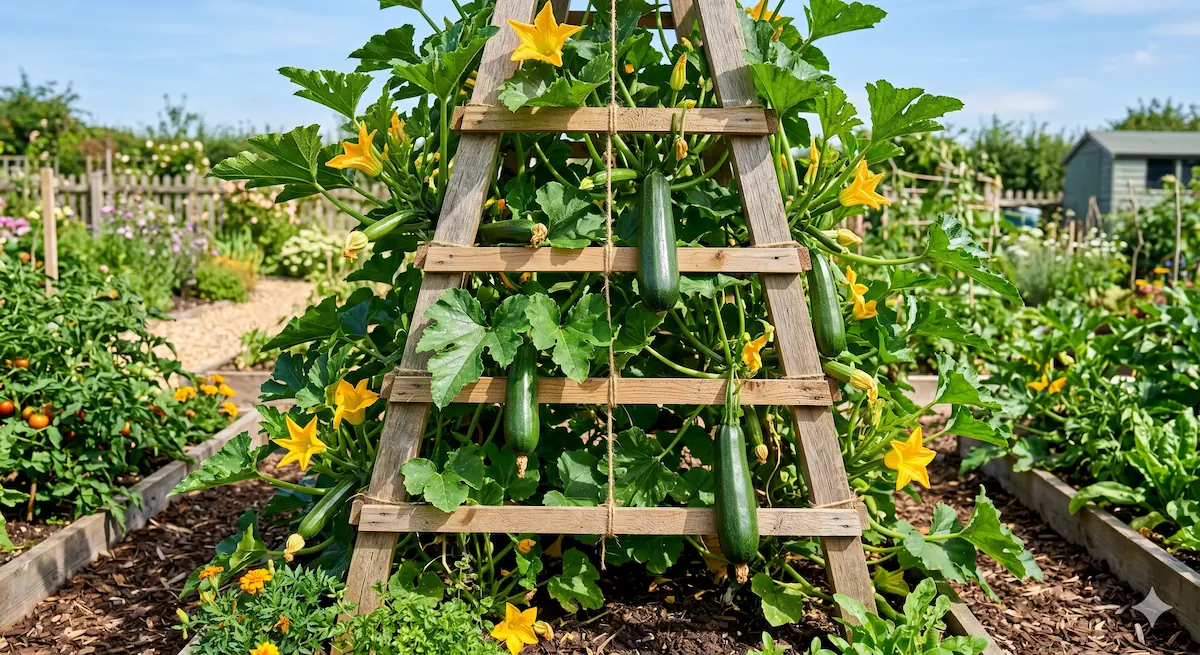
Vertical Gardening: How to Train Zucchini and Pumpkins to Grow Up
Zucchini and pumpkins usually take up half the garden. Learn how to lift them into the air using trellises, why it saves fruit from rot, and which varieties are best for "high-rise" living.
Read more →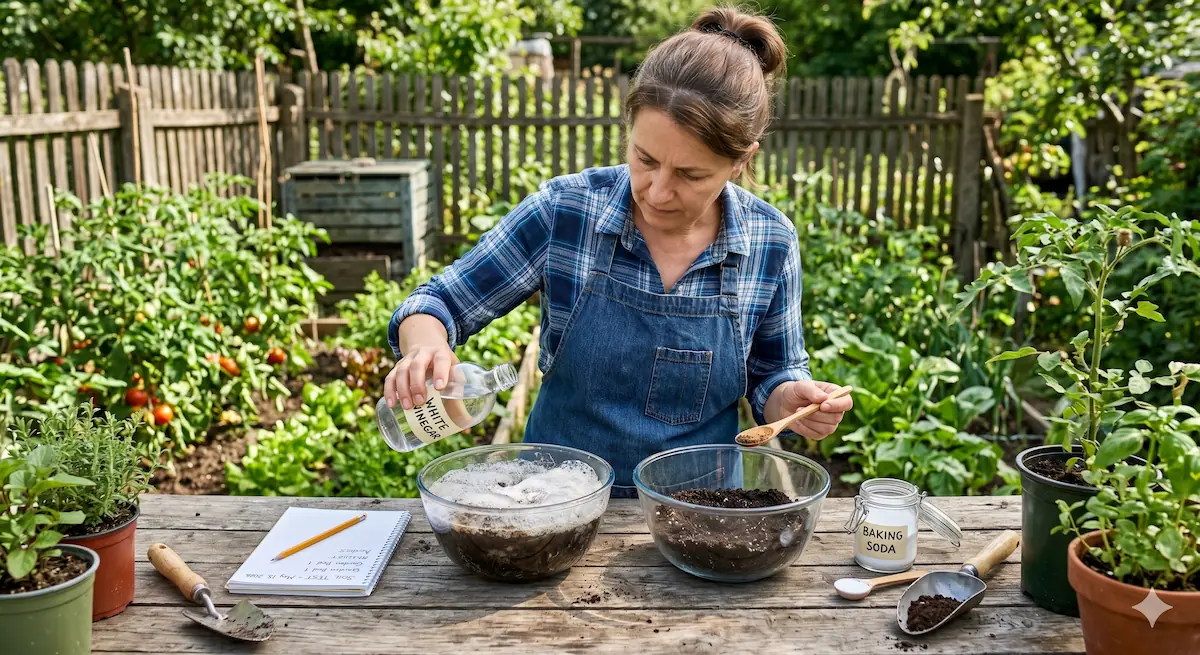
DIY Soil pH Test: Kitchen Magic for Gardeners
Not sure why your plants aren't growing? It might be the soil acidity. Run a simple 5-minute test using common kitchen items to find out what your soil needs.
Read more →