
The Ultimate Guide to Smart Garden Planning: From a Bare Plot to a Record Harvest
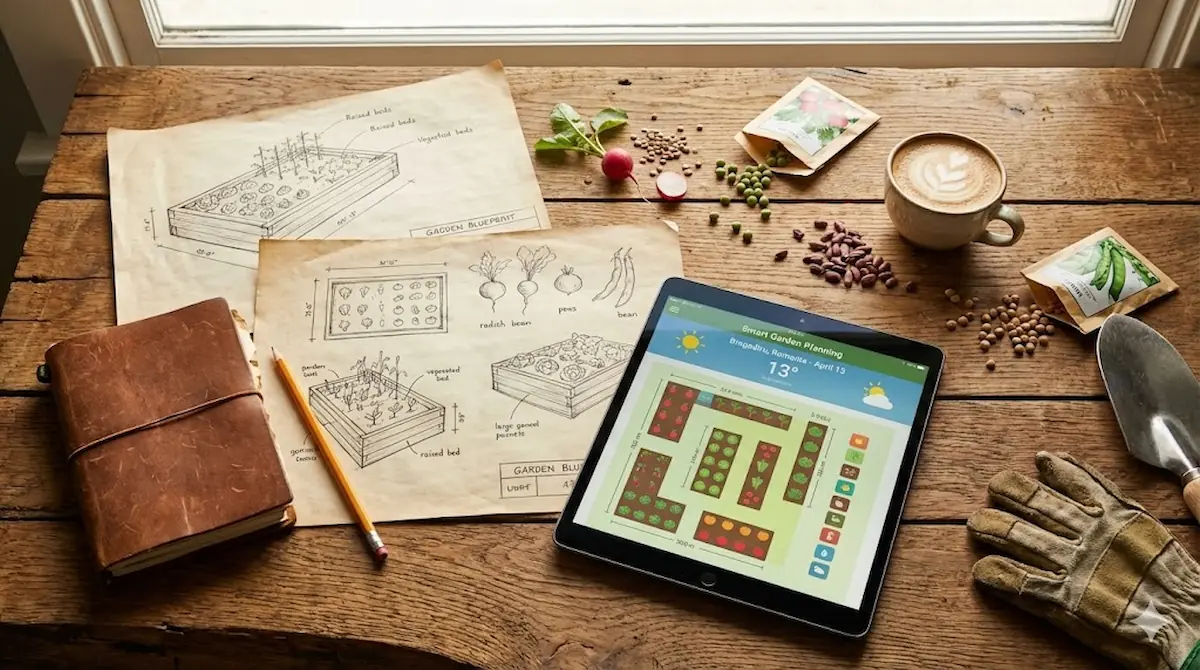
Don't know where to start? This comprehensive guide takes you through every stage of creating the perfect garden: from crop rotation and plant compatibility to spacing.
Many beginner gardeners make the same critical mistake: they buy seeds on impulse, arrive at their plot, and haphazardly plant them wherever there is free space. The result is usually disappointing—plants get sick, interfere with each other, and the harvest is a third of what was expected. The secret to successful farming isn't in magical fertilizers, but in mathematically precise planning before the season even begins.
In this guide, we will break down the key rules of smart garden planning that will help you avoid soil depletion and create a perfect ecosystem in your yard.
Step 1: Assessing Microclimate and Sunlight
Before drawing out your garden beds, carefully study your plot. Most vegetable crops (tomatoes, peppers, cucumbers, squash) require a minimum of 6-8 hours of direct sunlight a day. If you have areas shaded by trees or buildings for more than half the day, plan to plant shade-loving crops there: spinach, arugula, mint, or radishes.
Also, consider the light-and-shade balance of the plants themselves. Tall corn or sunflowers will inevitably cast a shadow. Plant them on the northern side of your garden bed so they don't block the sun for shorter neighbors.
Step 2: The Golden Rule of Crop Rotation
Crop rotation is the practice of alternating crops on the same bed from year to year. Why is it so crucial?
- Disease Prevention: If you plant potatoes or tomatoes in the same spot three years in a row, the soil will accumulate late blight spores, which will destroy the next crop during the flowering stage.
- Nutrient Preservation: Cabbage extracts a lot of nitrogen from the soil. If you plant other nitrogen-loving crops there the following year, they will starve. It's better to plant peas or beans there—they fix their own nitrogen from the air and "repair" the soil.
Step 3: Companion Planting (Who is a Friend?)
The plant world has its own sympathies and antipathies. The right neighborhood can protect your vegetables from pests without a single drop of chemicals.
For example, marigolds planted between rows of cabbage deter cabbage maggots and nematodes. Garlic protects strawberries from gray mold. Conversely, never plant onions and legumes next to each other—onions release substances that stunt the growth of peas and beans. Also, remember allelopathy (toxicity): some plants, like wormwood, release toxins that prevent anything from growing within a radius of several meters.
Step 4: Space Calculation and Planting Geometry
Every plant needs its living space. If you sow carrots too densely, they will grow small and crooked. If you leave too much space between pepper bushes, the soil will dry out and become overgrown with weeds.
The traditional method of planting in long rows is giving way today to the Square Foot Gardening system. The idea is that the bed is divided into equal squares (e.g., 1x1 foot). In one such square, you can plant 1 tomato bush, 4 lettuce plants, or 16 carrots. This saves space and resources efficiently.
How Not to Go Crazy from All These Rules?
Keeping track of crop rotation, sizes, compatibility of hundreds of plants, toxic radii, and shade is a job for a computer, not a notepad. That's exactly why the AgroPlanner app exists.
In our virtual canvas, you can create an exact replica of your garden. The system will tell you what size grid each plant needs, automatically highlight conflicts between "enemies" in red, and show you where the shadow from tall crops will fall. Spend 15 minutes on smart planning in the winter to enjoy a record harvest in the summer!
AgroPlanner App
Realize your dream garden: check plant compatibility, sun/shade needs, and save your plan easily.

Disclaimer
Important! All information in this blog is for recommendation purposes only. We are developers and enthusiasts, not certified agronomists. Results may vary based on your region, soil type, and weather. We are not responsible for potential errors or crop failures. Please verify critical advice independently!
Found this helpful? Share with friends!
Read more
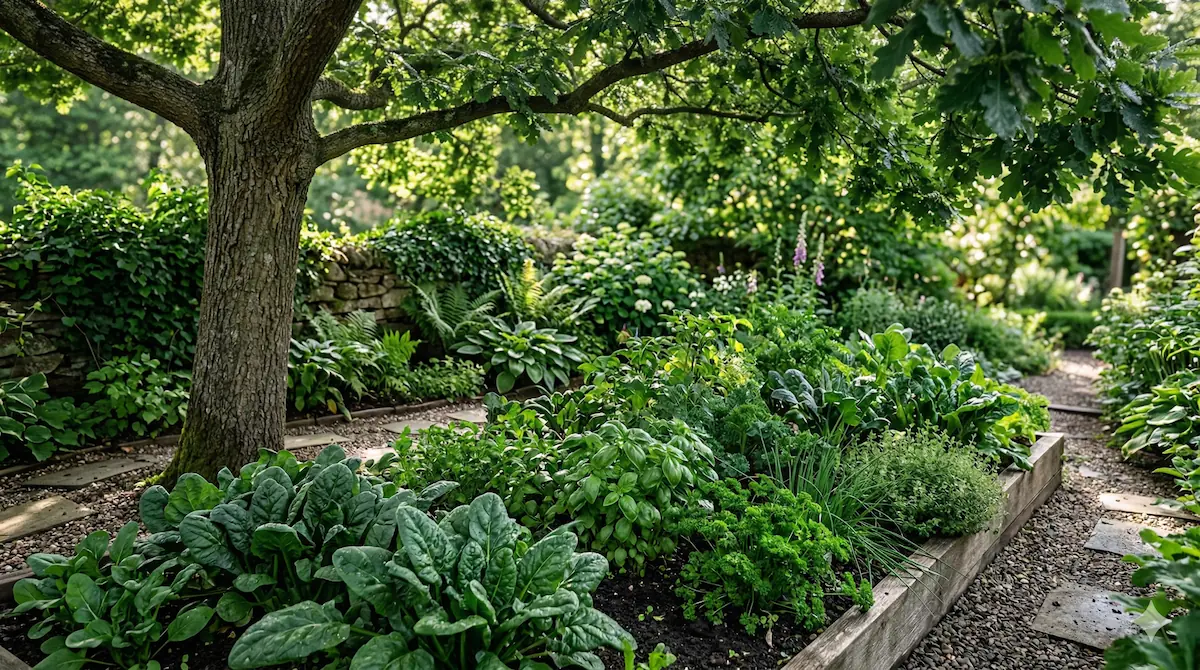
What to Plant in the Shade: Top Plants for Low Light
Shade from a fence or a tree isn't a dead end. Discover crops that thrive without direct sunlight.
Read more →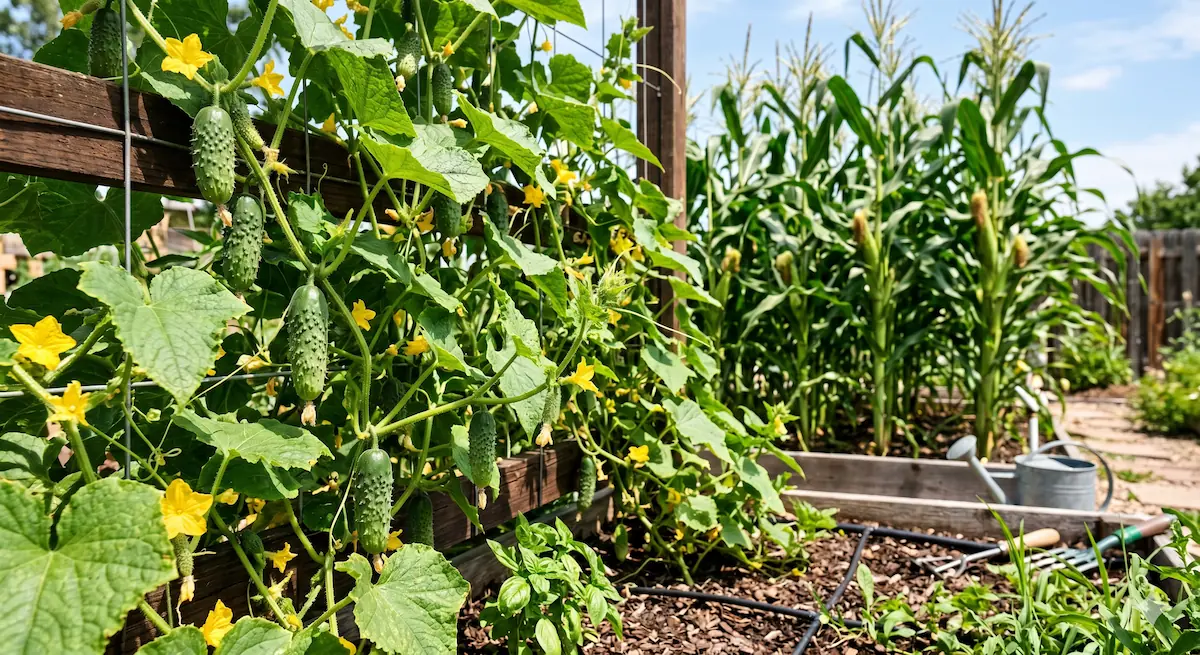
Gherkin Cucumbers: Secrets to Growing Merengue and Kibria Varieties
These hybrids are the true "workhorses" of the garden. They are self-pollinating, never bitter, and yield harvests by the bucketload.
Read more →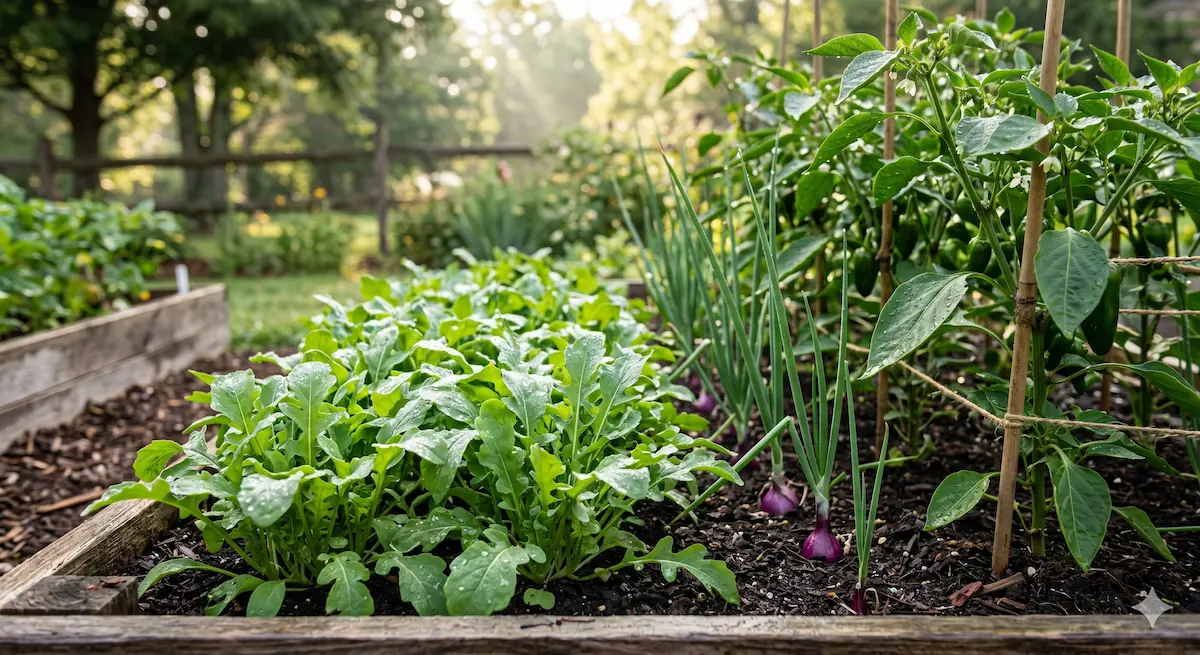
Arugula Companion Planting: The Ultimate Guide for Fresh Greens
Arugula is a magnet for flea beetles. Learn about 8 companion plants that help mask its scent, provide shade, and ensure your greens stay tender and delicious.
Read more →