
Yellow Leaves on Tomatoes: How to Distinguish Disease from Nitrogen or Magnesium Deficiency
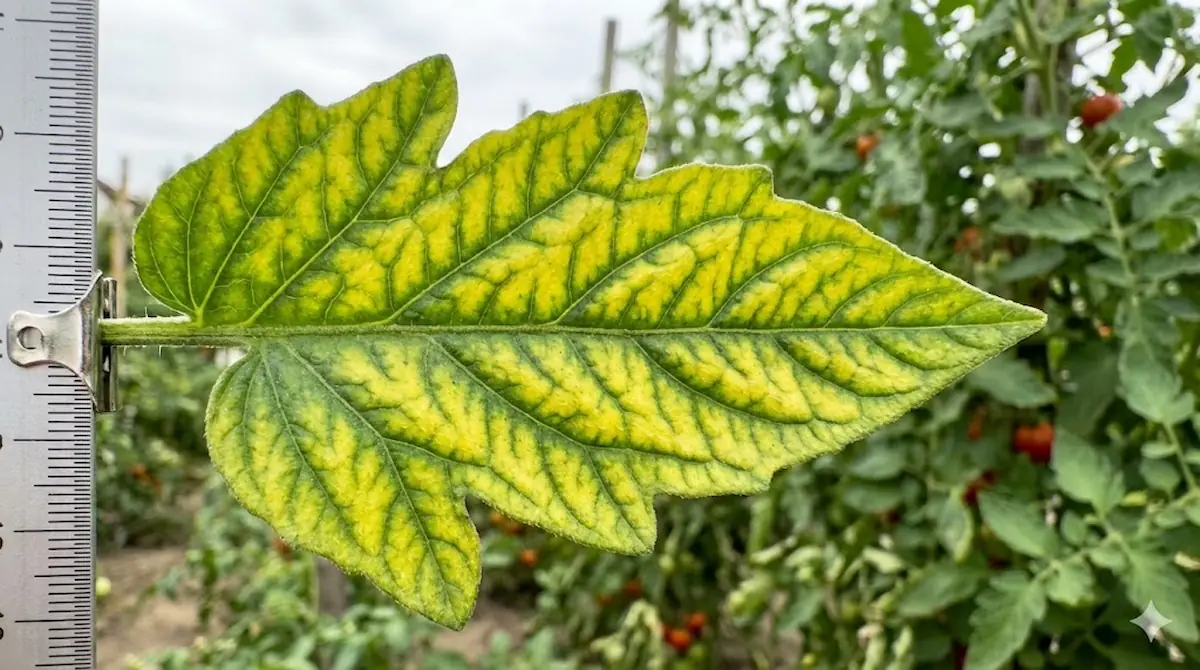
A checklist for tomato diagnostics. Learn to distinguish plant hunger signals from symptoms of dangerous diseases to save your harvest in time.
Yellowing leaves on tomatoes are like a fever in a human: one symptom, but a dozen possible causes. The main mistake beginners make is immediately grabbing fungicides, even though often the plant is simply "hungry." Let's figure out exactly what your tomato is trying to say.
Option 1: Nitrogen Deficiency (The plant wants to eat)
Nitrogen is responsible for green mass. If it's lacking, the bush looks tired and pale.
- What it looks like: The leaf turns yellow uniformly, starting from the tip to the base. First, the old lower leaves lighten, and then the yellowing moves upward.
- What to do: Feed the plant with diluted poultry manure, "green fertilizer" made from nettles, or a urea solution. You will see results within a few days.
Option 2: Magnesium Deficiency (Tomato "fitness")
Magnesium is involved in photosynthesis, and its deficiency is often confused with viral mosaic.
- What it looks like: Only the areas between the veins turn yellow, while the veins themselves remain bright green. The leaf starts to look like a fish skeleton or a map with roads.
- What to do: Use magnesium sulfate (Epsom salt). Foliar spraying (on the leaves) works faster than watering at the roots.
Option 3: Diseases (Blight or Alternaria)
Here you must act quickly, as the fungus can destroy the entire garden in a week.
- What it looks like: Unlike nutrient deficiencies, disease manifests as spots. They can be brown, black, often with a yellow halo. The leaves don't just turn yellow; they dry out, curl, or rot.
- What to do: Remove affected leaves (do not put them in compost!), treat the bushes with copper-based preparations or bio-fungicides.
Tip from AgroPlanner
To avoid guessing why your tomatoes are suffering, plan their location in advance in our app. Avoid planting tomatoes near potatoes (they share common diseases) and leave enough space between bushes for ventilation. Good air circulation is the best prevention for fungi!
Watch the lower leaves: if they start changing color, do not ignore this signal. Timely diagnosis is 90% of your harvest's success.
AgroPlanner App
Realize your dream garden: check plant compatibility, sun/shade needs, and save your plan easily.

Disclaimer
Important! All information in this blog is for recommendation purposes only. We are developers and enthusiasts, not certified agronomists. Results may vary based on your region, soil type, and weather. We are not responsible for potential errors or crop failures. Please verify critical advice independently!
Found this helpful? Share with friends!
Read more
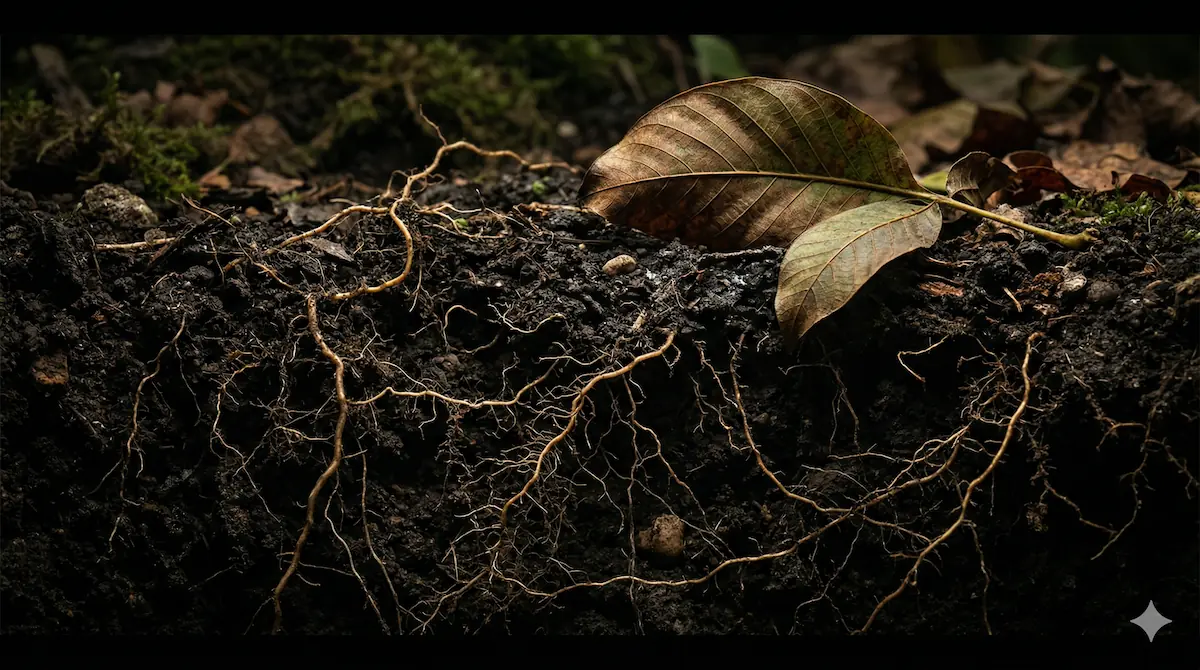
Chemical Warfare in the Garden: Plants That Poison Their Neighbors
Learn about allelopathy and selfish plants that release toxins into the soil to suppress their competitors.
Read more →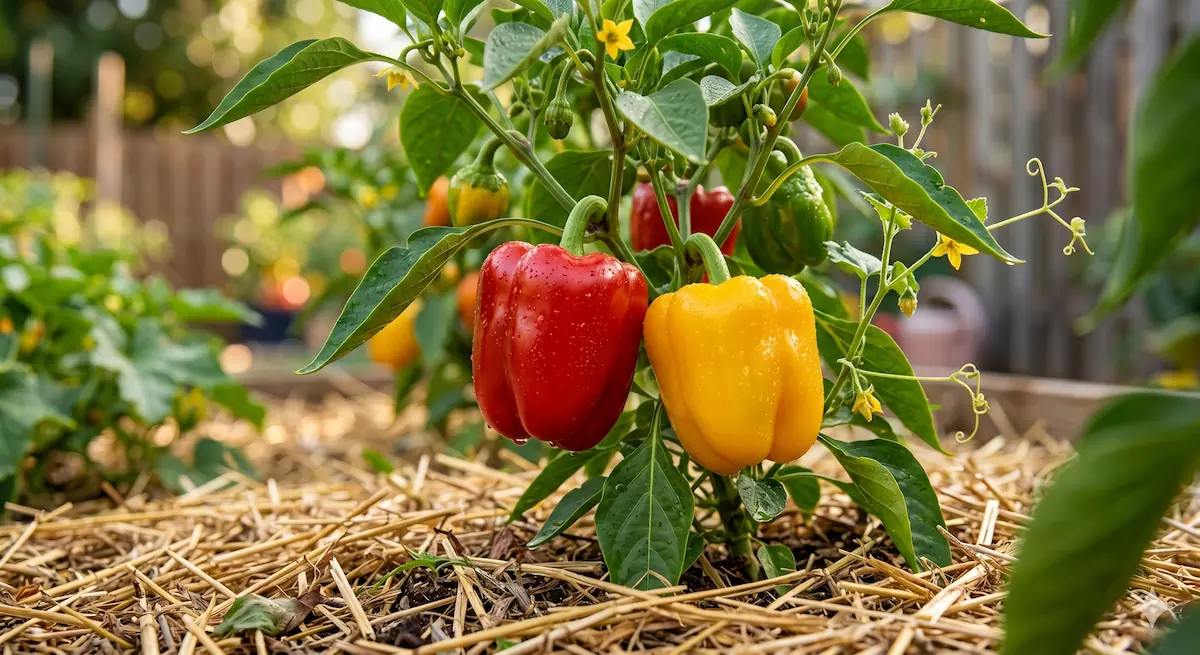
Sweet Pepper: How to Grow Juicy Fruits and Avoid Mistakes
A complete guide to growing sweet peppers: from temperature requirements to watering secrets. Learn how to protect peppers from sunscald and choose the best neighbors.
Read more →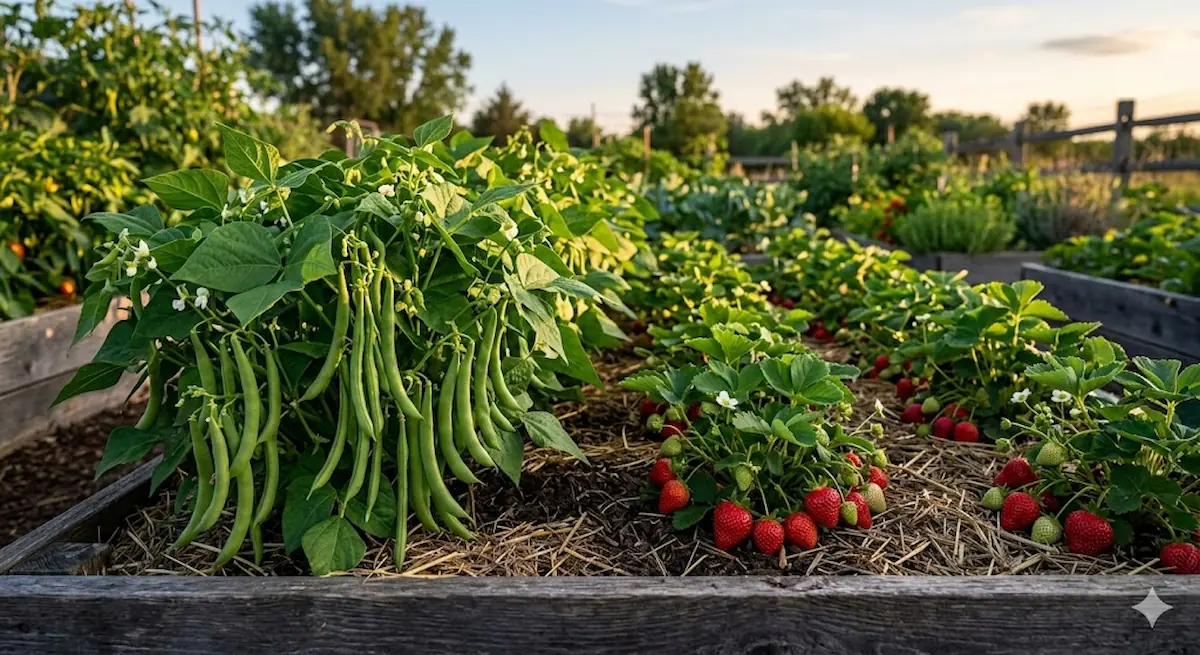
Green Beans Companion Planting: 8 Best Neighbors
Green beans are prized for their tender, crunchy pods. Learn how 8 ideal companions can boost yields and why onion family crops stunt their growth.
Read more →