
Sweet Pepper: How to Grow Juicy Fruits and Avoid Mistakes
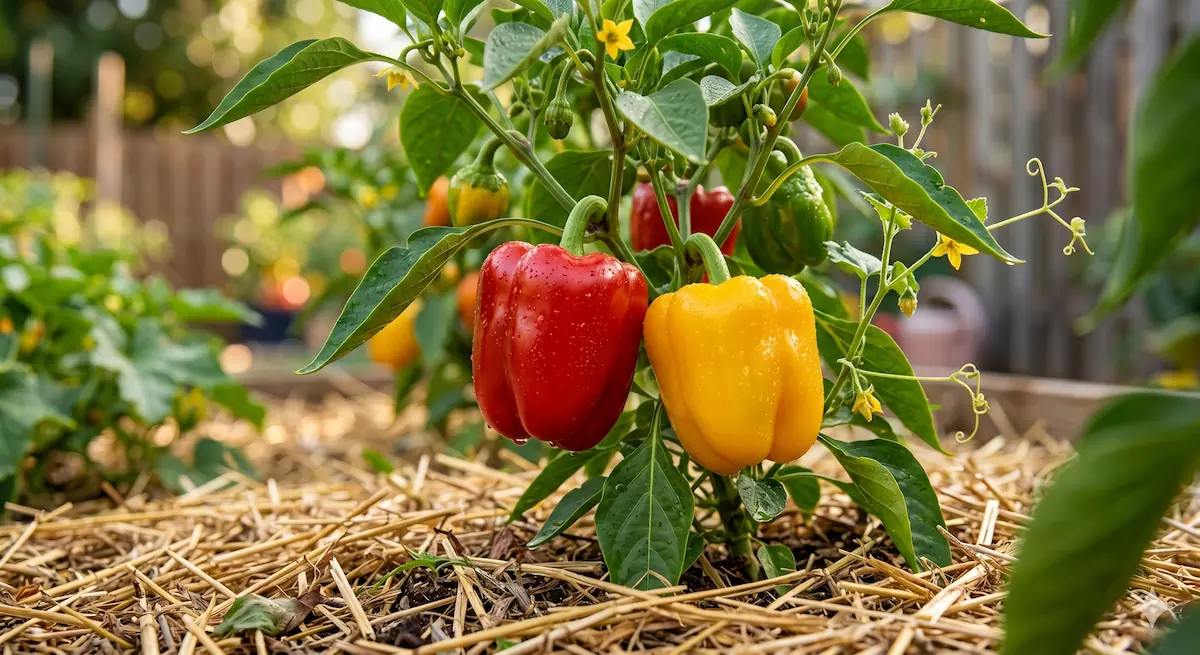
A complete guide to growing sweet peppers: from temperature requirements to watering secrets. Learn how to protect peppers from sunscald and choose the best neighbors.
Sweet or bell pepper is a heat-loving crop that requires special attention to temperature and humidity. Unlike tomatoes, peppers have a long growing season and a very sensitive root system, making their placement in the garden a true art.
Temperature Control and Sunscald
Peppers adore warmth, but excessive heat can be fatal. It is crucial to find a balance between light and protection:
- Sunscald: When temperatures rise above 30 degrees Celsius, pepper fruits exposed to direct rays may develop white spots — these are burns. On such days, plants require light shading.
- Temperature Shock: Peppers stop growing if night temperatures drop below 15 degrees Celsius. Use mulching to retain daytime heat in the soil throughout the night.
Secrets to Proper Watering
The root system of the pepper is located close to the surface, so it does not tolerate even short-term drought:
- Frequency: Watering should be regular and in small portions. If the pepper experiences a moisture deficit, it may drop its flowers and already formed ovaries.
- Water Quality: Like cucumbers, peppers strictly dislike cold water. Use only settled water at room temperature, watering exclusively at the root.
Compatibility and Smart Planning
Peppers are very picky about their neighbors. By using AgroPlanner, you can avoid mistakes when placing crops:
- Best Partners: Basil (improves fruit flavor and repels pests), tomatoes (have similar care requirements), and onions.
- Poor Neighbors: Do not plant fennel or beans near peppers, as they can inhibit growth. Also, avoid proximity to hot peppers to prevent cross-pollination, which can make sweet fruits spicy.
To obtain large fruits, it is important to remove the "crown" flower — the one that appears in the first branching of the stem. This encourages the plant to direct its energy toward developing the bush and forming many subsequent fruits.
AgroPlanner App
Realize your dream garden: check plant compatibility, sun/shade needs, and save your plan easily.

Disclaimer
Important! All information in this blog is for recommendation purposes only. We are developers and enthusiasts, not certified agronomists. Results may vary based on your region, soil type, and weather. We are not responsible for potential errors or crop failures. Please verify critical advice independently!
Found this helpful? Share with friends!
Read more
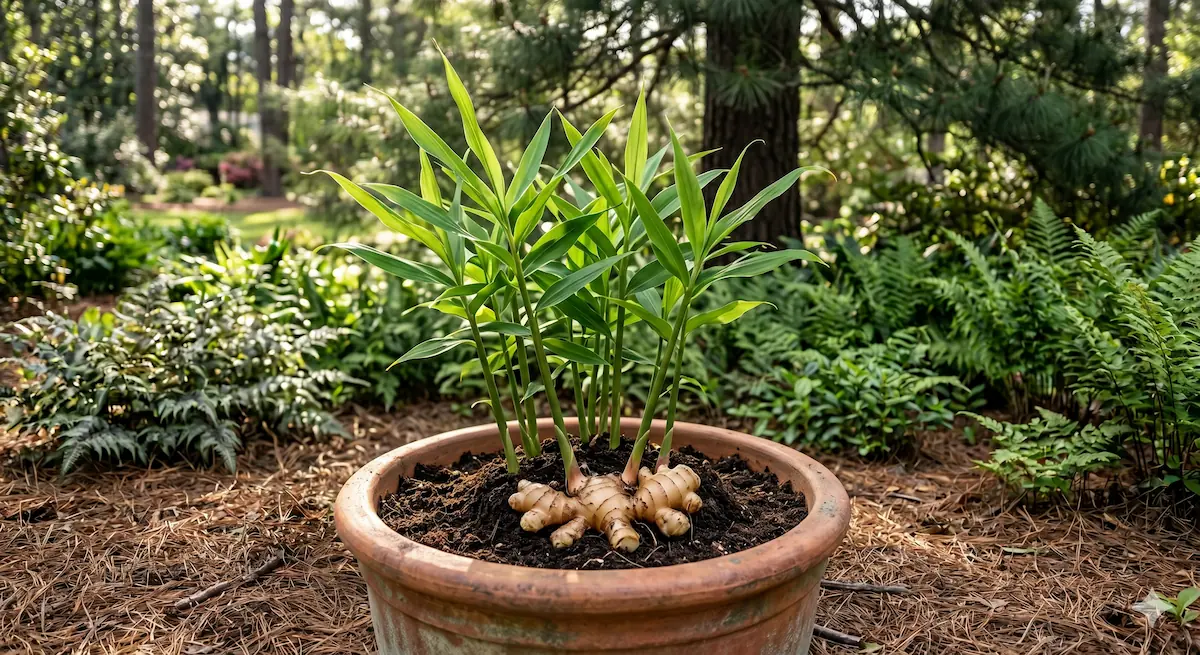
Ginger: How to Successfully Grow the Exotic Root at Home
Growing your own ginger is easier than it looks. Learn about its soil needs, why it fears direct sun, and which plants make its best companions.
Read more →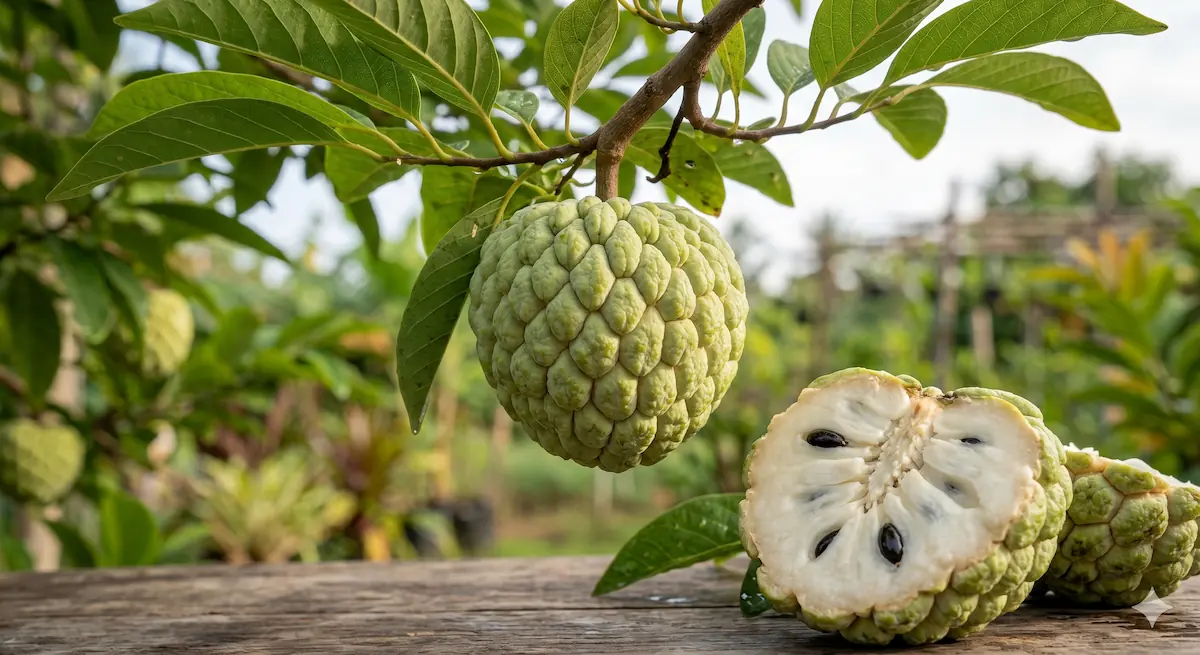
Sugar Apple (Annona): A Creamy Dessert on Your Windowsill
Sugar Apple is a fruit that tastes like vanilla custard. Learn how to create a tropical environment at home, which soil fits Annona best, and why it fears drafts more than frost.
Read more →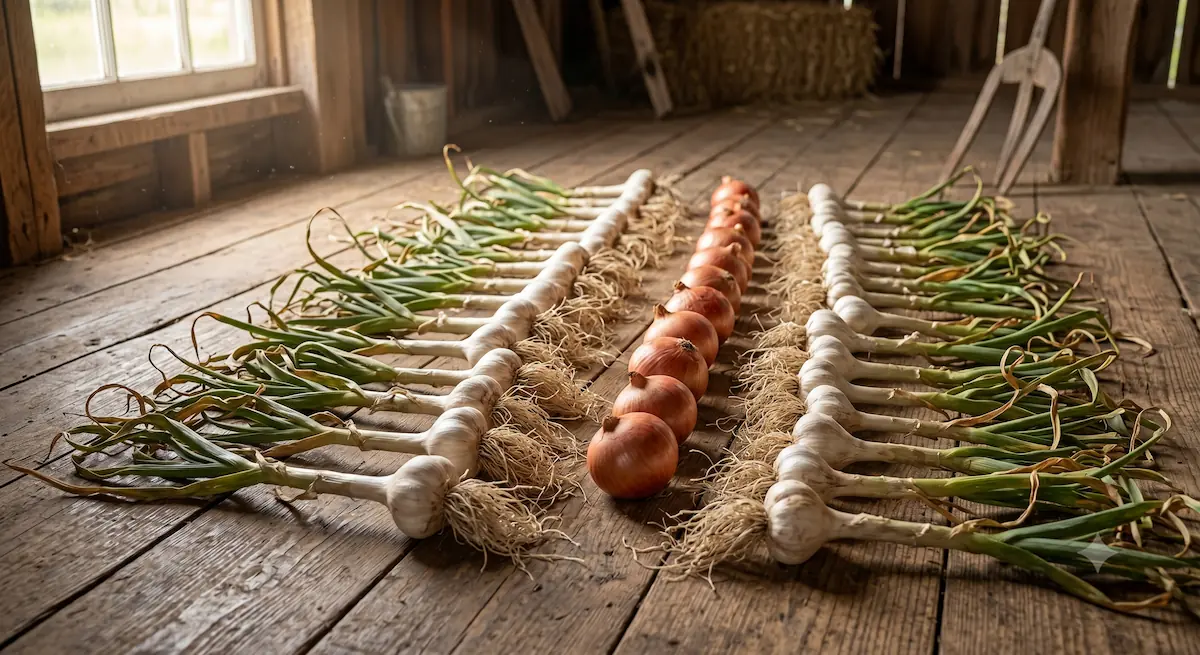
When to Harvest and How to Properly Cure Garlic and Onions in Summer
If you harvest garlic or onions too late, they won't store well through winter. Discover signs of ripeness and proper drying secrets.
Read more →