
Growing Apricots: A Guide to Sun-Kissed Fruit in Your Garden
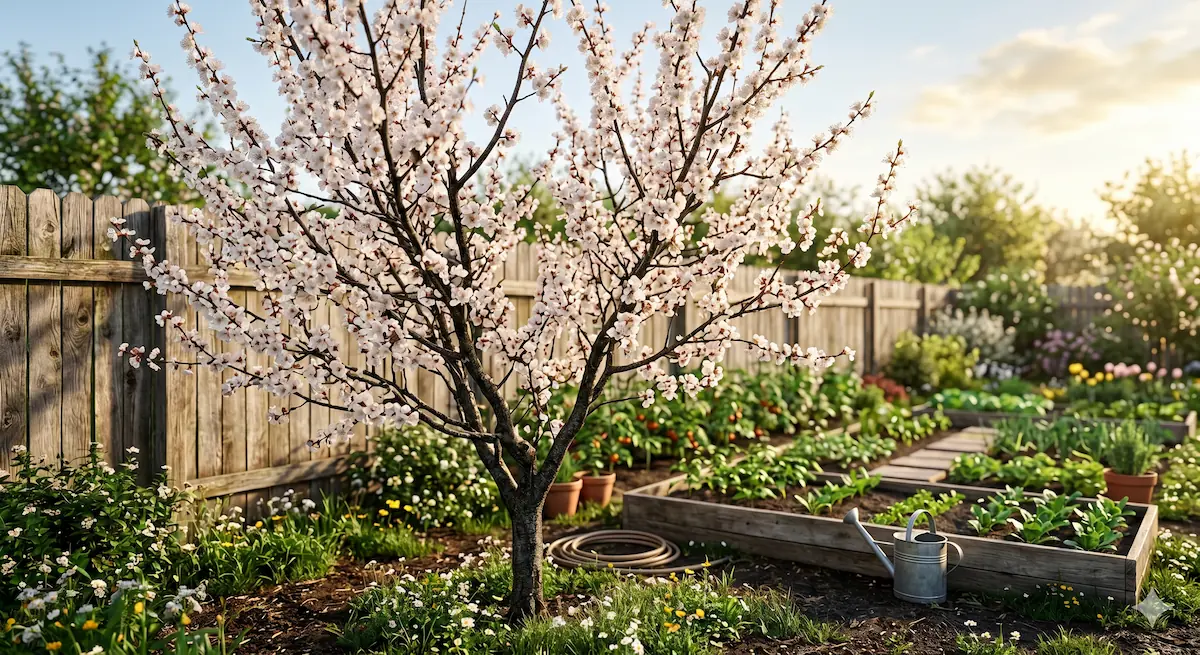
Secrets to successful apricot cultivation: from choosing a sunny spot to protecting blossoms from spring frosts and finding the perfect neighbors.
The apricot tree is often the first to welcome spring with its incredible blossoms. However, for many gardeners, it remains a "fussy" guest: blooms freeze, or fruits drop prematurely. The secret to success lies not only in care but in proper site planning on your plot.
Where to Plant an Apricot Tree?
Apricots are huge fans of the sun. They need the warmest spot in the garden, sheltered from northern winds. Ideally, the tree should be shielded on the north side by a wall or a solid fence—these structures accumulate heat during the day and release it to the tree at night.
Soil Requirements (AgroPlanner Type)
Apricots cannot tolerate standing water. In our planner, they perform best on Sandy Loam (Type 2) or light Loam (Type 1). Deep groundwater is a must; otherwise, the roots will begin to rot within a few years.
Friends and Enemies of the Apricot
When planning your orchard in AgroPlanner, pay attention to companionship:
- Best Neighbors: Other stone fruits like peaches or cherry plums. They share similar spraying schedules and nutrient needs.
- Who to Avoid: Do not plant an apricot near a Walnut tree. We already know about its powerful toxic radius, and apricots are highly sensitive to juglone. Also, keep the tree away from raspberries and currants, which can share common fungal diseases.
AgroPlanner Tip: Apricots bloom very early, often falling victim to late spring frosts. If the forecast predicts freezing temperatures while the tree is in bloom, try "smudging" (creating smoke screens) or heavily watering the ground under the canopy. Moist soil freezes slower and releases heat upwards, which might save those crucial few degrees for your future harvest.
AgroPlanner App
Realize your dream garden: check plant compatibility, sun/shade needs, and save your plan easily.

Disclaimer
Important! All information in this blog is for recommendation purposes only. We are developers and enthusiasts, not certified agronomists. Results may vary based on your region, soil type, and weather. We are not responsible for potential errors or crop failures. Please verify critical advice independently!
Found this helpful? Share with friends!
Read more
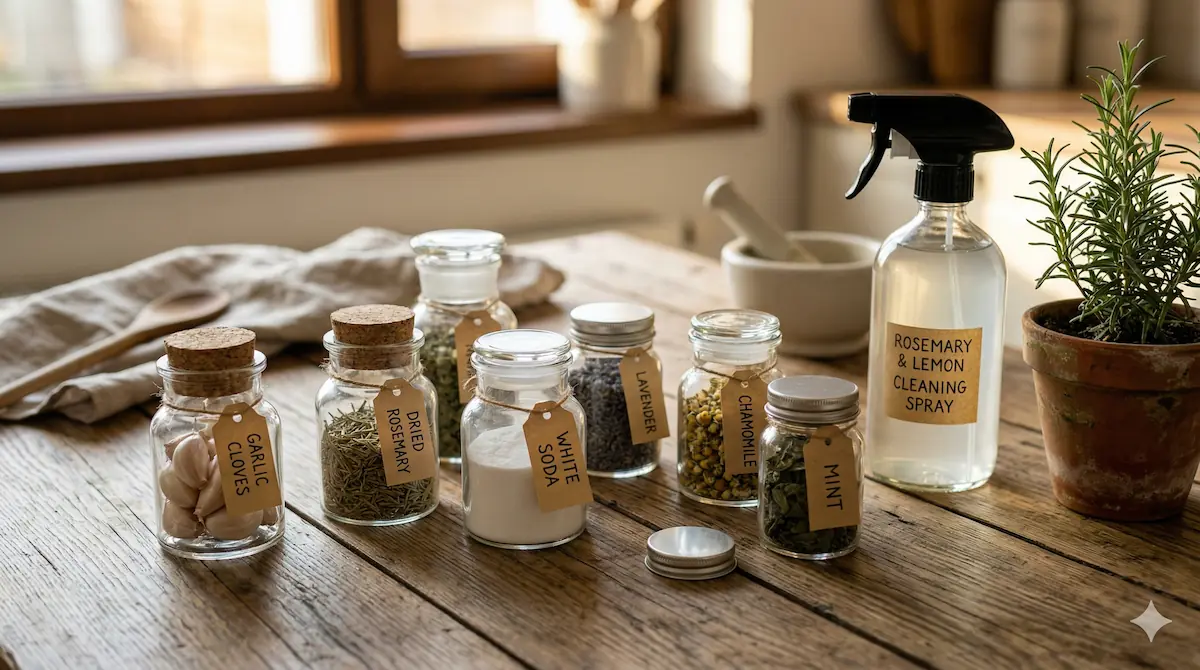
Gardener's Natural First Aid Kit: 5 Remedies to Replace Harsh Chemicals
How to treat plants if you're against pesticides? Discover proven folk and biological methods for disease control.
Read more →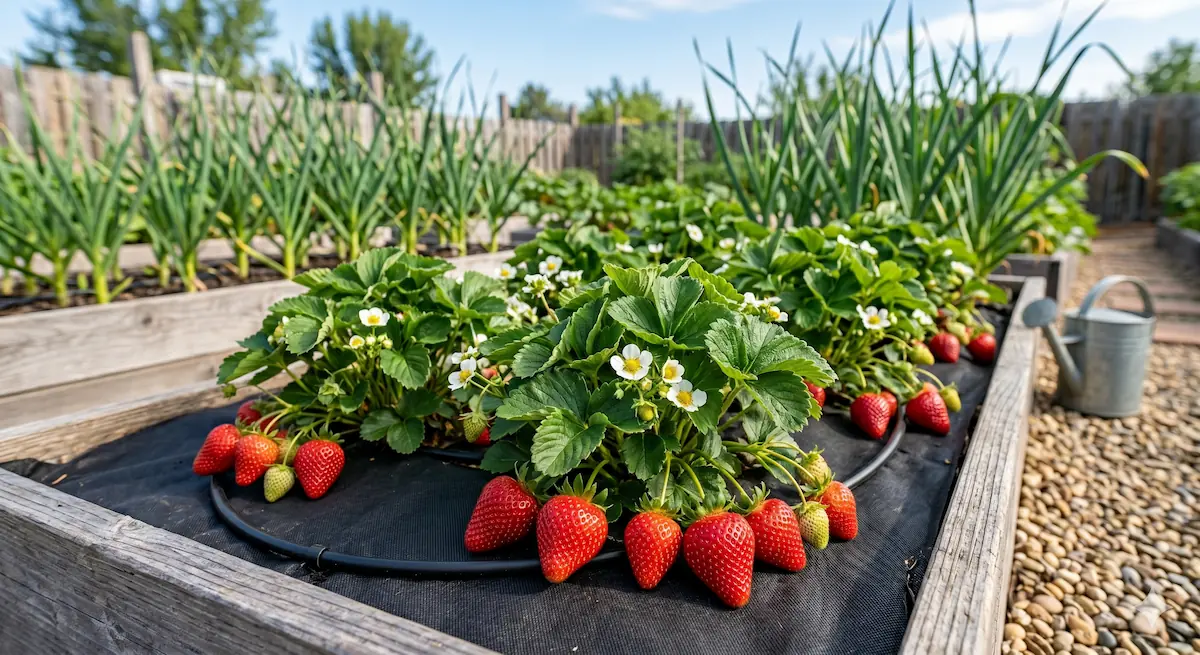
"Albion" Strawberry: Harvesting Four Times a Year
"Albion" is a variety that bears fruit 3–4 times a summer. Learn how to choose the right soil for large berries and why planting near raspberries is a fatal mistake.
Read more →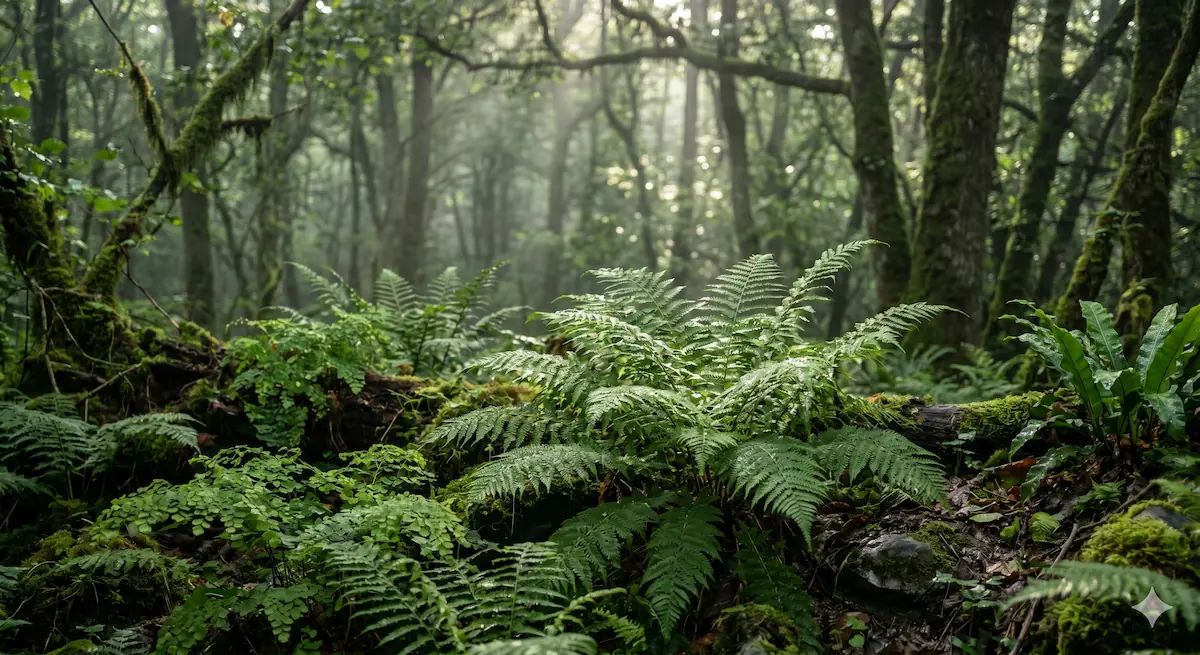
Ferns: The Magic of a Shaded Garden
Ferns are ancient plants perfect for spots where nothing else grows due to lack of sun. Learn how to provide humidity, what soil makes the fronds lush, and why they are the best companions for coffee trees.
Read more →