
Ferns: The Magic of a Shaded Garden
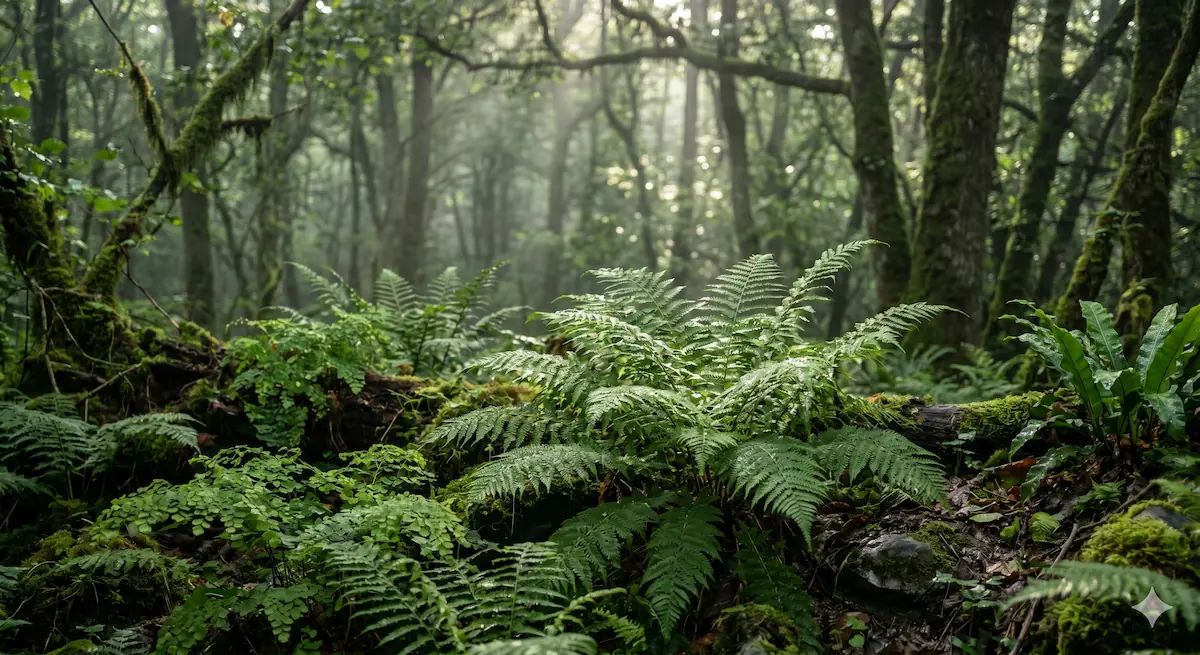
Ferns are ancient plants perfect for spots where nothing else grows due to lack of sun. Learn how to provide humidity, what soil makes the fronds lush, and why they are the best companions for coffee trees.
Ferns are unique plants that lack flowers but captivate with their lacy foliage (fronds). They are ideal for the north side of buildings, the base of large trees, or damp lowlands. In the garden, ferns create a primeval forest atmosphere and help retain soil moisture, protecting it from drying out.
Soil: Where Does the Fern Unfurl Its Fronds?
Most ferns love light, acidic soil with plenty of leaf litter or peat.
- Best Choice: Fertile Sandy soils (Type 2) with high organic content.
- Soil Check: Perform the sausage test. If the soil crumbles in your hands (Type 2), it's perfect: fern roots need oxygen and no stagnant water.
Best Companions (Good)
- Hostas: Create a lush decorative duo together.
- Coffee Tree: If growing coffee indoors, a nearby fern helps maintain the necessary humidity. Check our coffee tree guide.
- Blueberries: Both love acidic soil and partial shade.
Main Enemies (Bad)
- Walnut Trees: Walnut juglone is the number one enemy. Ferns are very sensitive to this toxin.
- Direct Sun: In full sun, delicate fern fronds quickly "burn," turning brown and drying out.
- Drafts: Constant movement of dry air dehydrates the plant faster than you can water it.
AgroPlanner Tip: Ferns are humidity indicators. In our app, they occupy a 2x2 grid in the shaded sector. The system will check the shade level and definitely flag the walnut toxic zone in red to keep your forest corner healthy.
AgroPlanner App
Realize your dream garden: check plant compatibility, sun/shade needs, and save your plan easily.

Disclaimer
Important! All information in this blog is for recommendation purposes only. We are developers and enthusiasts, not certified agronomists. Results may vary based on your region, soil type, and weather. We are not responsible for potential errors or crop failures. Please verify critical advice independently!
Found this helpful? Share with friends!
Read more
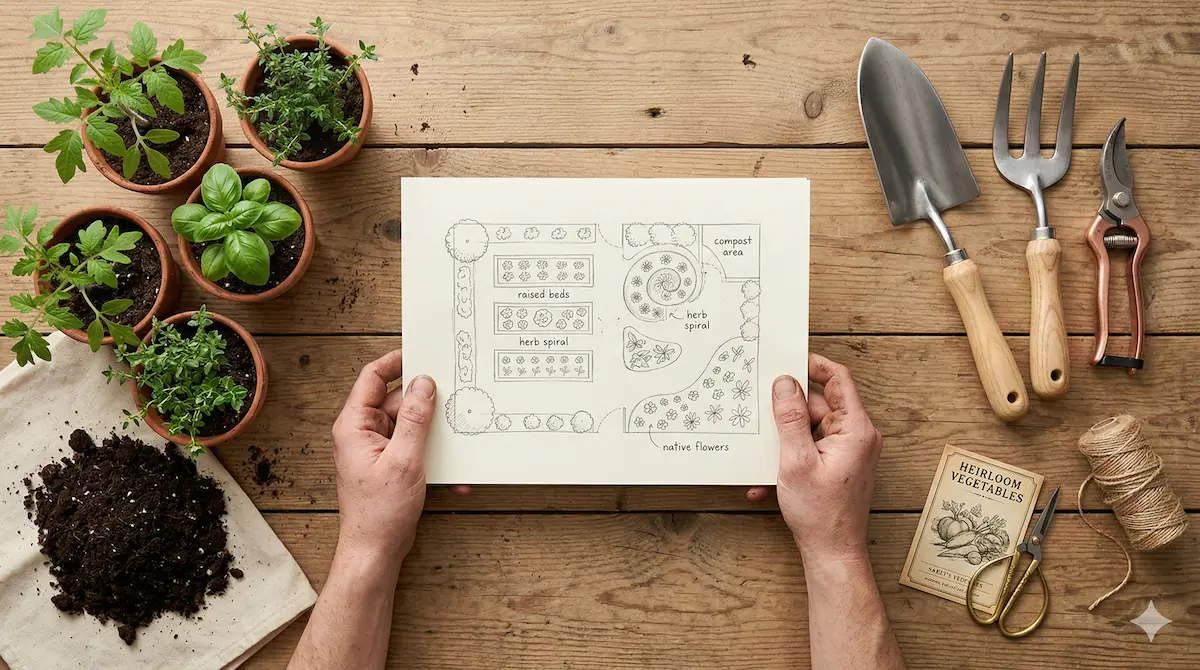
3 Major Mistakes When Planning Garden Beds in Spring
Find out why your garden isn't yielding the expected harvest and how to avoid common planting mistakes.
Read more →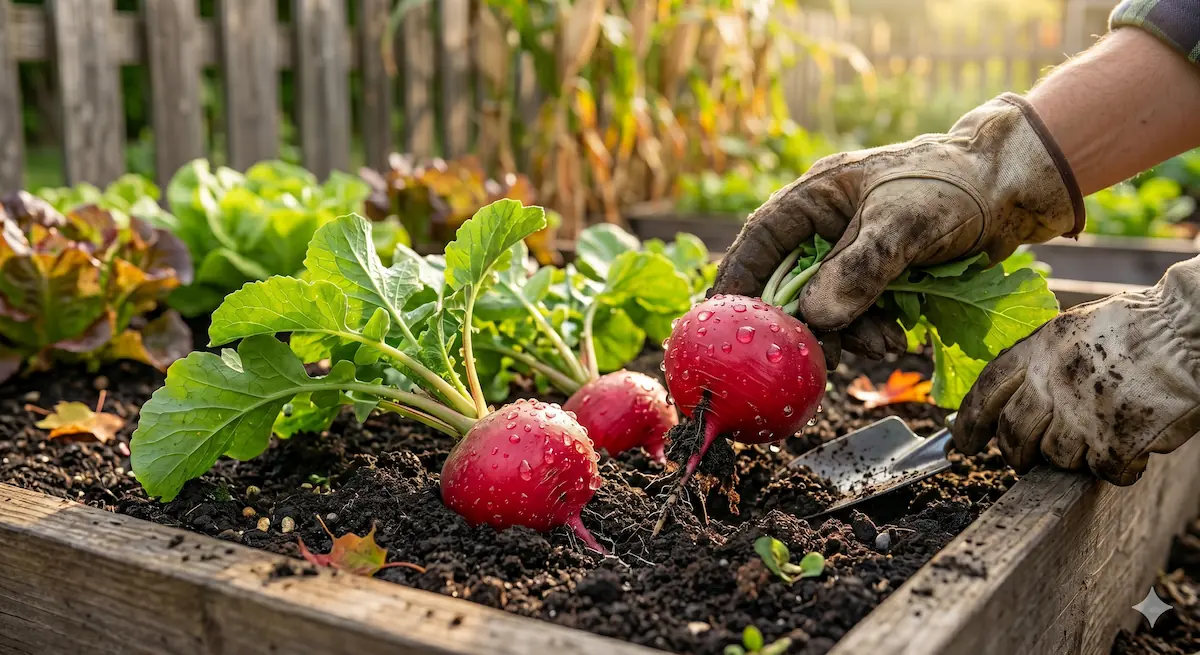
Radishes: How to Get Your First Vitamin Harvest in 25 Days
Secrets to growing crunchy radishes: from soil selection to ideal companionship. Learn how to get a quick harvest and why radishes dislike deep shade.
Read more →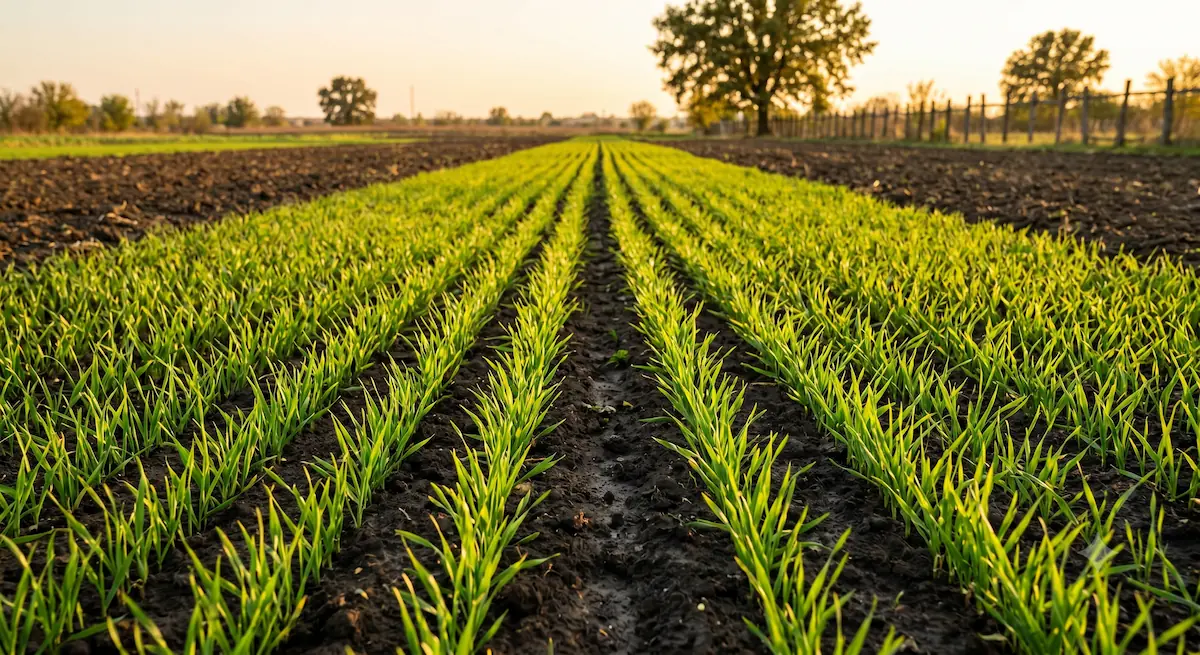
Autumn Green Manures: Which Crops to Sow Before Winter for Perfect Soil
Late summer is the ultimate window to sow winter cover crops. Breakdown of rye, oats, and vetch traits to heal and prep soil for spring.
Read more →