
"Albion" Strawberry: Harvesting Four Times a Year
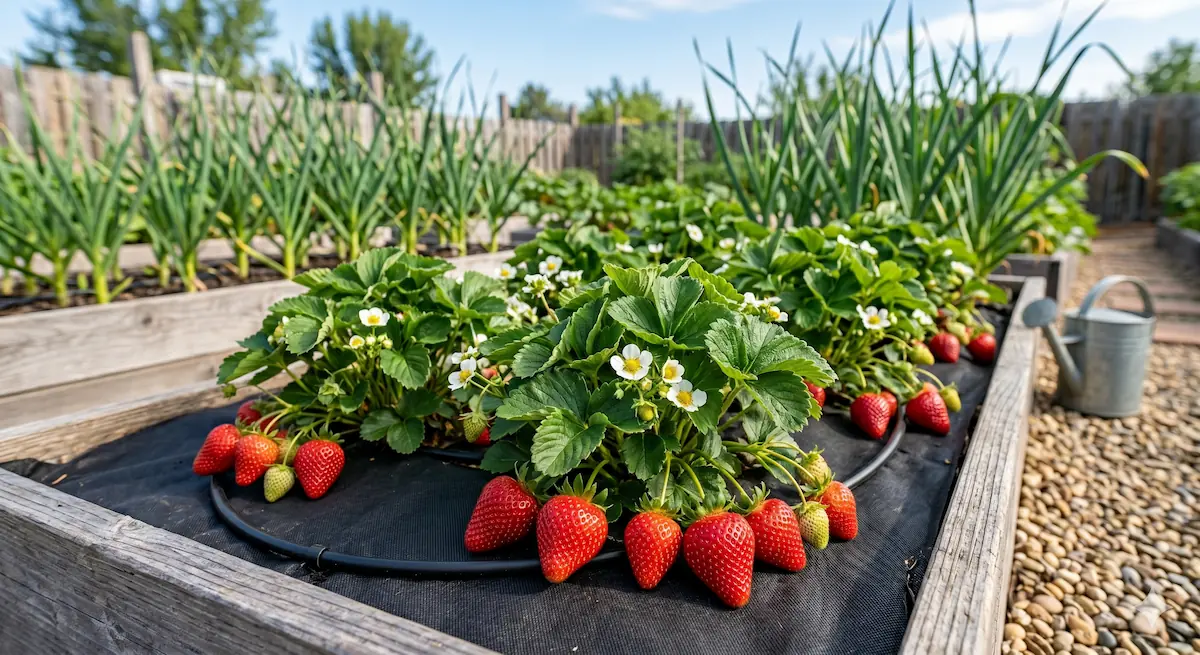
"Albion" is a variety that bears fruit 3–4 times a summer. Learn how to choose the right soil for large berries and why planting near raspberries is a fatal mistake.
The "Albion" variety is a true breakthrough. Unlike regular strawberries that finish in two weeks, this one works like a conveyor belt. "Albion" berries are large, very firm (ideal for transport), and retain a rich aroma even into the autumn months.
Soil: Where Does "Albion" Find Its Strength?
Since this strawberry fruits almost continuously, it depletes soil nutrients rapidly. The earth must be exceptionally fertile.
- Best Choice: Fertile Loamy soils (Type 1).
- Soil Check: Use the sausage test. A cracking ring (Type 1) is ideal: it holds moisture for juicy berries while allowing roots to breathe. On pure sand (Type 2), berries will be small and sour due to lack of nutrients.
Best Bed Buddies (Good)
- Garlic and Onions: Natural "bodyguards." Their phytoncides protect Albion from gray mold, a major issue for this variety during rainy spells.
- Marigolds: Planted between rows, they kill nematodes that often attack the roots.
- Spinach and Lettuce: They coexist perfectly, providing light shade for the soil to prevent the strawberry roots from overheating.
Main Enemies (Bad)
- Raspberries: Taboo #1. They share the strawberry-raspberry weevil. Raspberries will simply "pass" this pest to your strawberries.
- Cabbage: They compete for potassium and will stunt each other's growth.
- Nightshades (Potatoes, Tomatoes): Can infect strawberries with Verticillium wilt.
AgroPlanner Tip: "Albion" grows in compact bushes. In our app, each plant occupies a 1x1 grid. The system will flag a **conflict with raspberries** in red. Do not ignore this! Also, use straw or landscape fabric mulching to keep your recurring harvest from rotting on the ground.
AgroPlanner App
Realize your dream garden: check plant compatibility, sun/shade needs, and save your plan easily.

Disclaimer
Important! All information in this blog is for recommendation purposes only. We are developers and enthusiasts, not certified agronomists. Results may vary based on your region, soil type, and weather. We are not responsible for potential errors or crop failures. Please verify critical advice independently!
Found this helpful? Share with friends!
Read more
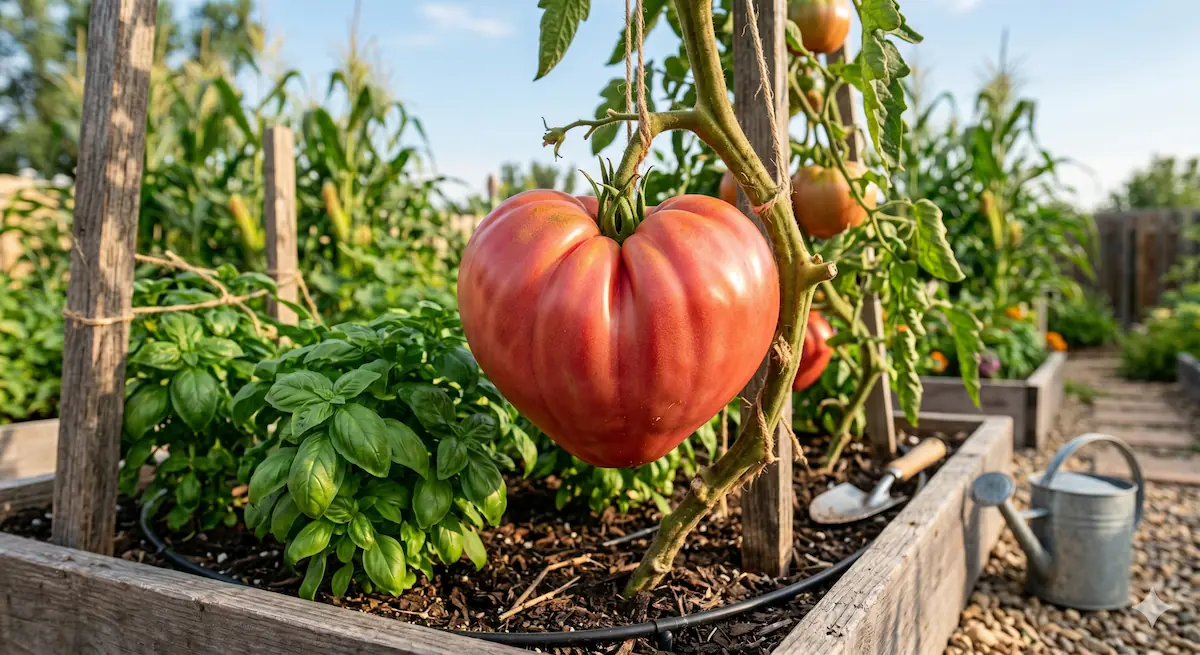
"Bull's Heart" Tomato: How to Grow the Sweet Giant
"Bull's Heart" is the gold standard for home-grown tomatoes. Learn how to prepare the soil for these giants, find their best companions, and avoid late blight.
Read more →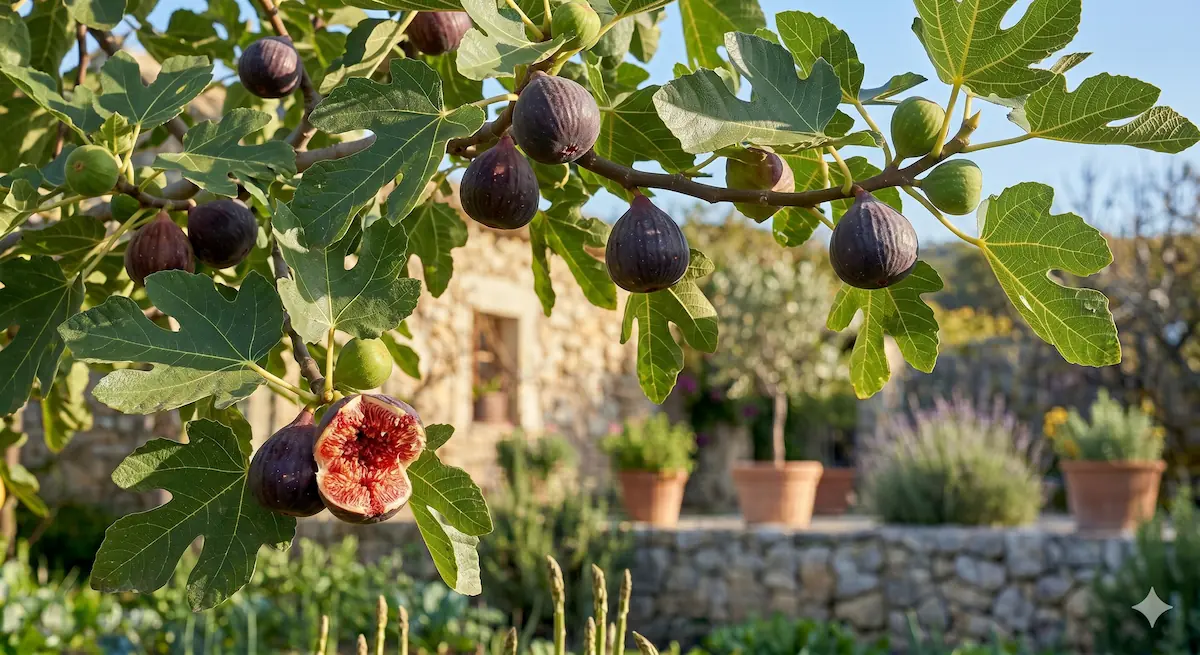
Fig: How to Grow "Wine Berries" in Your Plot or Container
Figs are a symbol of wisdom and the sweet life. Learn how to protect them from frost, why they love restricted root space, and how to get two harvests per season.
Read more →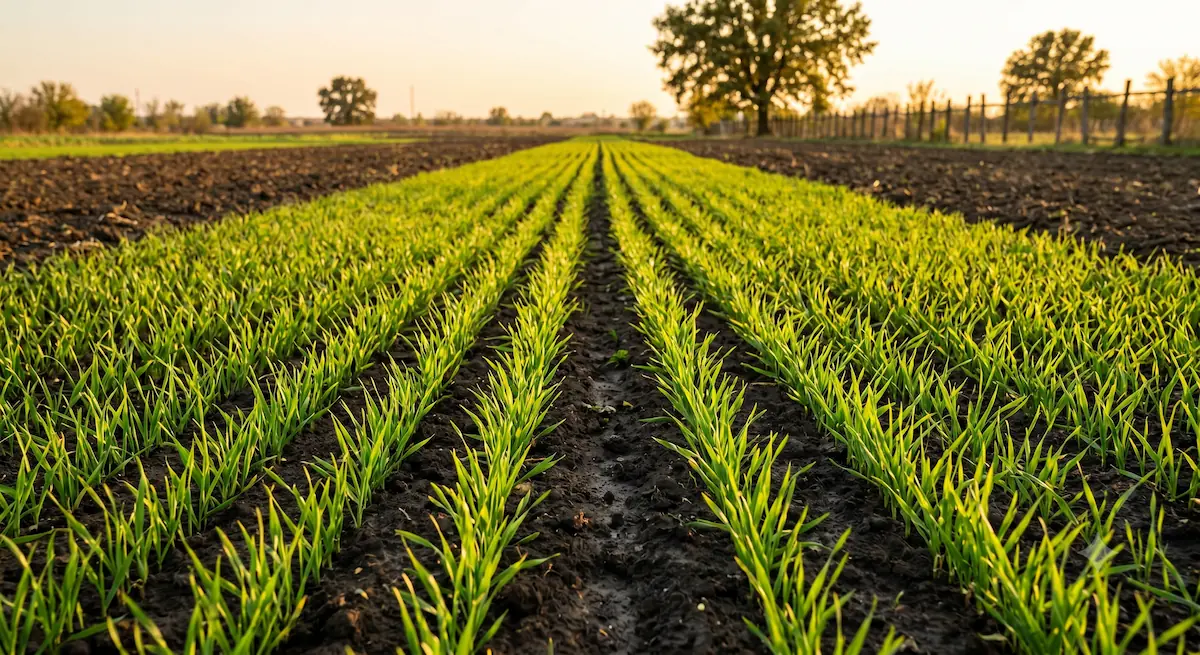
Autumn Green Manures: Which Crops to Sow Before Winter for Perfect Soil
Late summer is the ultimate window to sow winter cover crops. Breakdown of rye, oats, and vetch traits to heal and prep soil for spring.
Read more →