
Autumn Green Manures: Which Crops to Sow Before Winter for Perfect Soil
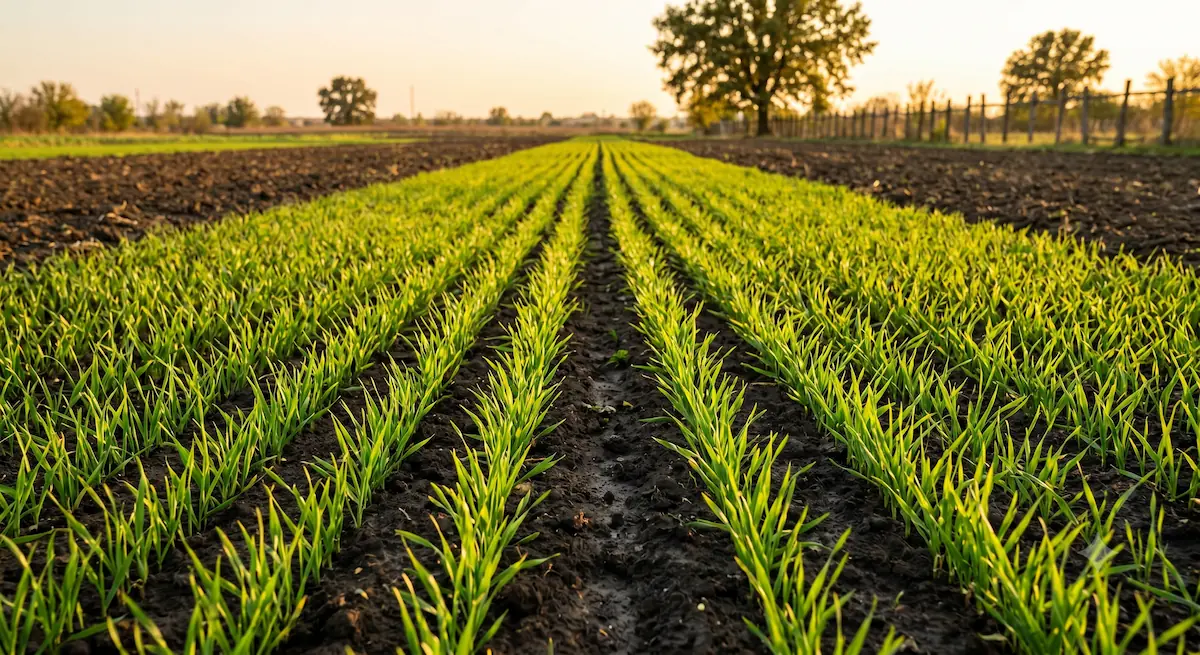
Late summer is the ultimate window to sow winter cover crops. Breakdown of rye, oats, and vetch traits to heal and prep soil for spring.
Sowing green manures in late summer and autumn (August-September) is one of the most critical stages of preparing your garden plot for the upcoming season. Unlike fast summer cover crops that are chopped down after a month, autumn winter green manures have a completely different task. They remain on the bed through winter, shielding the earth from deep freezing, locking in snow, and converting into lush organic matter come spring.
1. Core Tasks of Winter Cover Crop Complexes
Autumn rains and melting spring snow wash an enormous volume of useful macronutrients, especially nitrogen and potassium, out of the topsoil layer. The roots of winter green manures reliably "lock" these elements inside themselves, preventing them from washing down into deep groundwater. In spring, following biomass decomposition, all nutrients return to vegetables in a highly bioavailable form, which is superior to standard mineral fertilizers covered in our NPK fertilizers guide.
2. The Difference Between Cereal and Legume Autumn Green Manures
Cereal crops (winter rye, oats) possess an incredibly dense, fibrous root network that structures the earth better than any mechanical cultivator. They are irreplaceable in heavy clay sectors. Legumes (winter vetch, field peas) are free nitrogen factories. The best effect is achieved by utilizing mixes: for instance, a vetch-oat or rye-vetch complex.
3. Table Comparing the Best Autumn Green Manures for Winter (Good)
| Green Manure | Which Major Soil Issue Does It Solve? | What to Do with It in Spring? |
|---|---|---|
| Winter Rye | Aggressively chokes out all perennial weeds (even quackgrass) from the bed and structures dense clay. | In early spring, slice roots with a hoe 2-5 cm deep before large stalks begin to extend. |
| Winter Oats | Enriches the earth with potassium and works as a natural antiseptic, cleaning soil from root rot strains. | Usually winterkills completely, forming a ready layer of protective mulch shield in spring. |
| Winter Vetch | Accumulates massive volumes of light nitrogen. An outstanding predecessor for demanding tomatoes. | Till or incorporate into the topsoil layer 2 weeks prior to transplanting your main seedlings. |
4. Hazardous Autumn Cultivation Mistakes (Bad mistakes)
- Delaying rye sowing: Winter rye must have enough time before stable frost events to develop a bush 10-15 cm high. If sown too late (late November), seeds simply rot in cold, soggy ground. The optimal window is September.
- Deep plowing of green manure in spring: If you bury green mass deeply with a plow (20-30 cm), it turns into a sour silage layer underground without oxygen access, poisoning future vegetable roots.
AgroPlanner Tip: Never sow winter cereal green manures where sweet corn is planned for next year — they share identical nutritional demands. Use our planner to layout your autumn patch cover maps perfectly!
AgroPlanner App
Realize your dream garden: check plant compatibility, sun/shade needs, and save your plan easily.

Disclaimer
Important! All information in this blog is for recommendation purposes only. We are developers and enthusiasts, not certified agronomists. Results may vary based on your region, soil type, and weather. We are not responsible for potential errors or crop failures. Please verify critical advice independently!
Found this helpful? Share with friends!
Read more
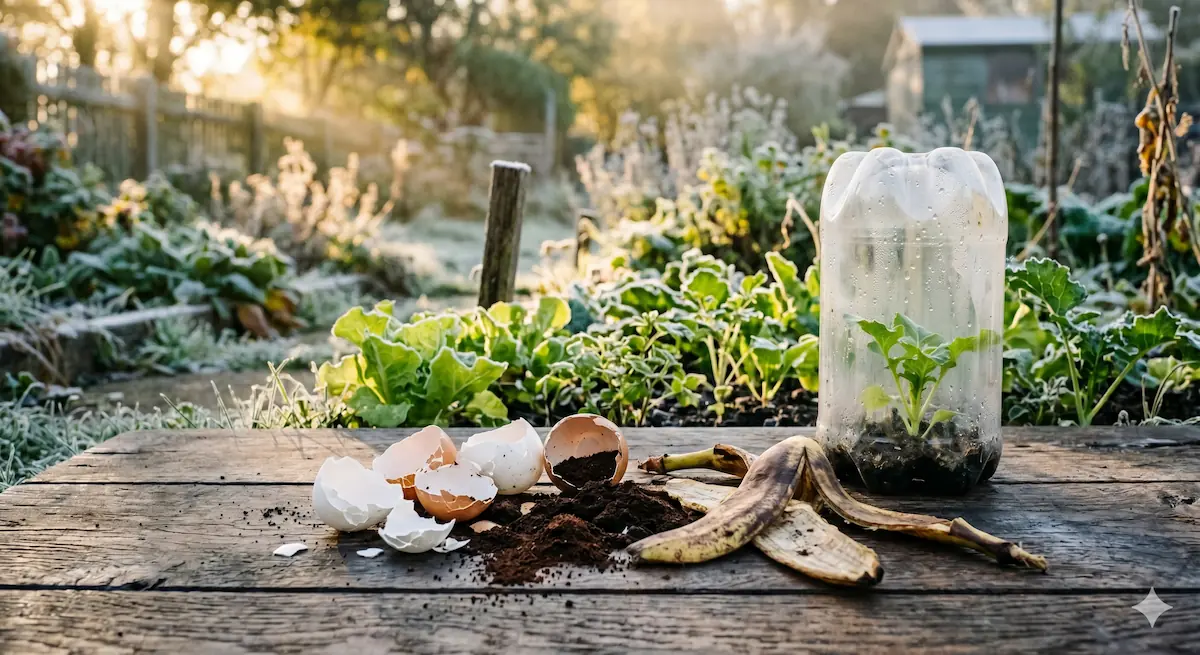
Homemade Kitchen Fertilizers: Feed Your Garden with What You Usually Throw Away
Why buy expensive chemicals? Discover how to turn coffee grounds, eggshells, and onion skins into super-fertilizers for a bountiful and organic harvest.
Read more →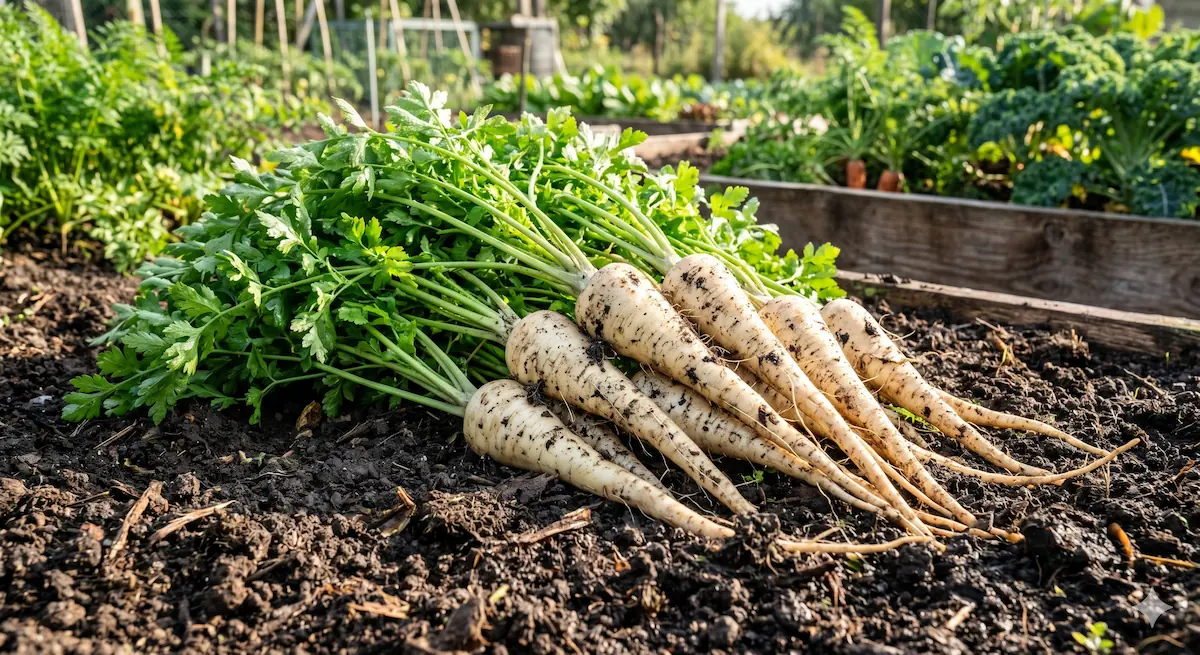
Parsnip: The Sweet Root with a Nutty Aroma
Parsnips are a true superfood that tastes like a mix of carrot and celery. Learn why they fear no frost, how to prepare the soil for long roots, and why their leaves can be tricky in the sun.
Read more →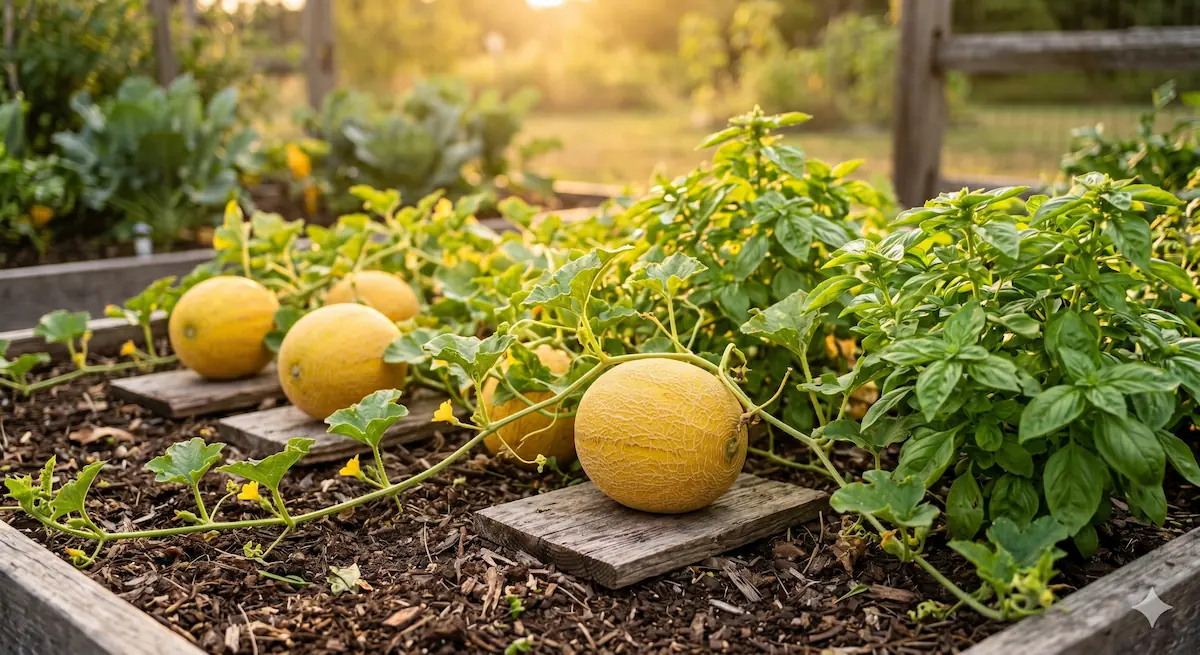
Melon Companion Planting: Guide to a Honey-Sweet Harvest
Melons are vulnerable to fungal infections. Discover 8 companion plants that protect the patch from diseases, attract bees, and preserve the flavor.
Read more →