
Parsnip: The Sweet Root with a Nutty Aroma
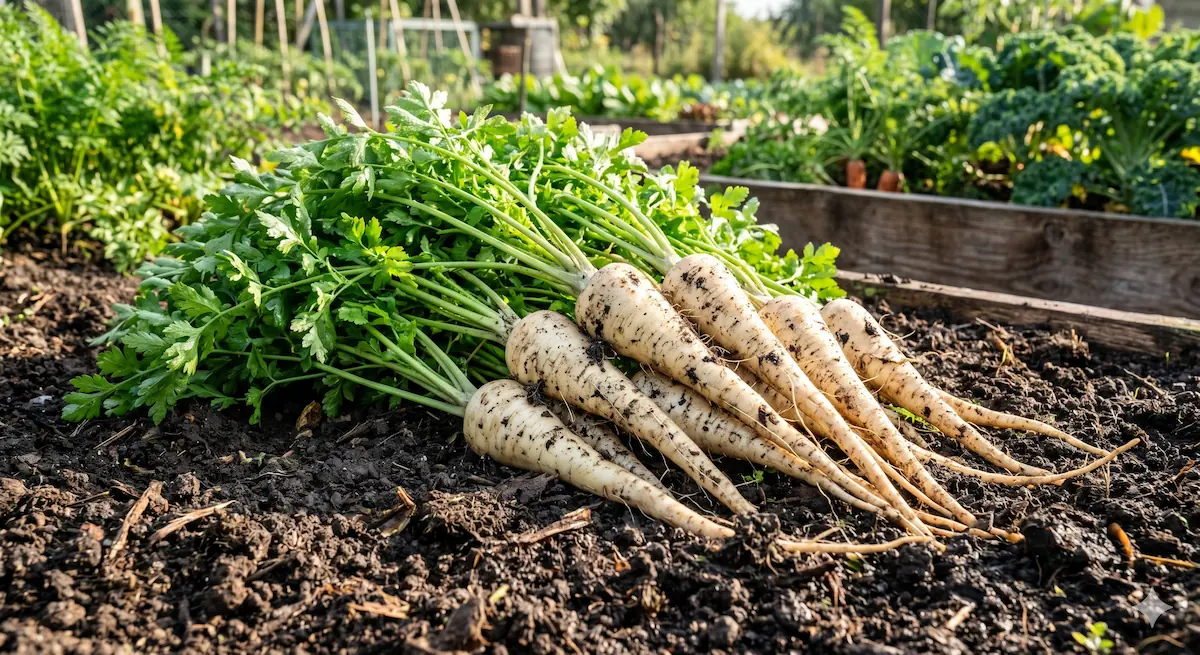
Parsnips are a true superfood that tastes like a mix of carrot and celery. Learn why they fear no frost, how to prepare the soil for long roots, and why their leaves can be tricky in the sun.
The Parsnip (Pastinaca sativa) is a biennial plant grown as a root vegetable. It is much sweeter than a carrot and has a unique spicy aroma. The main advantage of parsnips is their incredible frost resistance. You can leave the roots in the ground all winter, and in the spring, they will be even sweeter as starch converts to sugar under low temperatures.
Soil: Where Does the Parsnip Grow Straight and Large?
To form a long and straight root, parsnips need deeply cultivated, stone-free earth.
- Best Choice: Fertile Loamy soils (Type 1) or light Sandy soils (Type 2) with a deep topsoil layer.
- Soil Check: Perform the sausage test. If the soil rolls into a flexible stick (Type 1), it’s ideal: the ground will retain the moisture needed for a juicy root.
Best Companions (Good)
- Onions and Garlic: Protect against the carrot fly.
- Lettuce and Spinach: Grow quickly in rows and can be harvested before the parsnip gains significant size.
- Beans: Enrich the soil with nitrogen. Check our bean planting and care guide for more details.
Main Enemies (Bad)
- Walnut Trees: Walnut juglone stunts root development, making them small and flavorless.
- Celery: Shares common pests and diseases; keep them distanced. Read our celery growing guide.
- Fresh Manure: Causes the root to fork ("hairy roots") and reduces storage quality.
AgroPlanner Tip: Be careful with parsnip leaves on sunny days — they release essential oils that can cause skin burns. In our app, parsnip occupies a 1x1 grid. The system will definitely flag the walnut toxic zone in red to ensure your white roots grow healthy and delicious.
AgroPlanner App
Realize your dream garden: check plant compatibility, sun/shade needs, and save your plan easily.

Disclaimer
Important! All information in this blog is for recommendation purposes only. We are developers and enthusiasts, not certified agronomists. Results may vary based on your region, soil type, and weather. We are not responsible for potential errors or crop failures. Please verify critical advice independently!
Found this helpful? Share with friends!
Read more
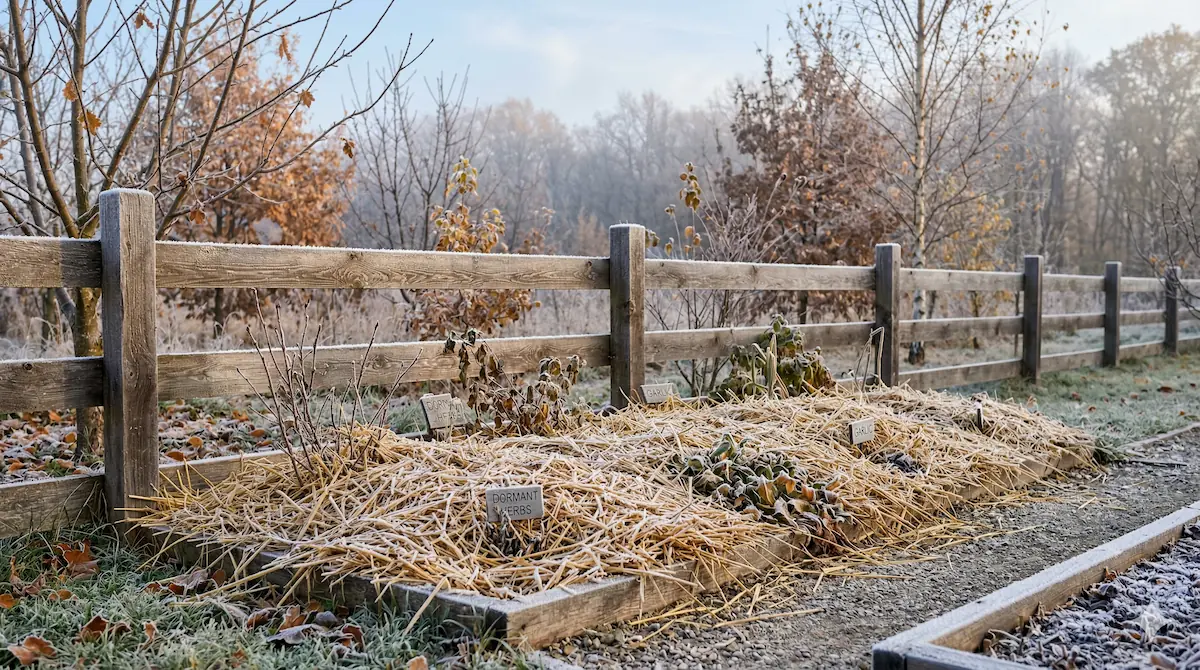
Winter is Coming: How to Properly "Conserve" Your Garden
The season doesn't end when the last vegetable is picked, but when the land is ready for rest. An essential autumn checklist.
Read more →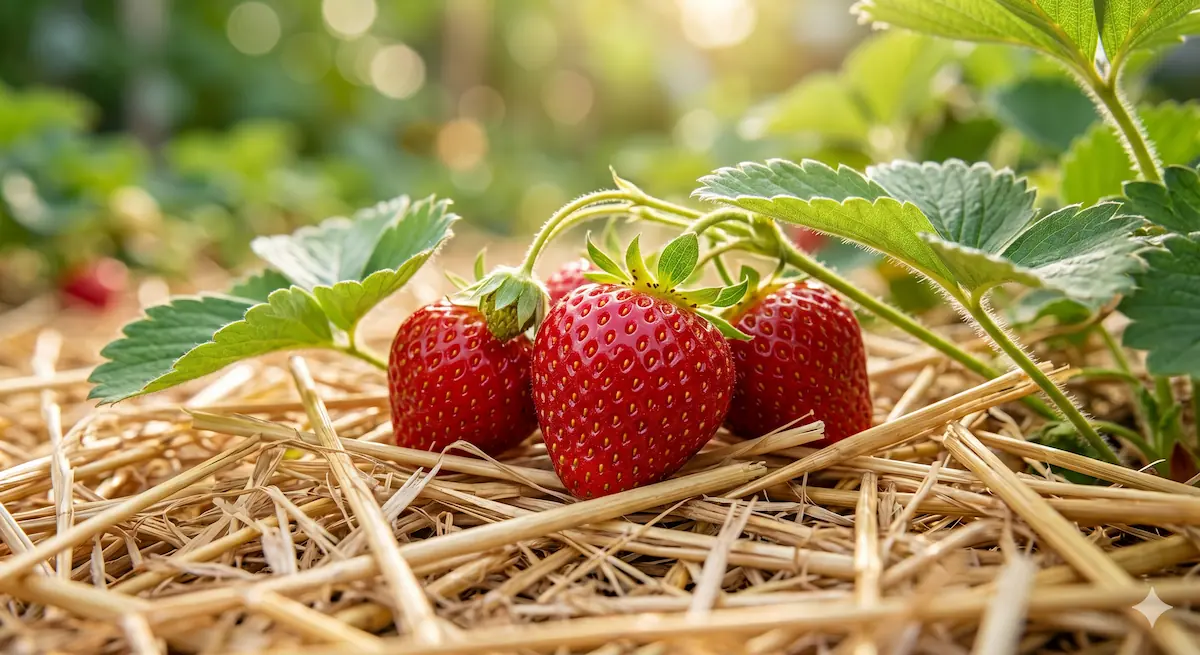
The Garden Queen Strawberry: Secrets to a Sweet and Large Harvest
Tips for growing strawberries: from mulching to proper watering. Learn how to protect berries from rot and pests using smart garden planning.
Read more →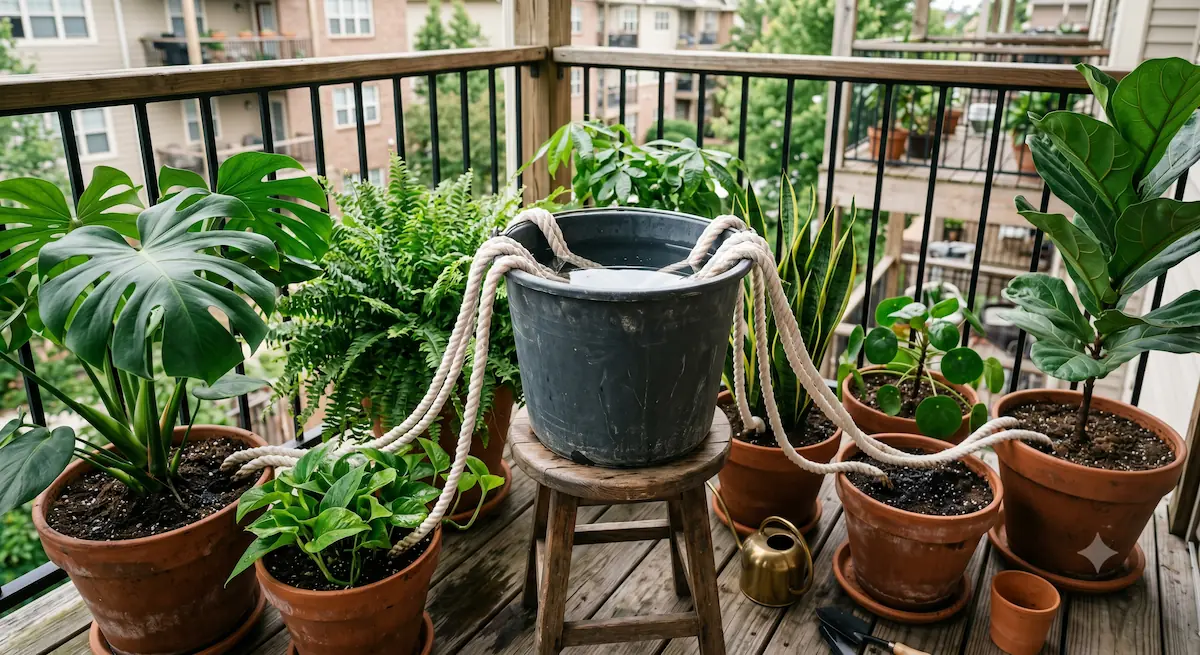
How to Water Your Garden and Flowers While on Vacation: 5 Summer Hacks
Going on vacation in summer but worried about your plants? Learn how to set up simple automatic watering systems without spending money.
Read more →