
The Battle for Cabbage: How to Protect Your Harvest from Slugs and Aphids Naturally
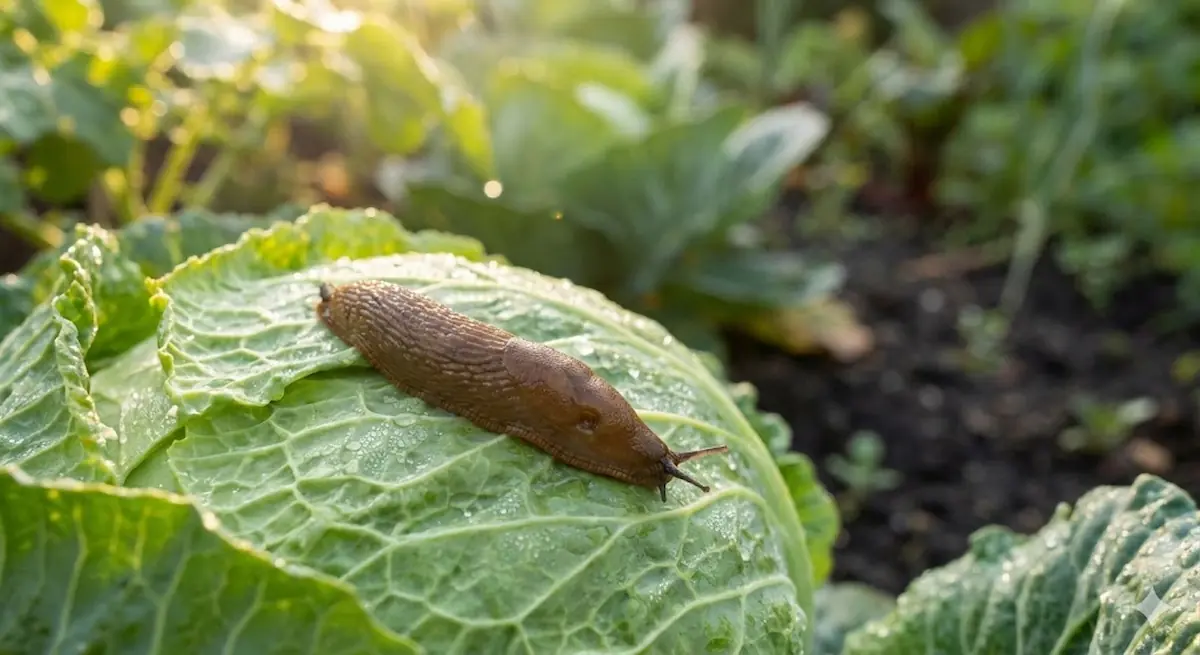
Organic and effective methods to fight cabbage's main enemies. Learn how to save your harvest from slugs and aphids using homemade remedies and smart companion planting.
Anyone who has ever planted cabbage knows the feeling: in the evening you admire the perfect green leaves, and in the morning you find "lace" made of holes or entire colonies of tiny pests. Cabbage is a real dessert for insects, so the battle for the harvest begins from the very first days after planting. Today we will figure out how to fight back against the two fiercest enemies — slugs and aphids.
Slugs: Night Saboteurs
Slugs love moisture and shade. They go "hunting" at night, so during the day you only see the result of their work — holes in the leaves and a sticky silvery trail. Here is how to stop them:
- Physical Barriers: Slugs have very delicate undersides. Sprinkle crushed eggshells, wood ash, or dry mustard on the ground around the cabbage. For them, it's like walking on broken glass — they simply won't be able to get to the cabbage head.
- Beer Traps: An old but effective method. Bury a small container (like a yogurt cup) in the ground so the rim is at soil level, and pour in some beer. Slugs will flock to the smell of malt and... well, you get the point. A morning collection is guaranteed.
Aphids: Small but Sneaky
If the cabbage leaves start to curl and become sticky — congratulations, you have aphids. They suck all the sap out of the plant, stopping its growth. It is better to fight them with gentle but regular methods:
- Soap Solution: Dissolve 300g of laundry soap (or 100ml of liquid soap) in 10 liters of water. Thoroughly spray the leaves on both sides. The soap film cuts off the pests' access to oxygen.
- Ash Infusion: Pour 10 liters of hot water over 2 cups of ash, and add a little soap for sticking. Let it sit for 24 hours and treat the plants once a week.
Secret Weapon: Smart Planning
The best defense is when pests don't want to enter your garden bed at all. Use the companion planting principles available in our AgroPlanner. Plant marigolds, dill, or basil next to your cabbage. Their strong scent confuses insects, making them fly past your cabbage to less clever neighbors.
Remember: consistency is your main ace. Treat your garden beds on time, and in the autumn, instead of "holey heads," you will harvest a strong and healthy crop!
AgroPlanner App
Realize your dream garden: check plant compatibility, sun/shade needs, and save your plan easily.

Disclaimer
Important! All information in this blog is for recommendation purposes only. We are developers and enthusiasts, not certified agronomists. Results may vary based on your region, soil type, and weather. We are not responsible for potential errors or crop failures. Please verify critical advice independently!
Found this helpful? Share with friends!
Read more
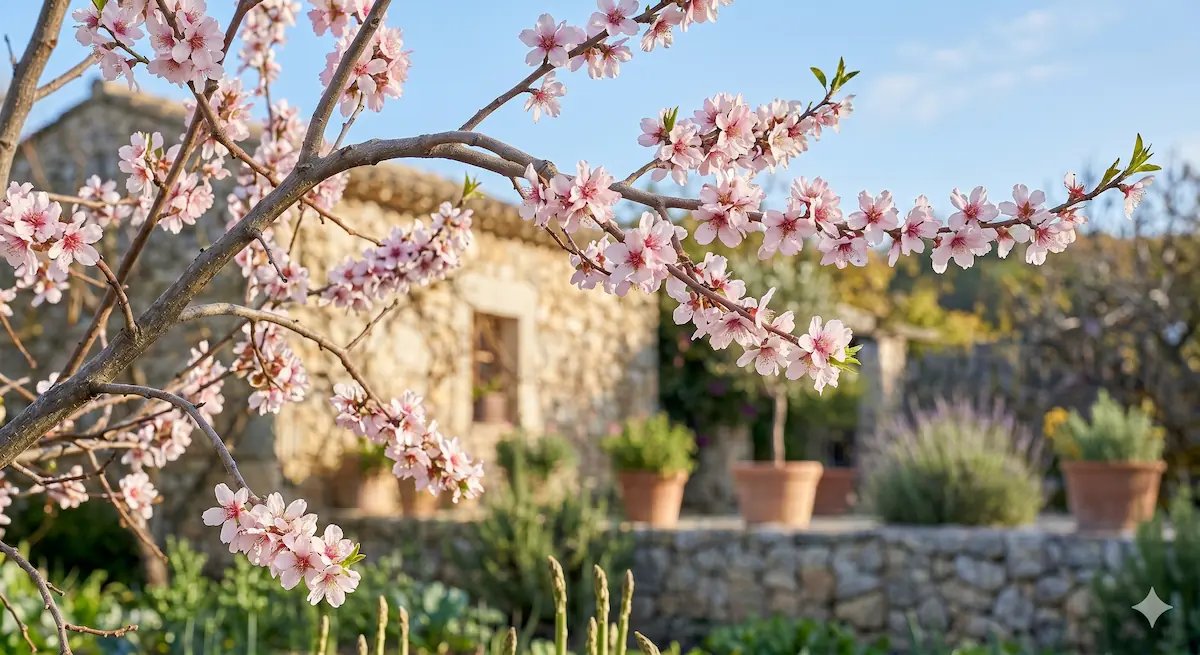
Almond: How to Grow the Most Beautiful Blossoming Tree with Valuable Nuts
Almonds are the first trees to wake up in the spring. Learn how to provide a sunny spot, why they dislike heavy soil, and how to harvest your own home-grown nuts.
Read more →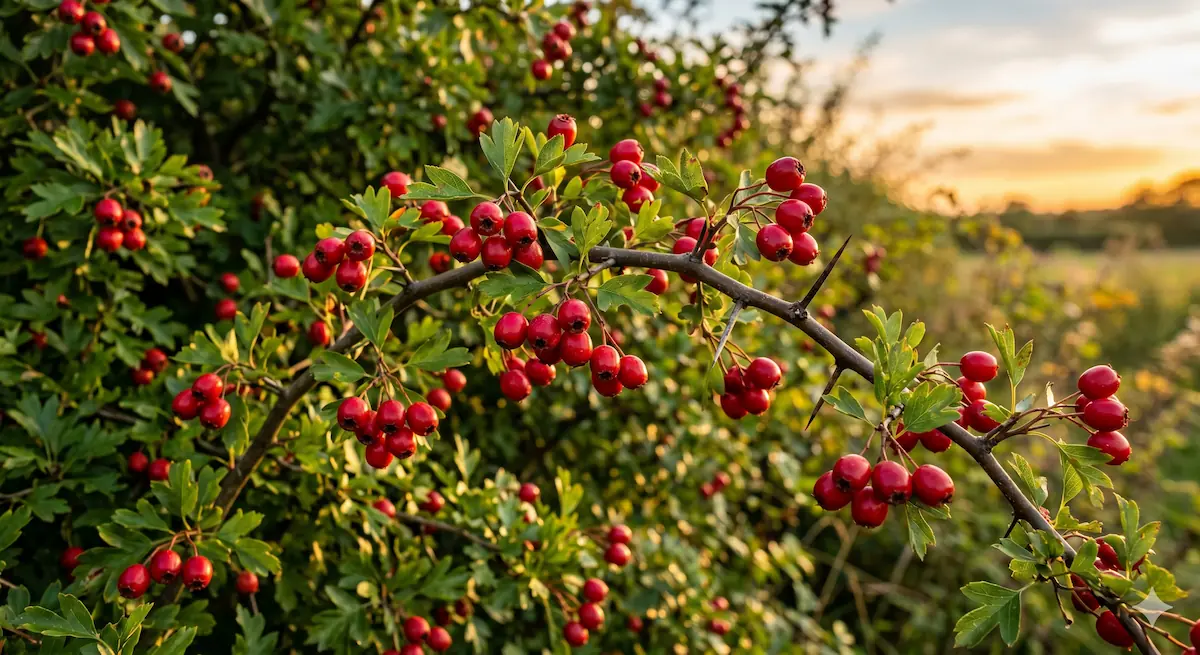
Hawthorn: A Thorny Pharmacy in Your Garden
Hawthorn combines resilience with health benefits. Learn how to create an impenetrable fence, why it fears no drought, and how to harvest berries for heart health.
Read more →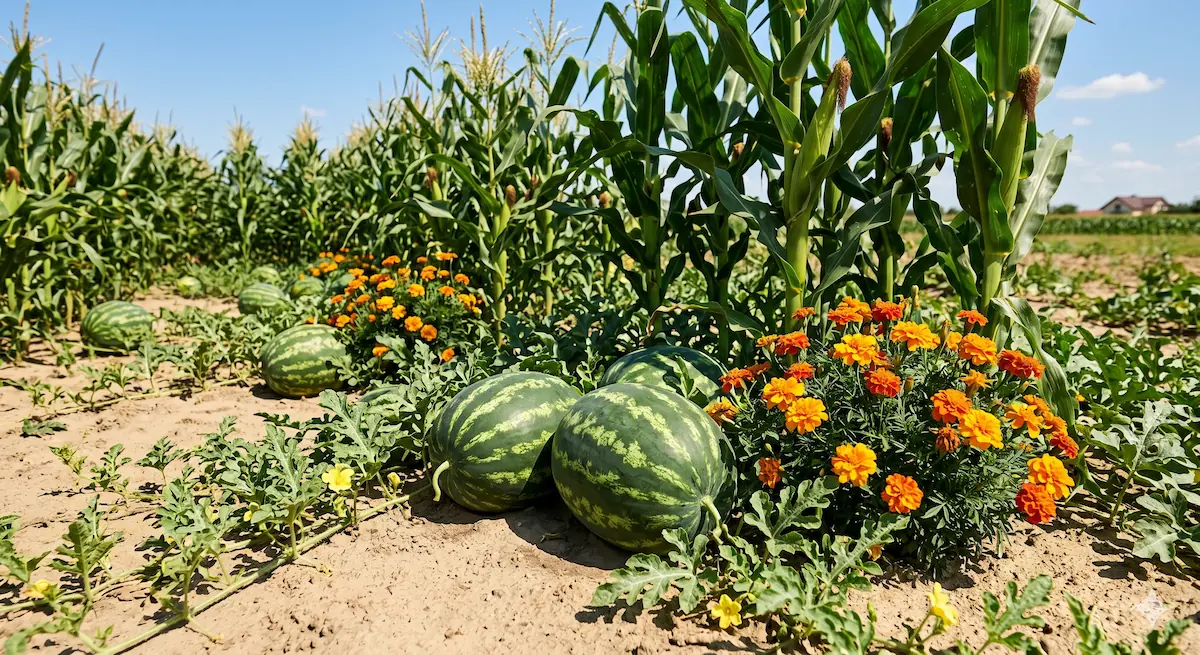
Watermelon Companion Planting: Ultimate Guide for Sweet Giants
Watermelons need plenty of sun and protection from pests. Discover 8 plants that will help attract pollinators, improve fruit flavor, and keep your melon patch healthy.
Read more →