
Almond: How to Grow the Most Beautiful Blossoming Tree with Valuable Nuts
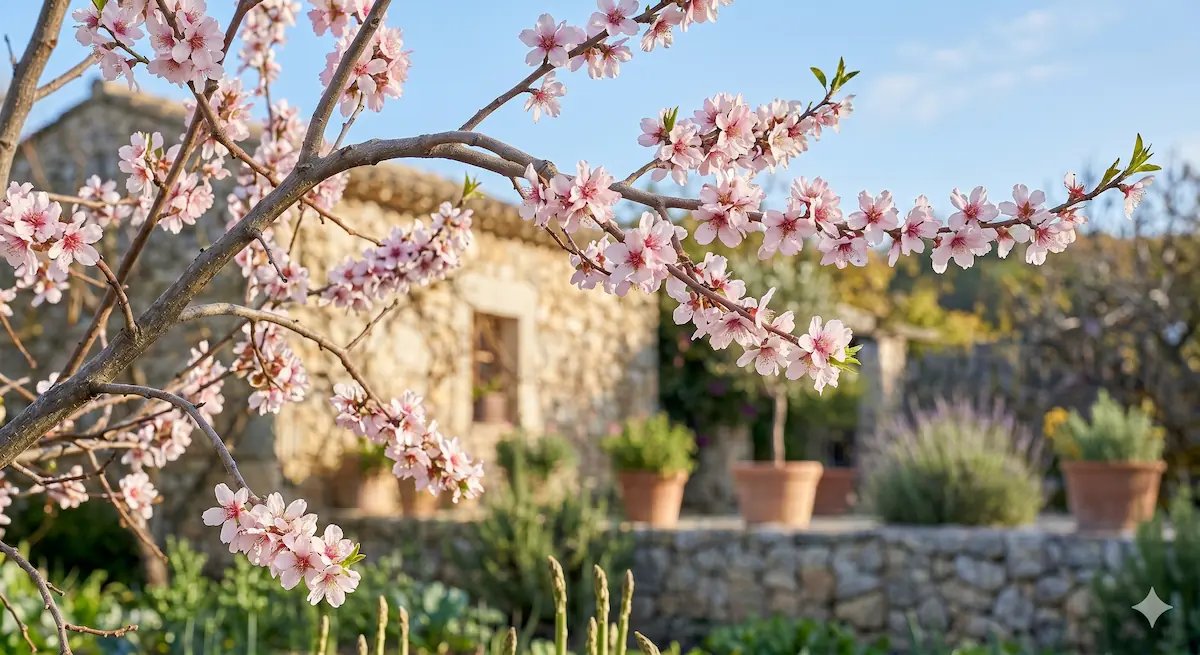
Almonds are the first trees to wake up in the spring. Learn how to provide a sunny spot, why they dislike heavy soil, and how to harvest your own home-grown nuts.
The Almond (Prunus dulcis) is not just a source of healthy nuts but also one of the most beautiful flowering trees in the world. Its pinkish-white blossoms appear even before the leaves unfold, filling the garden with a honey-like fragrance. Almonds love heat and light, so they thrive best in sunny spots protected from the wind.
Soil: Where Does the Almond Fill with Flavor?
Almonds require light soil that warms up quickly in the spring. They cannot tolerate stagnant water at the roots.
- Best Choice: Fertile Sandy soils (Type 2) or light Loamy soils (Type 1) with a neutral pH.
- Soil Check: Perform the sausage test. If the soil crumbles and holds no shape (Type 2), it's perfect: the roots will receive the necessary oxygen.
Best Companions (Good)
Almonds coexist well with other sun-loving crops:
- Lavender and Rosemary: Create an ideal microclimate and attract bees for pollination.
- Peach: They are close relatives and share similar care requirements. Read our peach guide.
- Pomegranate: Together they create an aesthetic southern garden corner.
Main Enemies (Bad)
- Walnut Trees: Almonds are extremely sensitive to juglone. In a walnut's toxic zone, the tree will be weak and may die.
- Heavy Clay (Type 3): In dense soils, almonds suffer from root rot and gummosis.
- Spring Frosts: Since almonds bloom very early, late frosts can destroy the entire future harvest.
AgroPlanner Tip: The almond is a medium-sized tree. In our app, it occupies a 4x4 or 5x5 grid. The system will help you verify the light level of the chosen spot and will flag the walnut toxic zone in red to ensure your almond tree grows healthy and productive.
AgroPlanner App
Realize your dream garden: check plant compatibility, sun/shade needs, and save your plan easily.

Disclaimer
Important! All information in this blog is for recommendation purposes only. We are developers and enthusiasts, not certified agronomists. Results may vary based on your region, soil type, and weather. We are not responsible for potential errors or crop failures. Please verify critical advice independently!
Found this helpful? Share with friends!
Read more
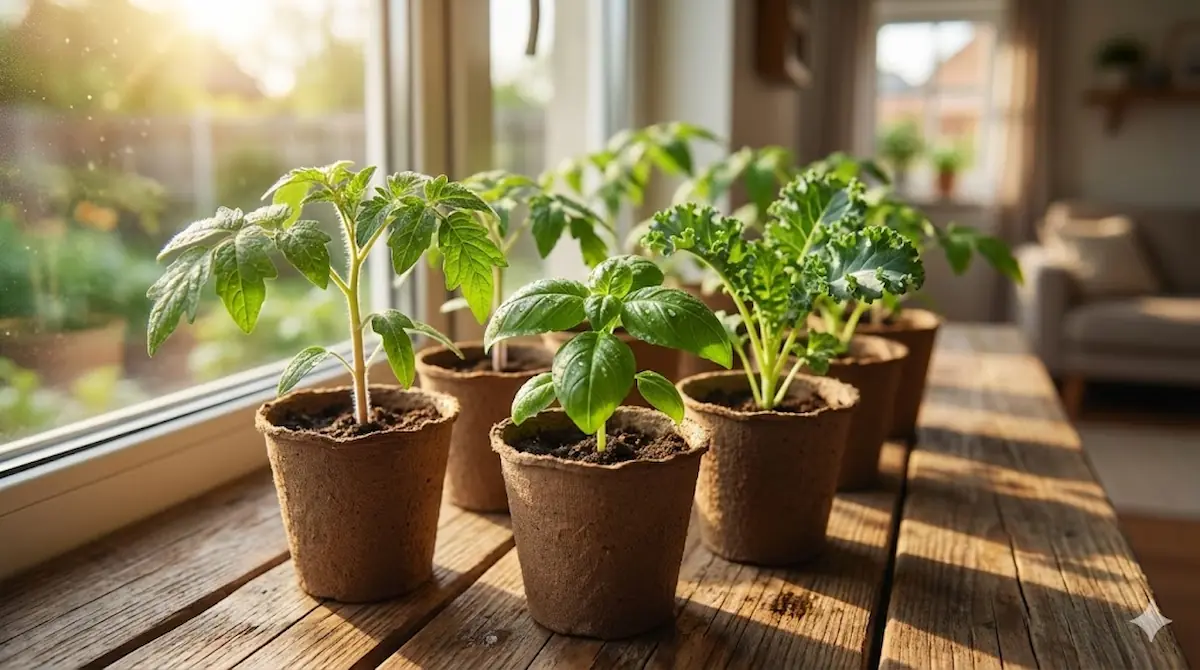
Healthy Indoor Seedlings: 4 Secrets to a Successful Start
A step-by-step guide to growing strong, healthy seedlings at home: from choosing the right soil mix to perfect lighting.
Read more →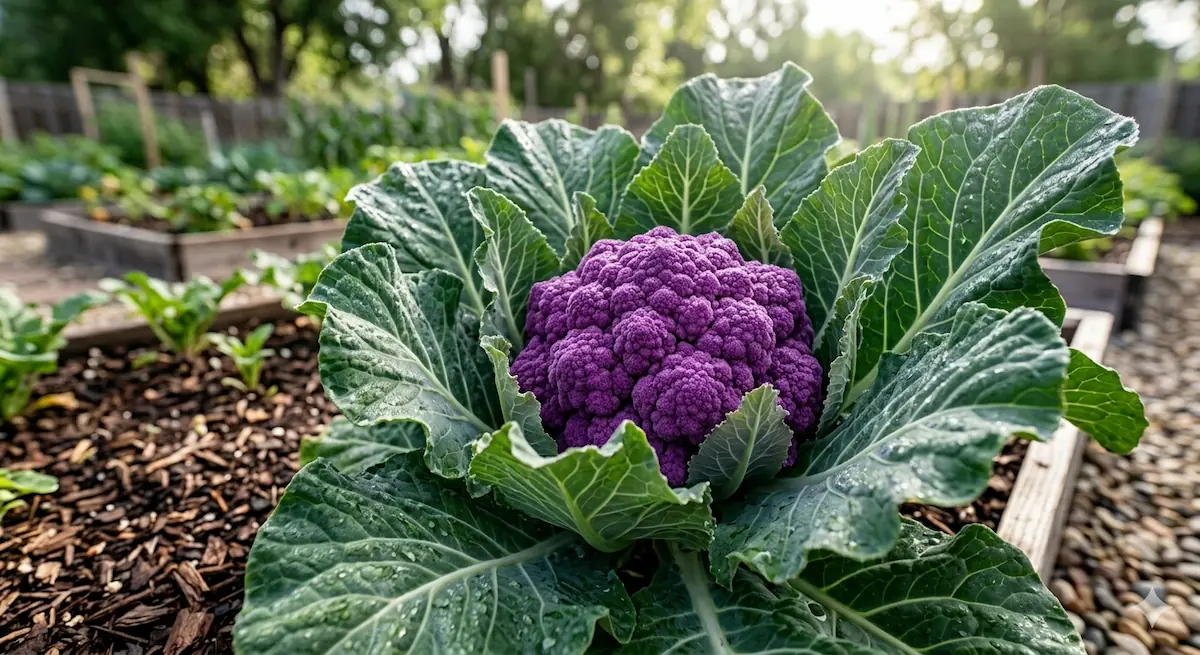
Purple Cauliflower: A Vibrant Antioxidant in Your Garden
Purple cauliflower combines incredible color with double the health benefits. Learn why it’s more tender than white varieties, which soil ensures deep coloring, and how to protect it from summer heat.
Read more →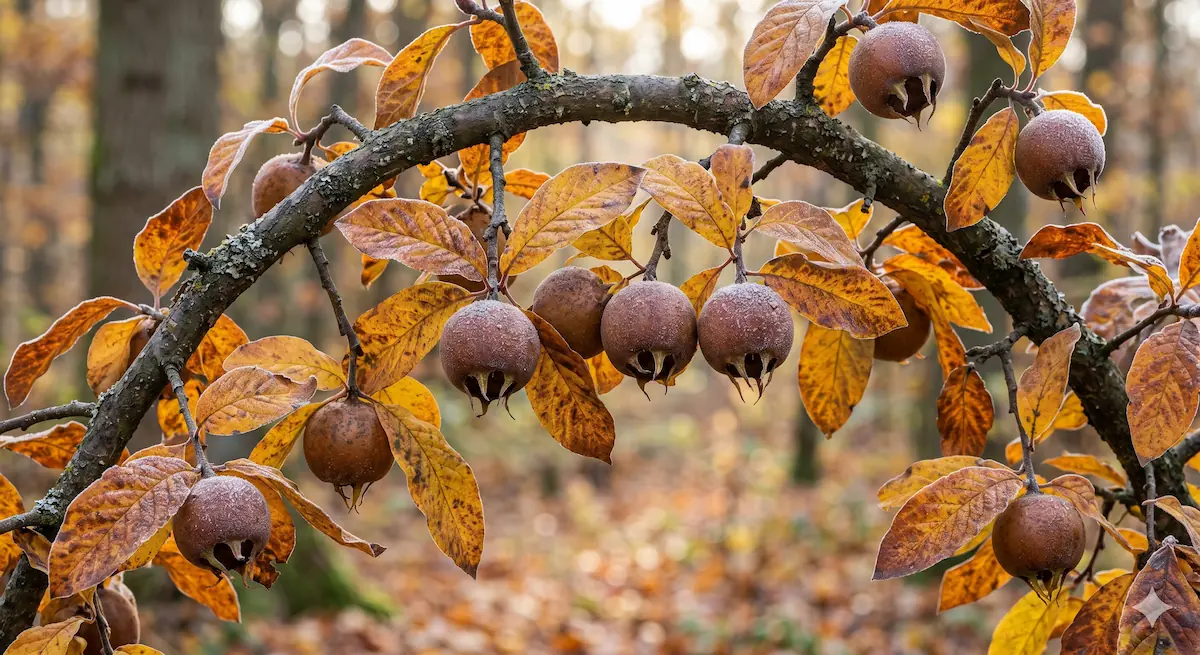
Medlar: A Forgotten Delicacy That Loves the Frost
Medlar is a combination of ornamental beauty and health benefits. Learn why its fruits only become sweet after the first frosts, what soil ensures a stable harvest, and why it doesn't fear winter blizzards.
Read more →