
Watermelon Companion Planting: Ultimate Guide for Sweet Giants
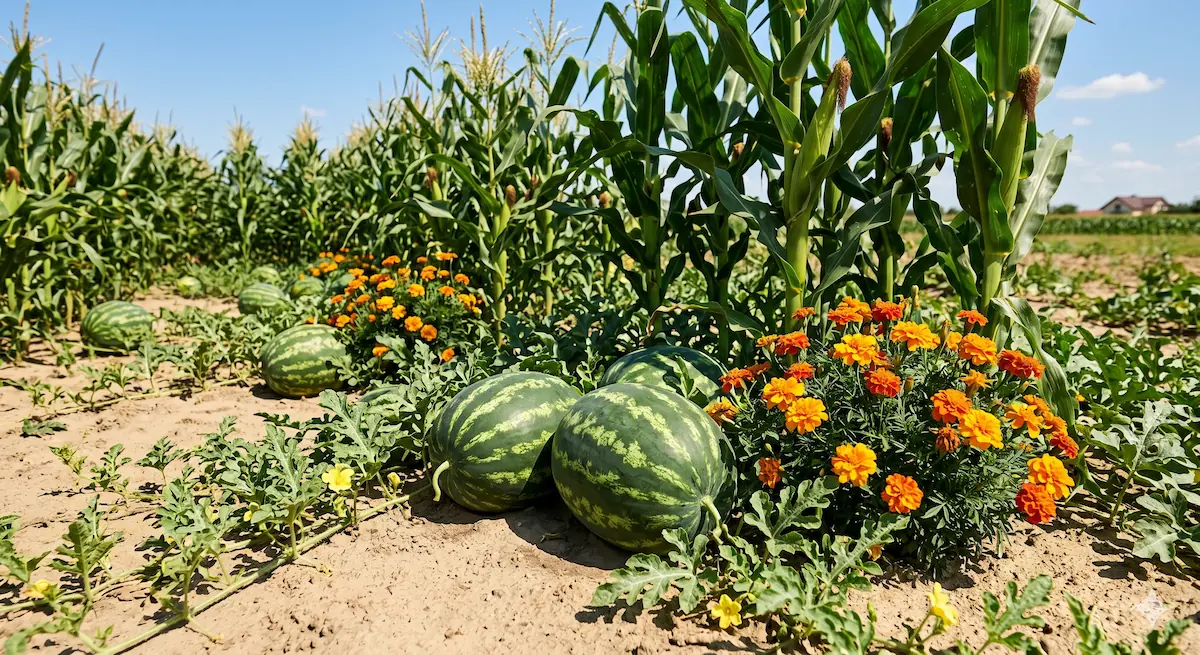
Watermelons need plenty of sun and protection from pests. Discover 8 plants that will help attract pollinators, improve fruit flavor, and keep your melon patch healthy.
Watermelons (Citrullus lanatus) are sun-loving crops that require ample open space, maximum direct sunlight, and light, well-warmed sandy loam soil. Because watermelon vines spread aggressively and demand heavy nutrition, choosing the right neighbors is strategic. Companion plants can help retain scarce soil moisture and attract vital bees for optimal pollination. Before establishing your plot, check out our organic fertilizer guide, as these plants are heavy feeders.
1. Soil Selection and Planting Windows
Watermelons prefer light sandy soils with a neutral or slightly acidic reaction (pH 6-6.5). In heavy clay ground, the root system will simply suffocate, and the fruits will grow small and flavorless. Sowing in the open ground or transplanting seedlings is conducted in mid-to-late May, once the danger of night frost has passed and soil temperatures hit +12-14°C.
- Seed Sowing Depth: 3-5 cm.
- Planting Layout: Leave at least 100-140 cm of open space between individual bushes so the vines do not smother each other.
2. Summer Care Secrets: Vine Pruning and Irrigation
For large watermelon varieties, it is highly recommended to leave no more than 2-3 fruits per vine; any additional small ovaries should be pruned away so the plant can fully develop the main crop. Irrigation must be regular and deep (once a week, but plentiful) until the fruits reach their maximum volume. Two weeks before harvesting, watering is completely stopped, otherwise the flesh will turn watery.
3. Table of Ideal Companions (Good)
Here are 8 excellent partners to help you grow sweet, sugary watermelons:
| Companion | Companion Benefits |
|---|---|
| Corn | Acts as a natural tall windbreak for fragile crawling vines without blocking lower sunlight access. |
| Marigolds | Protect delicate watermelon roots from dangerous underground nematodes with their distinct aroma. |
| Spinach | Quickly carpets open soil with a green layer, locking in moisture while the watermelon establishes itself. |
| Garlic | A powerful natural fungicide that significantly reduces the risk of melon aphids and destructive anthracnose. |
| Beans | Actively enrich lean sandy soils with nitrogen, stimulating rapid vegetative growth of the melon vines. |
| Nasturtium | Deters shield bugs and draws useful predatory insects to the patch to keep the leaves clean. |
| Radishes | Efficiently repel striped cucumber beetles, which frequently vector harmful bacterial infections to watermelons. |
| Lavender | Attracts massive swarms of honeybees and bumblebees, which is critical for setting numerous female fruit ovaries. |
4. Bad Neighbors and Harvesting Indicators (Bad)
Keep watermelons away from zucchini and pumpkins (due to intense space competition) and potatoes (attract wireworms). Watermelon ripeness is determined by a dull hollow sound when thumped, the drying out of the tendril near the stem base, and a distinct creamy yellow spot appearing on the side that rested on the ground.
AgroPlanner Tip: Stop watering watermelons entirely two weeks before harvest. This allows the fruit to accumulate maximum sugar and become crisp. Use our planner to plan your planting!
AgroPlanner App
Realize your dream garden: check plant compatibility, sun/shade needs, and save your plan easily.

Disclaimer
Important! All information in this blog is for recommendation purposes only. We are developers and enthusiasts, not certified agronomists. Results may vary based on your region, soil type, and weather. We are not responsible for potential errors or crop failures. Please verify critical advice independently!
Found this helpful? Share with friends!
Read more
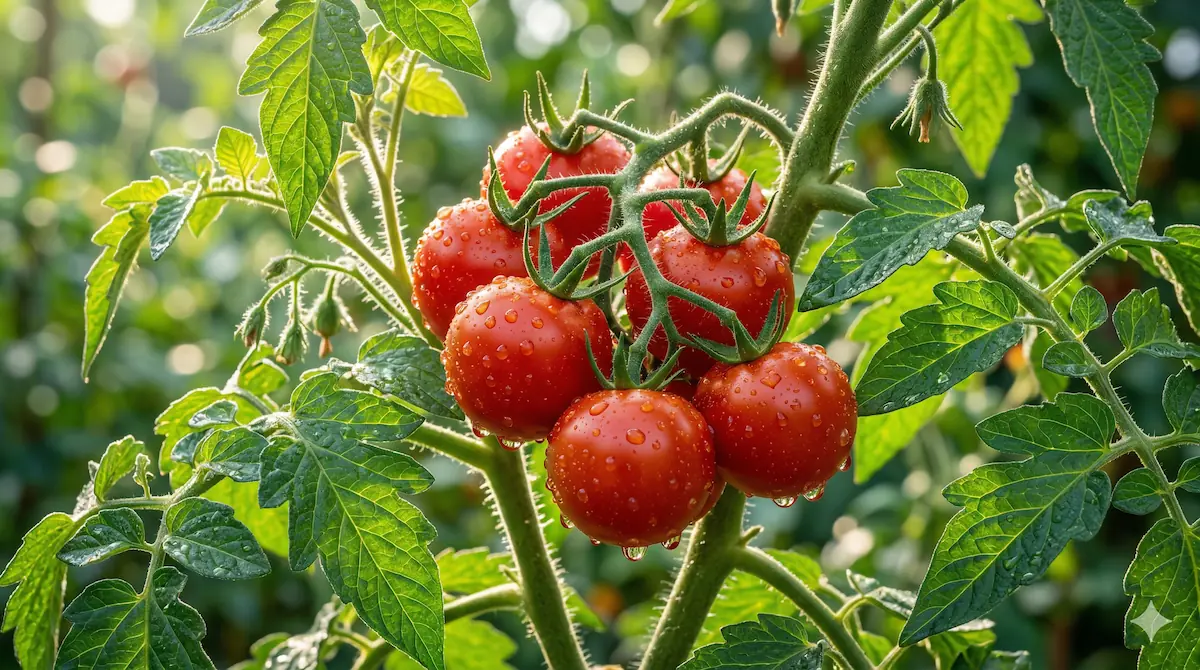
Secrets to Growing Perfect Tomatoes: Full Guide
From choosing a sunny spot to proper pruning. Learn how to get a tomato harvest your neighbors will envy.
Read more →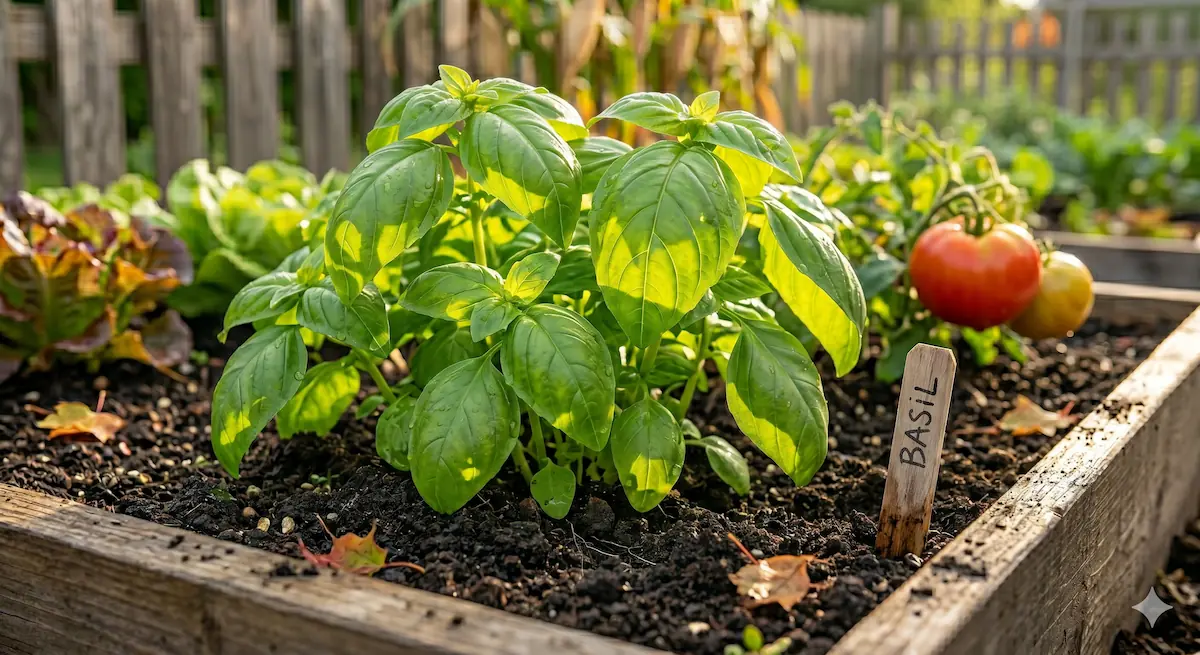
Basil: The Fragrant King of the Garden and Tomato's Best Friend
How to grow lush, aromatic basil: heat requirements, soil selection, and why pairing it with tomatoes makes it better. Tips from AgroPlanner.
Read more →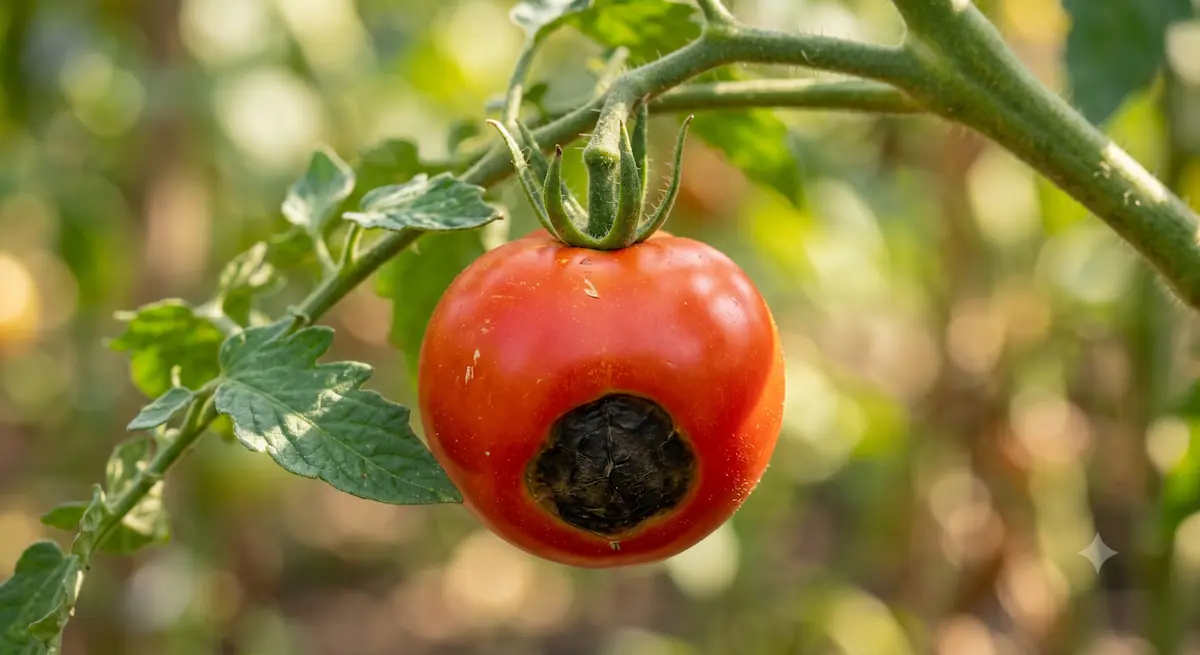
Blossom End Rot on Tomatoes and Peppers: How to Save Fruit from Black Spots
Dry black spots on the bottom of tomatoes and peppers indicate blossom end rot. Learn the causes of physiological calcium blockage in summer and treatment methods.
Read more →