
Planning a Perfect Garden from Scratch: A Step-by-Step Guide
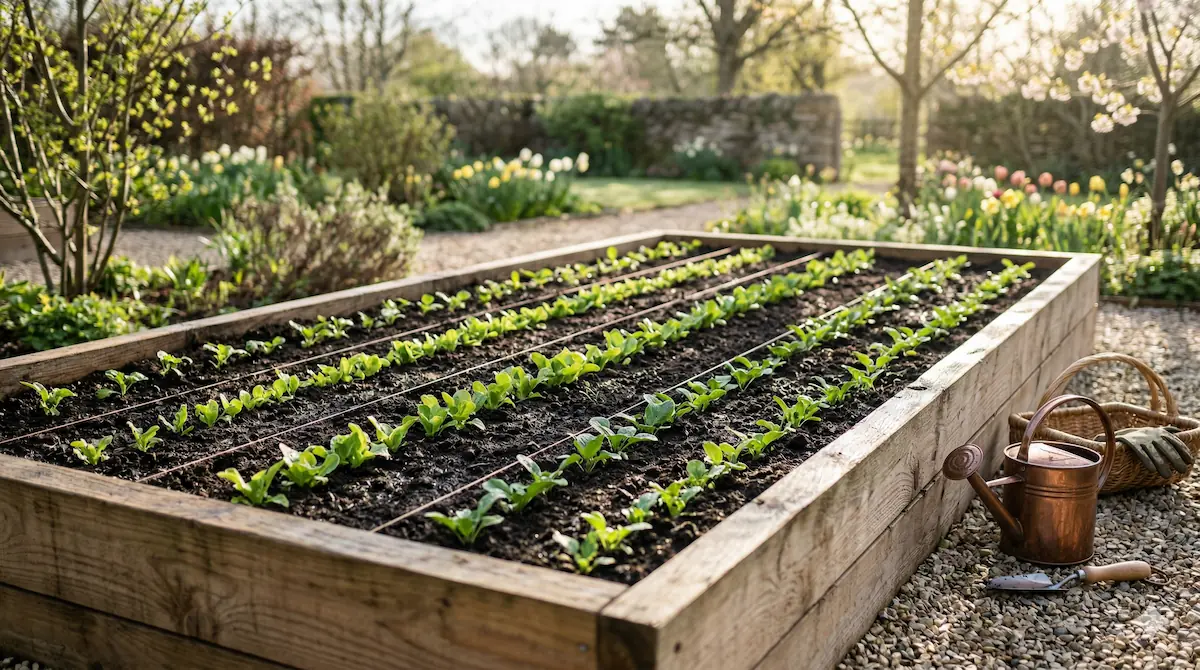
Starting your first gardening season? This simple guide will help you create your dream garden without the stress.
Decided to grow your own veggies? Start small and follow these three steps.
Step 1: Evaluate Sunlight
Most vegetables need full sun. Find the sunniest spot. Keep partial shade for salads and radishes.
Step 2: Choose Easy Crops
For your first year, pick zucchini, greens, garlic, and radishes — they are almost impossible to mess up.
Step 3: Check Compatibility
Some plants are friends, some are enemies. Proper companion planting is your natural pest defense.
AgroPlanner Tip: Instead of drawing diagrams on paper, use our Virtual Garden Bed. It helps you visually arrange plants, check light requirements, and compatibility in one click.
Important: Don't be afraid to make mistakes. Every expert gardener started with failures. The main thing is to start!
AgroPlanner App
Realize your dream garden: check plant compatibility, sun/shade needs, and save your plan easily.

Disclaimer
Important! All information in this blog is for recommendation purposes only. We are developers and enthusiasts, not certified agronomists. Results may vary based on your region, soil type, and weather. We are not responsible for potential errors or crop failures. Please verify critical advice independently!
Found this helpful? Share with friends!
Read more
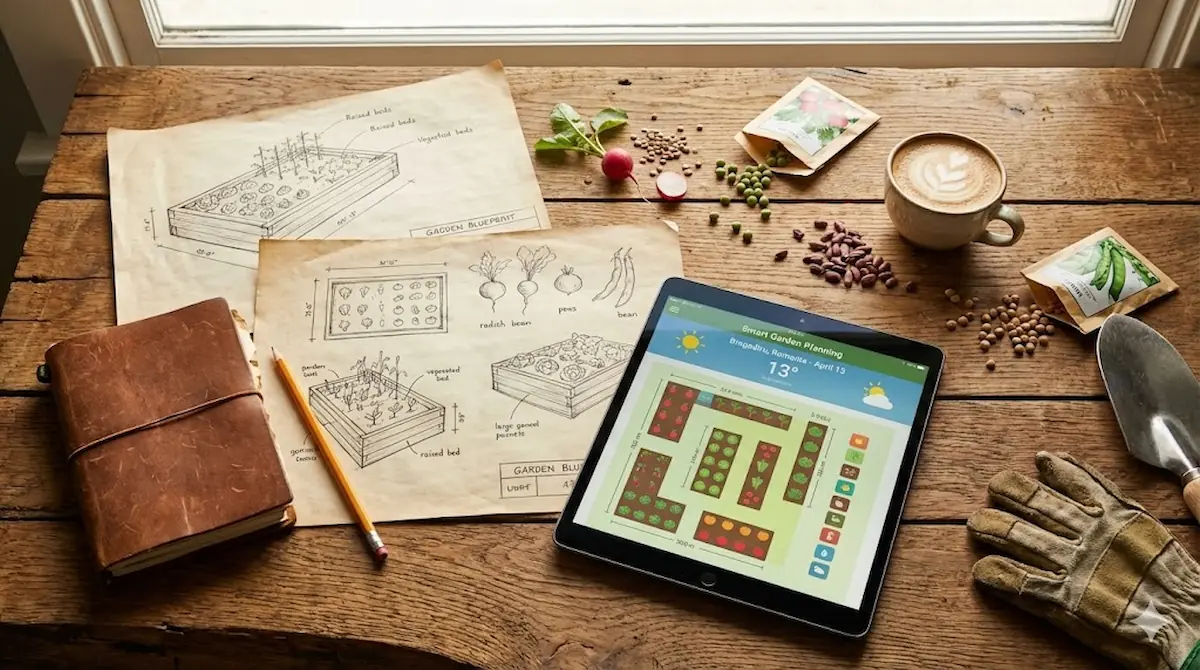
The Ultimate Guide to Smart Garden Planning: From a Bare Plot to a Record Harvest
Don't know where to start? This comprehensive guide takes you through every stage of creating the perfect garden: from crop rotation and plant compatibility to spacing.
Read more →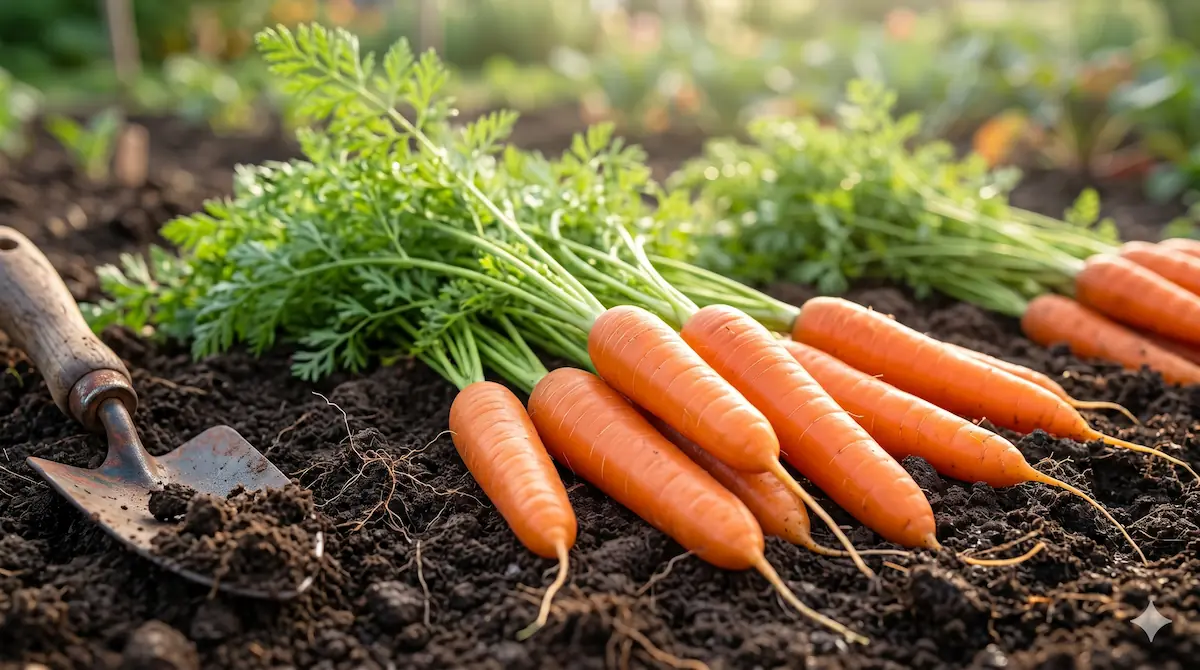
Secrets of Perfect Carrots: How to Grow Straight and Sweet Roots
Learn why carrots grow deformed, how to thin them correctly, and what to feed for maximum sweetness. Expert tips from AgroPlanner for perfect root vegetables.
Read more →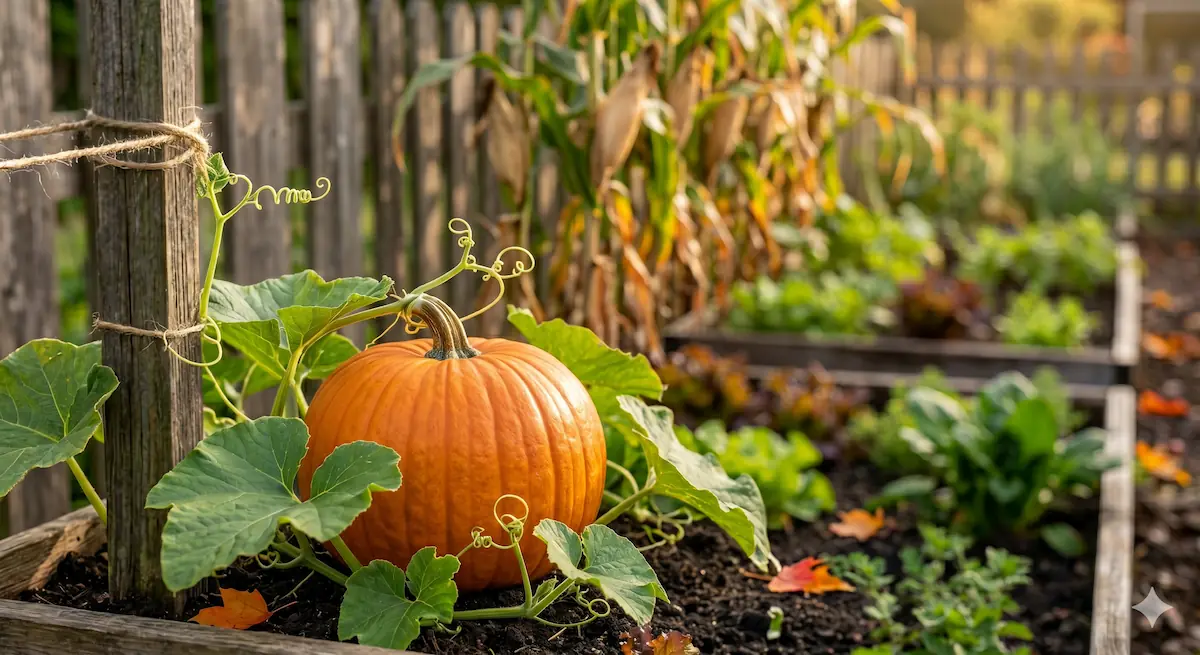
Pumpkin: How to Grow a Garden Giant on Your Plot
Secrets to growing pumpkins: from choosing a sunny spot to ideal neighbors. Learn why pumpkins need a lot of space and how they react to toxic zones.
Read more →