
Secrets of Perfect Carrots: How to Grow Straight and Sweet Roots
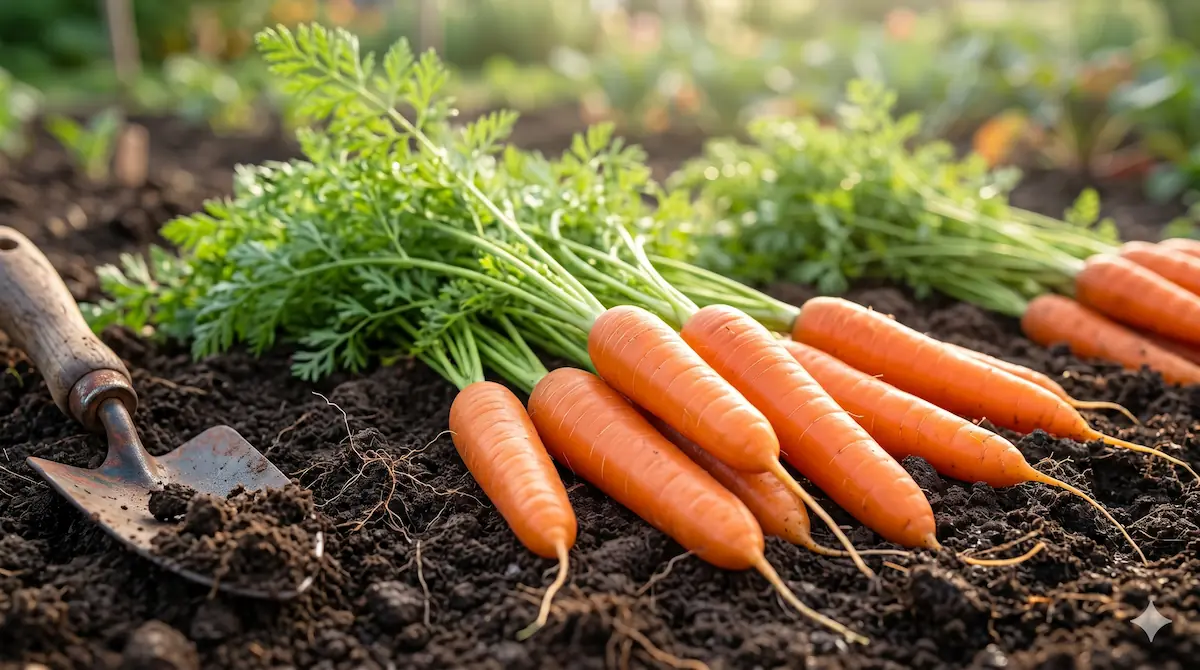
Learn why carrots grow deformed, how to thin them correctly, and what to feed for maximum sweetness. Expert tips from AgroPlanner for perfect root vegetables.
Carrots are one of the most demanding crops during the germination stage, but the results are worth the effort. Many gardeners face the problem of "forked" or flavorless carrots. In this article, we'll cover the main mistakes and rules that will help you achieve picture-perfect roots.
Soil Quality Matters
The main reason for carrot deformation (when it splits or grows crooked) is obstacles in the soil. If the root hits a stone, dense clay, or uncomposted manure, it begins to warp.
- Loose Soil: Carrots love light, sandy, or loamy soils. If you have heavy soil, add sand or well-rotted compost before planting.
- No Fresh Manure: This is a critical mistake. Fresh organic matter causes root branching and degrades flavor qualities.
Watering and Feeding Regimen
To ensure your carrots are juicy and sweet, it's important to maintain a moisture balance:
- Deep Watering: Once the root begins to grow actively, water infrequently but very heavily so that moisture reaches a depth of 20-25 cm. Shallow watering leads to the appearance of "hairy" roots.
- Potassium Over Nitrogen: Carrots need potassium for sweetness. An excess of nitrogen will lead to lush green growth, while the root itself remains tasteless. }
Companion Planting and Carrot Fly Protection
The carrot fly is the most dangerous pest that can ruin your entire harvest. The best protection method, which we recommend integrating into your AgroPlanner, is companion planting.
Plant carrots next to onions or garlic. The smell of onions disorients the carrot fly, while carrots, in turn, protect the onions from the onion fly. This is a classic example of perfect synergy in the garden.
Don't forget about timely thinning: first when the two leaves appear, and second when the carrot reaches the size of a pencil. Give your harvest room to grow!
AgroPlanner App
Realize your dream garden: check plant compatibility, sun/shade needs, and save your plan easily.

Disclaimer
Important! All information in this blog is for recommendation purposes only. We are developers and enthusiasts, not certified agronomists. Results may vary based on your region, soil type, and weather. We are not responsible for potential errors or crop failures. Please verify critical advice independently!
Found this helpful? Share with friends!
Read more
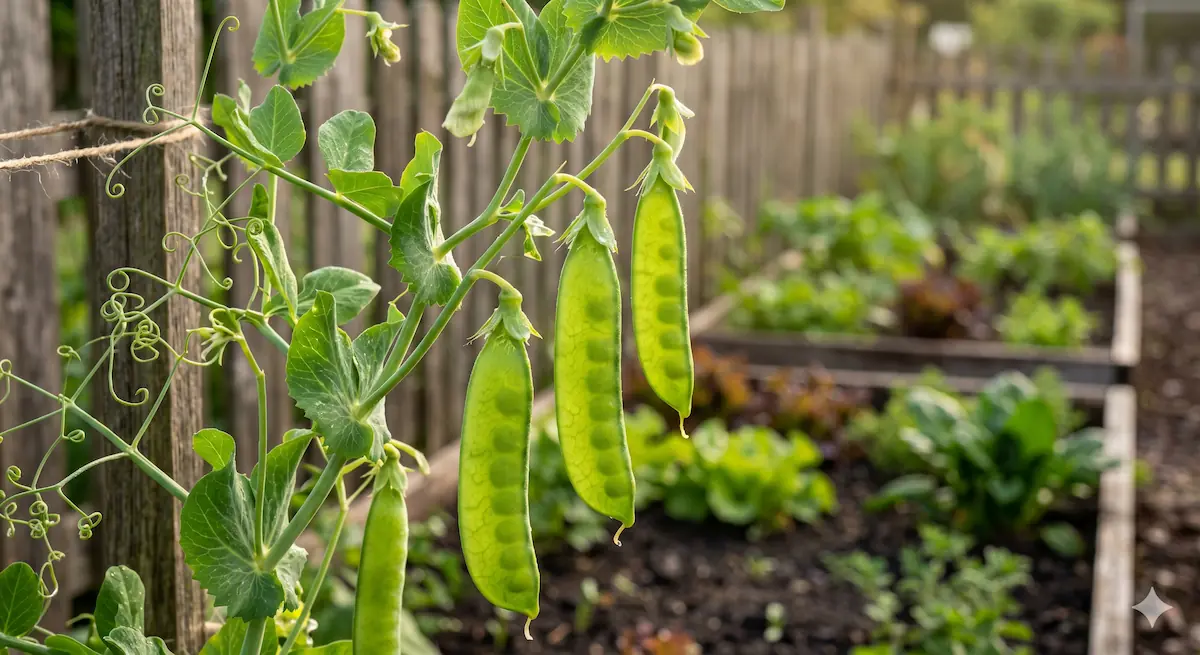
Peas: How to Grow a Sweet Harvest and Enrich Your Soil
Secrets to growing peas: from soil selection to strategic companion planning. Learn how peas act as a natural fertilizer for your garden.
Read more →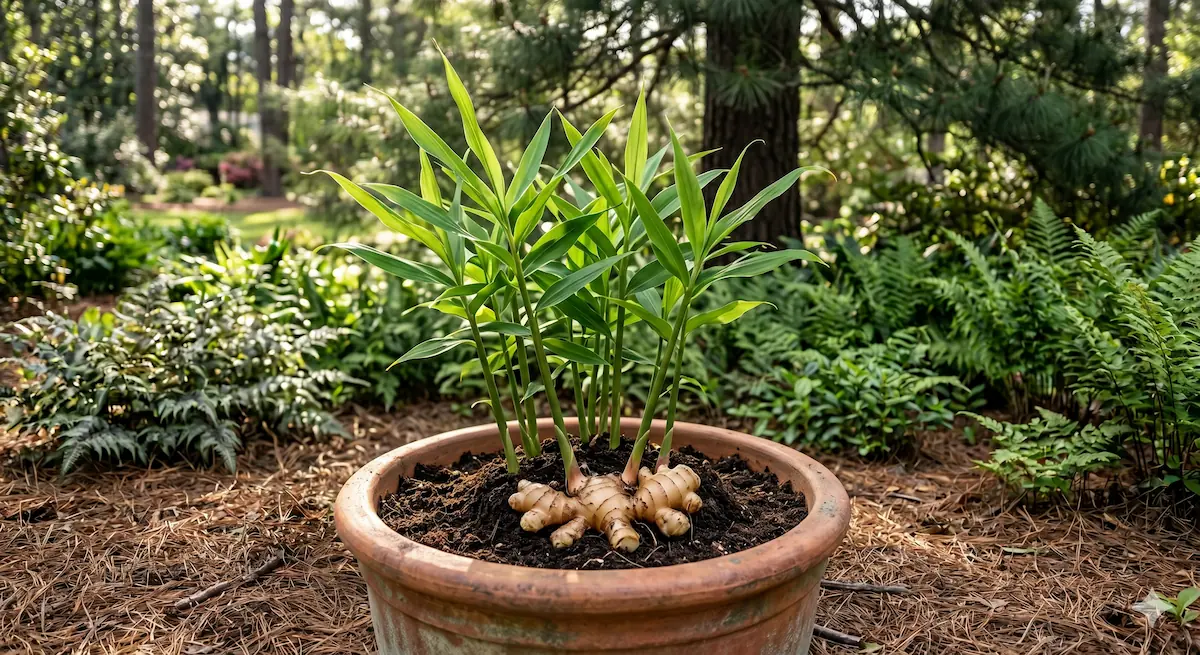
Ginger: How to Successfully Grow the Exotic Root at Home
Growing your own ginger is easier than it looks. Learn about its soil needs, why it fears direct sun, and which plants make its best companions.
Read more →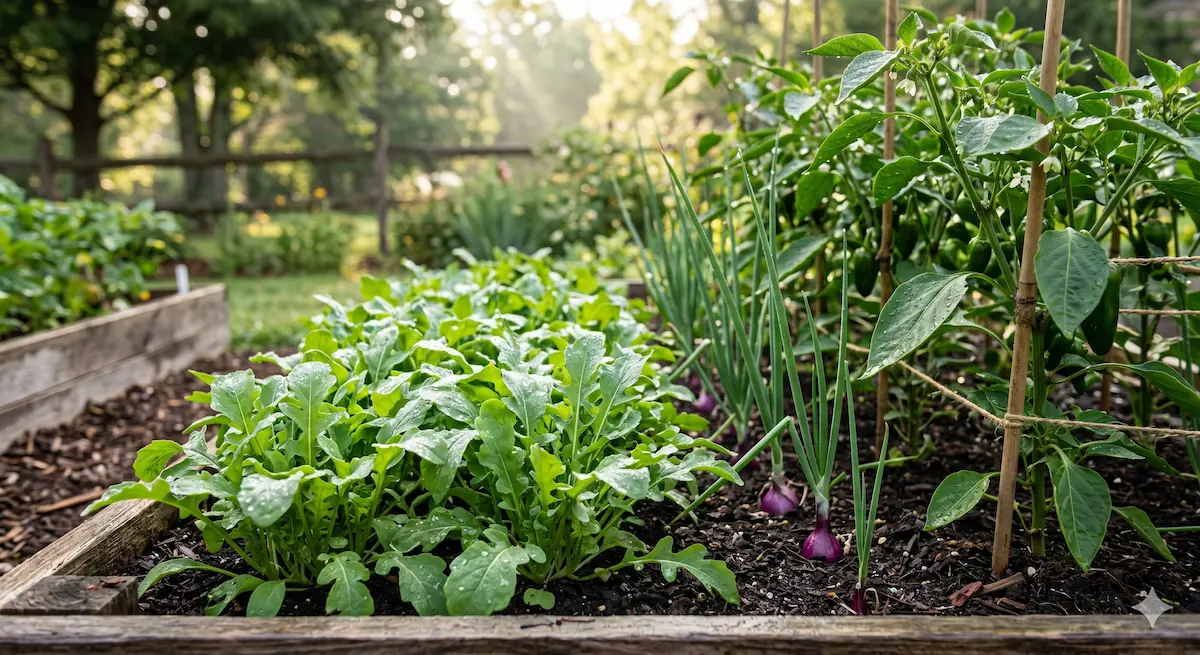
Arugula Companion Planting: The Ultimate Guide for Fresh Greens
Arugula is a magnet for flea beetles. Learn about 8 companion plants that help mask its scent, provide shade, and ensure your greens stay tender and delicious.
Read more →