
Biological Weapons in the Garden: How to Make Insects Work for Your Harvest
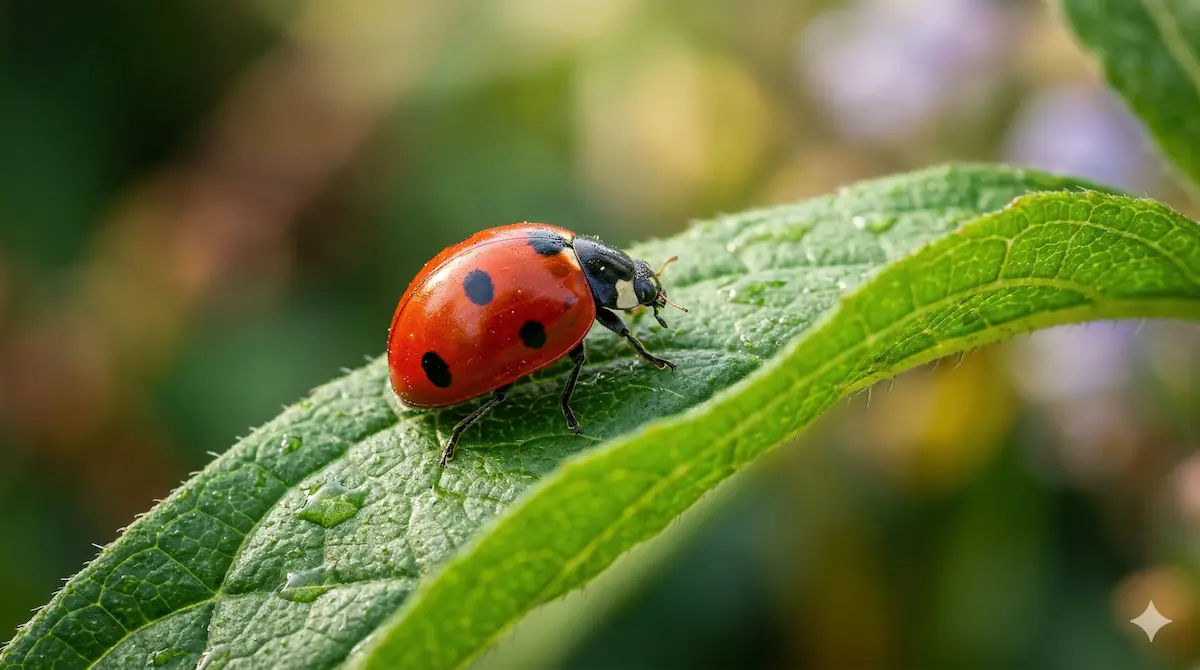
Forget about harsh chemicals and toxic pesticides. Learn how to attract natural predators to your plot that will effectively destroy pests for you.
When we see aphids or Colorado potato beetles on a leaf, the first thought is to grab the sprayer. But nature invented an ideal pest control mechanism long ago. Your task isn't to kill everything with chemicals, but to create conditions for your own "winged army" to work.
Who are your main allies?
There are hundreds of beneficial insect species in the garden known as entomophages. Here are the "special forces" you should know by sight:
- Ladybugs: These are real tanks in the insect world. A single ladybug larva can consume up to 1000 aphids during its development. Adults are just as ravenous.
- Lacewings: Often called "aphid lions." Their larvae mercilessly hunt mites, mealybugs, and small caterpillars.
- Ground Beetles: These fast nocturnal hunters live in the topsoil. They are the primary enemy of slugs and the larvae of many harmful beetles.
- Hoverflies: Adults look like tiny wasps and pollinate flowers, but their larvae are masters at destroying spider mites.
How to "hire" these helpers?
Beneficial insects won't come to an empty bed. They need not only "food" but also a source of nectar and a safe shelter:
- Plant nectar-rich flowers: Dill, fennel, phacelia, and marigolds are magnets for entomophages.
- Avoid blanket insecticide treatments: Poison doesn't choose its victim — it kills both the pest and your protector.
- Create "insect hotels": A small pile of brushwood or a dedicated wooden bug house in a quiet corner of the garden will help them overwinter.
AgroPlanner Tip: The secret to a stable ecosystem lies in proper companionship. Planting flowering herbs around the perimeter creates a "protective barrier." In our Virtual Garden Bed, you can mark flower zones and check if you have enough "support zones" for beneficial insects around your main crops.
Smart gardening isn't about war with nature; it's about strategic partnership. Let the ladybugs and lacewings do the dirty work for you, and your harvest will be not only bountiful but also ecologically clean.
AgroPlanner App
Realize your dream garden: check plant compatibility, sun/shade needs, and save your plan easily.

Disclaimer
Important! All information in this blog is for recommendation purposes only. We are developers and enthusiasts, not certified agronomists. Results may vary based on your region, soil type, and weather. We are not responsible for potential errors or crop failures. Please verify critical advice independently!
Found this helpful? Share with friends!
Read more
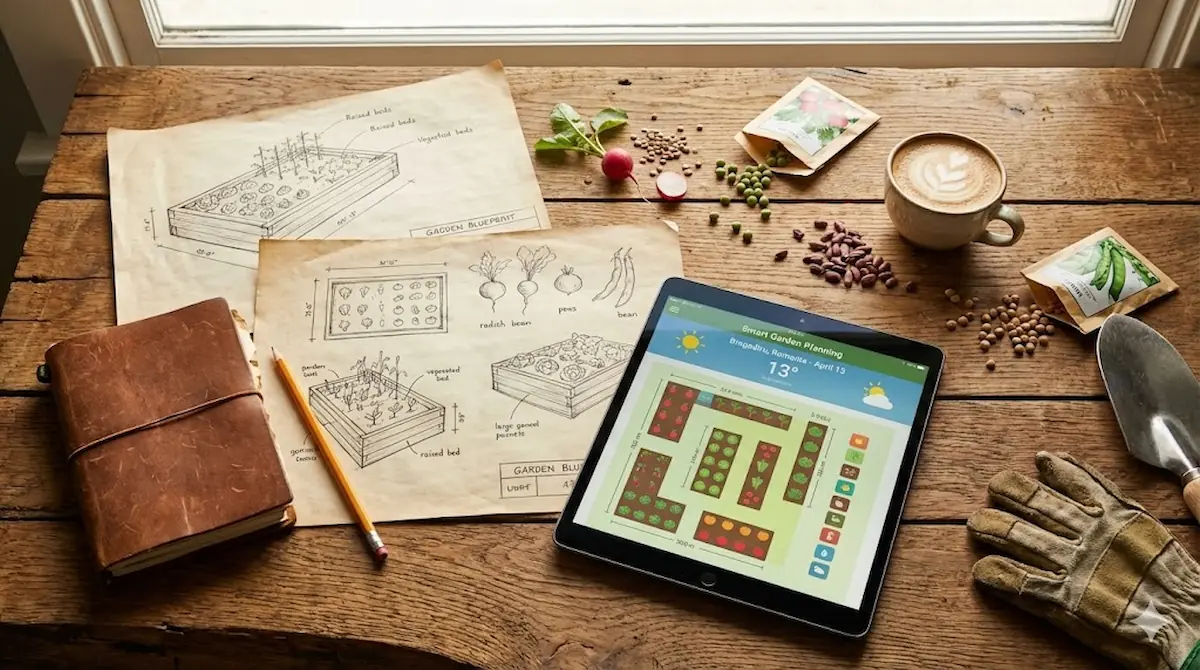
The Ultimate Guide to Smart Garden Planning: From a Bare Plot to a Record Harvest
Don't know where to start? This comprehensive guide takes you through every stage of creating the perfect garden: from crop rotation and plant compatibility to spacing.
Read more →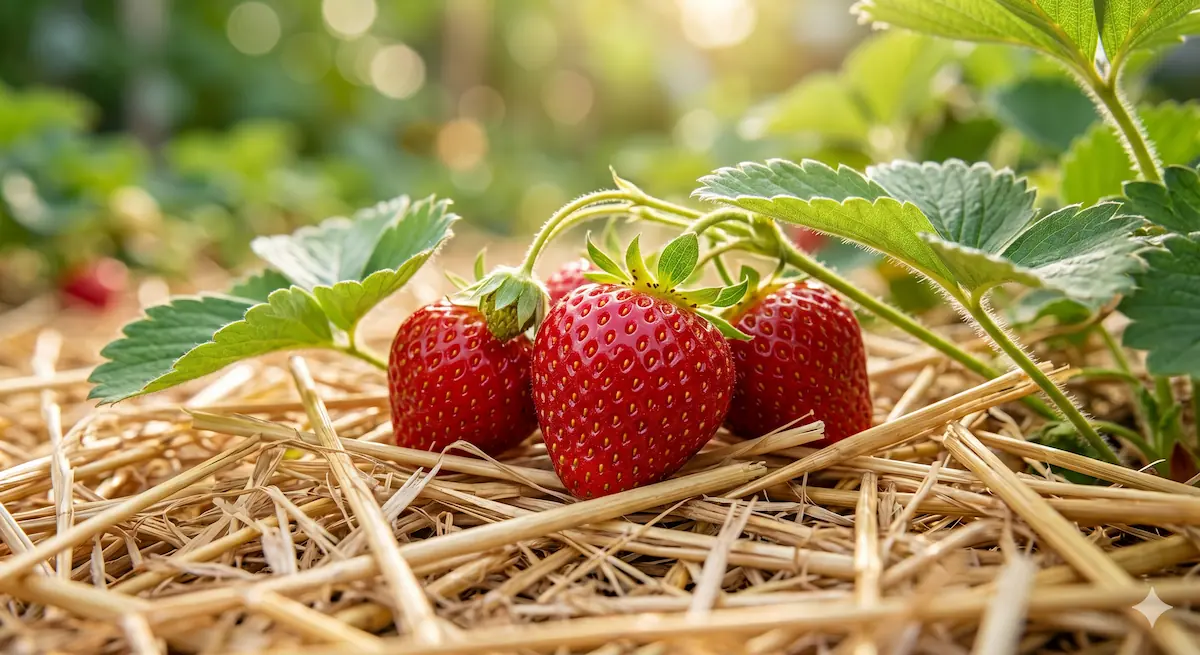
The Garden Queen Strawberry: Secrets to a Sweet and Large Harvest
Tips for growing strawberries: from mulching to proper watering. Learn how to protect berries from rot and pests using smart garden planning.
Read more →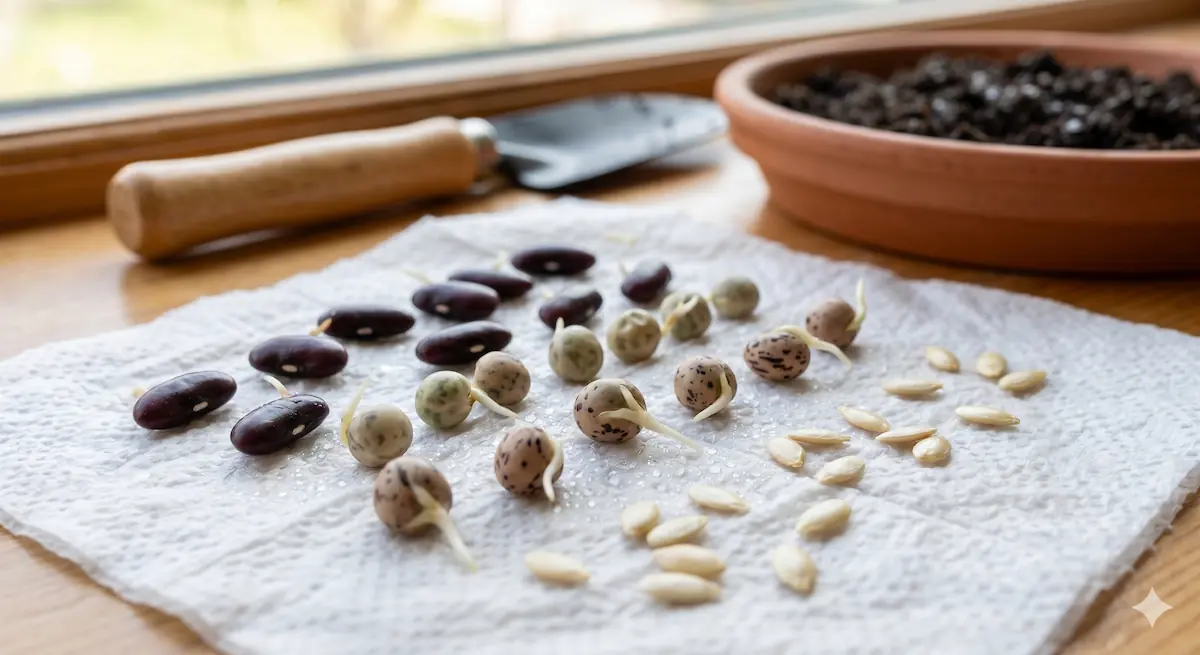
Don't Just "Toss Them In": How to Properly Prepare Seeds for Planting
Learn why you should soak seeds, how to speed up germination, and what mistakes can kill your harvest before it even starts. A complete guide for gardeners.
Read more →