
Don't Just "Toss Them In": How to Properly Prepare Seeds for Planting
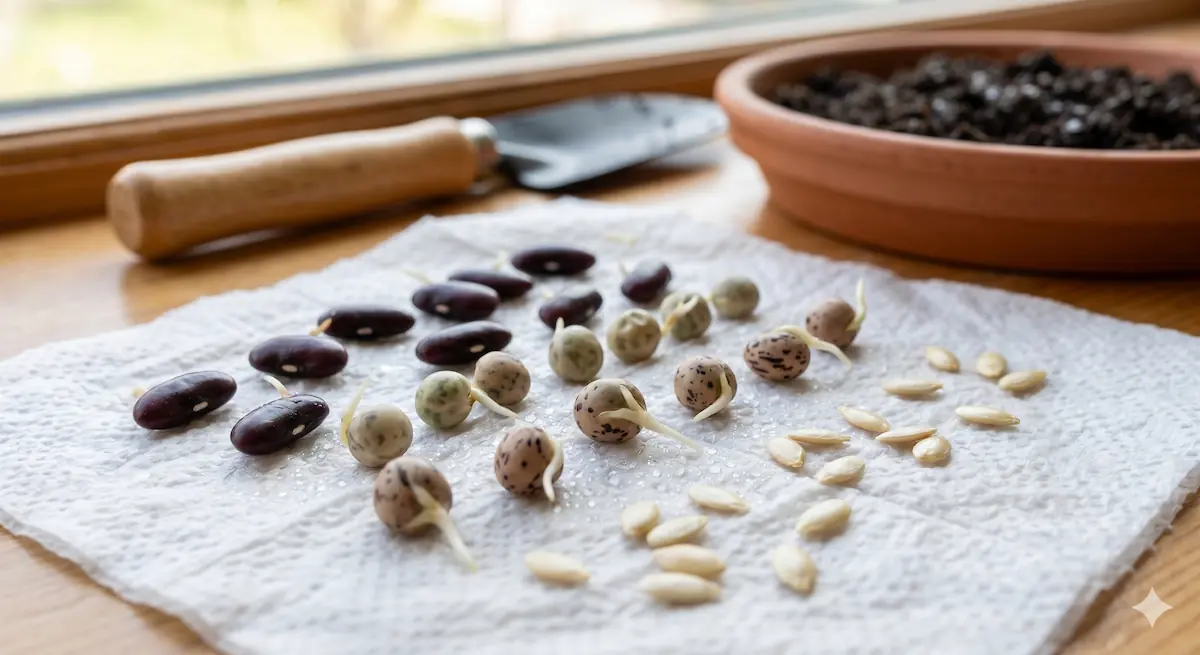
Learn why you should soak seeds, how to speed up germination, and what mistakes can kill your harvest before it even starts. A complete guide for gardeners.
Planting seeds isn't a lottery; it's a science. If you want lush garden beds and healthy plants, you need to "wake up" your seeds. Pre-sowing preparation helps weed out dead seeds and gives young sprouts the strength to break through even heavy soil.
1. Calibration: Checking for Life
Before soaking, check for duds. Drop your seeds into a glass of water with a pinch of salt: those that float are empty and can be discarded. The ones that sink to the bottom are your future champions.
2. Soaking and Sprouting (Pre-germination)
This is the stage where you keep seeds in a moist environment until the first green "tail" (root) appears:
- Why it's needed: Water softens the hard shell (especially for peas, beans, and corn).
- How to do it: Place seeds between two damp paper towels or cotton pads. Keep them in a warm spot, but don't submerge them completely in water — seeds need oxygen to breathe.
- When to plant: As soon as a tiny white root appears, the seed is ready to move to a pot or the garden bed.
3. Disinfection
Seed coats can carry fungal spores. To prevent future diseases, soak seeds for 15-20 minutes in a weak solution of hydrogen peroxide. Think of it as "sterilization" that saves your harvest down the line.
AgroPlanner Tip: When you see "Days to Harvest" in our app, remember — the countdown starts from the moment the first sprouts appear. Use the planner to schedule your soaking time: usually 2-4 days before your planned planting date on the layout.
AgroPlanner App
Realize your dream garden: check plant compatibility, sun/shade needs, and save your plan easily.

Disclaimer
Important! All information in this blog is for recommendation purposes only. We are developers and enthusiasts, not certified agronomists. Results may vary based on your region, soil type, and weather. We are not responsible for potential errors or crop failures. Please verify critical advice independently!
Found this helpful? Share with friends!
Read more
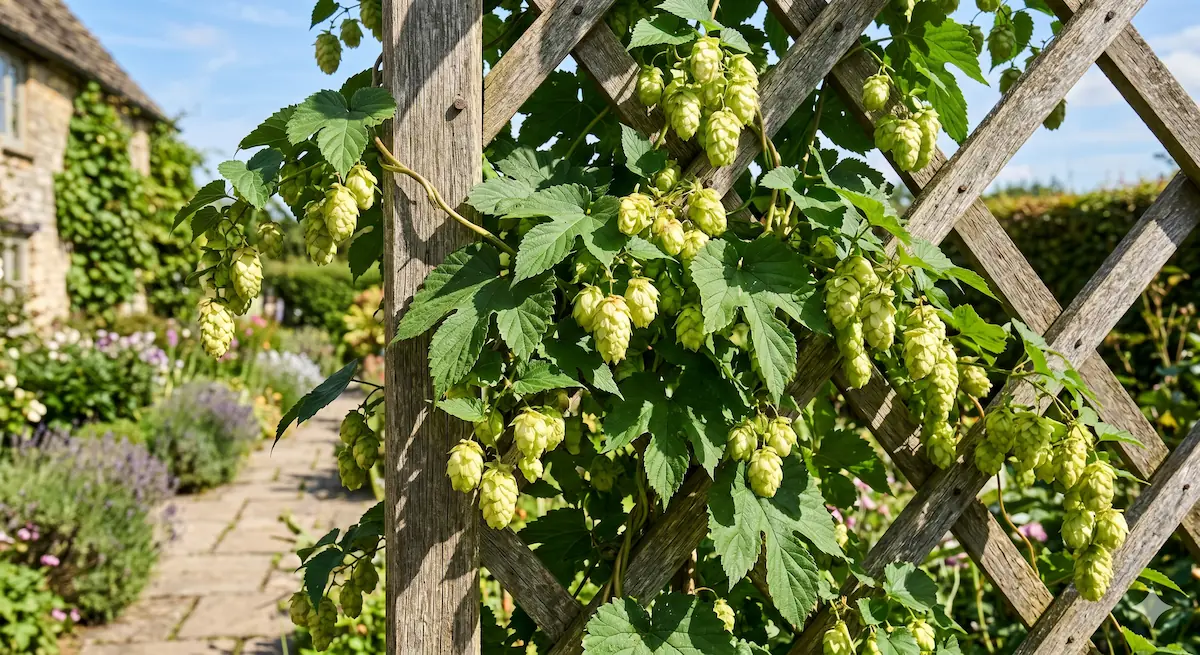
Hops: A Green Wall and Aromatic Cones
Hops are the fastest decorative vine for your garden. Learn how to provide sturdy support, why they love moisture, and how to control their growth so they don't take over the entire plot.
Read more →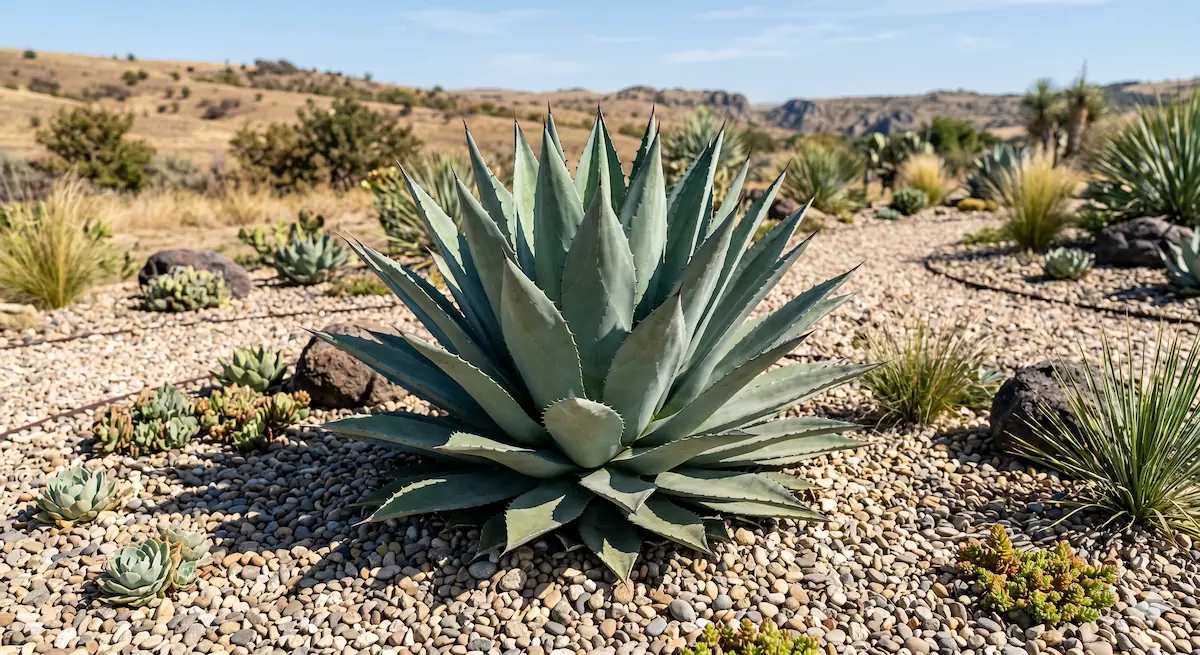
Agave: Architectural Beauty and Desert Resilience
Agave is a symbol of endurance. Learn why it blooms only once in a lifetime, how to provide perfect drainage, and which companions highlight its monumental form.
Read more →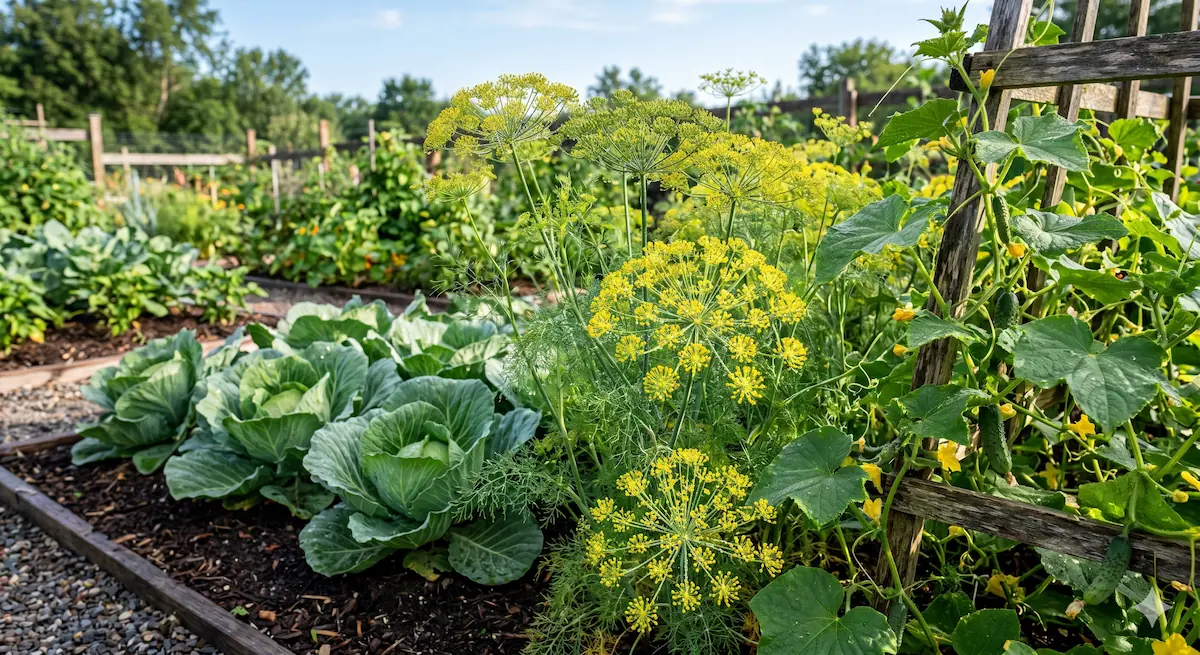
Dill Companion Planting: Ultimate Guide for the Pickling Season
Dill is the best friend for cucumbers but a deadly match for carrots. Discover 8 companion plants that love dill and how to grow lush greens without diseases.
Read more →