
Blossom End Rot on Tomatoes and Peppers: How to Save Fruit from Black Spots
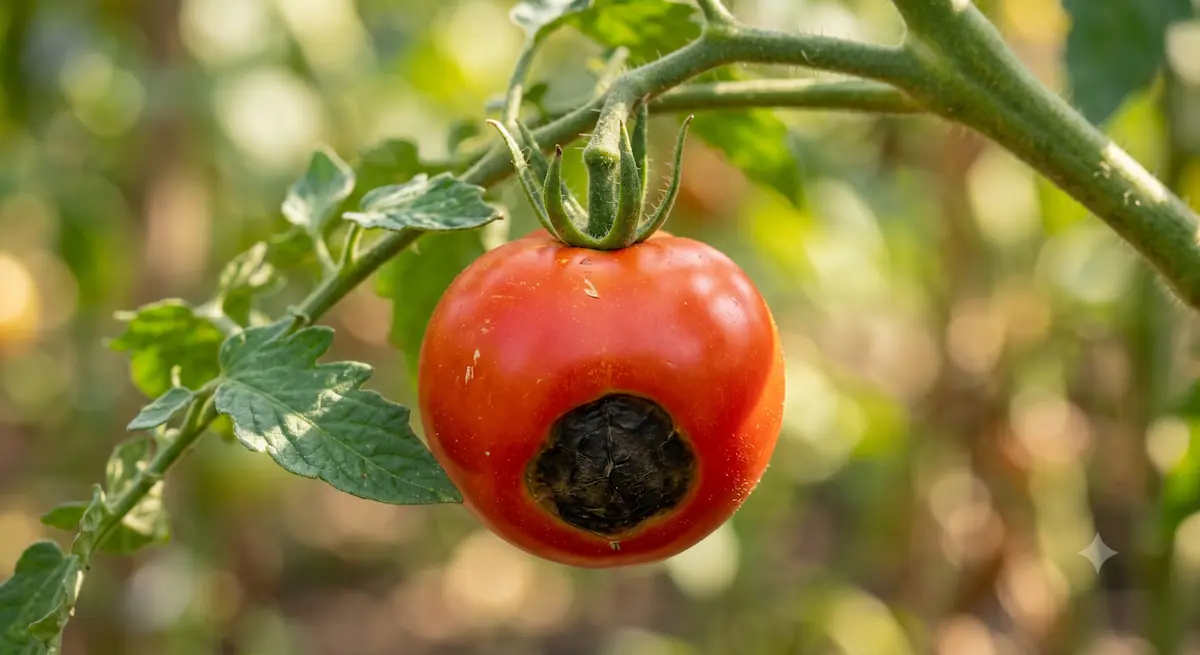
Dry black spots on the bottom of tomatoes and peppers indicate blossom end rot. Learn the causes of physiological calcium blockage in summer and treatment methods.
In the peak of the summer season, when long-awaited first fruits appear on the bushes, gardeners frequently notice a frustrating issue: the bottom part (the apex) of tomatoes or sweet peppers begins to darken, becomes flat, dry, and gets covered by a large black patch. This is blossom end rot. Many panic, considering it a dangerous fungus, but in reality, it is a physiological disorder triggered by an acute deficiency of one vital element.
1. The Real Cause of Blossom End Rot Appearance
The main culprit behind this issue is a calcium (Ca) deficiency inside the cellular structure of the fruit. Calcium is responsible for the strength of cell walls. However, the most interesting fact is that your soil might be full of calcium, but the plant simply cannot absorb it. Unlike elements found in mineral NPK fertilizers, calcium travels through the plant strictly via water movement during transpiration. If summer heatwaves hit and the soil dries hard, water movement stops, and fruits begin to starve.
2. Prevention: Consistent Irrigation and Thermal Balancing
The best way to protect your bushes is to maintain consistent soil moisture without sharp jumps from drought to a swampy state. Make sure to use a thick layer of mulch (straw) so the ground doesn't convert into a dry crust. If your plants grow inside a greenhouse, utilize shading nets covered in our guide on protecting the garden from heatwaves.
3. Table of Quick Relief for Blossom End Rot (Good)
| Treatment Remedy | How to Prepare and Apply Correctly Under the Bush? | Why Does It Work the Fastest? |
|---|---|---|
| Calcium Nitrate (Foliar) | Dilute 15-20 grams of calcium nitrate in 10 liters of water. Spray bushes over foliage and young fruit ovaries during evening hours. | Through leaf stomata, calcium enters fruit tissues directly within a few hours, halting the disorder. |
| Calcium Chloride (Ampoule) | 1 ampoule (10 ml) of 10% calcium chloride solution per 10 liters of water. Urgent foliar spraying over tomatoes and sweet peppers. | An easily bioavailable form of pure calcium that instantly resuscitates plant cells during droughts. |
| Deep Root Irrigation | Regular, deep watering with warm water in the morning (3-5 liters under every mature tomato bush). | Restores capillary juice movement from the root base up to the highest fruit clusters. |
4. Major Errors That Worsen Fruit Rot (Bad mistakes)
- Feeding with manure or poultry droppings during an outbreak: Organics are rich in nitrogen and potassium. An excess of potassium and magnesium in the soil works as a chemical antagonist to calcium — they will completely block its trace remnants in the ground, causing fruits to blacken even harder.
- Leaving infected fruits on the bush: A black dry patch will not heal. Do not force the bush to waste energy on a ruined tomato — pluck it off so the plant can direct all calcium supplies to new upper fruit ovaries.
AgroPlanner Tip: On acidic soils, blossom end rot manifests three times more frequently. In autumn, make sure to apply lime or chalk to beds where solanaceous crops are planned for next year. Control soil balance in our planner tool!
AgroPlanner App
Realize your dream garden: check plant compatibility, sun/shade needs, and save your plan easily.

Disclaimer
Important! All information in this blog is for recommendation purposes only. We are developers and enthusiasts, not certified agronomists. Results may vary based on your region, soil type, and weather. We are not responsible for potential errors or crop failures. Please verify critical advice independently!
Found this helpful? Share with friends!
Read more
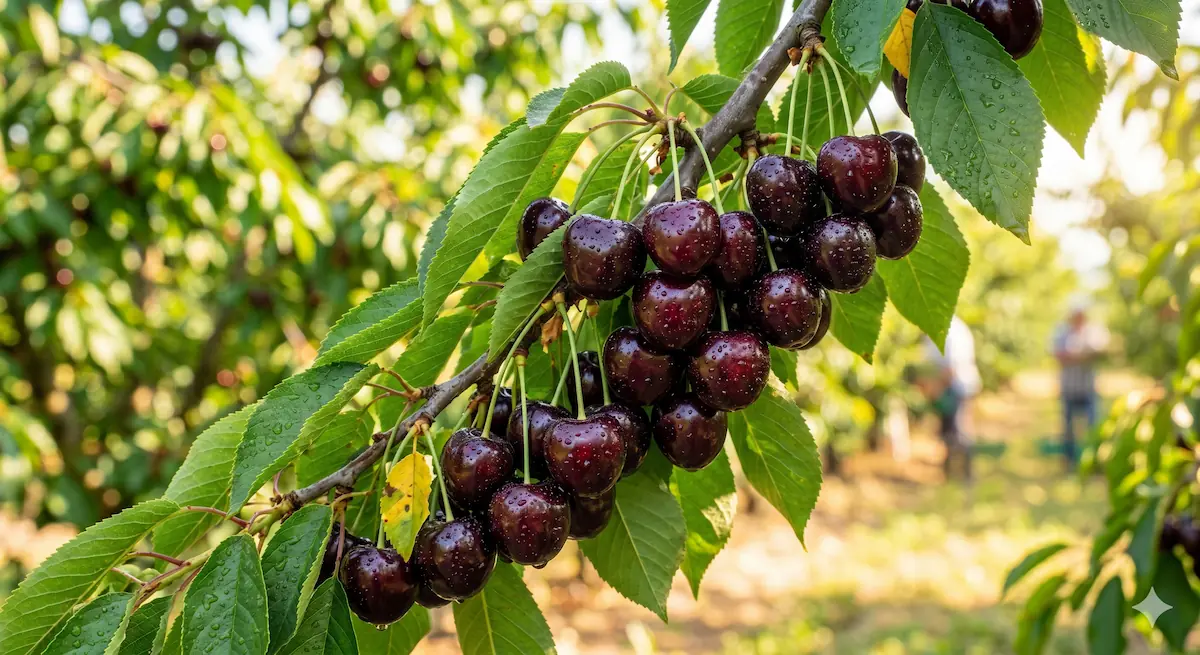
Sweet Cherry "Valeriy Chkalov": The Queen of Early Harvest
This variety is the benchmark for early sweet cherries. Learn why it needs a pollination partner, what soil ensures fruit sweetness, and how to protect it from late spring frosts.
Read more →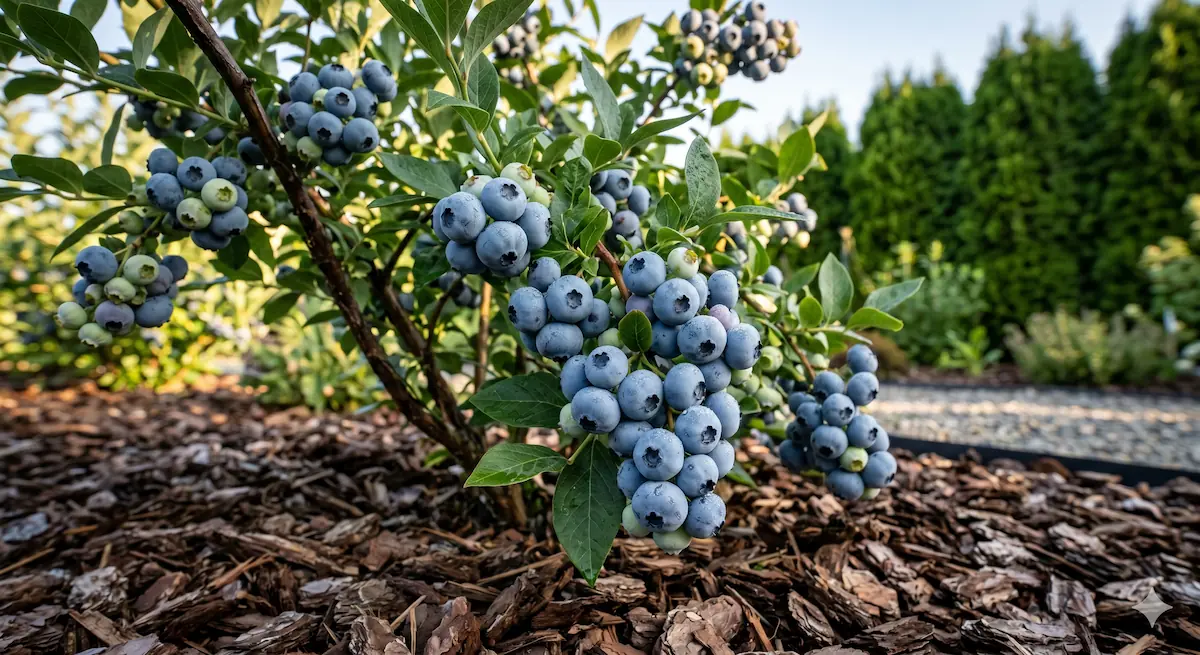
Blueberry "Bluecrop": The World's Favorite Variety
"Bluecrop" is the essential variety for any blueberry patch. Learn how to prepare perfect acidic soil, which plants pair best with blueberries, and why regular garden soil is toxic to them.
Read more →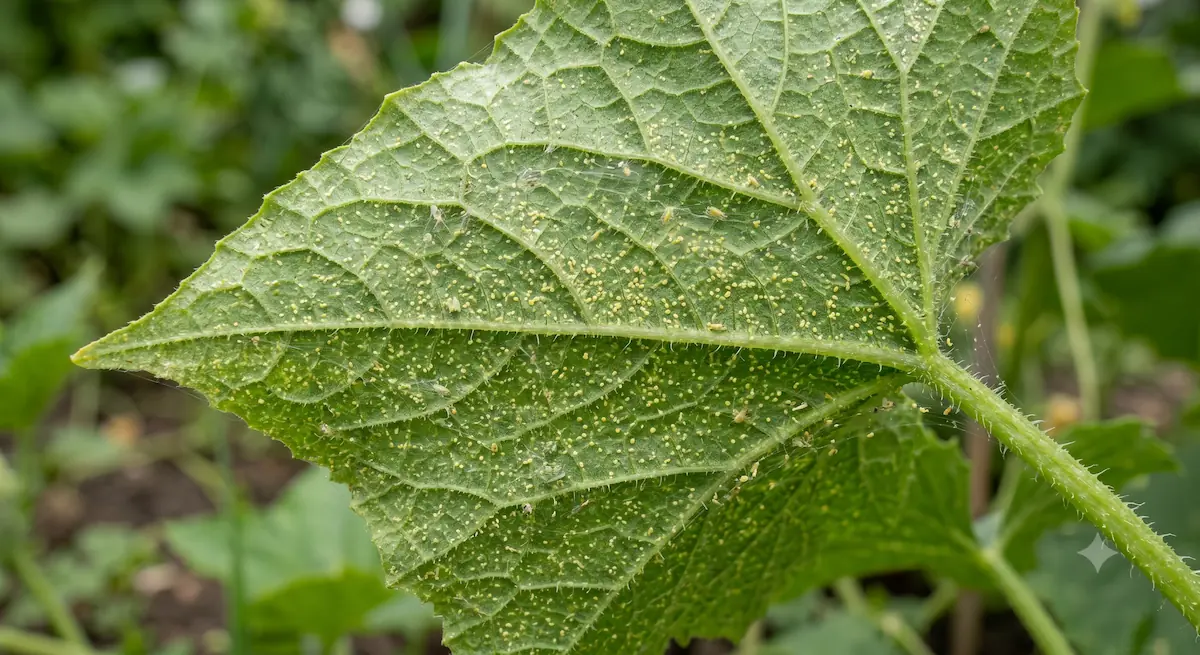
Spider Mites on Cucumbers and Peppers: How to Destroy the Pest in Summer
Dry summer heatwaves are ideal for spider mite reproduction. Learn the signs of patch infestation and the best natural and organic treatment methods.
Read more →