
Growing Celery: Secrets to Successful Juicy Stalks and Root Vegetables
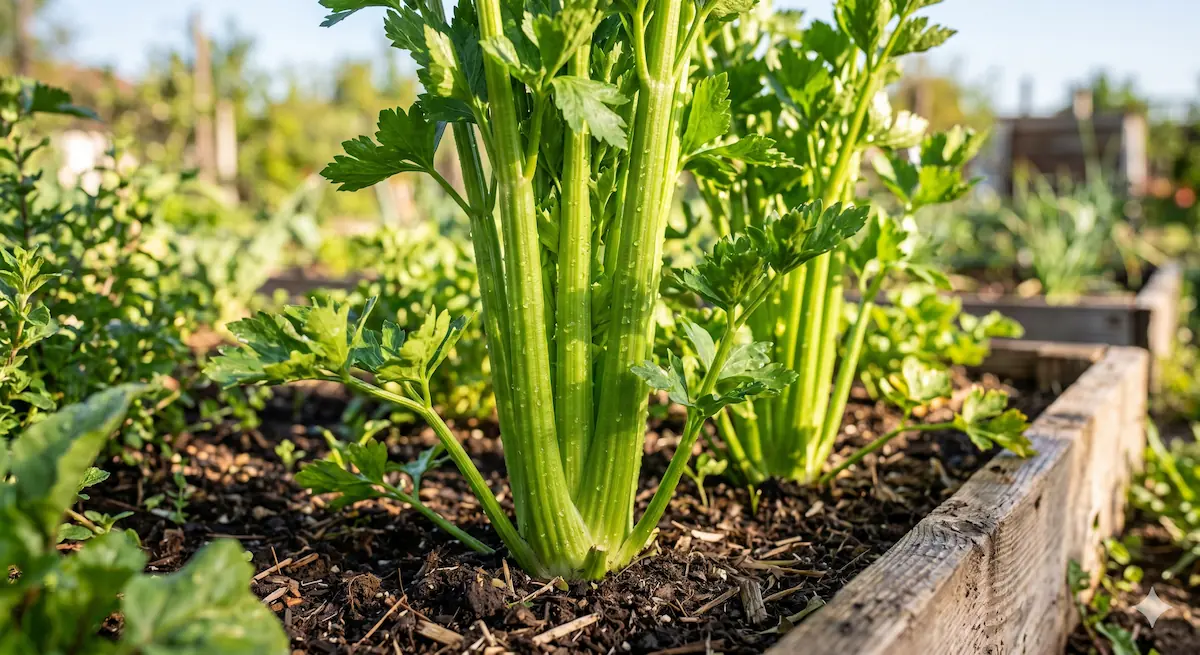
Celery care tips from AgroPlanner. Learn how to properly transplant seedlings in May, maintain a watering schedule, and the secrets of blanching stalks for better flavor.
Celery is a crop for patient gardeners, but the results are worth it. May is the perfect time for transplanting seedlings into the open ground. Since celery has a long growing season, every mistake at the start can affect the harvest quality. Let's figure out how to avoid them.
Transplanting Seedlings in May
Celery is very sensitive to cold during early growth. If planted in soil that is too cold, it may start flowering instead of developing roots or stalks.
- Hardening Off: Before transplanting, be sure to take the seedlings outside for a few hours daily over a week.
- Planting Depth: For root celery, it is vital not to bury the "heart" (the central growth point). If it's covered with soil, the root will grow deformed or won't form at all.
Water and Blanching — The Key to Flavor
Celery is a true "water-lover." Its homeland is marshy areas, so the hydration regime must be specific:
- Constant Moisture: Even a short drought makes the stalks fibrous and bitter. The soil should be like a damp sponge.
- Blanching (for stalk celery): 2-3 weeks before harvest, the stalks are hilled with soil or wrapped in paper. This is done so they become tender, white, and lose excess bitterness.
AgroPlanner Synergy and Tips
Celery is an excellent companion for cabbage and tomatoes. Its specific scent repels many cabbage pests, while tomatoes provide the light shade celery needs. In our AgroPlanner, we recommend using celery as a "protector" for your garden beds.
Remember that celery needs plenty of potassium and magnesium. Regular feeding with organic fertilizers will help you achieve a truly royal harvest!
AgroPlanner App
Realize your dream garden: check plant compatibility, sun/shade needs, and save your plan easily.

Disclaimer
Important! All information in this blog is for recommendation purposes only. We are developers and enthusiasts, not certified agronomists. Results may vary based on your region, soil type, and weather. We are not responsible for potential errors or crop failures. Please verify critical advice independently!
Found this helpful? Share with friends!
Read more
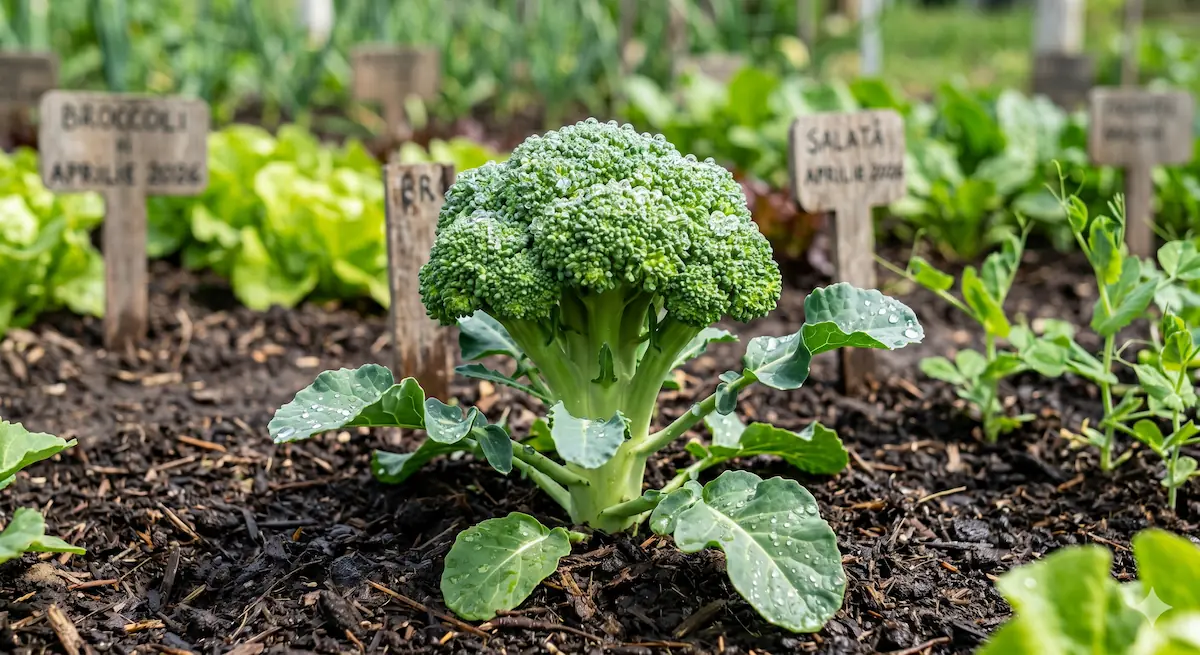
Broccoli: Secrets of Growing the Healthy Superfood in Your Garden
How to grow the perfect broccoli: moisture requirements, choosing the right soil type, and why this superfood cannot stand being near strawberries.
Read more →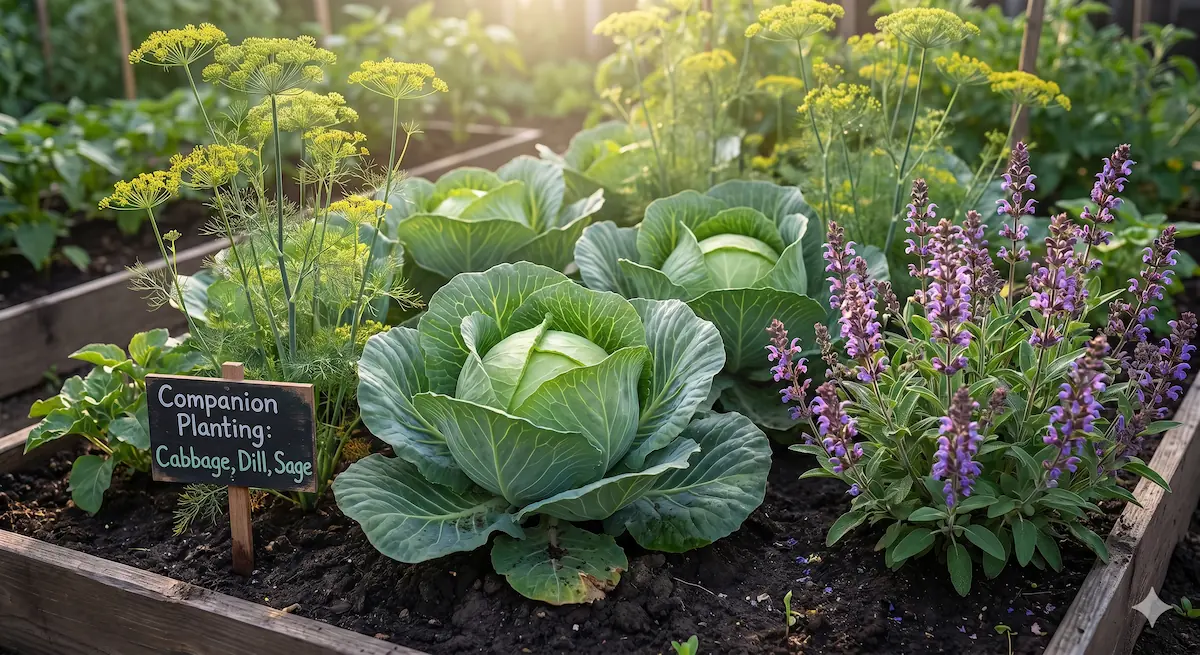
Cabbage Companion Planting: Natural Pest Protection
Cabbage often suffers from insect invasions. Learn which neighbors help repel whiteflies and caterpillars, and who competes with cabbage for nutrients.
Read more →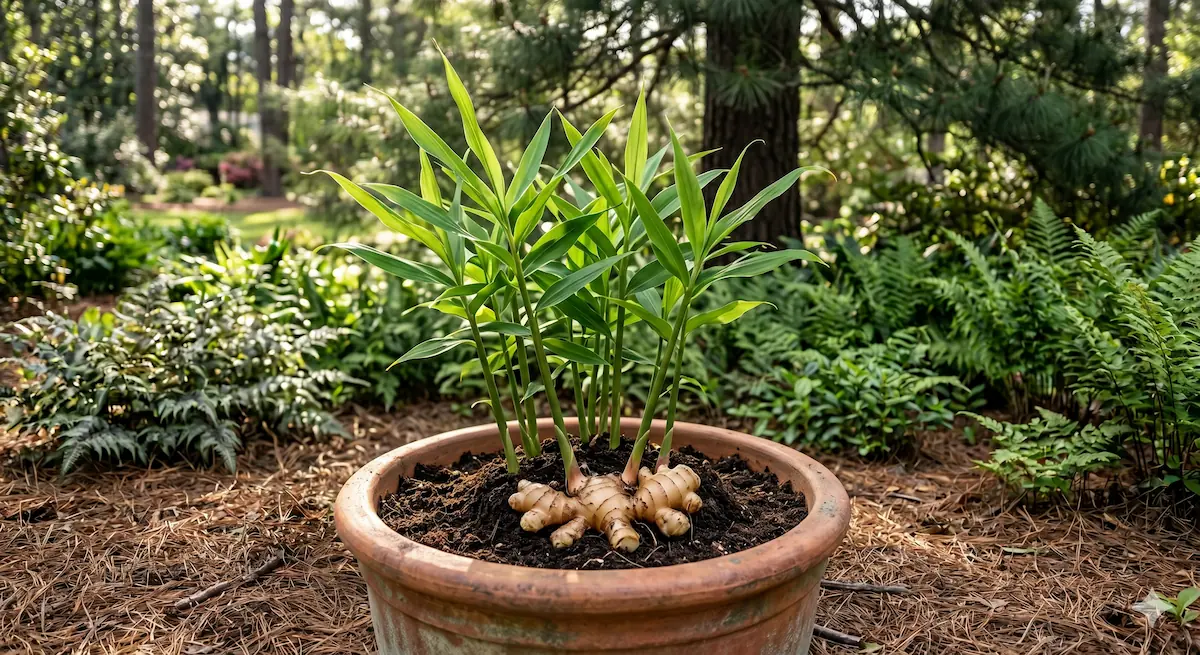
Ginger: How to Successfully Grow the Exotic Root at Home
Growing your own ginger is easier than it looks. Learn about its soil needs, why it fears direct sun, and which plants make its best companions.
Read more →