
Ginger: How to Successfully Grow the Exotic Root at Home
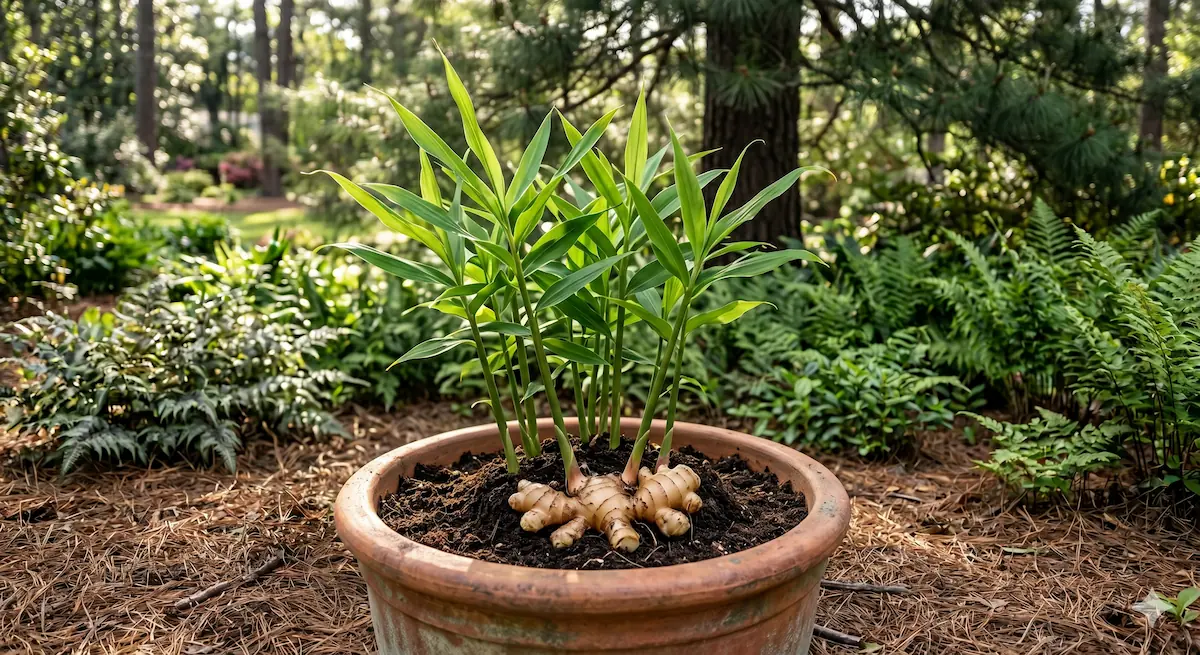
Growing your own ginger is easier than it looks. Learn about its soil needs, why it fears direct sun, and which plants make its best companions.
Ginger is a tropical perennial plant prized for its spicy rhizome. You can grow it in the open ground (during the warm season) or in pots indoors. Keep in mind that ginger has a long growing season (up to 10 months), so patience is your primary tool.
Soil: Where Does the Root Get Its Juice?
Ginger requires very loose soil so the rhizome can expand freely. If the soil is too heavy, the root will be small and deformed.
- Best Choice: Fertile Loamy soils (Type 1) or Sandy Loams (Type 2) with plenty of compost.
- Soil Check: Perform the sausage test. A cracking ring (Type 1) is ideal: the roots get both nutrition and necessary oxygen.
Best Companions (Good)
- Legumes (Beans, Peas): Enrich the soil with nitrogen, which ginger consumes heavily for its lush foliage.
- Chili and Peppers: Share similar requirements for heat and humidity, making them great row partners.
- Lemongrass: Acts as a natural pest barrier and supports a tropical microclimate.
Main Enemies and Hazards (Bad)
- Walnut Trees: The toxic juglone will stop ginger growth immediately. Never plant it under a walnut canopy.
- Harsh Direct Sun: Midday sun can scorch the delicate leaves. Ginger prefers dappled light.
- Waterlogging: Without proper drainage, the rhizome will simply rot.
AgroPlanner Tip: Ginger grows horizontally. In our app, it occupies a 1x1 or 2x2 grid depending on the rhizome size. Be sure to check the **Sun/Shade status**—ginger needs filtered light. The system will flag proximity to walnuts in red if you move your ginger pots outside for the summer.
AgroPlanner App
Realize your dream garden: check plant compatibility, sun/shade needs, and save your plan easily.

Disclaimer
Important! All information in this blog is for recommendation purposes only. We are developers and enthusiasts, not certified agronomists. Results may vary based on your region, soil type, and weather. We are not responsible for potential errors or crop failures. Please verify critical advice independently!
Found this helpful? Share with friends!
Read more
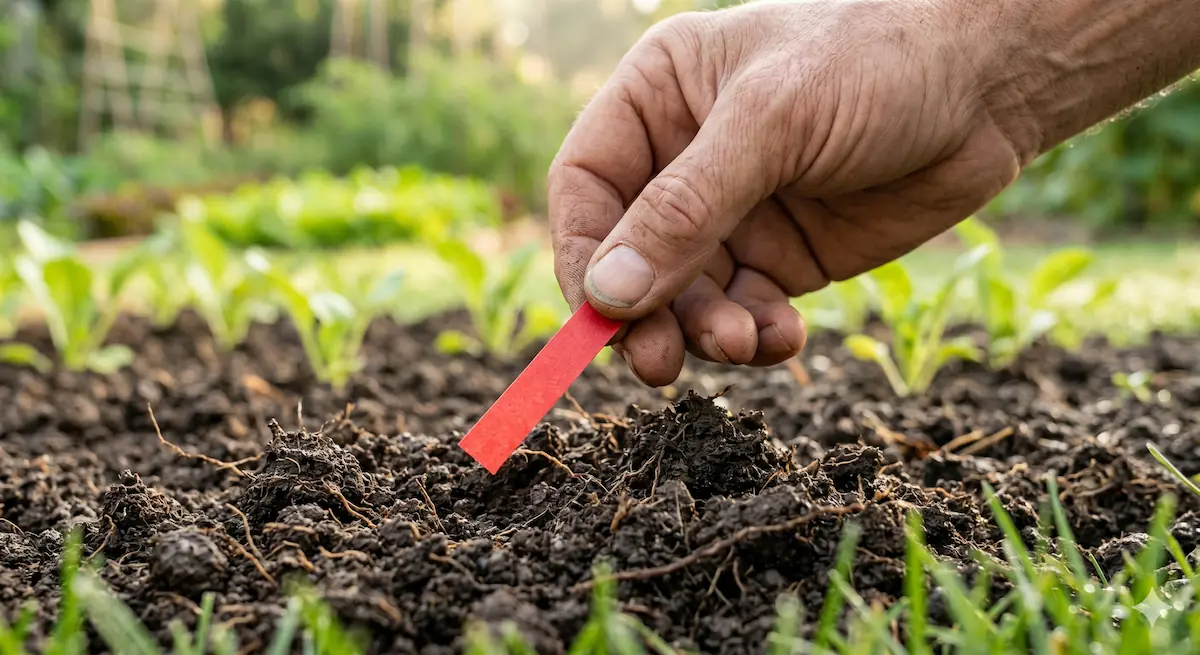
Soil pH: The Secret Key to Why Your Fertilizers Might Be Failing
Learn how to test soil acidity using household items and why the pH level is crucial for your plants' health and nutrient absorption.
Read more →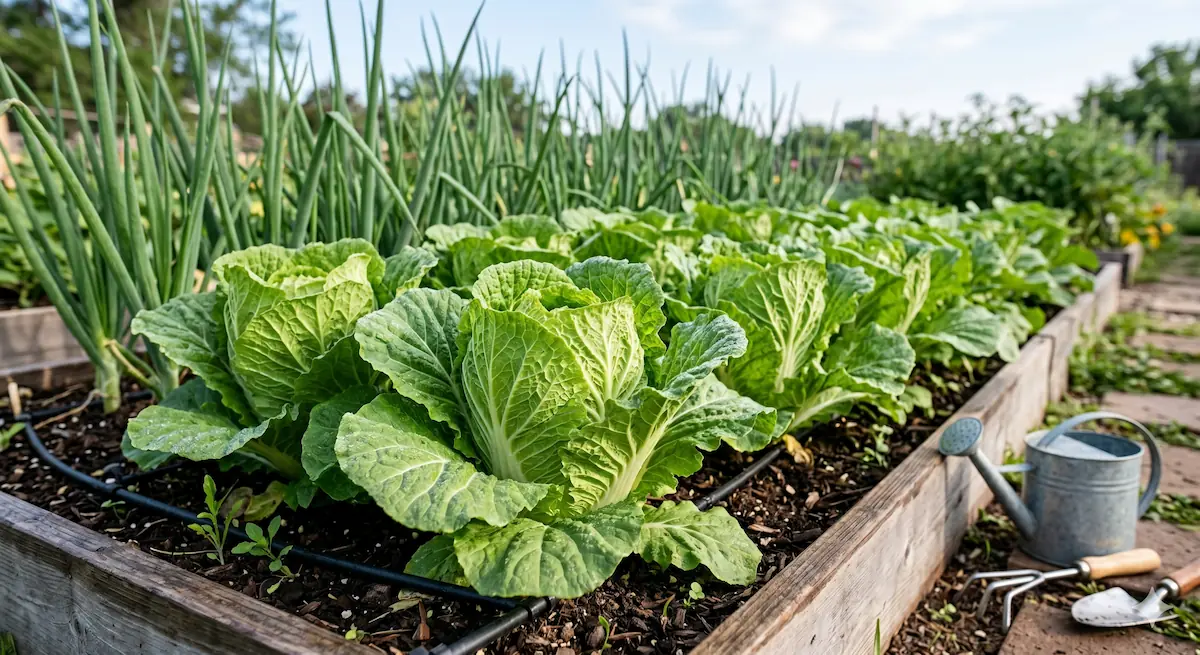
Beijing Cabbage: Secrets to Juicy Heads and Proper Companionship
Peking cabbage is a delicate crop that loves cool weather and correct soil. Learn how to avoid bolting and protect your harvest from pests.
Read more →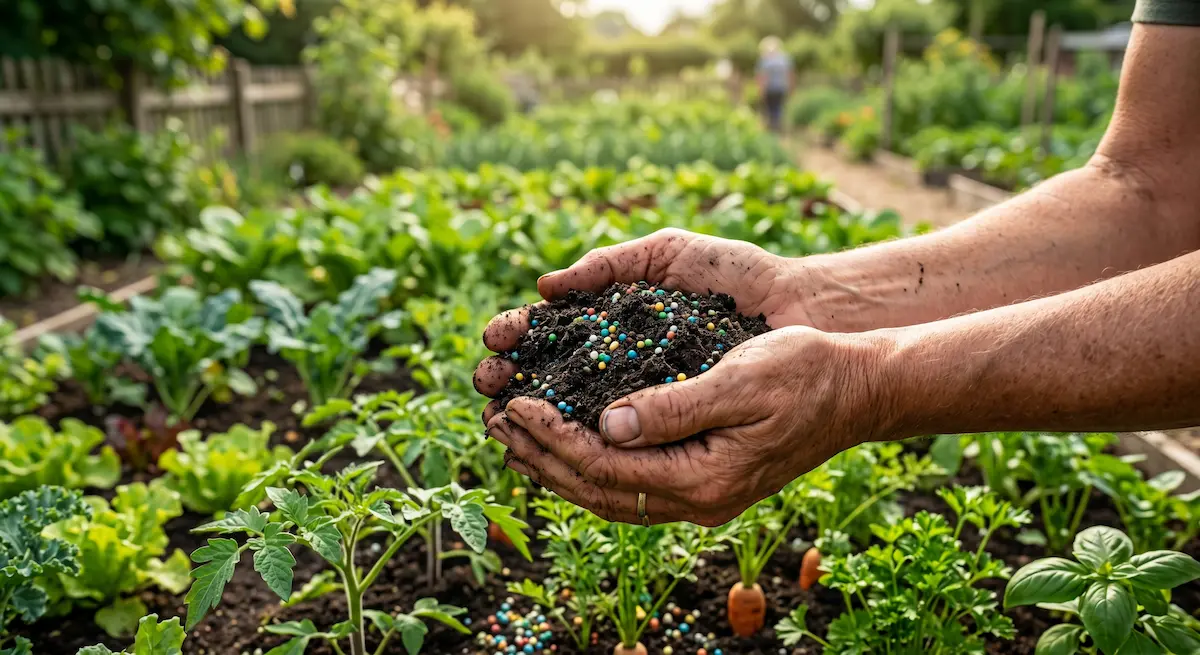
Plant Fertilizer ABCs: Understanding How and When to Feed Your Garden
Plants can't talk, but their appearance clearly signals hunger. A complete breakdown of macronutrients (N-P-K), and the difference between organic and mineral.
Read more →