
Cilantro: How to Grow Fragrant Greens and Prevent Bolting
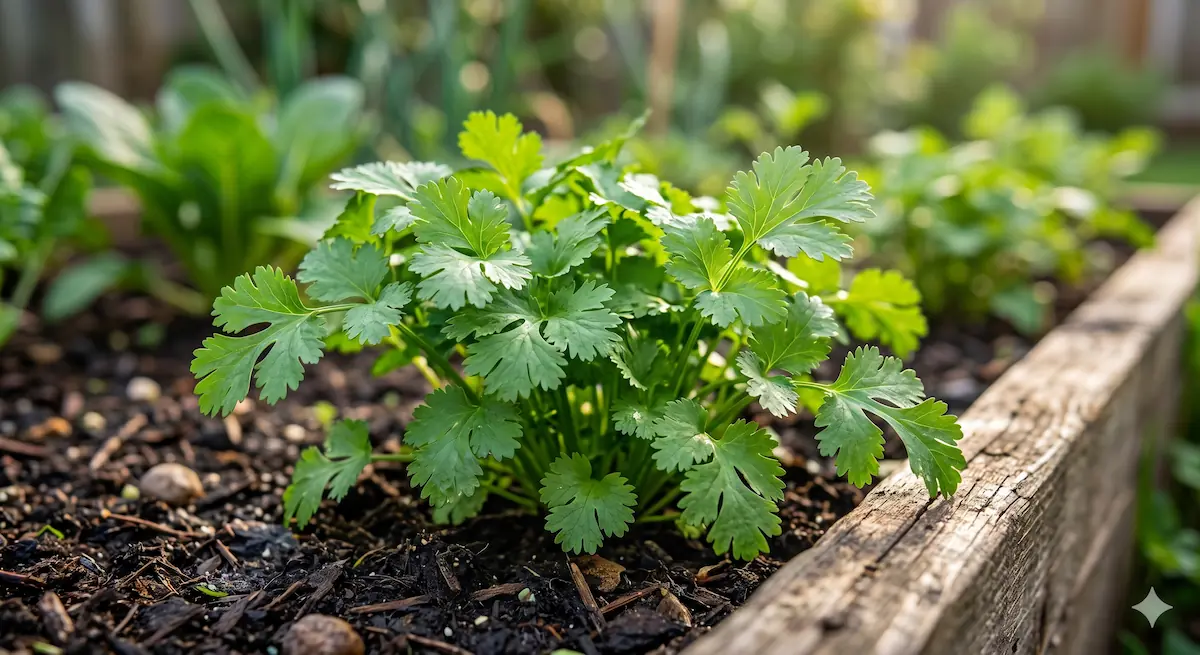
Learn why cilantro goes to seed so quickly and how to harvest juicy leaves all season long. Coriander growing secrets and care tips from AgroPlanner.
Cilantro (or coriander) is one of the most controversial herbs: you either love it or you don't. But for the gardener, it's tricky for another reason: as soon as you relax, a lonely seed umbrella appears instead of a lush bush. Let's figure out how to "tame" this crop.
The Main Secret: Cold and Daylight
Cilantro is a cool-season plant. As soon as the summer heat sets in and the daylight hours get longer, the plant immediately switches to reproduction (flowering) mode.
- Early Start: Plant cilantro in mid-April. It’s not afraid of light frosts and loves the moist spring soil.
- Conveyor Method: To have greens on the table constantly, sow new seeds every 2 weeks. Cilantro grows fast and finishes fast, so constant renewal is the best option.
Watering and Harvesting
To ensure the leaves are tender and fragrant, any stress to the plant must be eliminated:
- Consistent Moisture: Drying soil is a sure signal for cilantro to start flowering. Watering should be regular, especially on sunny days.
- Correct Cutting: Start harvesting when the bush reaches a height of 10-15 cm. Cut only the outer leaves, leaving the growth point in the center so the bush continues to develop.
Companion Planting
In the AgroPlanner system, we recommend planting cilantro next to potatoes or legumes. Its specific scent helps repel some pests, while it doesn't compete with larger plants for nutrients.
If you're too late and the cilantro has flowered—don't worry! Let the seeds (coriander) ripen. Homegrown coriander is much more aromatic than store-bought and will be an excellent spice for your kitchen.
AgroPlanner App
Realize your dream garden: check plant compatibility, sun/shade needs, and save your plan easily.

Disclaimer
Important! All information in this blog is for recommendation purposes only. We are developers and enthusiasts, not certified agronomists. Results may vary based on your region, soil type, and weather. We are not responsible for potential errors or crop failures. Please verify critical advice independently!
Found this helpful? Share with friends!
Read more
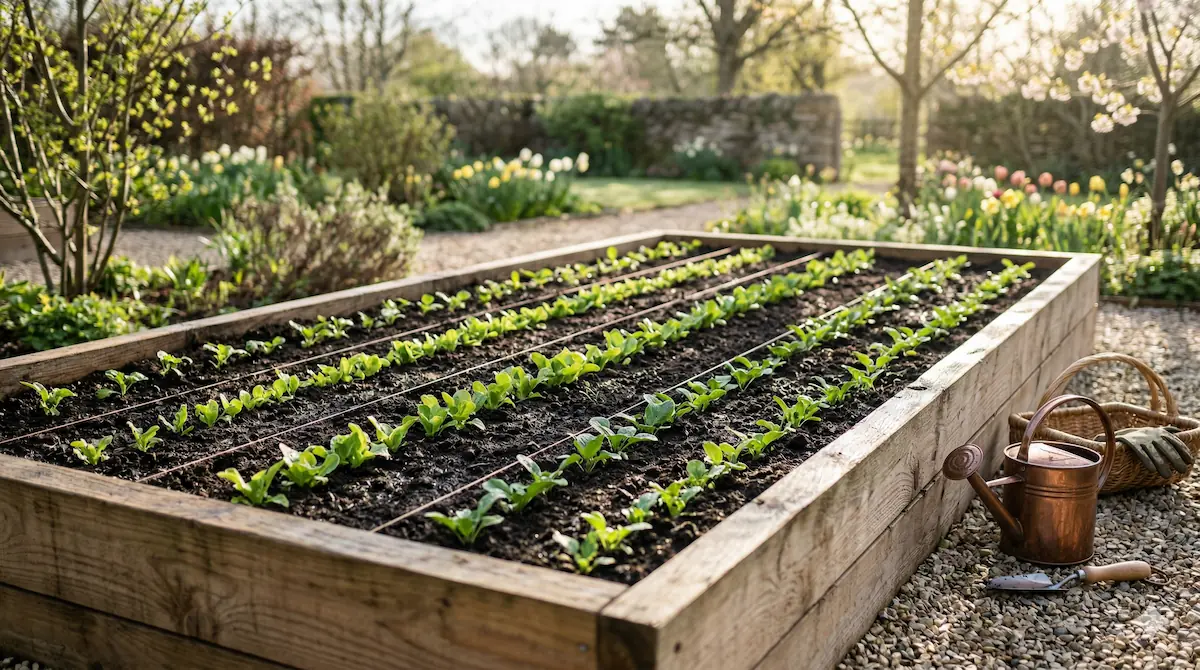
Planning a Perfect Garden from Scratch: A Step-by-Step Guide
Starting your first gardening season? This simple guide will help you create your dream garden without the stress.
Read more →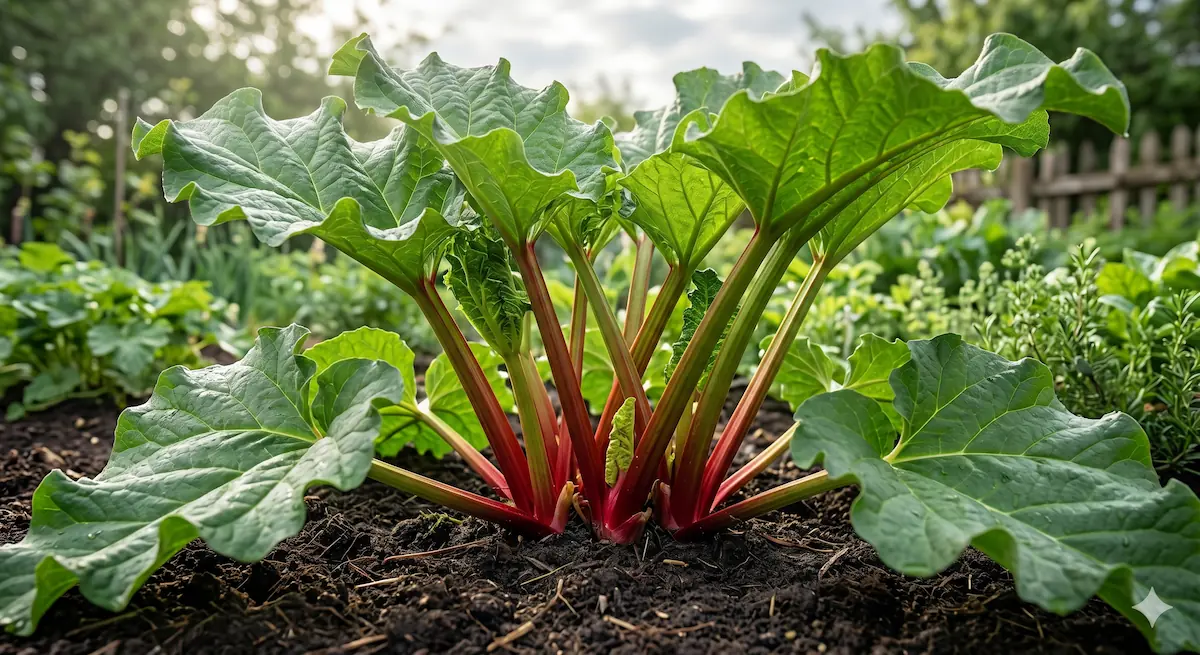
Rhubarb: The Vitamin Giant That Wakes Up First
Rhubarb is the season's first vitamin bomb. Learn why it loves organics, how to harvest correctly (without cutting!), and why rhubarb leaves should never end up on your plate.
Read more →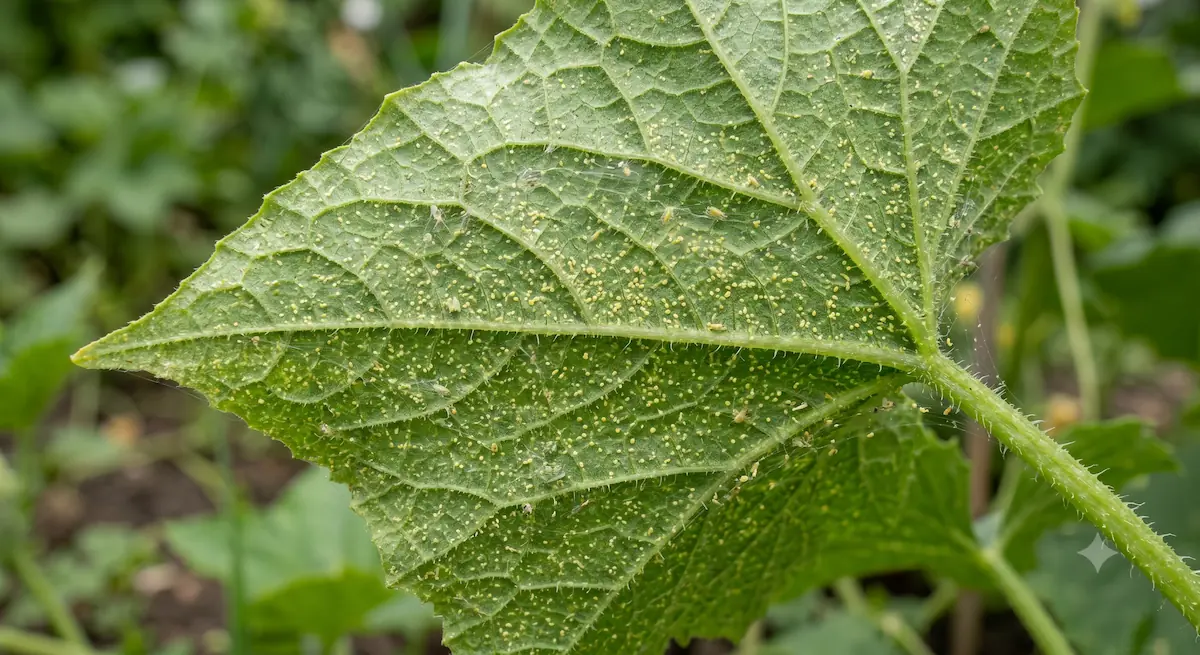
Spider Mites on Cucumbers and Peppers: How to Destroy the Pest in Summer
Dry summer heatwaves are ideal for spider mite reproduction. Learn the signs of patch infestation and the best natural and organic treatment methods.
Read more →