
Rhubarb: The Vitamin Giant That Wakes Up First
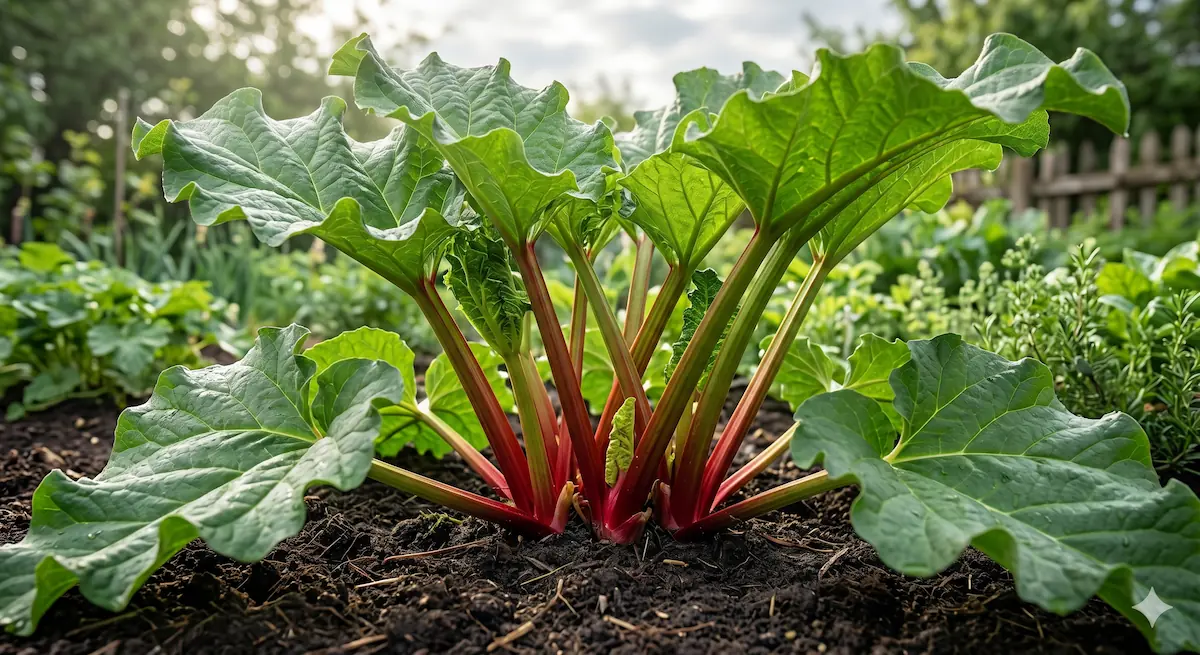
Rhubarb is the season's first vitamin bomb. Learn why it loves organics, how to harvest correctly (without cutting!), and why rhubarb leaves should never end up on your plate.
Rhubarb (Rheum rhabarbarum) is a powerful perennial plant prized for its juicy, tart stalks. It can grow in one spot for up to 15 years, getting larger with each passing season. Important note: only the stalks are edible! Rhubarb leaves contain high concentrations of oxalic acid, making them toxic to humans and pets.
Soil: Where Does Rhubarb Grow Into a Real Giant?
Rhubarb is a heavy feeder. It needs plenty of nutrients and consistent moisture to produce its massive stalks.
- Best Choice: Fertile, deeply cultivated Loamy soils (Type 1) with plenty of compost or humus.
- Soil Check: Perform the sausage test. If the soil rolls into a flexible stick (Type 1), it’s ideal: the ground will retain the moisture needed for stalk juiciness.
Best Companions (Good)
Rhubarb has expansive leaves that create shade, so its neighbors must be resilient:
- Brassicas (Cabbage): Rhubarb helps deter certain cabbage pests.
- Strawberries: A classic pairing not just in pies, but in the garden (as long as rhubarb doesn't overshade the berries).
- Onions: They coexist well without competing for root depth.
Main Enemies (Bad)
- Walnut Trees: Walnut juglone is a slow death for rhubarb. Keep them as far apart as possible.
- Large Trees: Competition for water and too much deep shade will make rhubarb stalks thin and stringy.
- Perennial Weeds: Quackgrass can "choke" the rhubarb crown, so keeping the bed clean during the first years is crucial.
AgroPlanner Tip: Rhubarb takes up quite a bit of space due to its massive leaves. In our app, it occupies a 2x2 grid. The system will check if the rhubarb is blocking light for smaller neighbors and will flag the walnut toxic zone in red to ensure your perennial grows healthy for years to come.
AgroPlanner App
Realize your dream garden: check plant compatibility, sun/shade needs, and save your plan easily.

Disclaimer
Important! All information in this blog is for recommendation purposes only. We are developers and enthusiasts, not certified agronomists. Results may vary based on your region, soil type, and weather. We are not responsible for potential errors or crop failures. Please verify critical advice independently!
Found this helpful? Share with friends!
Read more
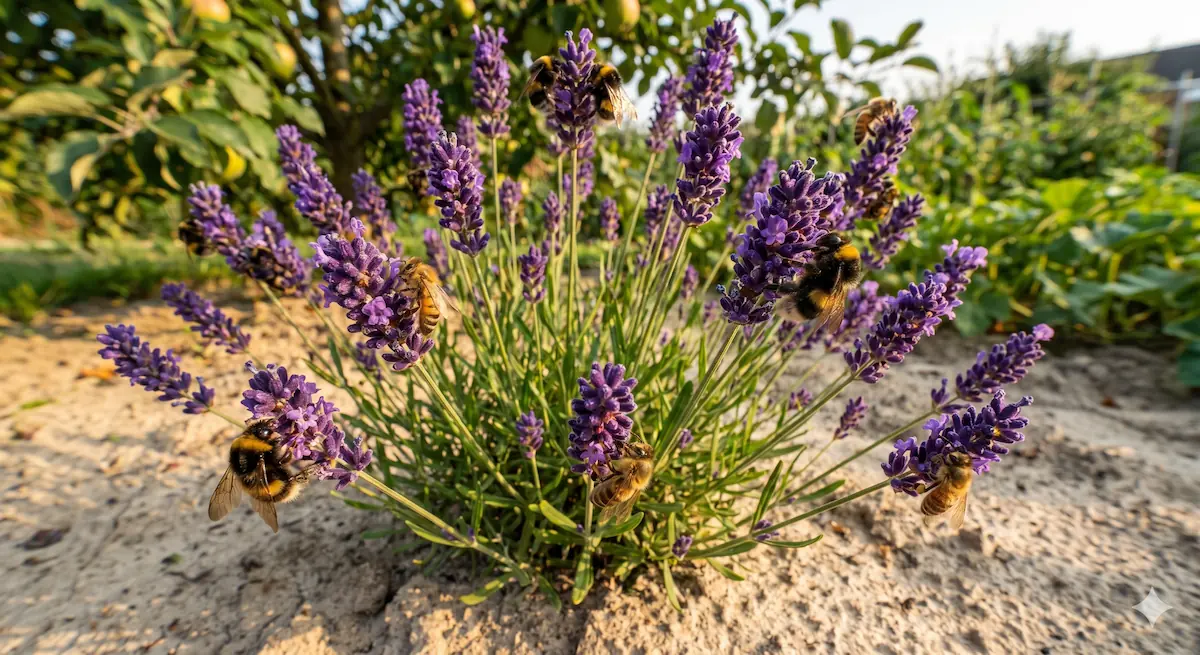
Lavender in the Garden: Growing a Pollinator Magnet and Moth Repellent
Discover why lavender is the perfect companion for fruit trees and cabbage. Tips for growing in sandy soil and using it in our garden planner for a better harvest.
Read more →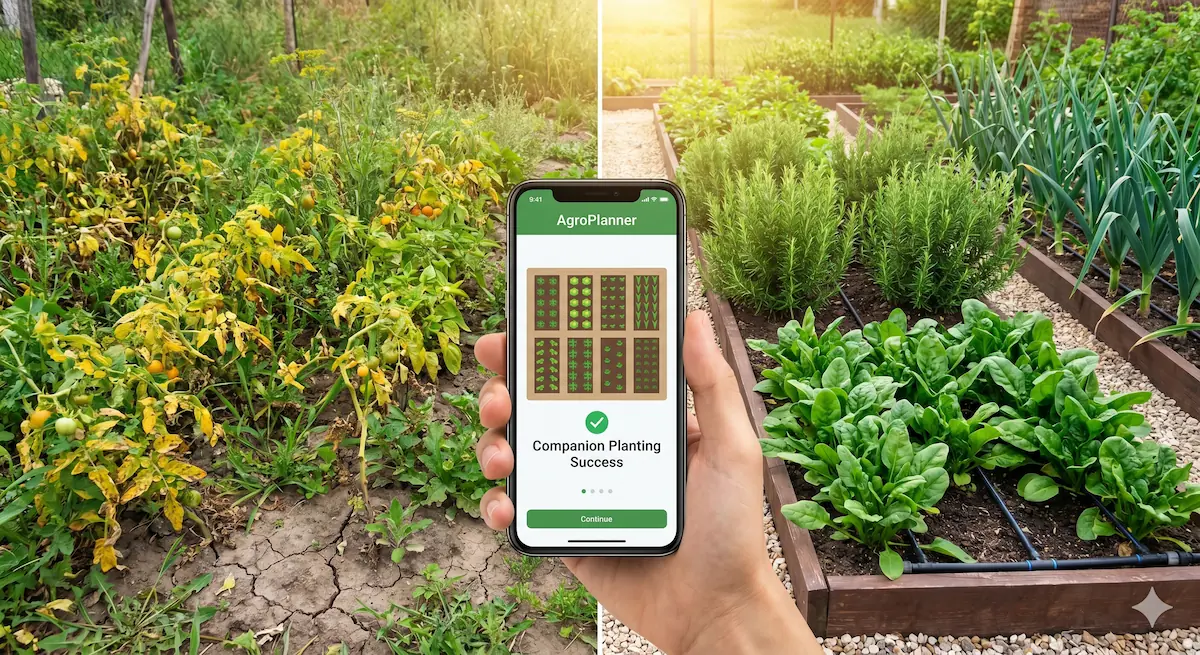
5 Critical Garden Planning Mistakes: How Not to Lose Your Harvest
Bad neighbors, shading, and the wrong soil — discover the mistakes that even experienced gardeners make. Tips on planting rosemary, spinach, and leeks from AgroPlanner.
Read more →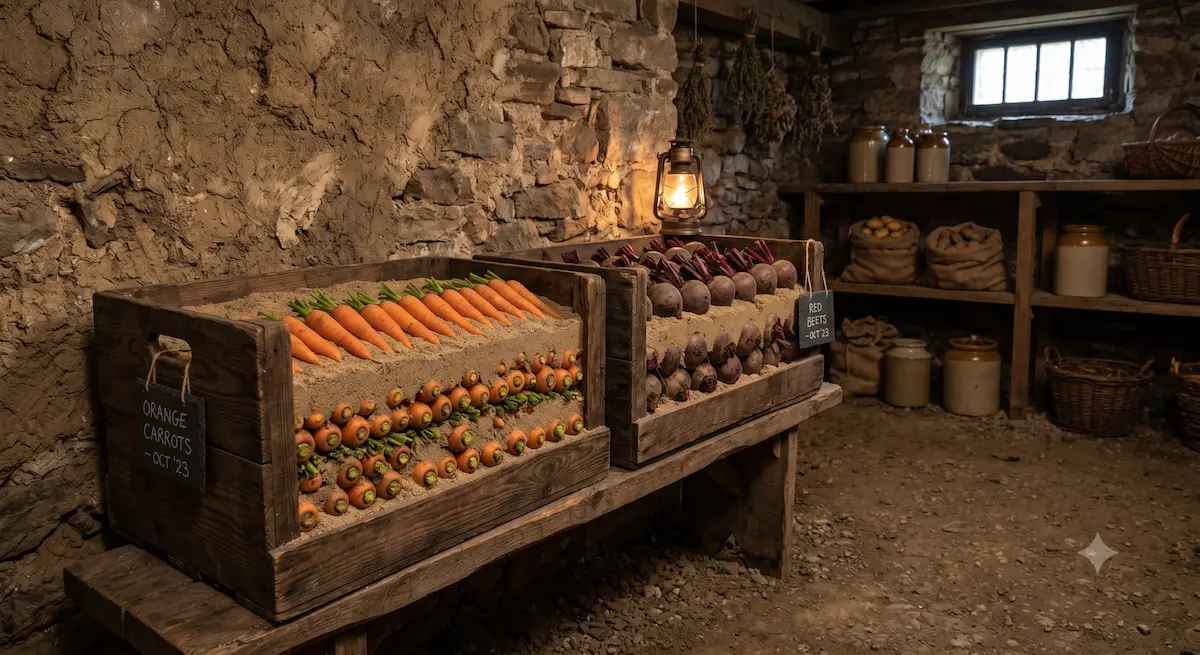
When to Harvest and How to Store Carrots and Beetroot for Winter: Full Guide
Improper storage turns carrots and beetroots into a soft, wrinkled mass. Learn autumn harvest timelines and secrets of storing roots in sand.
Read more →