
Compost 2.0: Turning Kitchen Waste into "Black Gold"
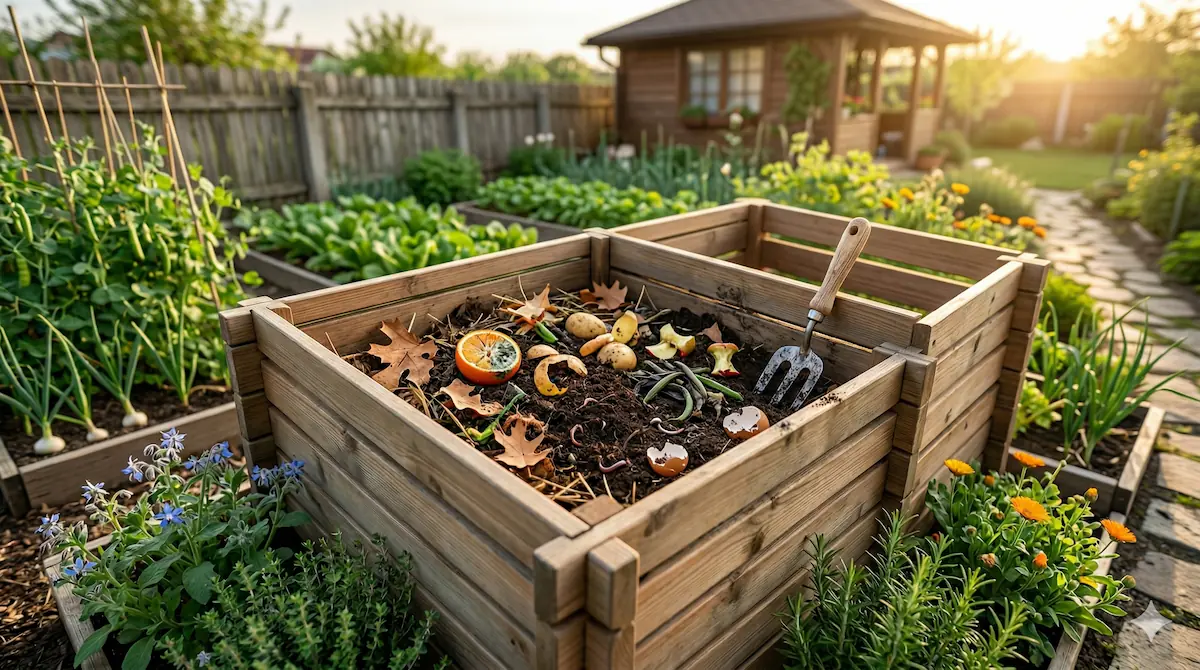
Stop throwing money in the trash. Learn the secret of fast composting without smells or flies.
Many consider a compost pile a dirty, smelly part of the garden that should be hidden away. Но professional gardeners know: compost is the heart of your plot. It's the best fertilizer in the world, and you get it absolutely for free. You just need to know the right formula.
The Perfect Compost Formula: Green + Brown
The main mistake is throwing everything in a pile randomly. The magic of decomposition requires a balance of two ingredients:
- "Green" (Nitrogen): Freshly cut grass, kitchen scraps, weeds without seeds. This is the "fuel" for bacteria.
- "Brown" (Carbon): Dry leaves, straw, cardboard, sawdust. This is the "skeleton" of the pile that allows air access.
The ideal proportion is 1 part green to 2-3 parts brown. If the pile smells, there's too much green. If it doesn't decompose, there's too much brown.
3 Secrets to Fast Compost
- Shredding: The smaller the particles, the faster bacteria will consume them. Simply run a lawnmower over a pile of leaves before throwing them into the compost.
- Air (Turning): Compost needs oxygen. Turn the pile with a pitchfork at least once every two weeks, and you'll get ready-to-use fertilizer twice as fast.
- Moisture: Compost should be like a wrung-out sponge — moist but not wet.
AgroPlanner Tip: Compost is perfect for mulching your beds. It not only holds water but also gradually feeds plants throughout the season. Use the Virtual Garden Bed to mark where you've already added compost to avoid overfeeding plants that prefer poor soil.
Creating compost is the ultimate expression of caring for your land. Start today, and next year your garden will reward you with a harvest you could only dream of.
AgroPlanner App
Realize your dream garden: check plant compatibility, sun/shade needs, and save your plan easily.

Disclaimer
Important! All information in this blog is for recommendation purposes only. We are developers and enthusiasts, not certified agronomists. Results may vary based on your region, soil type, and weather. We are not responsible for potential errors or crop failures. Please verify critical advice independently!
Found this helpful? Share with friends!
Read more
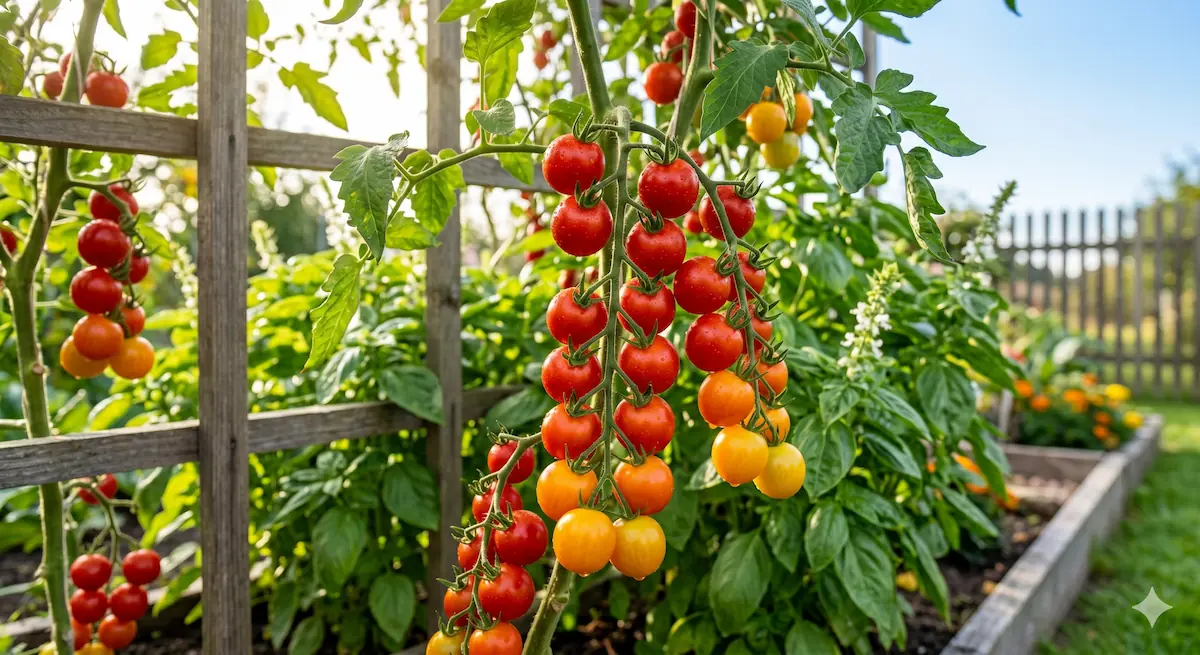
Cherry Tomatoes: How to Grow a Sweet Dessert Right in Your Garden
Cherry tomatoes aren't just mini versions of regular ones. Learn about their growing characteristics, soil choice, and why they need special planning in AgroPlanner.
Read more →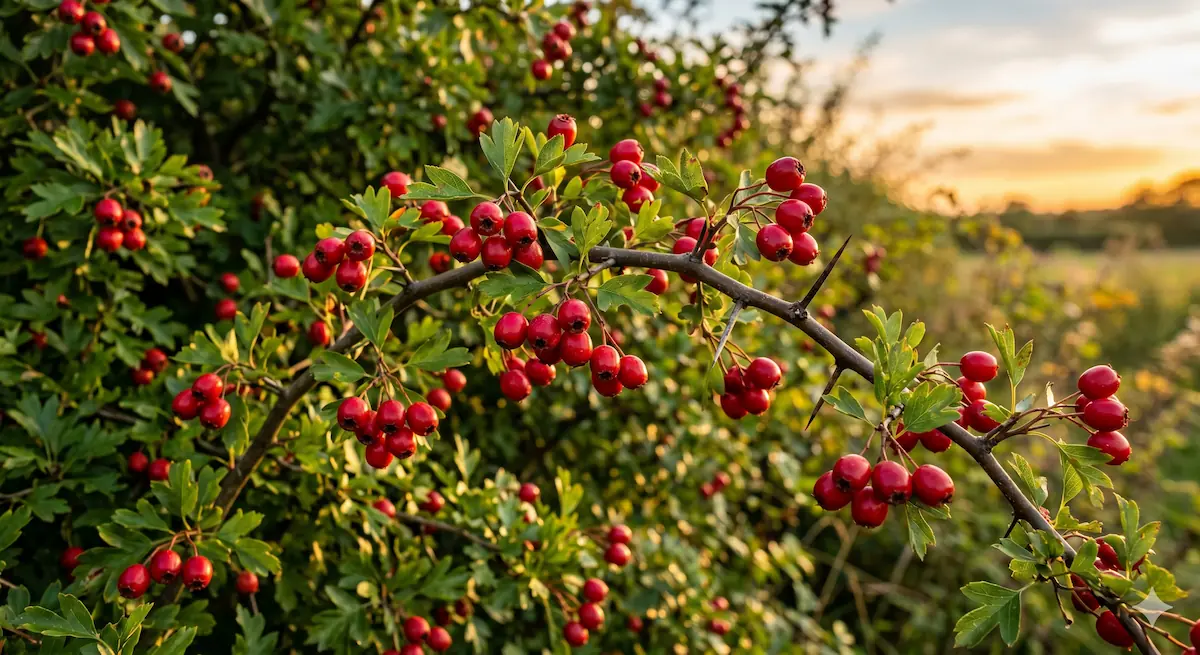
Hawthorn: A Thorny Pharmacy in Your Garden
Hawthorn combines resilience with health benefits. Learn how to create an impenetrable fence, why it fears no drought, and how to harvest berries for heart health.
Read more →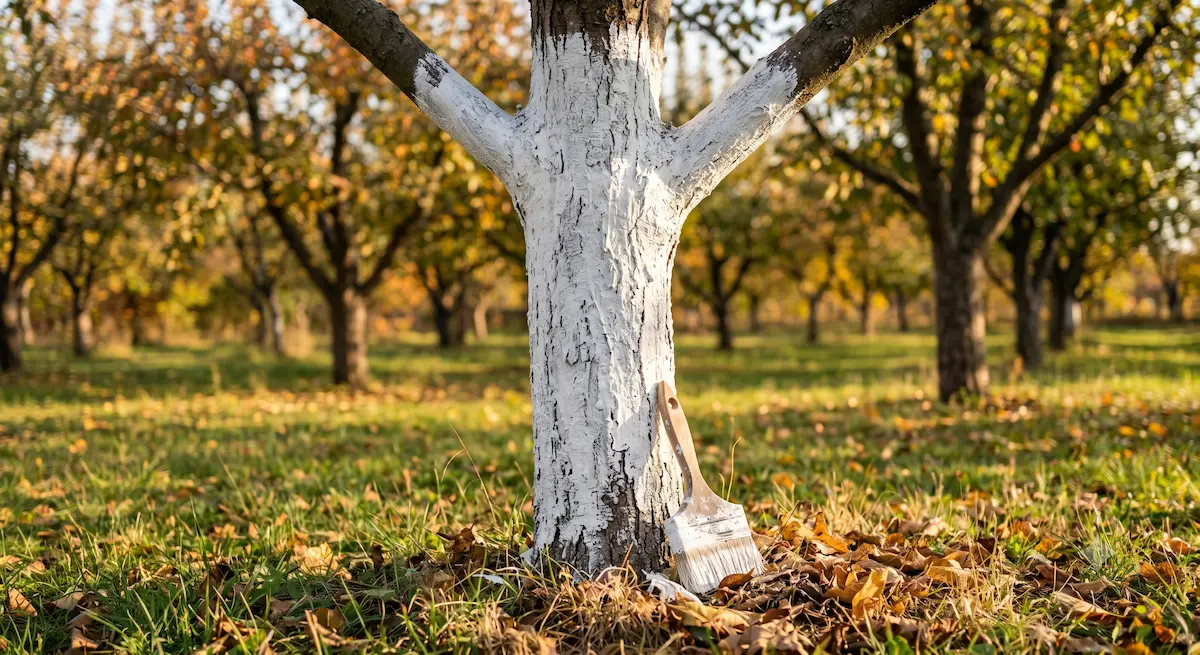
Orchard Whitewashing in Autumn: Protecting Fruit Tree Bark from Frost Cracks
Whitewashing trunks at the end of the season protects bark from winter sunscald and pests. Complete guide to preparing the mix and treating trees.
Read more →