
Orchard Whitewashing in Autumn: Protecting Fruit Tree Bark from Frost Cracks
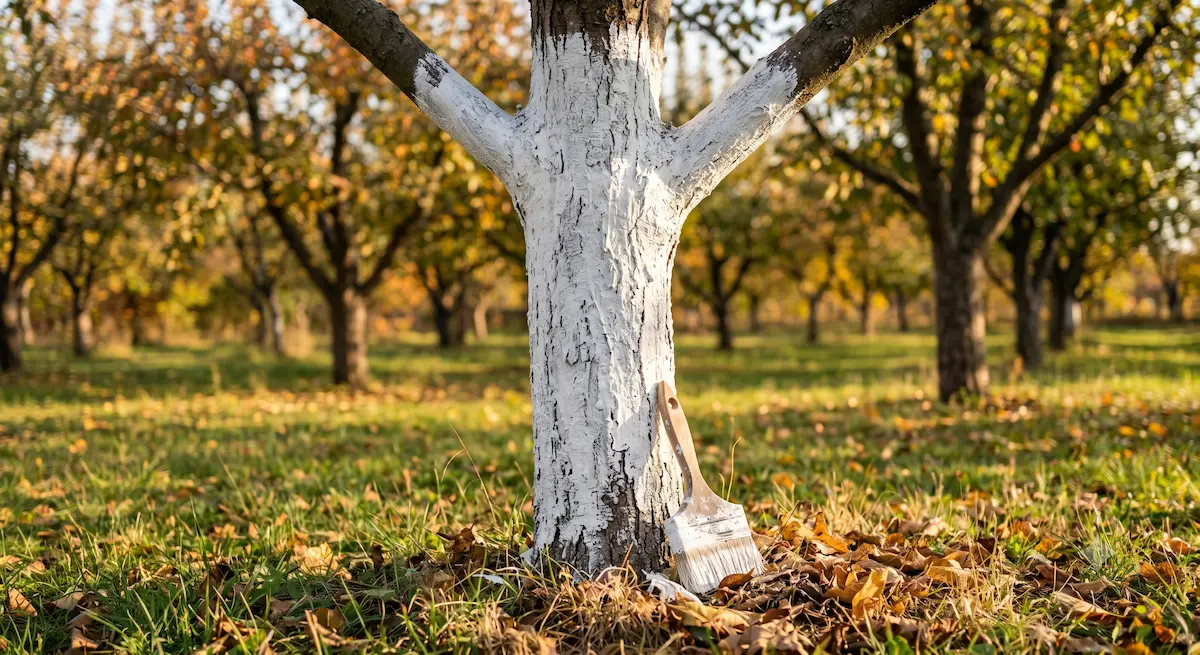
Whitewashing trunks at the end of the season protects bark from winter sunscald and pests. Complete guide to preparing the mix and treating trees.
Autumn fruit tree whitewashing is not simply a decorative routine for garden aesthetics, but the most critical protective barrier for bark health. Most gardeners make a mistake by painting trees in early spring around Easter. During that window, whitewashing bears a strictly aesthetic nature. The white layer plays its real protective role precisely in winter and early spring when roots are still sleeping but the sun already begins to heat trunks heavily.
1. Why Trees Split in Winter: The Nature of Frost Cracks
In February and March, dark tree bark under direct sun rays can heat up to +15-20°C during the day. Sap inside the cells awakens and begins circulating. At night, however, the temperature drops sharply to -10°C; water inside cells freezes, converts to ice, expands, and literally rips the bark along the trunk. This forms deep wounds — frost cracks. The white color of whitewash reflects sun rays, preventing dangerous daytime overheating waves.
2. Bark Preparation Prior to Solution Application
Never apply lime mix over dirty, decaying bark. Before starting work, spread a film under the tree and, utilizing a plastic scraper or stiff brush, clean the trunk of lichens, moss, and peeling dead bark tissues. Conduct operations on an overcast dry day in October or November when mass leaf drop has concluded, which we noted in our summer fruit tree pruning guide.
3. Table of Ideal Whitewash Solution Ingredients (Good)
| Solution Component | What Dose to Add per 10 Liters of Water? | Primary Component Task in Winter |
|---|---|---|
| Slaked Lime or Chalk | 2-2.5 kg of powder. The main mix foundation base. | Ensures a snow-white color that perfectly reflects solar ultraviolet rays. |
| Copper Sulfate | 300 grams (pre-dissolved in hot water). | A powerful fungicide. Destroys fungal spores and insect larvae hiding for wintering inside bark micro-fissures. |
| Wallpaper Glue or Casein | 100-150 grams of dry glue as a sticker agent. | Prevents autumn rains and wet heavy snow from washing the protective lime shield off the trunk during the first month. |
4. Major Fall Orchard Treatment Mistakes (Bad mistakes)
- Whitewashing young saplings with concentrated lime: Painting young trees with smooth green bark using pure slaked lime is forbidden — it constricts and burns tender skin, clogging pores and stunting development. For saplings, use specialized water-based garden acrylic paint.
- Painting only the lowest part of the trunk: Coating just the first 30 cm of a tree near the ground is a useless chore. Whitewash must be applied to the entire trunk (from soil up to the first skeletal branch) and capture the lower thirds of the skeletal limbs themselves, which also suffer heavily from sunscald. Use correct gear from our gardening equipment list.
AgroPlanner Tip: Apply the solution utilizing a soft wide brush, thoroughly rubbing the mix into all bark indentations. The protective layer thickness should sit around 2-3 mm. Model and track your orchard maintenance timelines inside our planner tool!
AgroPlanner App
Realize your dream garden: check plant compatibility, sun/shade needs, and save your plan easily.

Disclaimer
Important! All information in this blog is for recommendation purposes only. We are developers and enthusiasts, not certified agronomists. Results may vary based on your region, soil type, and weather. We are not responsible for potential errors or crop failures. Please verify critical advice independently!
Found this helpful? Share with friends!
Read more
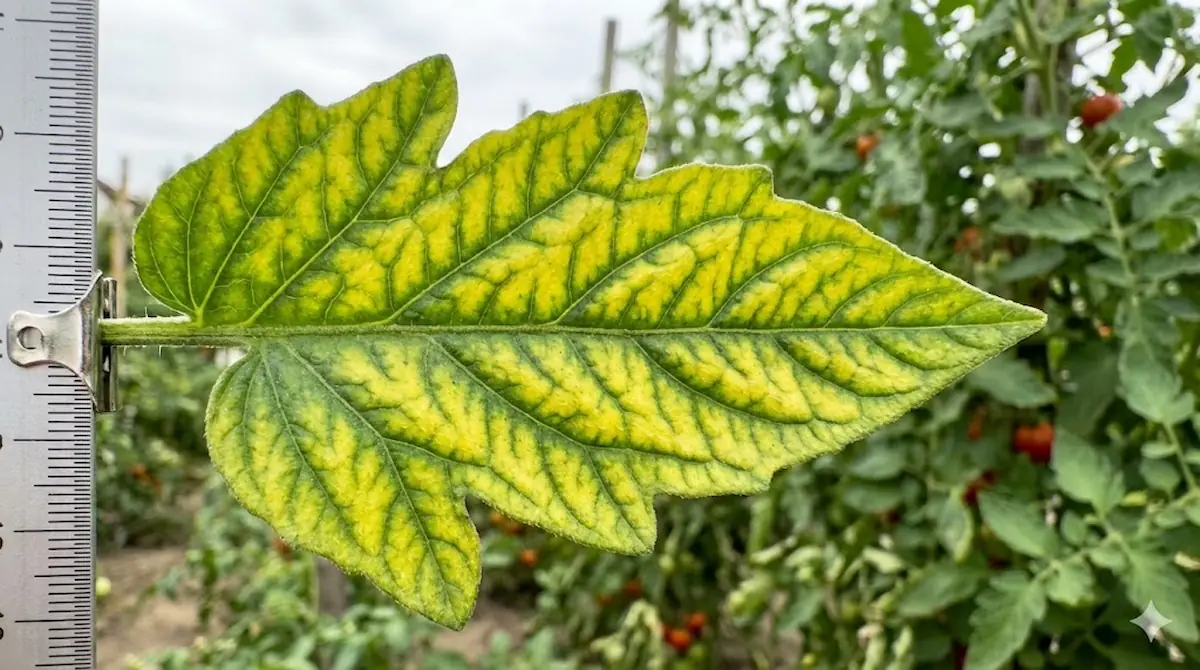
Yellow Leaves on Tomatoes: How to Distinguish Disease from Nitrogen or Magnesium Deficiency
A checklist for tomato diagnostics. Learn to distinguish plant hunger signals from symptoms of dangerous diseases to save your harvest in time.
Read more →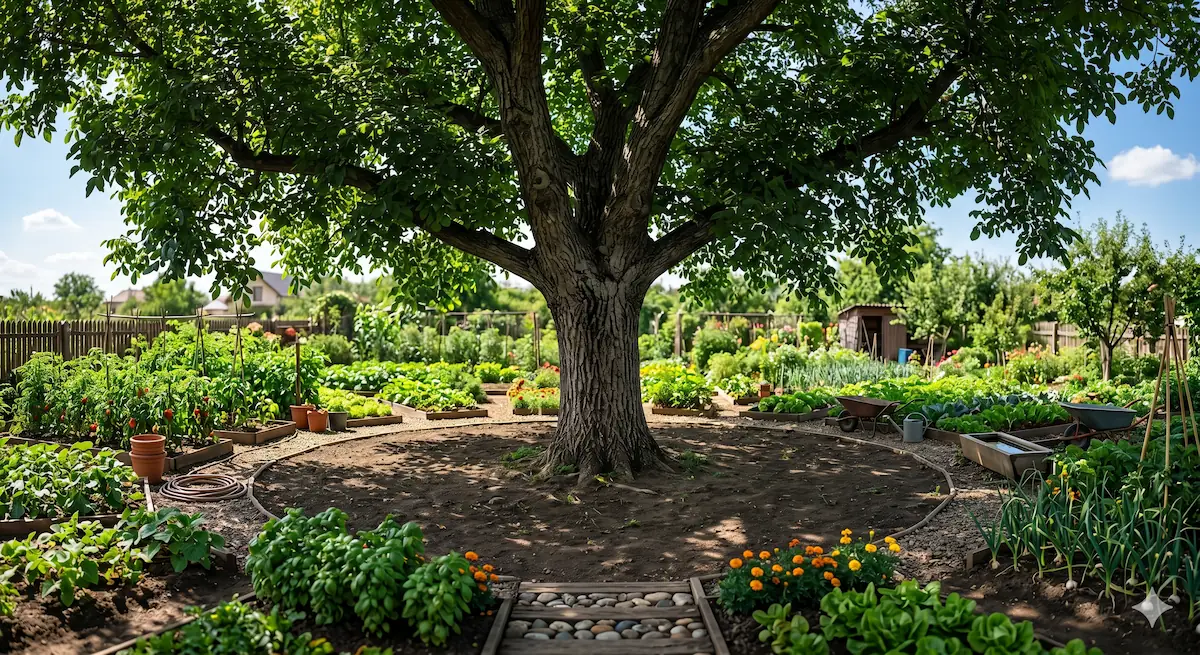
Walnut Tree in the Garden: Master of the Plot or Dangerous Neighbor?
Walnut trees release juglone, which can inhibit neighboring plants. Learn about the walnut's danger radius and the list of resistant crops that can grow nearby.
Read more →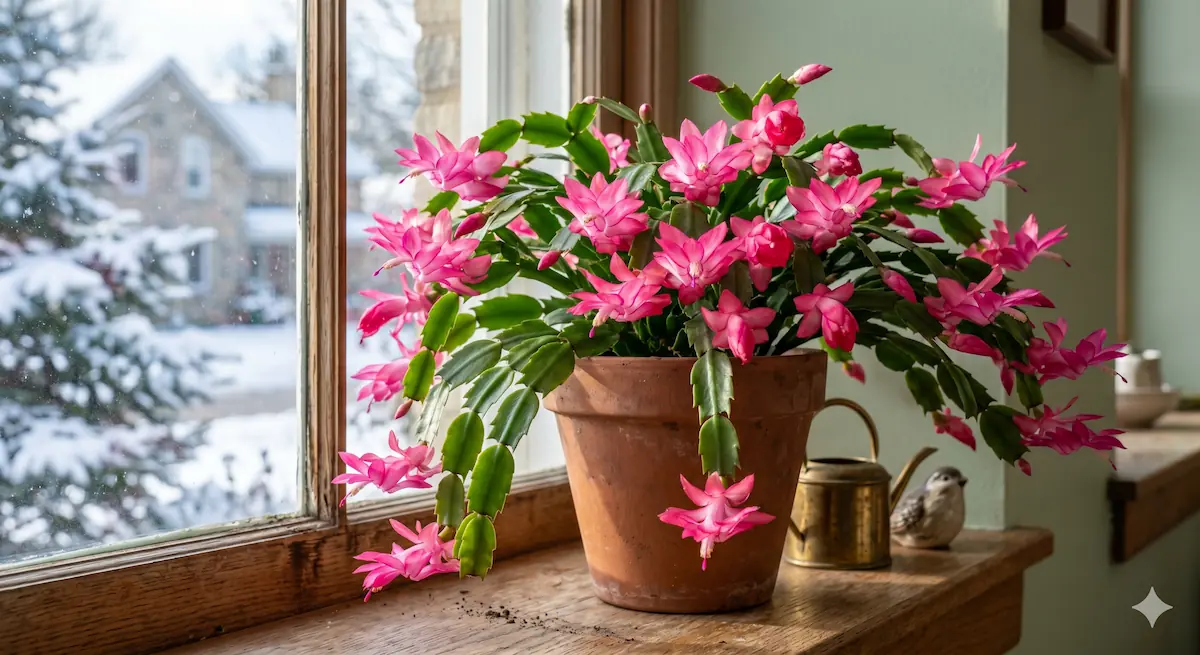
Schlumbergera: The Forest Cactus That Blooms at Christmas
Schlumbergera is a tropical guest unlike any other cactus. Learn why it adores moisture, how to force it to bloom with vibrant "lanterns" in winter, and why regular sandy soil is fatal.
Read more →