
Cherry Tomatoes: How to Grow a Sweet Dessert Right in Your Garden
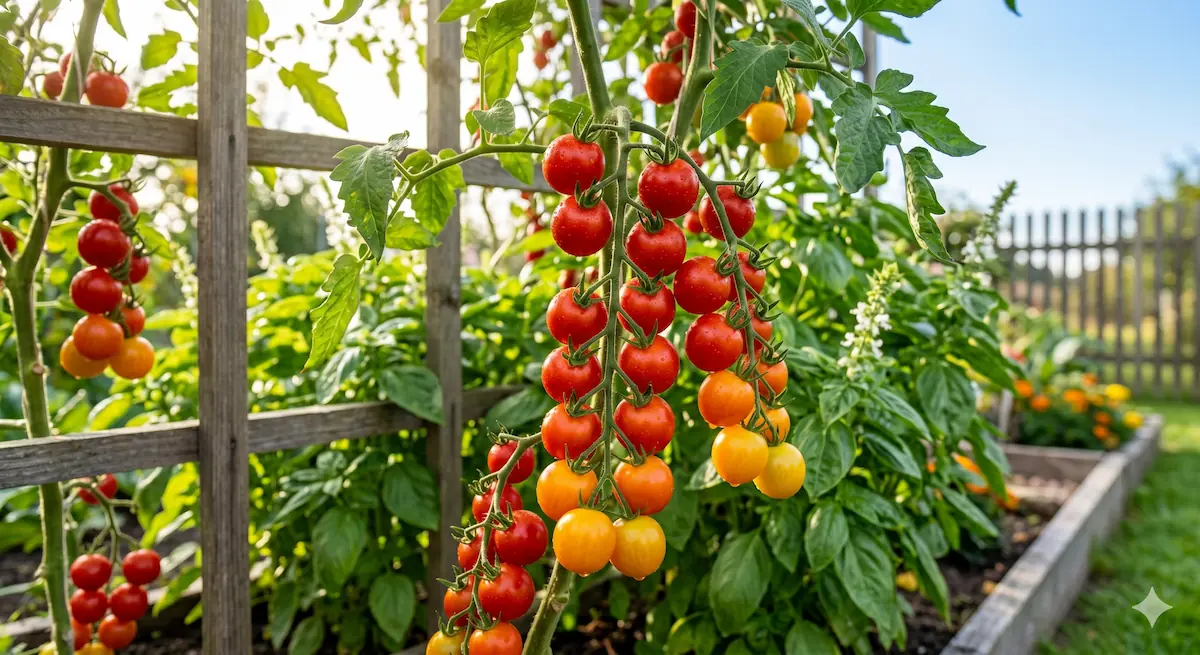
Cherry tomatoes aren't just mini versions of regular ones. Learn about their growing characteristics, soil choice, and why they need special planning in AgroPlanner.
If regular tomatoes are the main course, cherry tomatoes are the true garden dessert. They have a higher concentration of sugars and vitamins, and a single bush can yield hundreds of tiny fruits. However, behind the miniature size often hides a giant plant that requires a special approach.
The Main Difference: Where is Your Cherry Growing?
Unlike many classic varieties, cherries are most often indeterminate—meaning they grow upward without stopping until the first frost. This means they need more vertical space and sturdier supports.
Soil and the "Sausage Test" for Cherries
Cherry tomatoes are very sensitive to water balance. If the soil dries out and then suddenly becomes very wet, the fruits will split instantly.
- Best Choice: Fertile Loamy soils (Type 1). They hold moisture more steadily.
- Testing: Before transplanting, perform a soil sausage test. If the ring cracks when bent (Loam), your cherries will be safer from splitting.
Companions (Good) and Enemies (Bad)
- Best Friend: Basil. It grows at the "feet" of the tall cherry plant, protecting roots from overheating.
- The Enemy: Potatoes. Due to their fast growth, cherries can act as a "bridge" for late blight to reach your potato field.
AgroPlanner Tip: In our app, cherry tomatoes take up a smaller feeding area (usually 1x1 or 2x2 cells), but remember the shadow! Since they grow quite tall, the Planner recommends placing them on the north side of the bed so they don't shade out carrots or lettuce.
AgroPlanner App
Realize your dream garden: check plant compatibility, sun/shade needs, and save your plan easily.

Disclaimer
Important! All information in this blog is for recommendation purposes only. We are developers and enthusiasts, not certified agronomists. Results may vary based on your region, soil type, and weather. We are not responsible for potential errors or crop failures. Please verify critical advice independently!
Found this helpful? Share with friends!
Read more
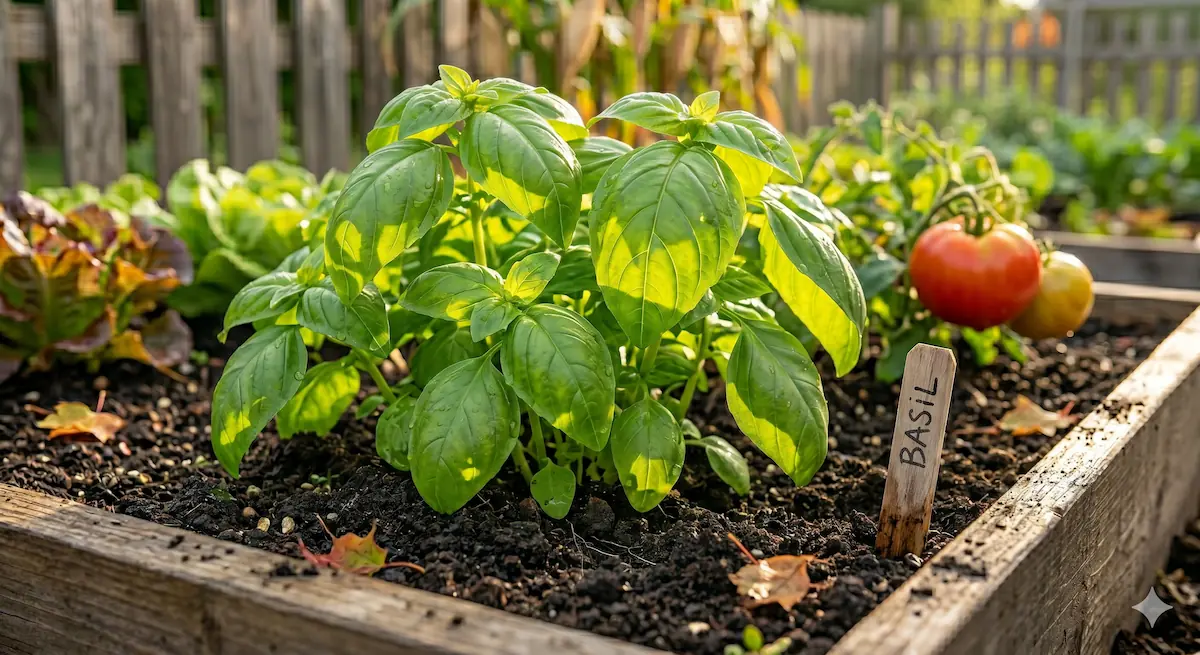
Basil: The Fragrant King of the Garden and Tomato's Best Friend
How to grow lush, aromatic basil: heat requirements, soil selection, and why pairing it with tomatoes makes it better. Tips from AgroPlanner.
Read more →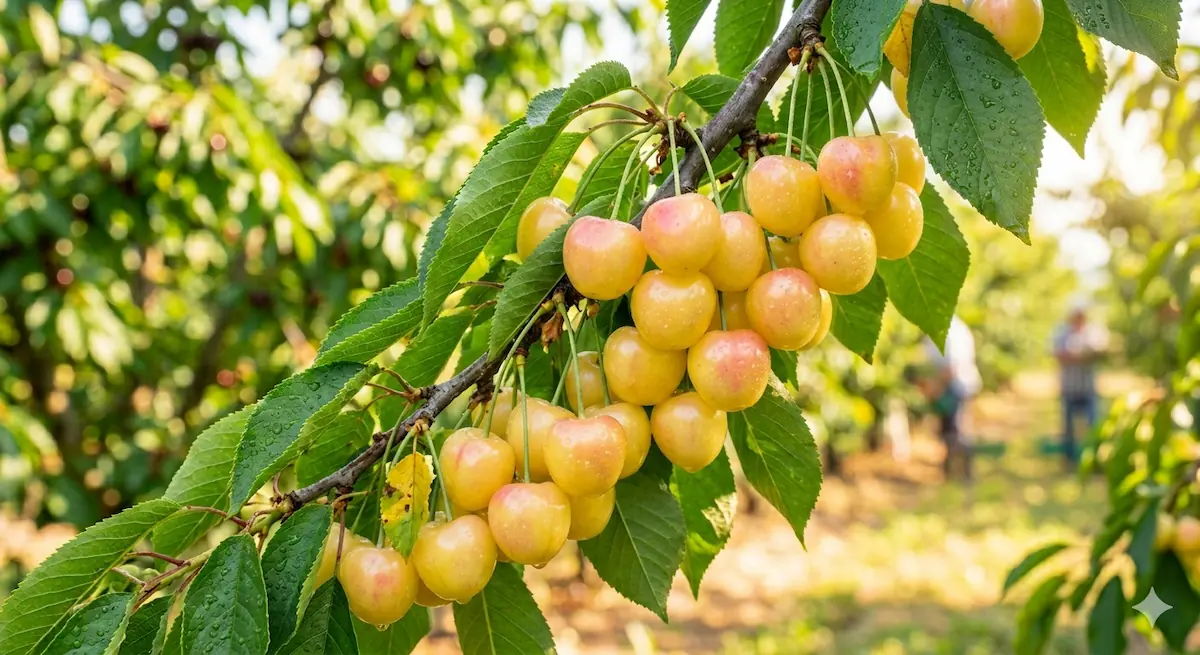
White Sweet Cherry: A Honey-Sweet Harvest the Birds Won't Touch
White cherries are sweeter than red ones and rarely attract birds. Learn which soil ensures fruit transparency, why it needs a pollinator, and how to protect it.
Read more →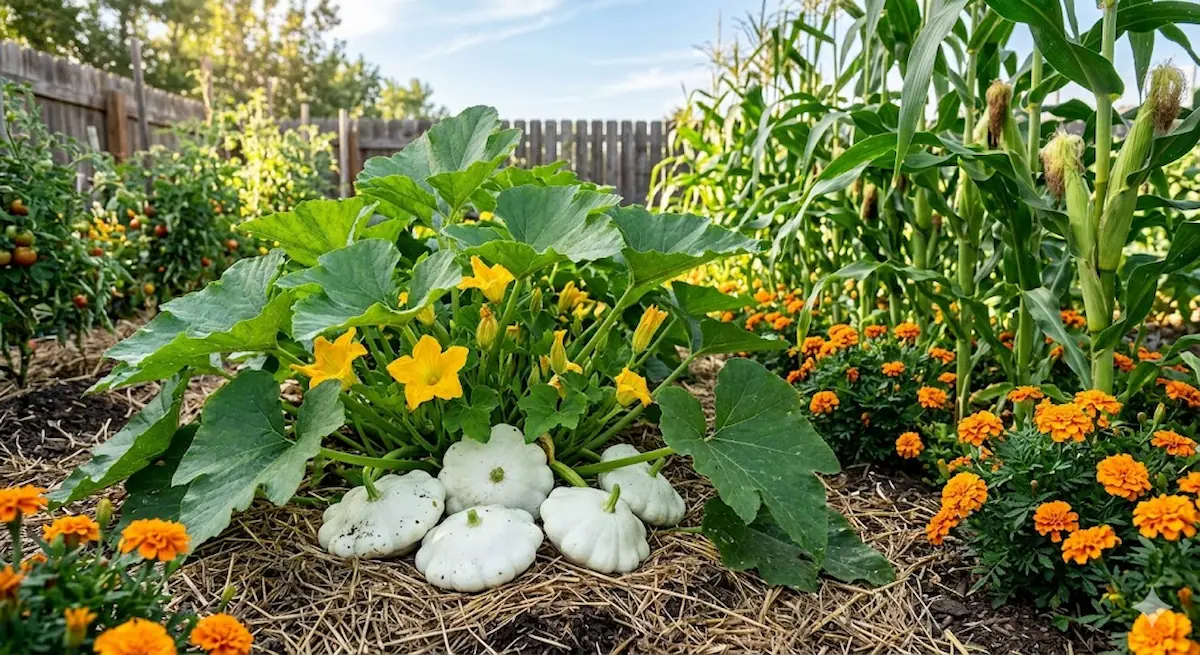
Pattypan Squash Companion Planting: 8 Best Neighbors
Pattypan squash takes up considerable space and requires intense pollination. Discover 8 plants that attract bees and protect bushes from powdery mildew.
Read more →