
Crop Rotation for the Lazy: What to Plant After Potatoes to Let the Soil "Rest"
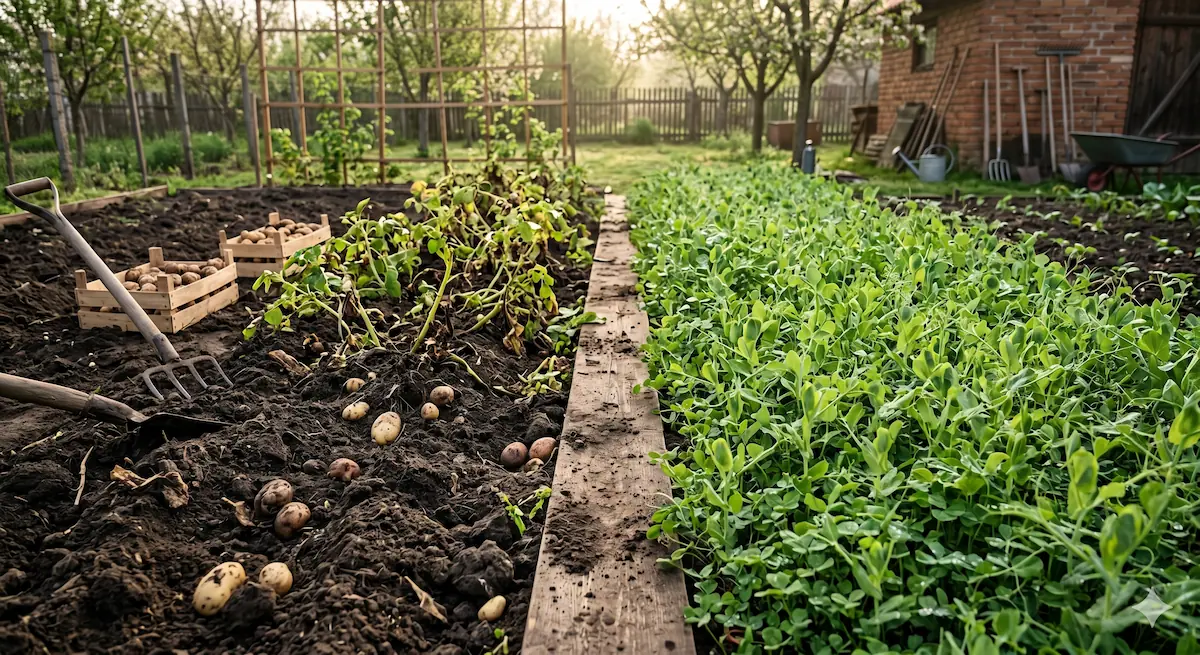
Potatoes take the best from the soil. Learn which crops will help restore the nutrient balance and clear the plot of pests.
Potatoes are a "heavy" crop. Over a season, they pull a huge amount of potassium and phosphorus from the soil, often leaving behind blight and wireworm larvae. If you plant potatoes in the same spot every year, yields will shrink while problems grow. There is only one way out—proper crop rotation.
The Best "Rehab" Crops for Your Bed:
- Legumes (Peas, Beans): These are true heroes. Not only do they not deplete the soil, but they enrich it with nitrogen thanks to special bacteria on their roots. Anything planted after them will grow rapidly.
- Green Manure (Mustard, Rye): If you want to give the soil a real rest, sow the area with mustard immediately after harvesting potatoes. It disinfects the soil and repels wireworms.
- Cucurbits (Zucchini, Squash): They have a completely different root system and disease profile, so they will feel great after potatoes.
What Should You Categorically Avoid Planting?
Never plant tomatoes, peppers, or eggplants after potatoes. They belong to the same family (Solanaceae), which means they share the same enemies. Diseases left in the ground from the potatoes will instantly attack your tomatoes.
AgroPlanner Tip: You don't need to memorize every botanical family—we've already integrated this data into the system. Our Planner features an active "family conflict" check. If you try to plant tomatoes or peppers too close to potatoes, the app will alert you to the risk zone. Since they belong to the same family, diseases spread between them almost instantly. Use this tool to create "sanitary gaps" between related crops.
AgroPlanner App
Realize your dream garden: check plant compatibility, sun/shade needs, and save your plan easily.

Disclaimer
Important! All information in this blog is for recommendation purposes only. We are developers and enthusiasts, not certified agronomists. Results may vary based on your region, soil type, and weather. We are not responsible for potential errors or crop failures. Please verify critical advice independently!
Found this helpful? Share with friends!
Read more
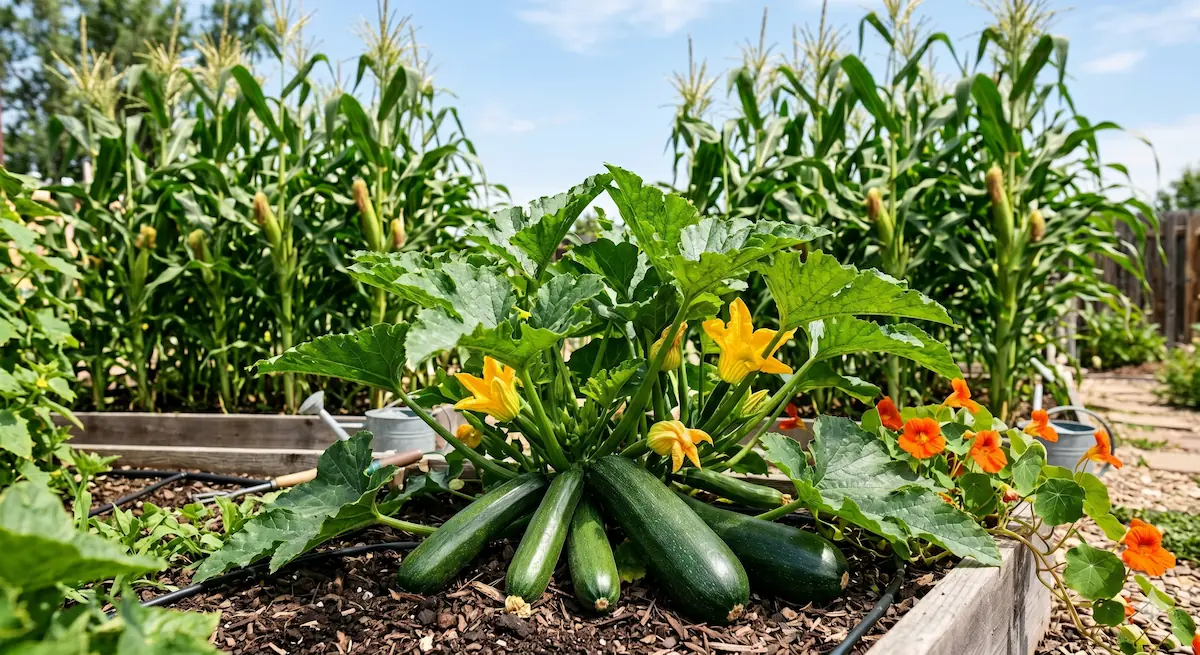
Zucchini "Tsukesha": King of Compact Beds and Early Harvests
"Tsukesha" is a variety for those who value space. Learn how to give this bush zucchini a perfect start, which soil it loves, and who its best companions are.
Read more →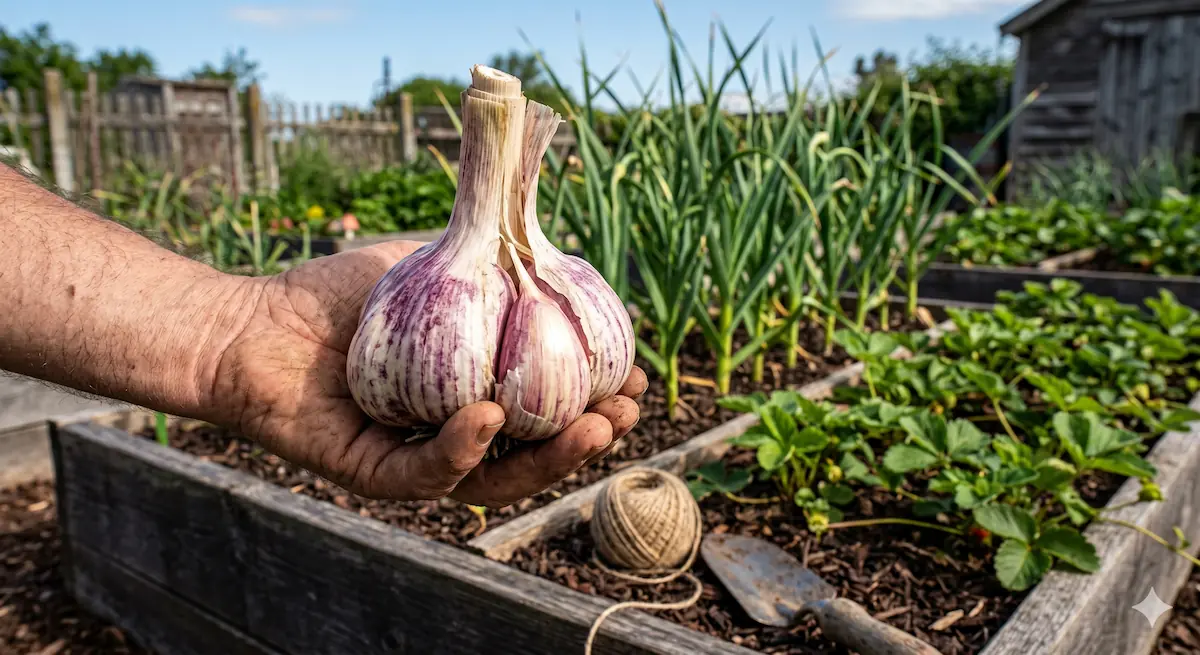
"Rocambole" Garlic: Secrets to Growing Giant Elephant Garlic
Rocambole is a garlic-onion hybrid that impresses with its size. Learn how to prepare the soil for this giant, find its best companions, and grow bulbs weighing 400 grams.
Read more →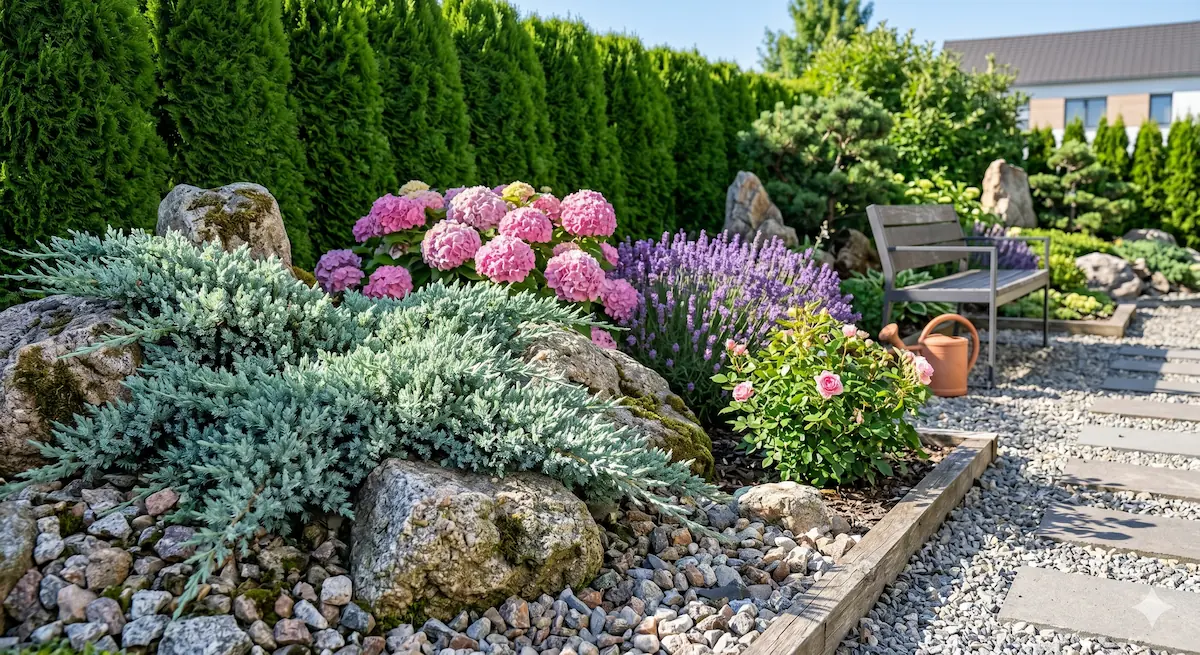
Juniper in the Garden: Secrets of Care and Disease Protection
Juniper is a coniferous champion in phytoncide production. Learn how to choose the ideal soil, why you shouldn't plant it near apple trees, and how to pick the right companions.
Read more →