
"Rocambole" Garlic: Secrets to Growing Giant Elephant Garlic
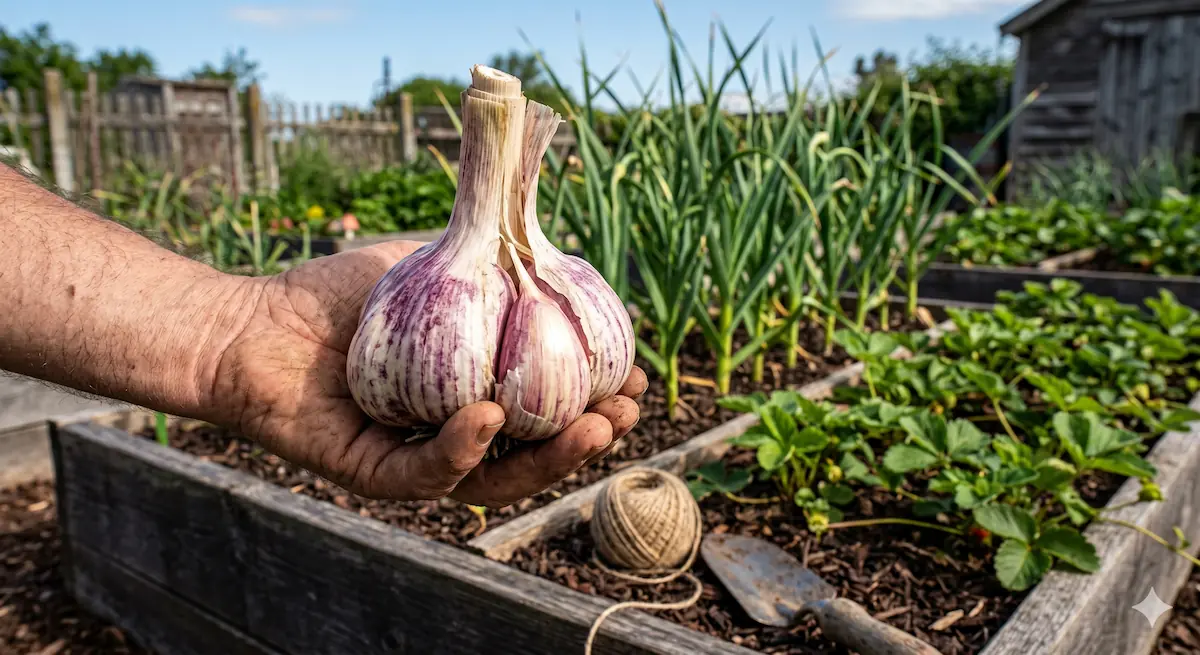
Rocambole is a garlic-onion hybrid that impresses with its size. Learn how to prepare the soil for this giant, find its best companions, and grow bulbs weighing 400 grams.
Rocambole is a unique crop that combines the best qualities of garlic and leeks. Its main advantage is its colossal size and harmonious flavor without excessive pungency. It's the perfect choice for salads and grilling. However, to grow a true giant, you must provide "royal" nutrition.
Soil: Where Does Rocambole Bulk Up?
This giant is very demanding regarding soil structure. It needs loose, organic-rich earth where roots can breathe easily.
- Best Choice: Fertile Loamy soils (Type 1) or Sandy Loams (Type 2) provided compost is added.
- Soil Check: Perform the sausage test. A cracking ring (Type 1) is ideal. On heavy clay (Type 3), the bulbs will be smaller and prone to rot during rainy spells.
Best Companions (Good)
- Strawberries: The best tandem. Rocambole repels weevils and slugs, while strawberries don't interfere with its growth.
- Carrots: A classic pairing. The garlic scent deters carrot flies, making efficient use of garden space.
- Cabbage: Rocambole's phytoncides drive away whiteflies and aphids.
Main Enemies (Bad)
- Beans and Peas: A total taboo. Legumes inhibit garlic growth, and Rocambole, in turn, stunts the development of legumes.
- Onions: They share common pests (onion fly, thrips) and diseases, so they are best kept separate.
- Walnut Trees: The walnut's toxic zone (juglone) makes the ground unsuitable for growing Rocambole.
AgroPlanner Tip: Rocambole needs more space than regular garlic. In our app, it occupies a 1x1 grid, but we recommend leaving extra space between plants. The system will flag a **conflict with beans and peas** in red—avoid planting them together for a record harvest!
AgroPlanner App
Realize your dream garden: check plant compatibility, sun/shade needs, and save your plan easily.

Disclaimer
Important! All information in this blog is for recommendation purposes only. We are developers and enthusiasts, not certified agronomists. Results may vary based on your region, soil type, and weather. We are not responsible for potential errors or crop failures. Please verify critical advice independently!
Found this helpful? Share with friends!
Read more
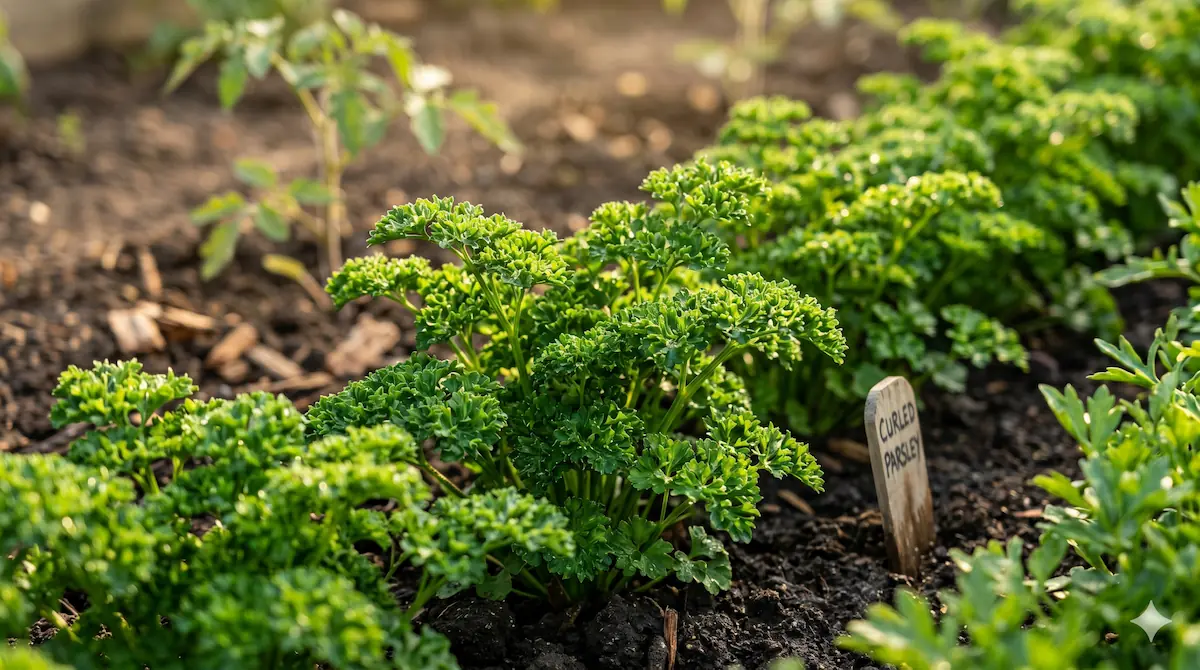
Parsley in the Garden: How to Speed Up Germination
Why parsley seeds take so long to sprout and how to accelerate the process. Tips for growing lush green parsley and caring for it from AgroPlanner.
Read more →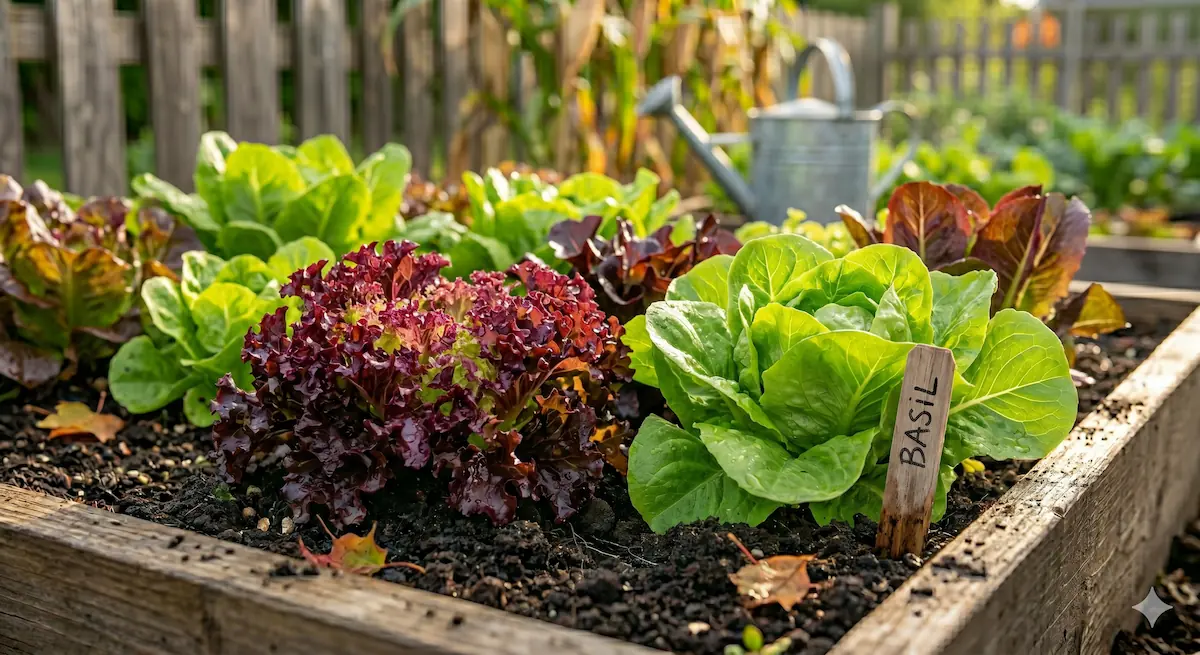
Growing Lettuce: How to Keep Fresh Greens on Your Table All Season
Secrets to growing leaf lettuce: why it fears the heat, what soil it prefers, and who its best neighbors are for natural pest protection.
Read more →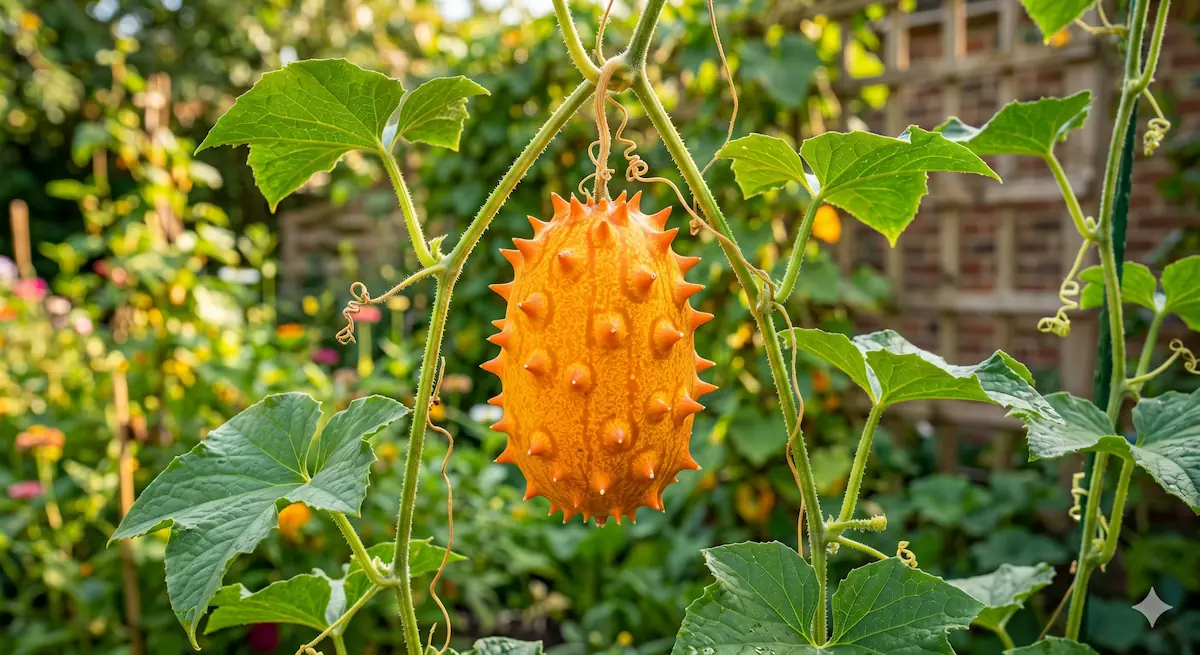
Kiwano: Growing the Horned Melon in Your Garden
Kiwano is a mix of cucumber, melon, and banana. Learn how to manage this prickly vine, why it loves the heat, and how to harvest fruits that last up to six months.
Read more →