
Zucchini "Tsukesha": King of Compact Beds and Early Harvests
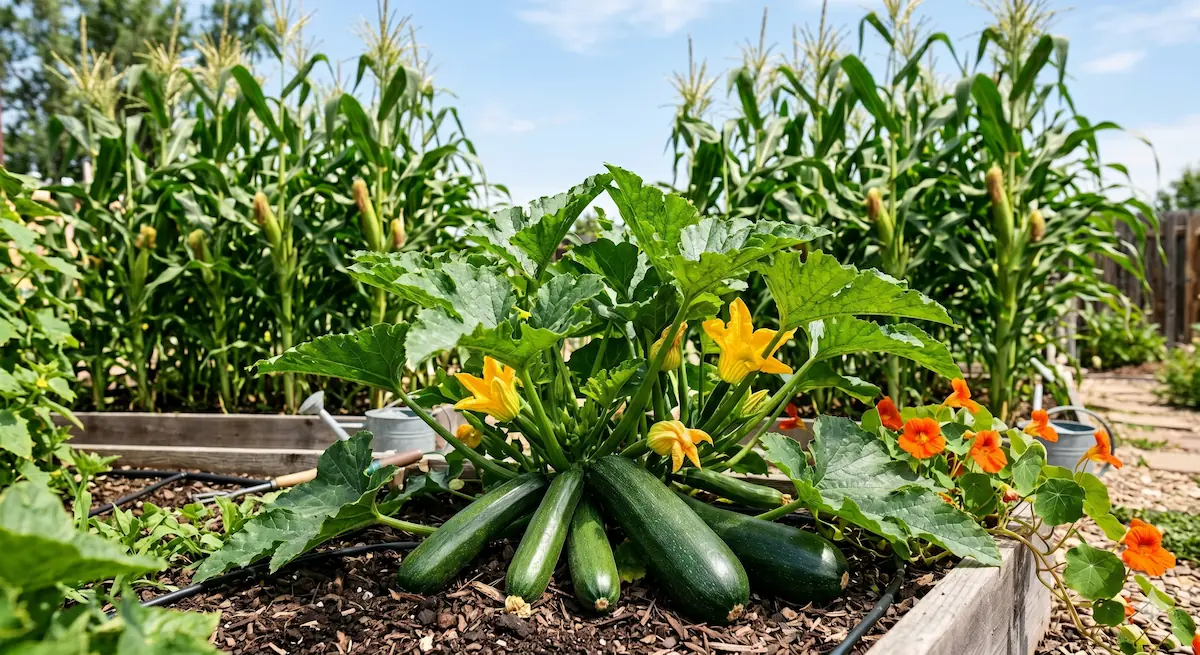
"Tsukesha" is a variety for those who value space. Learn how to give this bush zucchini a perfect start, which soil it loves, and who its best companions are.
Zucchini "Tsukesha" is one of the most popular varieties of dark green zucchini. It is loved for its compactness (it doesn't spread long vines) and thin skin. As an early-maturing variety, you can harvest the first fruits just 40-45 days after sprouts appear.
Soil: The Foundation for Success
Zucchini are "heavy feeders." They need plenty of sun and nutrient-rich soil to support consistent fruiting.
- Best Choice: Light and fertile Loamy soils (Type 1) or Sandy Loams (Type 2).
- Soil Check: Use the sausage test. A slightly cracking ring (Type 1) is the "gold standard" for nutrition and moisture balance for squash.
Best Companions (Good)
- Beans and Peas: Legumes enrich the soil with nitrogen, which zucchini consumes in large amounts.
- Corn: Provides wind protection without shading the compact "Tsukesha" bushes too much.
- Nasturtium: Acts as a trap crop, diverting aphids away from your vegetables.
Where NOT to Plant (Bad)
- Potatoes: Both crops are nutrient-intensive. Potatoes can deplete the potassium required for healthy zucchini fruit development.
- Pumpkin: Cross-pollination between relatives can sometimes lead to poor fruit quality in the next generation.
AgroPlanner Tip: "Tsukesha" is a bush type, so in our app, it occupies a 2x2 grid (about 1 m²). The system will alert you if you try to plant it too close to pumpkins. Good airflow between bushes is key!
AgroPlanner App
Realize your dream garden: check plant compatibility, sun/shade needs, and save your plan easily.

Disclaimer
Important! All information in this blog is for recommendation purposes only. We are developers and enthusiasts, not certified agronomists. Results may vary based on your region, soil type, and weather. We are not responsible for potential errors or crop failures. Please verify critical advice independently!
Found this helpful? Share with friends!
Read more
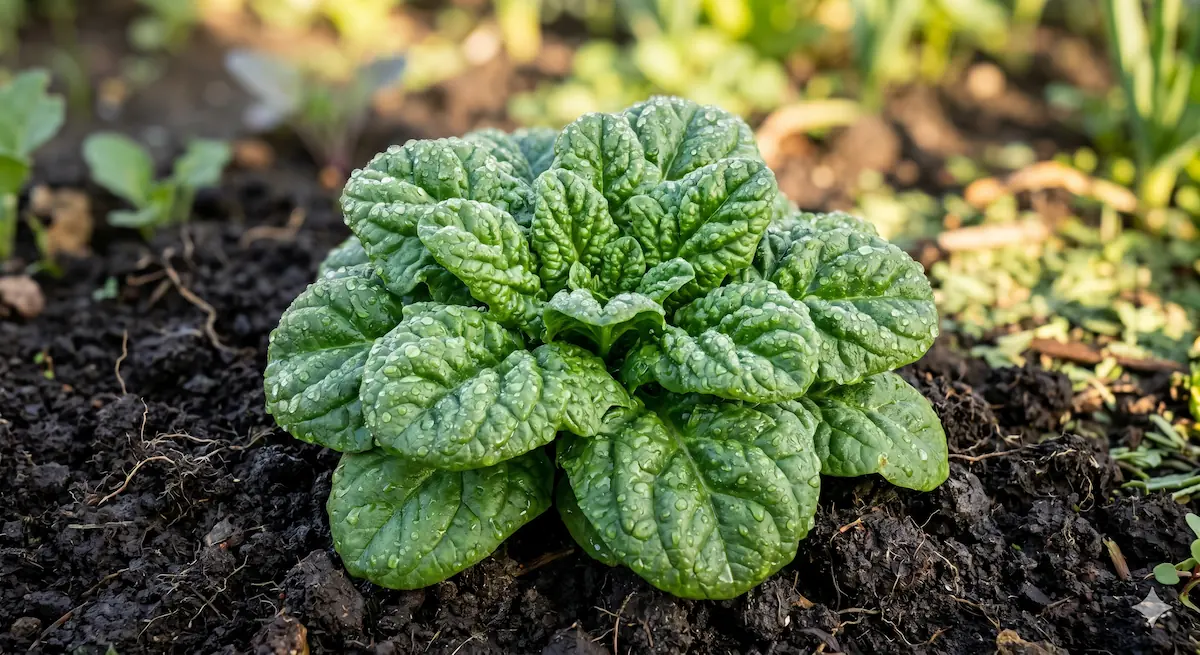
Spinach in the Garden: How to Grow Juicy Leaves and Prevent Bolting
Spinach growing secrets from AgroPlanner. Learn why it loves the cold, how to water it correctly, and how to stop the plant from flowering too early.
Read more →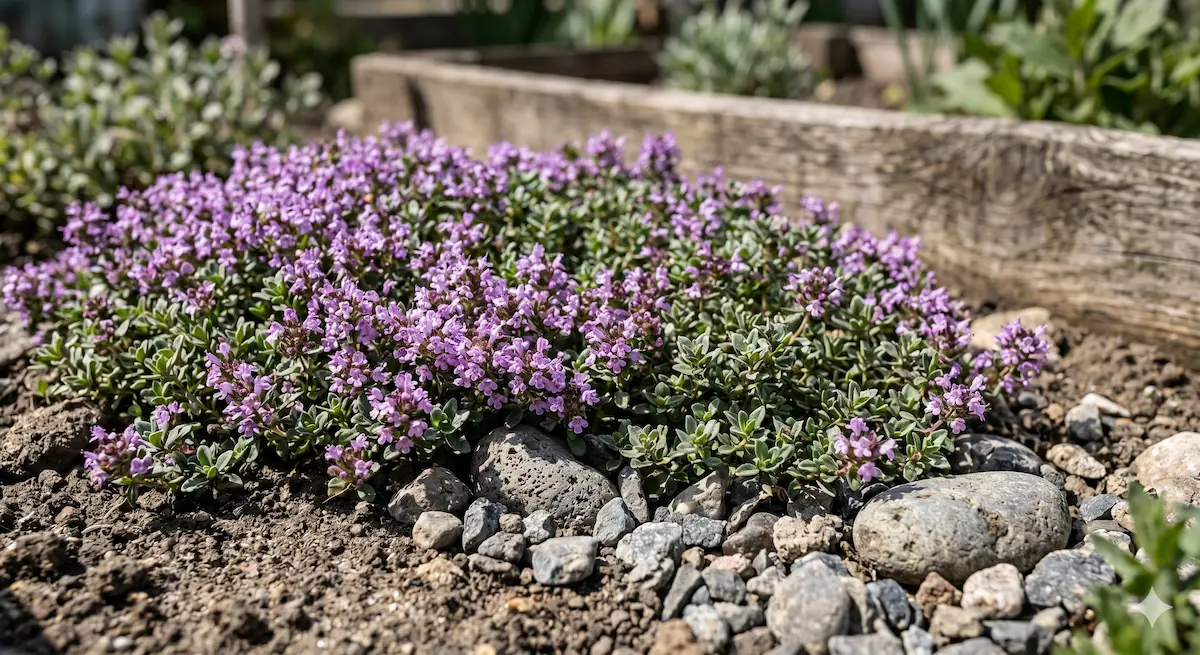
Thyme: The Fragrant Carpet and Natural Protector of Your Garden
How to grow thyme: from choosing stony soil to perfect companion planting for pest protection. Secrets to caring for this aromatic herb.
Read more →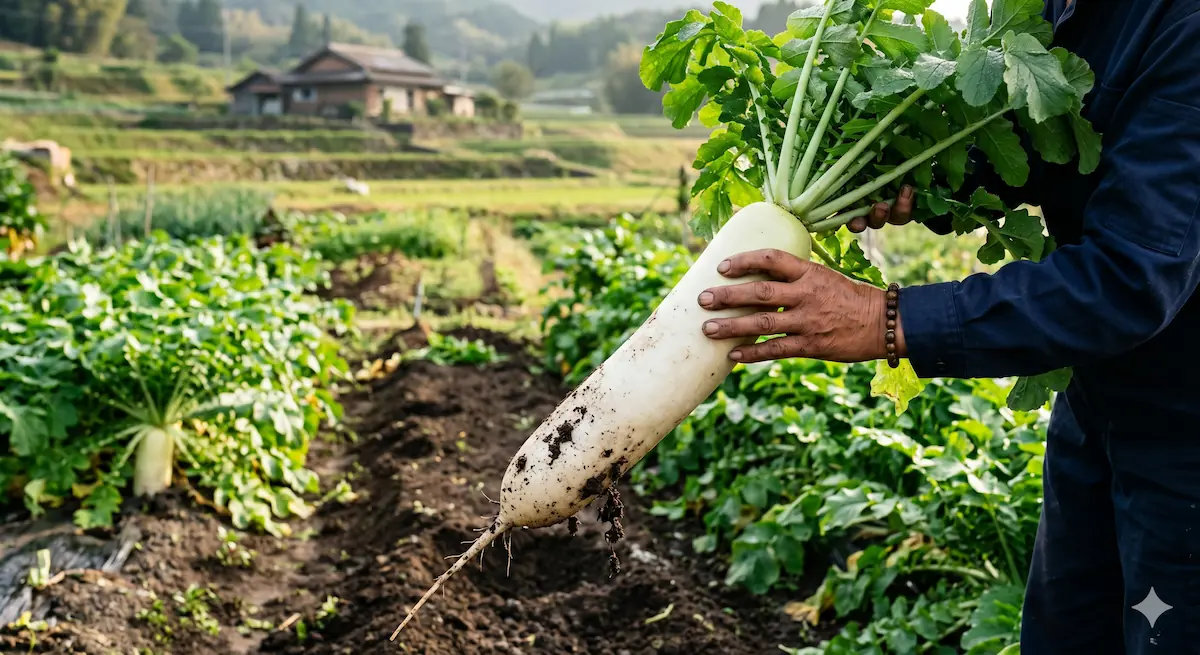
Daikon: The Juicy Giant from the East
Daikon is a source of fiber and mild flavor. Learn why it needs deep soil, how to avoid bolting, and why it's the perfect choice for a healthy diet.
Read more →