
Smart Watering for $0: How to Build a System from Plastic Bottles
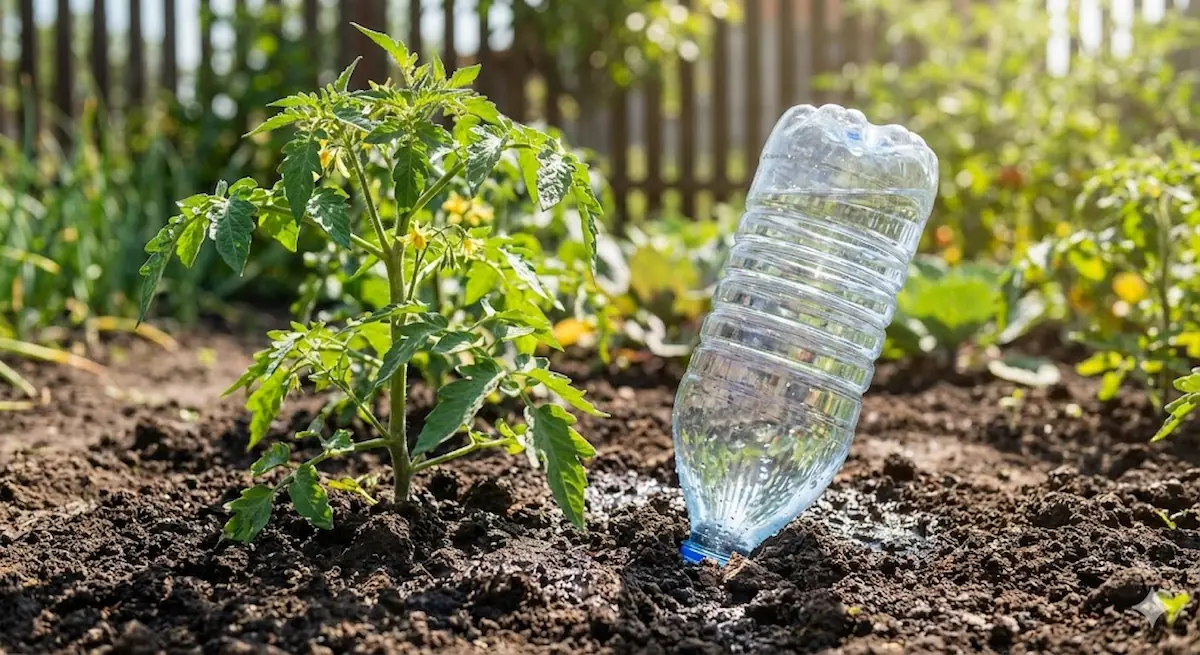
A budget-friendly and effective way to keep your plants hydrated while you're away. Step-by-step instructions for creating a drip irrigation system from recycled materials.
Planning to leave your garden for a week while the forecast predicts a heatwave? Don't rush to buy expensive timers and pumps. If you have a few empty plastic bottles, you already have everything you need to create an effective drip irrigation system to save your cucumbers and tomatoes.
How it Works: The Buried Bottle Method
This method is ideal for plants that prefer water directly at their roots (tomatoes, peppers, eggplants). It not only saves water but also keeps the soil surface dry, preventing the development of blight.
- Preparation: Take a 2-liter bottle. Use a heated needle to make 2-4 tiny holes in the bottom or the cap. The holes must be very small so the water doesn't drain in an hour but slowly "seeps" out.
- Installation: Bury the bottle next to the plant at a depth of about 10-15 cm (neck up or down, whichever is easier for you to refill).
- The Result: Water goes directly to the root zone. One bottle provides enough moisture for 2-4 days of slow hydration.
The "Wick" Method for Pots
If you grow herbs in pots, use a simple string (wick). Submerge one end in a water bottle placed higher than the pot, and bury the other end in the soil near the plant. The capillary effect will handle the rest.
Why It's Better Than Regular Watering
When you water with a hose, much of the moisture simply evaporates from the surface. The bottle system delivers water where it’s needed — underground. This also prevents a hard crust from forming on the soil, which makes it difficult for roots to breathe.
Plan Smart with AgroPlanner
Before burying your bottles, use our planner. Check the lighting zones on your canvas: plants in sunny areas will need more water. Also, remember conflicts — don't set up a shared watering system for plants where one might inhibit the other (for example, avoid zones under a walnut tree where its toxins might seep into the water for your vegetables).
Such a simple system is a perfect example of how resourcefulness and proper planning help you get a bountiful harvest without unnecessary spending.
AgroPlanner App
Realize your dream garden: check plant compatibility, sun/shade needs, and save your plan easily.

Disclaimer
Important! All information in this blog is for recommendation purposes only. We are developers and enthusiasts, not certified agronomists. Results may vary based on your region, soil type, and weather. We are not responsible for potential errors or crop failures. Please verify critical advice independently!
Found this helpful? Share with friends!
Read more
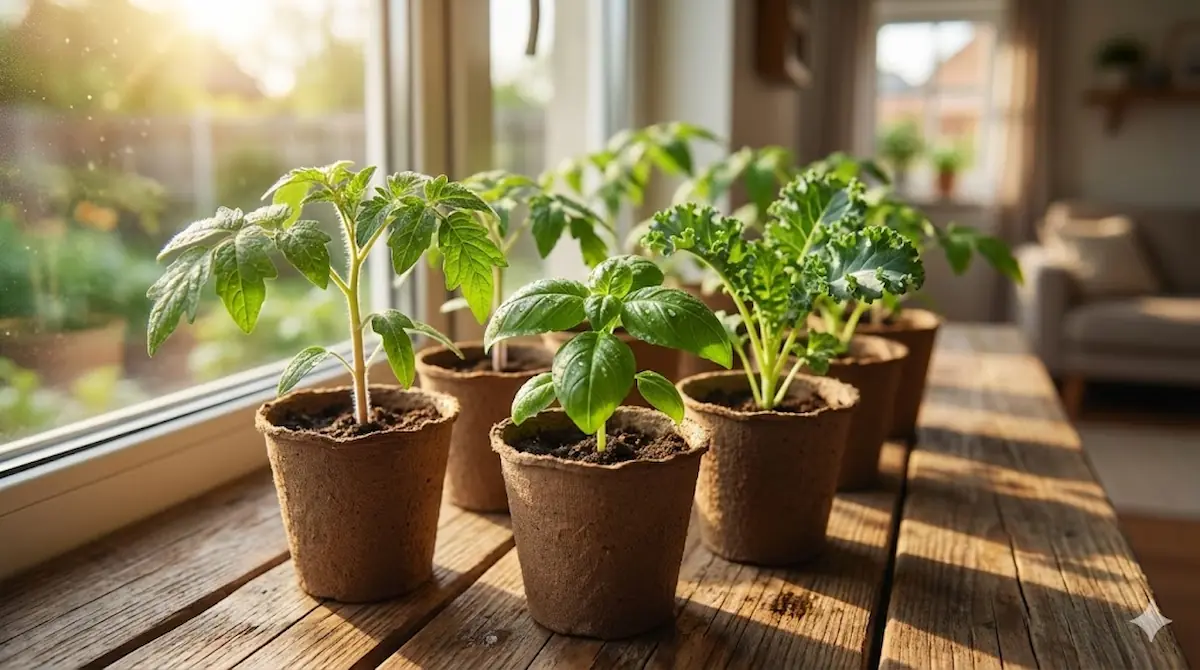
Healthy Indoor Seedlings: 4 Secrets to a Successful Start
A step-by-step guide to growing strong, healthy seedlings at home: from choosing the right soil mix to perfect lighting.
Read more →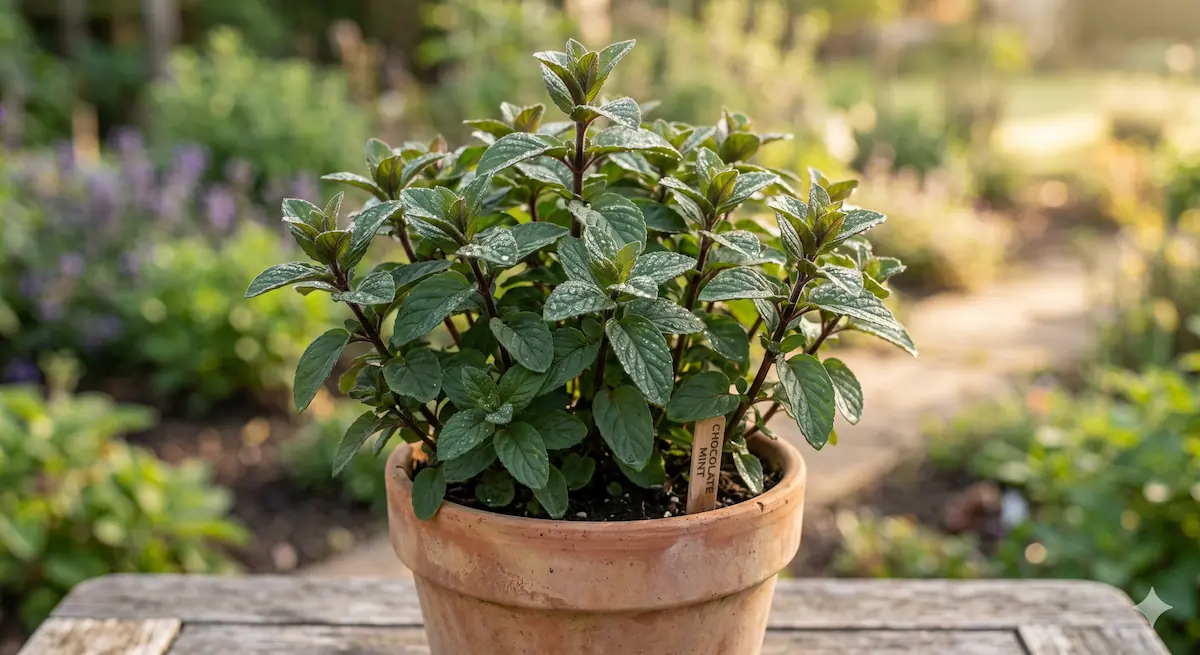
Chocolate Mint: A Dessert Aroma in Your Garden
Mint that tastes like chocolate is not a myth. Learn how to plant this aromatic herb, why it needs a "limiter," and how to make its color as rich as possible.
Read more →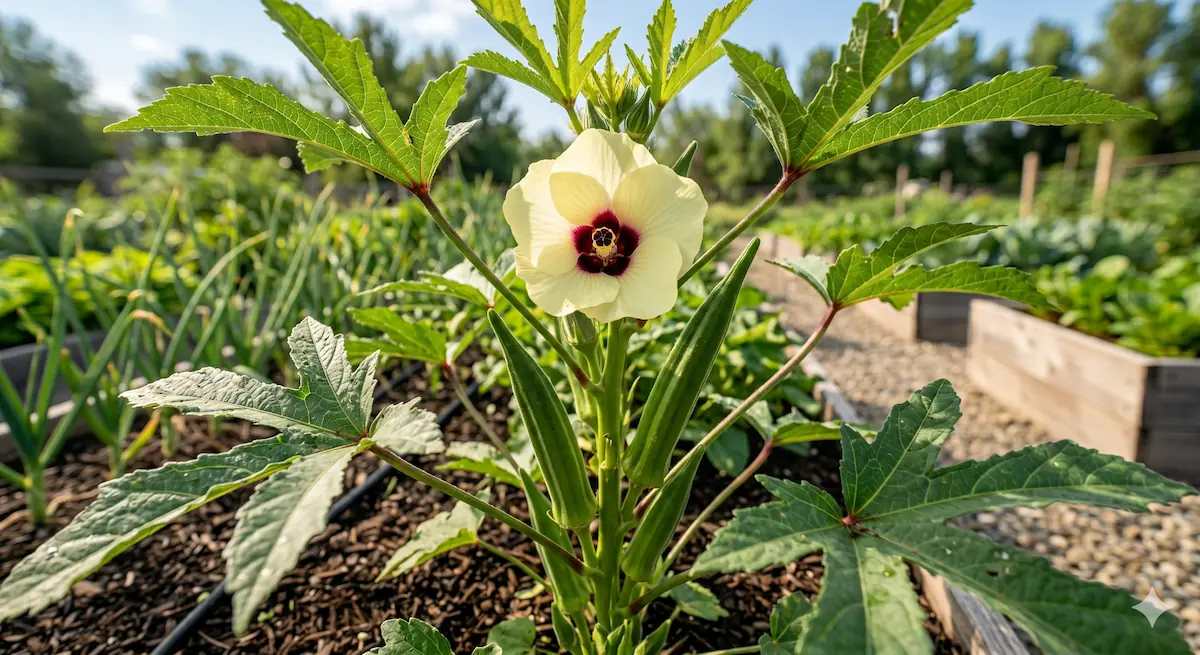
Okra (Lady's Fingers): The Edible Hibiscus Flower
Okra is a superfood with stunning flowers and nutritious pods. Learn why it loves the heat, what soil makes it productive, and how to harvest the pods correctly.
Read more →