
Okra (Lady's Fingers): The Edible Hibiscus Flower
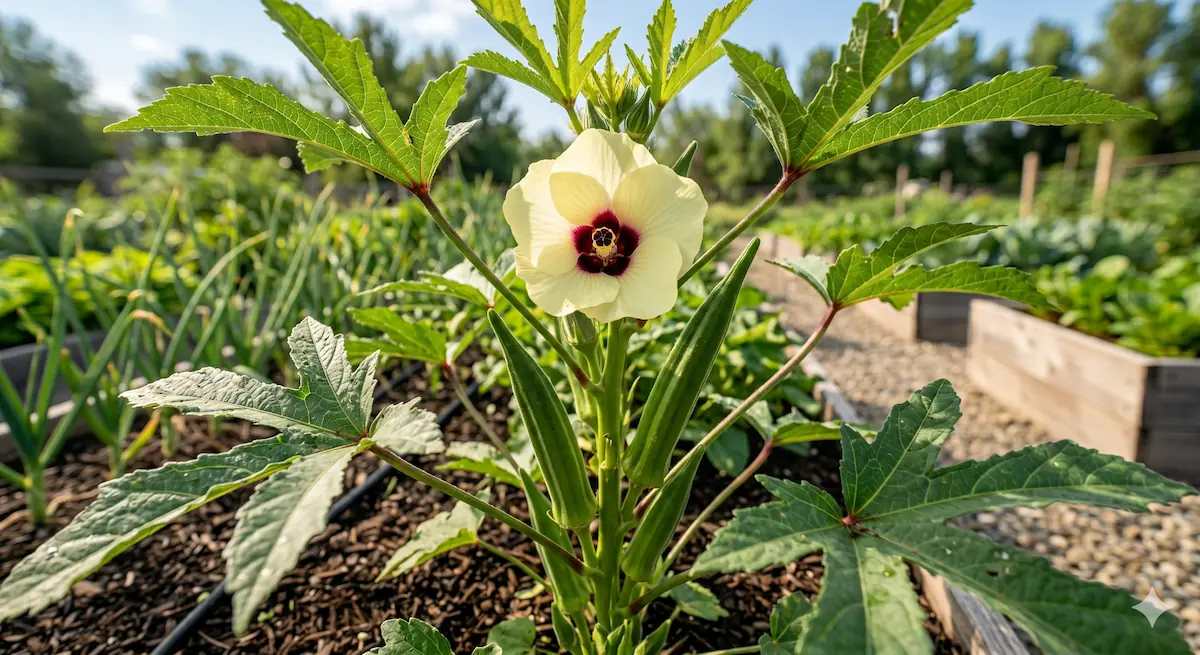
Okra is a superfood with stunning flowers and nutritious pods. Learn why it loves the heat, what soil makes it productive, and how to harvest the pods correctly.
Okra (Lady's Fingers) is a relative of hibiscus and mallow. It blooms with gorgeous creamy flowers, followed by pods that taste like a mix of zucchini, asparagus, and eggplant. It's an incredibly healthy plant for digestion and immunity, gaining popularity worldwide.
Soil: Where Does Okra Feel Like It's in the Tropics?
Okra is a heat-lover. It needs light, fertile soil that warms up quickly under the spring sun.
- Best Choice: Fertile Sandy soils (Type 2) or light Loamy soils (Type 1).
- Soil Check: Perform the sausage test. If the earth crumbles and holds no shape (Type 2), it's perfect: no waterlogging and maximum oxygen for the roots.
Best Companions (Good)
Okra is a tall plant, acting as a great protector for shorter crops:
- Peppers and Eggplants: Share similar heat and irrigation requirements.
- Basil: Its scent repels pests from okra's delicate flowers.
- Mint: Thrives in the dappled shade of okra's broad leaves. Check out our chocolate mint guide for an aromatic pairing.
Main Enemies (Bad)
- Walnut Trees: The toxic juglone zone will kill okra very quickly.
- Cabbage: Can compete for nutrients and attract shared pests.
- Tomatoes: If planted too closely, they may "share" aphid infestations.
AgroPlanner Tip: Okra grows 1.5–2 meters tall. In our app, it occupies a 2x2 grid. The system will alert you to **heat deficiency** if planted too early. Pro tip: harvest pods when they are 5-10 cm long; otherwise, they become woody and tough!
AgroPlanner App
Realize your dream garden: check plant compatibility, sun/shade needs, and save your plan easily.

Disclaimer
Important! All information in this blog is for recommendation purposes only. We are developers and enthusiasts, not certified agronomists. Results may vary based on your region, soil type, and weather. We are not responsible for potential errors or crop failures. Please verify critical advice independently!
Found this helpful? Share with friends!
Read more
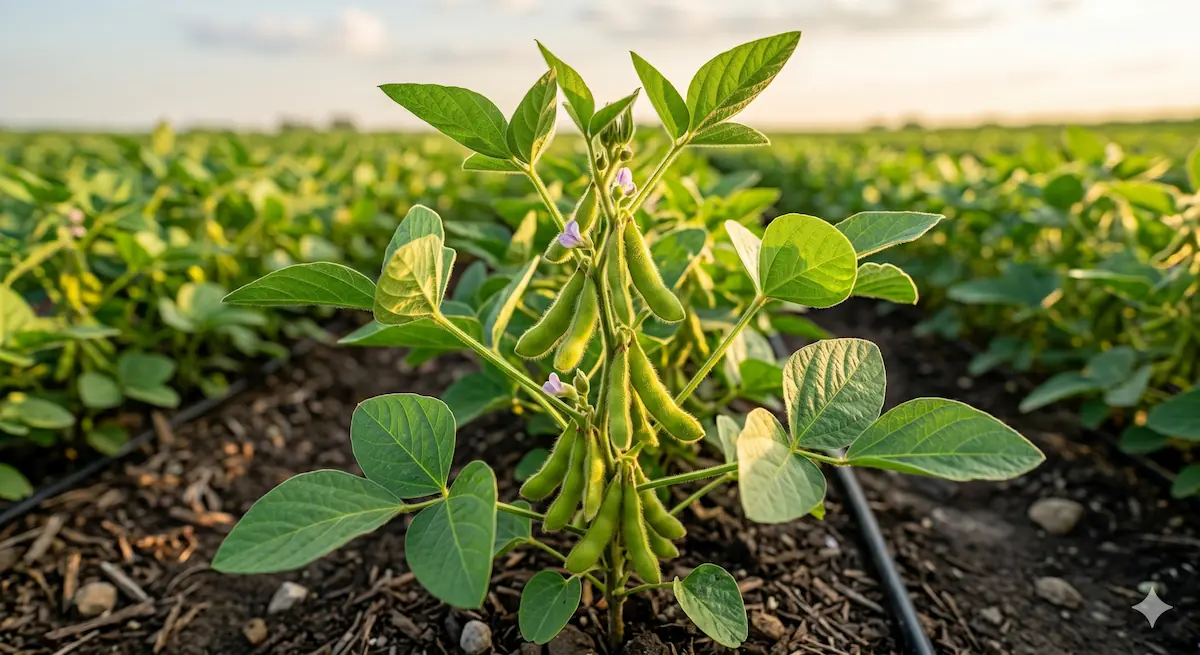
Soybean: The Ultimate Soil Improver and Superfood
Soybean is a plant that "feeds" the earth. Learn how to plant soy, why it's ideal for crop rotation, and how to get a protein-rich harvest.
Read more →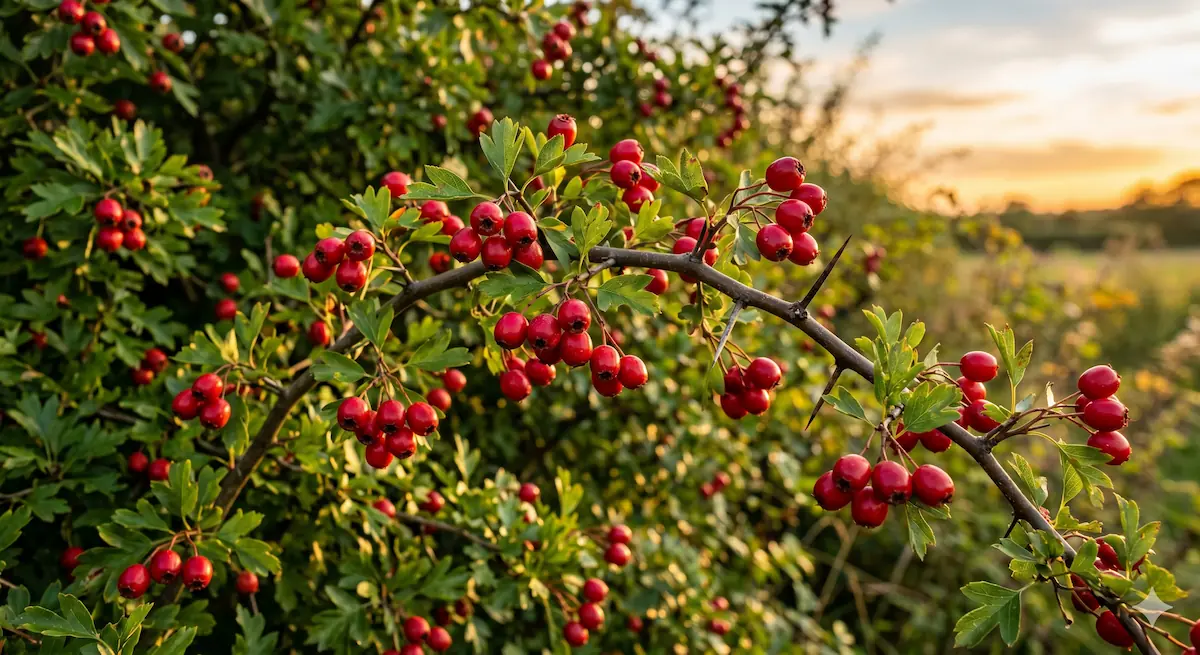
Hawthorn: A Thorny Pharmacy in Your Garden
Hawthorn combines resilience with health benefits. Learn how to create an impenetrable fence, why it fears no drought, and how to harvest berries for heart health.
Read more →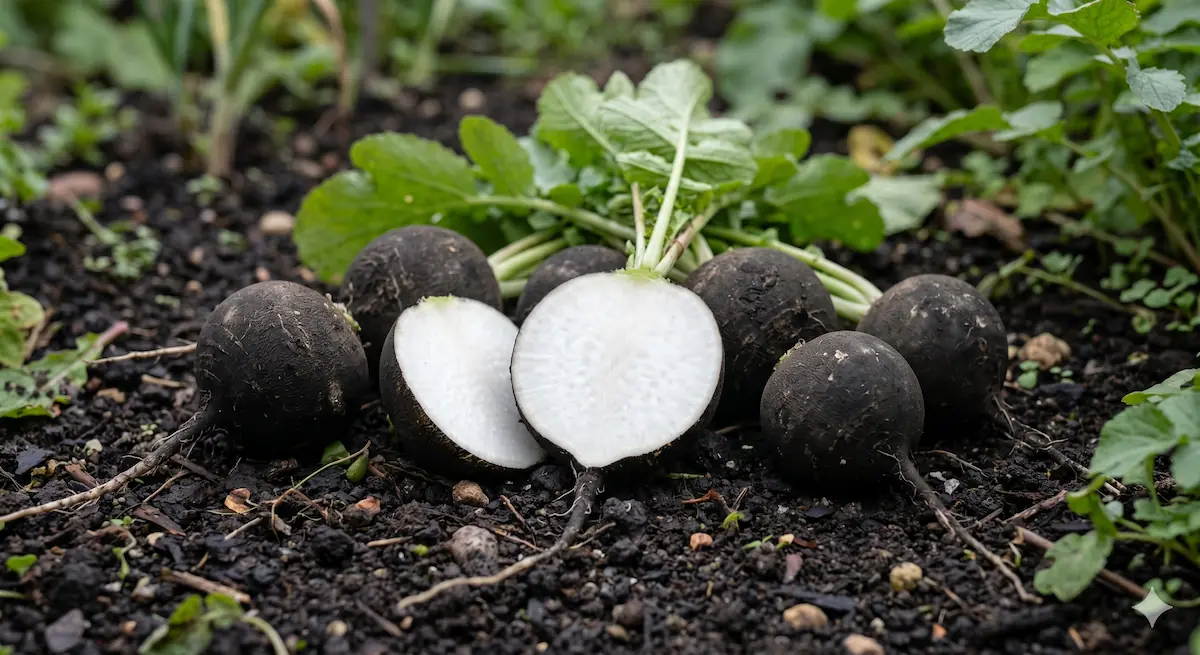
Black Radish: A Natural Pharmacy in Your Garden
Black radish is a legendary remedy for colds. Learn why it prefers short daylight hours, how to provide proper irrigation, and why it should never be planted near cabbage.
Read more →