
Chocolate Mint: A Dessert Aroma in Your Garden
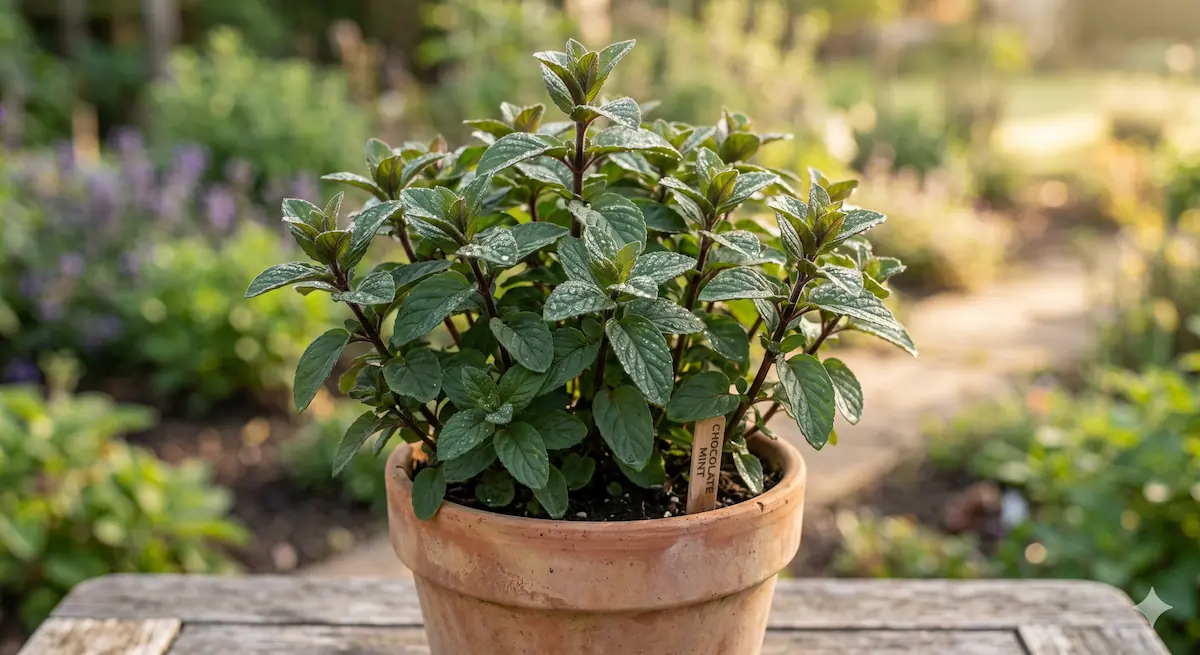
Mint that tastes like chocolate is not a myth. Learn how to plant this aromatic herb, why it needs a "limiter," and how to make its color as rich as possible.
Chocolate Mint (Mentha x piperita 'Chocolate') is a peppermint hybrid that captivates with its sweet aroma. It is less aggressive than classic mint but spreads just as easily. Its leaves have a pleasant dark tint that becomes even more vibrant in sunny spots.
Soil: Where Will the Mint Be Most Aromatic?
Mint adores moisture and loose soil. If the soil is too dry, the leaves will grow small and lose their signature scent.
- Best Choice: Fertile Loamy soils (Type 1) or Clay soils (Type 3) with regular watering.
- Soil Check: Perform the sausage test. If the soil rolls into a perfect ring (Type 3), it will retain moisture perfectly for the mint, but don't forget to aerate the top layer.
Best Companions (Good)
- Cabbage: The strong mint scent repels cabbage whites and flies. It’s an ideal neighbor for our purple cauliflower.
- Tomatoes: It is believed that mint proximity improves the flavor of tomato fruits and protects them from certain pests.
Main Enemies (Bad)
- Walnut Trees: As always, keep mint away from the walnut tree. Juglone quickly inhibits the growth of this delicate herb.
- Other Mint Varieties: If planted too close to regular peppermint, they may cross-pollinate or their roots may tangle, causing you to lose that unique chocolate scent.
AgroPlanner Tip: Mint tends to "conquer" territory. In our app, it occupies a 1x1 grid, but we recommend planting it in a bottomless bucket or a large pot buried in the ground. The system will remind you about **growth containment** so the chocolate aroma doesn't take over your entire garden!
AgroPlanner App
Realize your dream garden: check plant compatibility, sun/shade needs, and save your plan easily.

Disclaimer
Important! All information in this blog is for recommendation purposes only. We are developers and enthusiasts, not certified agronomists. Results may vary based on your region, soil type, and weather. We are not responsible for potential errors or crop failures. Please verify critical advice independently!
Found this helpful? Share with friends!
Read more
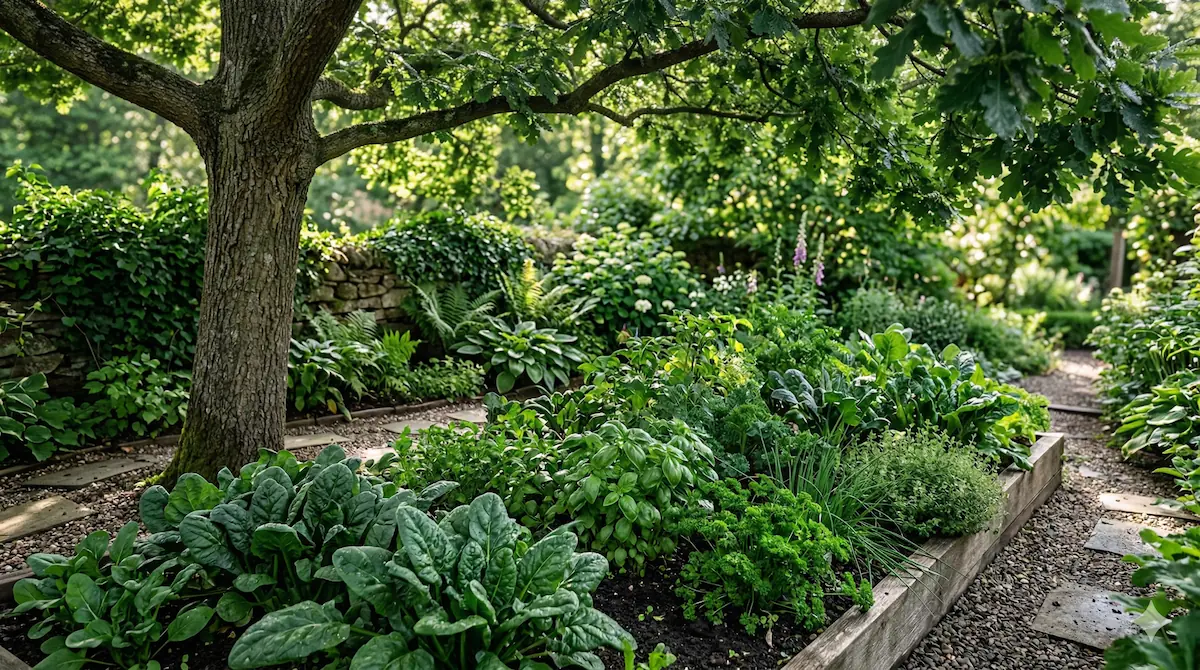
What to Plant in the Shade: Top Plants for Low Light
Shade from a fence or a tree isn't a dead end. Discover crops that thrive without direct sunlight.
Read more →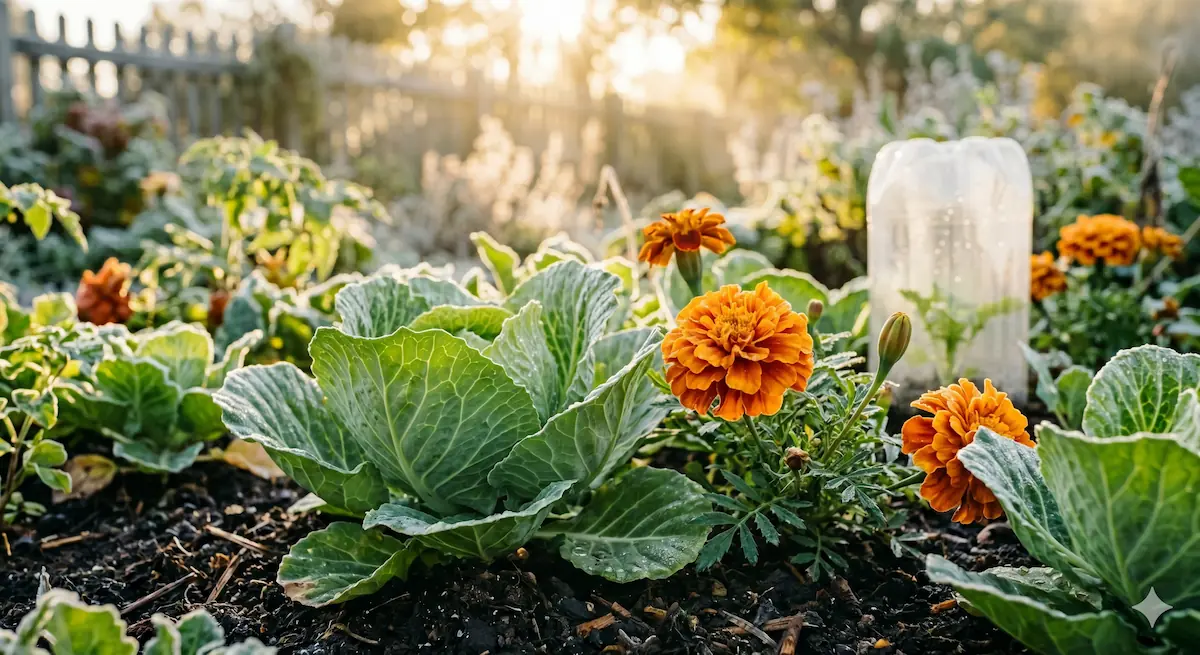
Why Marigolds and Nasturtiums Belong in Every Garden Bed
Make your garden both beautiful and protected. Learn how specific flowers help fight pests naturally without the need for harmful pesticides.
Read more →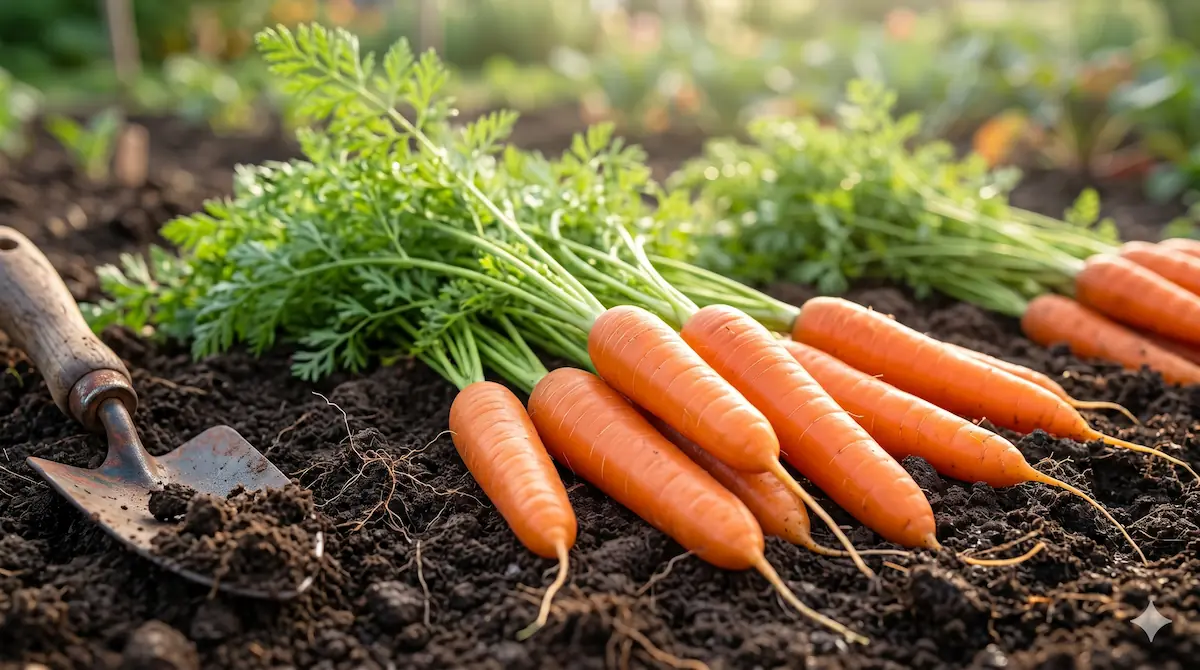
Secrets of Perfect Carrots: How to Grow Straight and Sweet Roots
Learn why carrots grow deformed, how to thin them correctly, and what to feed for maximum sweetness. Expert tips from AgroPlanner for perfect root vegetables.
Read more →