
Dwarf Banana: Growing a Tropical Paradise at Home
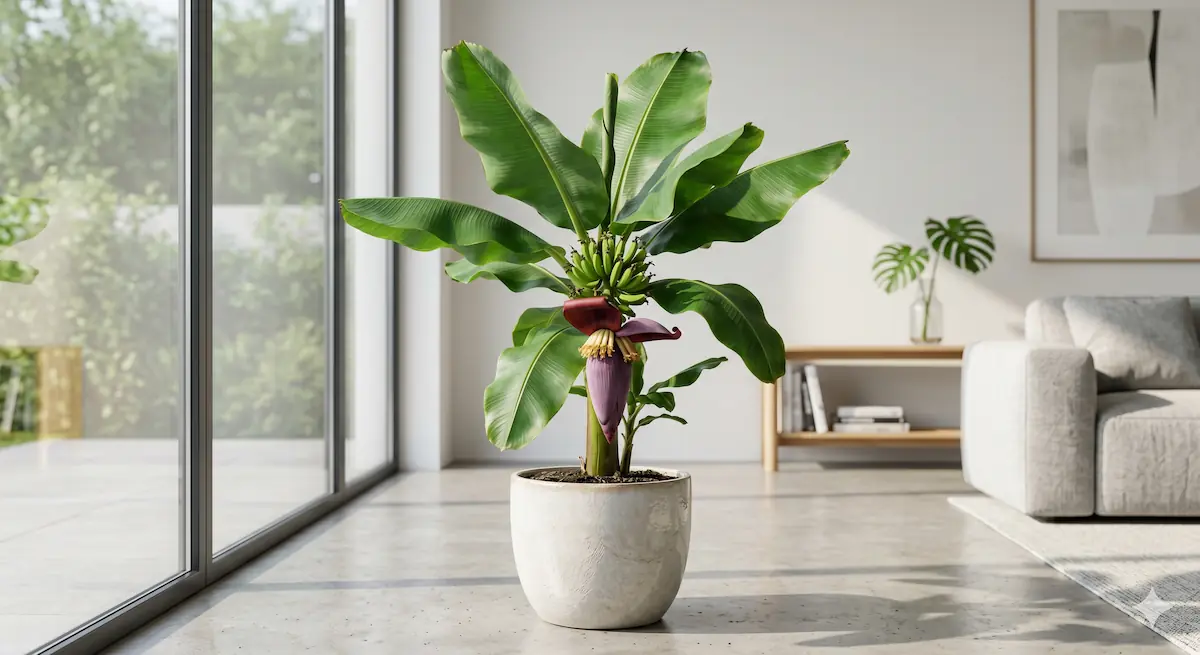
Dreaming of your own bananas? It's possible! Learn why the banana is a "water-lover," which soil helps it bloom, and how to protect it from dry indoor air.
The Dwarf Banana (such as the Musa Dwarf Cavendish) is one of the most rewarding exotic plants. It grows incredibly fast, sometimes producing a full new leaf in just one week. With proper care, in 2-3 years, you can witness its stunning purple flower and eventually harvest small, incredibly sweet fruits.
Soil: Fuel for the Giant Herb
Bananas consume nutrients at a rapid pace. They need very rich, fertile soil that retains moisture without becoming waterlogged.
- Best Choice: Fertile Loamy soils (Type 1) enriched with organic matter.
- Soil Check: Perform the sausage test. A cracking ring (Type 1) is ideal: the soil holds enough water for the succulent stems while allowing the roots to breathe.
Best Companions (Good)
- Ginger: Loves the dappled shade provided by broad banana leaves and the high humidity levels.
- Sugar Apple (Annona): Coexists perfectly, forming a unified tropical microclimate.
- Ferns: Help maintain ambient humidity around the base of the banana pseudostem.
Main Enemies (Bad)
- Walnut Trees: If moving your banana pot to the garden for summer, keep it at least 15 meters away from walnuts. Juglone is toxic to bananas.
- Drafts and AC Units: Cold, dry air causes leaf edges to turn black and stunts growth.
- Standing Water: Without proper drainage, the banana's growth point will rot within days.
AgroPlanner Tip: Dwarf bananas need significant space for their sprawling leaves. In our app, it occupies a 2x2 grid. Always check the **"Humidity"** and **"Light"** status—bananas need maximum sun. The system will flag proximity to walnuts in red to prevent fatal planning errors in your summer garden.
AgroPlanner App
Realize your dream garden: check plant compatibility, sun/shade needs, and save your plan easily.

Disclaimer
Important! All information in this blog is for recommendation purposes only. We are developers and enthusiasts, not certified agronomists. Results may vary based on your region, soil type, and weather. We are not responsible for potential errors or crop failures. Please verify critical advice independently!
Found this helpful? Share with friends!
Read more
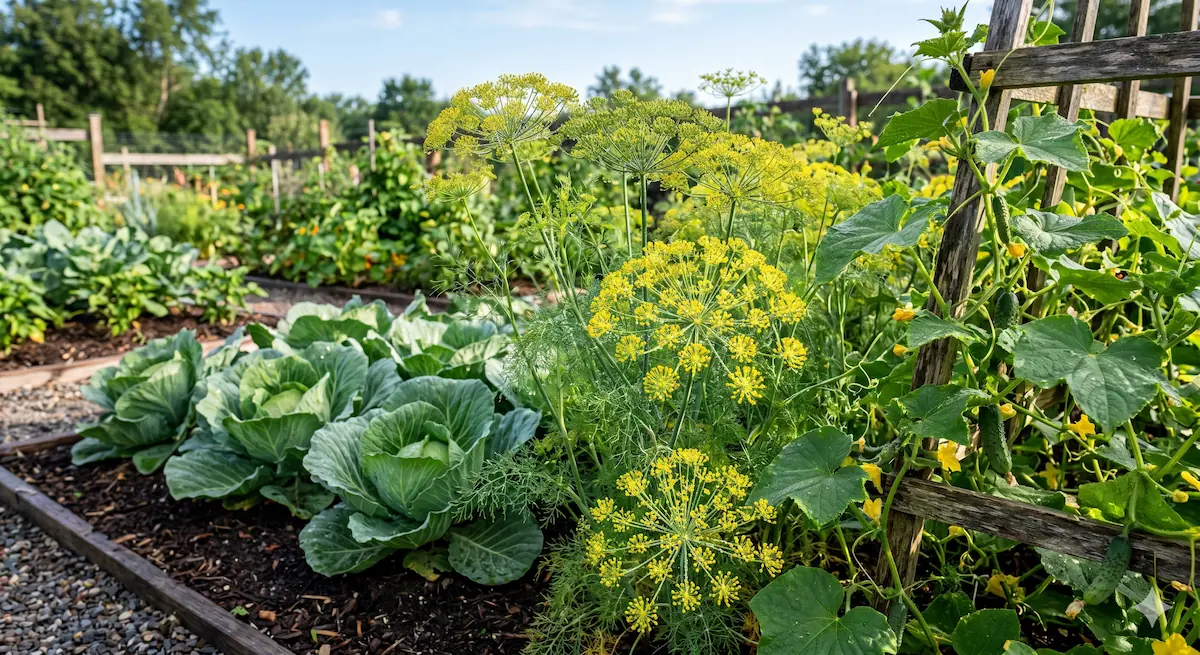
Dill Companion Planting: Ultimate Guide for the Pickling Season
Dill is the best friend for cucumbers but a deadly match for carrots. Discover 8 companion plants that love dill and how to grow lush greens without diseases.
Read more →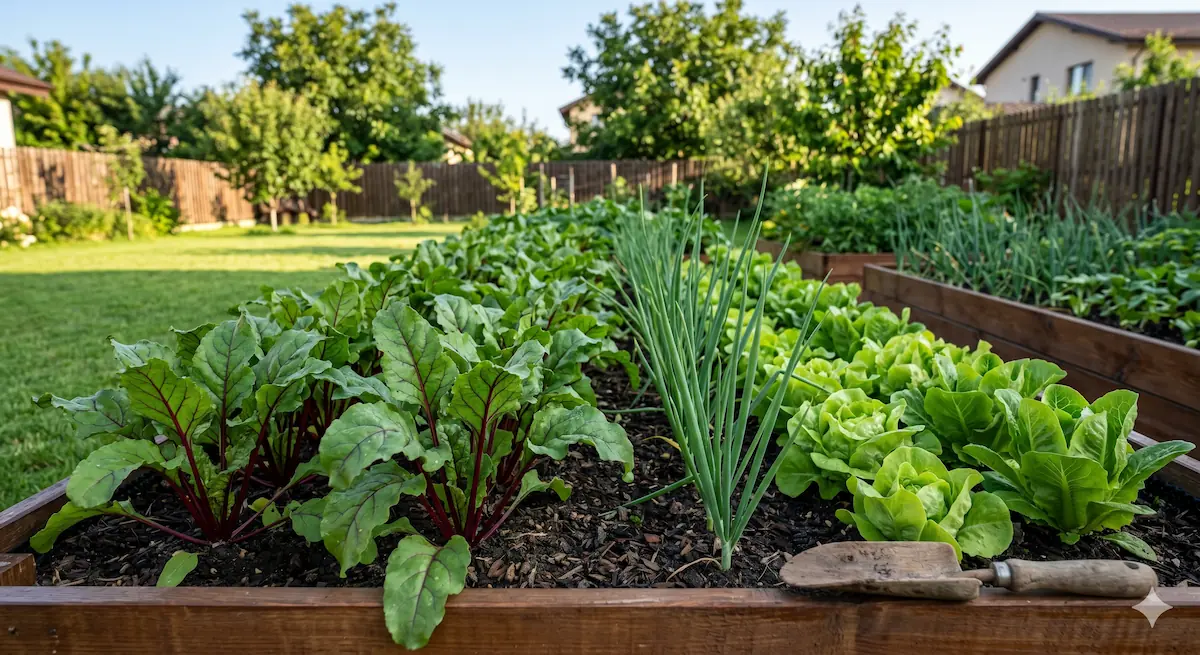
Beetroot Companion Planting: 8 Best Partners for Sweet Roots
Beetroots require rich potassium and loose soil. Discover 8 companion plants that protect the roots from pests, improve flavor, and learn why pole beans are dangerous.
Read more →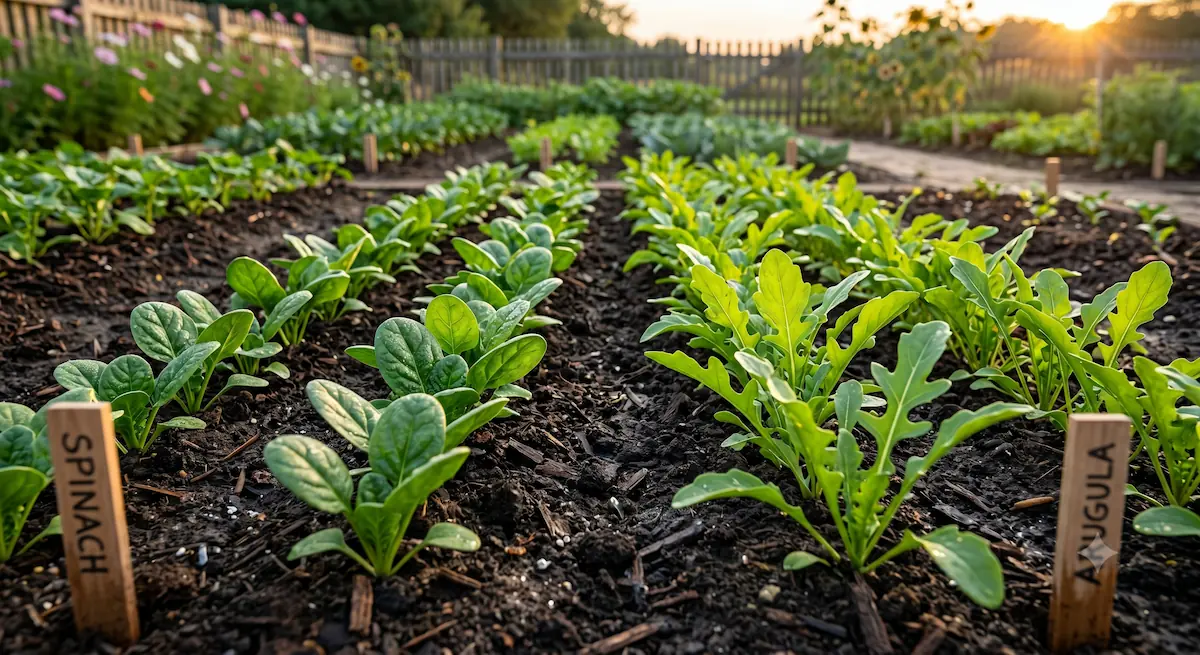
What to Plant in September: The Autumn Wave of Fresh Greens
September is not the time to close the garden season. Guide to crops that can be sown in early autumn: fast greens, radishes, and winter onions.
Read more →