
The "Sausage" Test: How to Determine Your Soil Type in 5 Minutes
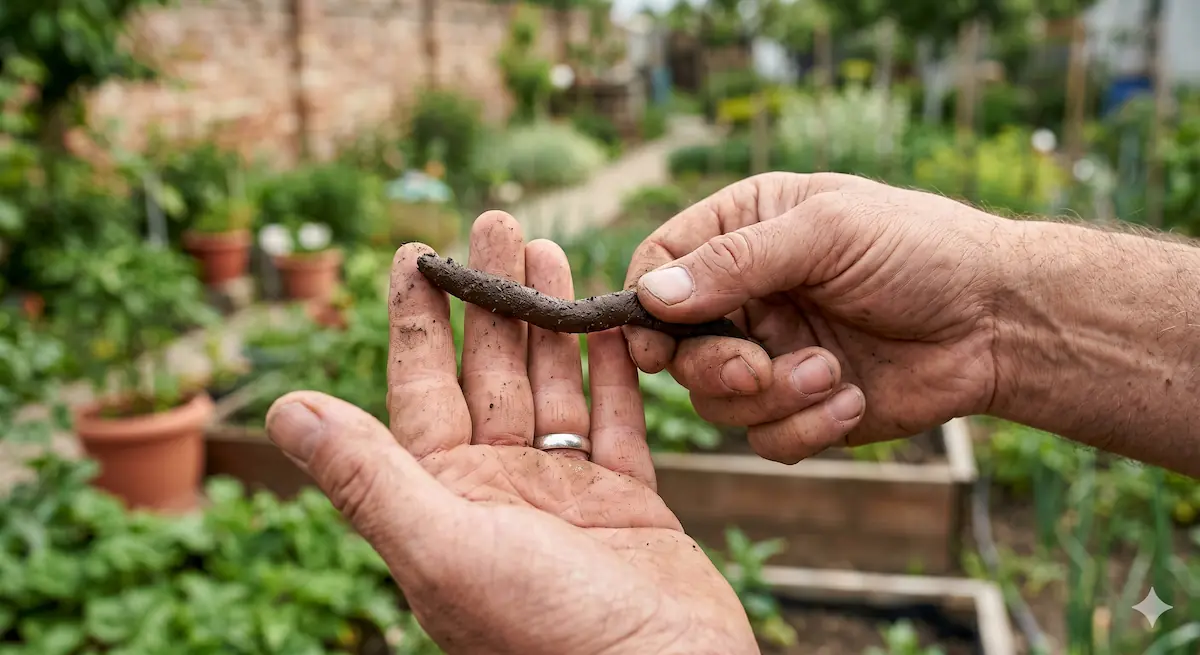
Stop buying expensive equipment! Learn how to identify your soil structure—from loose sand to heavy clay—using just a handful of earth and some water.
Have you ever noticed that one neighbor's carrots grow straight and long, while yours end up stunted and crooked? Or that water sits on one bed for a day after rain while disappearing instantly from another? The reason isn't "luck"—it's the mechanical composition of your soil. In AgroPlanner, we categorize soils into 5 types, and here is how to find yours.
Why Should You Know Your Soil Type?
Soil texture (the ratio of sand, silt, and clay) determines how well the earth holds water and nutrients. For instance, watermelons love sand because it warms up quickly, while cabbage thrives in heavy clay because it retains moisture during heatwaves.
Performing the "Sausage" Test
You don't need a lab. Take a handful of soil from a depth of about 10-15 cm, moisten it slightly (so it feels like putty but doesn't stick to your hands), and follow these steps:
- Step 1: Try to roll the soil into a ball. If it falls apart and won't hold its shape—you have Sandy soil (Type 2).
- Step 2: If you made a ball, try to roll it into a thin "sausage" (about 3-5 mm thick). If the sausage breaks into pieces—it's Sandy Loam.
- Step 3: If the sausage stays intact, try to bend it into a ring. If the sausage cracks and breaks during bending—it's Loamy soil (Type 1). This is the "gold standard" for gardening.
- Step 4: If the ring bends easily with few or no cracks—you are looking at Clay soil (Type 3). It is fertile but heavy to work with.
Special Cases: Peat and Chalk
If the earth is very dark, almost black, and feels springy like a sponge when squeezed—it's Peaty soil (Type 4). If the soil contains many small light-colored stones and dries into a white dust—it's Chalky soil (Type 5).
AgroPlanner Tip: Now that you've determined your soil type, use this knowledge to group your crops. In our Planner, each plant has its own soil code (1–5). If you place plants with fundamentally different soil requirements next to each other, the app will alert you to the mismatch. Group "sand lovers" together to make your gardening life easier.
AgroPlanner App
Realize your dream garden: check plant compatibility, sun/shade needs, and save your plan easily.

Disclaimer
Important! All information in this blog is for recommendation purposes only. We are developers and enthusiasts, not certified agronomists. Results may vary based on your region, soil type, and weather. We are not responsible for potential errors or crop failures. Please verify critical advice independently!
Found this helpful? Share with friends!
Read more
Zucchini and Courgettes: How to Grow a Bountiful Harvest in Limited Space
Secrets to growing zucchini and courgettes: from choosing a sunny spot to proper harvesting. Tips on plant compatibility and care to prevent diseases.
Read more →
Calendula: A Medicinal Helper and Garden Protector
Learn how calendula heals the soil, repels tomato pests, and why you should include it in your planting layout. Tips on growing and compatibility in our garden planner.
Read more →
Echinocactus Grusonii: How to Grow the Perfect Golden Barrel
The Golden Barrel cactus is a desert classic. Learn why it hates frequent repotting, how to maintain its golden spines, and why sandy soil is its only chance for survival.
Read more →