
Beetroot Companion Planting: 8 Best Partners for Sweet Roots
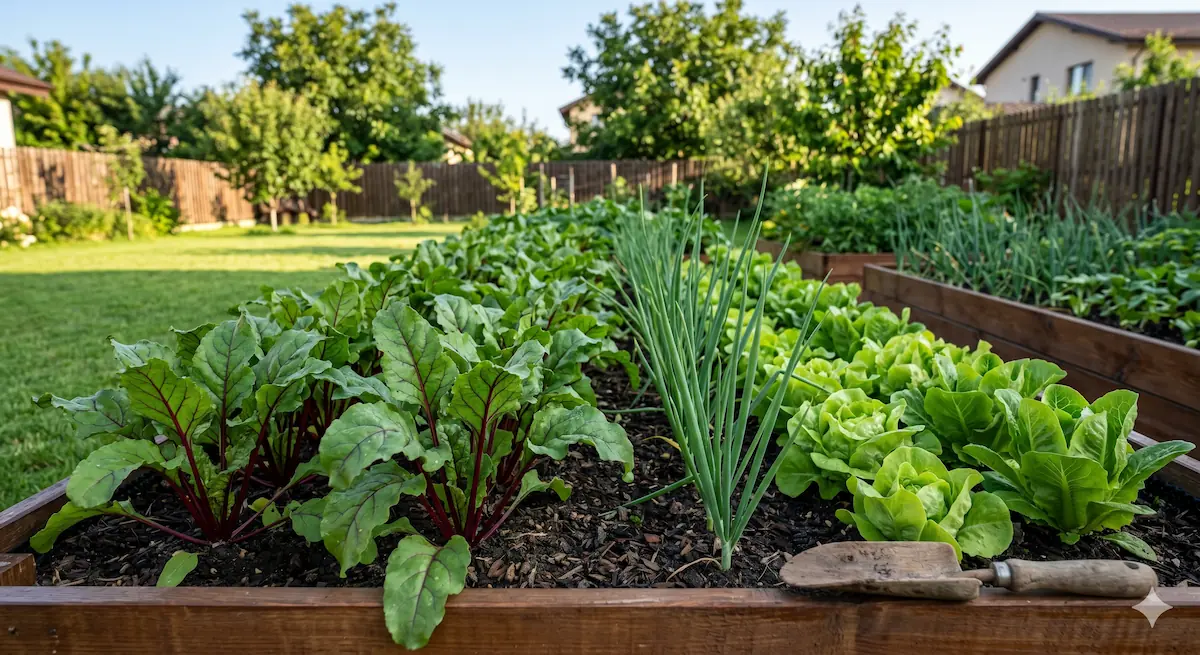
Beetroots require rich potassium and loose soil. Discover 8 companion plants that protect the roots from pests, improve flavor, and learn why pole beans are dangerous.
Red beetroot (Beta vulgaris) is one of the most popular and beneficial crops in our garden. It is rich in vitamins, stores beautifully through the winter, and does not require overly complex care. However, for the roots to grow sweet, tender, and without woody rings, you need to know a few essential rules: from soil preparation to proper companion planting.
1. Soil Selection and Planting
Beetroots prefer loose, fertile soils with a neutral acidity level (pH 6-7). If the soil is too acidic, the roots will remain small and weak. Sowing in the open ground begins when the soil warms up to +8-10°C (usually late April or May).
- Planting depth: 2-3 cm.
- Row spacing: 25-30 cm.
- Important note: Beet seeds grow in small clusters (seedballs), meaning 2-4 sprouts can emerge from a single seed. Therefore, thinning your crop is absolutely mandatory!
2. Care Secrets: Watering and Thinning
The main secret to tender beets is consistent moisture during root formation. If you water unevenly (alternating between droughts and flooding), the beets will grow tough and cracked. Thin the beds in two stages: first, when the first two true leaves appear (leaving 3-4 cm between plants); second, when the root reaches the size of a radish (leaving 8-10 cm).
3. Table of Ideal Companions (Good)
The right neighbors help beetroots develop, repel leaf miners, and share vital soil nutrients. For space-efficient intercropping, fresh spinach is also a wonderful choice.
| Companion | Companion Benefits |
|---|---|
| Onions | Deter pests with their sharp phytoncide aroma without blocking vital sunlight from beet leaves. |
| Lettuce | Grows quickly between rows, acting as living mulch to lock in soil moisture and protect from sunscald. |
| Bush Beans | Enrich the soil with natural nitrogen, stimulating the active growth of healthy foliage. |
| Garlic | Releases natural antiseptics, protecting roots from fungal diseases and rot. |
📐 AgroPlanner AppRealize your dream garden: check plant compatibility, sun/shade needs, and save your plan easily.  DisclaimerImportant! All information in this blog is for recommendation purposes only. We are developers and enthusiasts, not certified agronomists. Results may vary based on your region, soil type, and weather. We are not responsible for potential errors or crop failures. Please verify critical advice independently! Found this helpful? Share with friends!Read more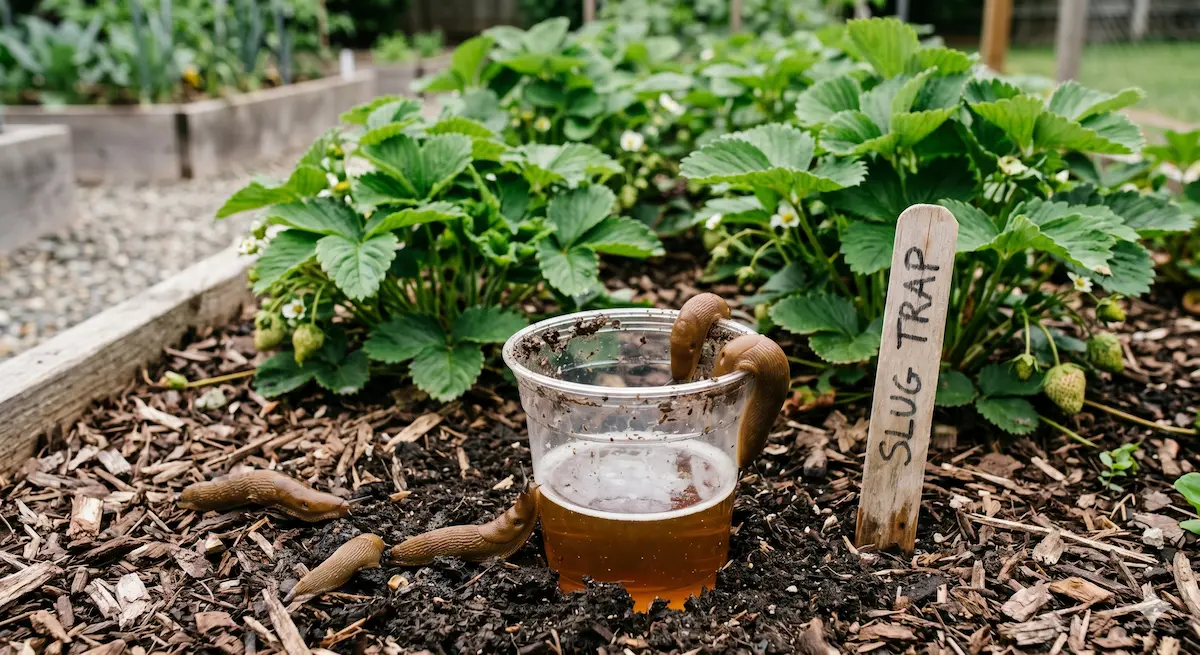 The Slug War: 8 Humane and Effective Ways to Protect Your GardenSlugs can destroy your cabbage seedlings or ruin sweet strawberries overnight. Learn how to use beer, coffee, and physical barriers to protect your beds without toxic chemicals. Read more →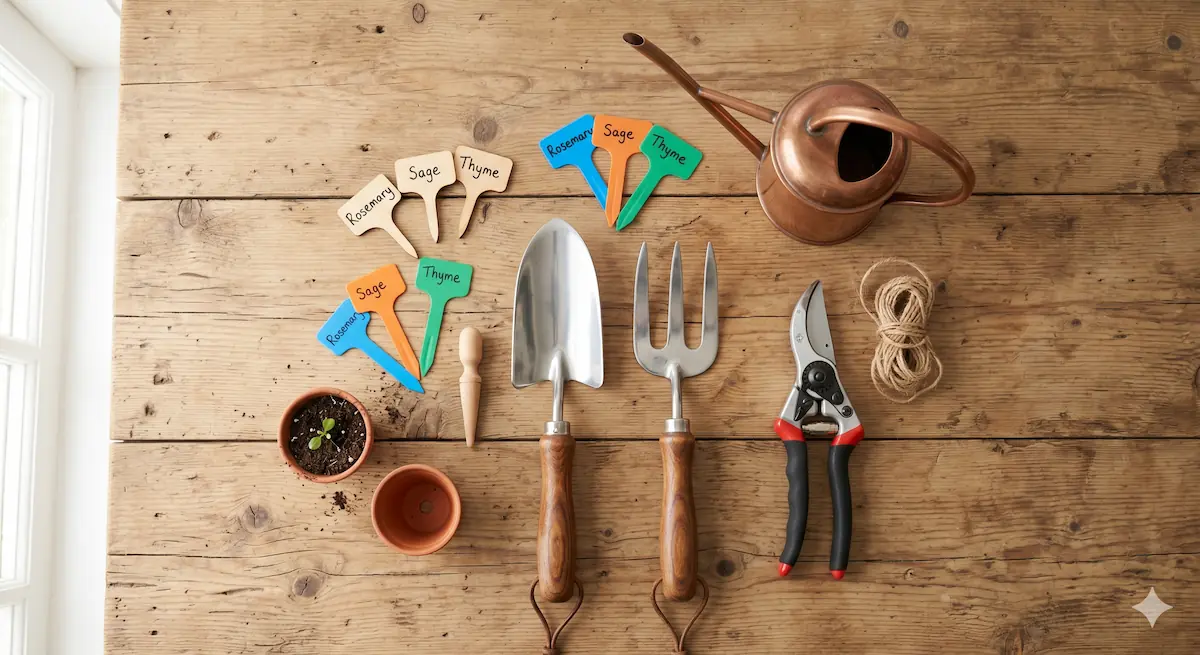 Planting Tools: 5 Essential Items and Smart AccessoriesGardening or repotting indoor flowers can turn into chaos without the right equipment. We have gathered the 5 main tools and 3 useful devices that will save your energy and protect plant roots. Read more →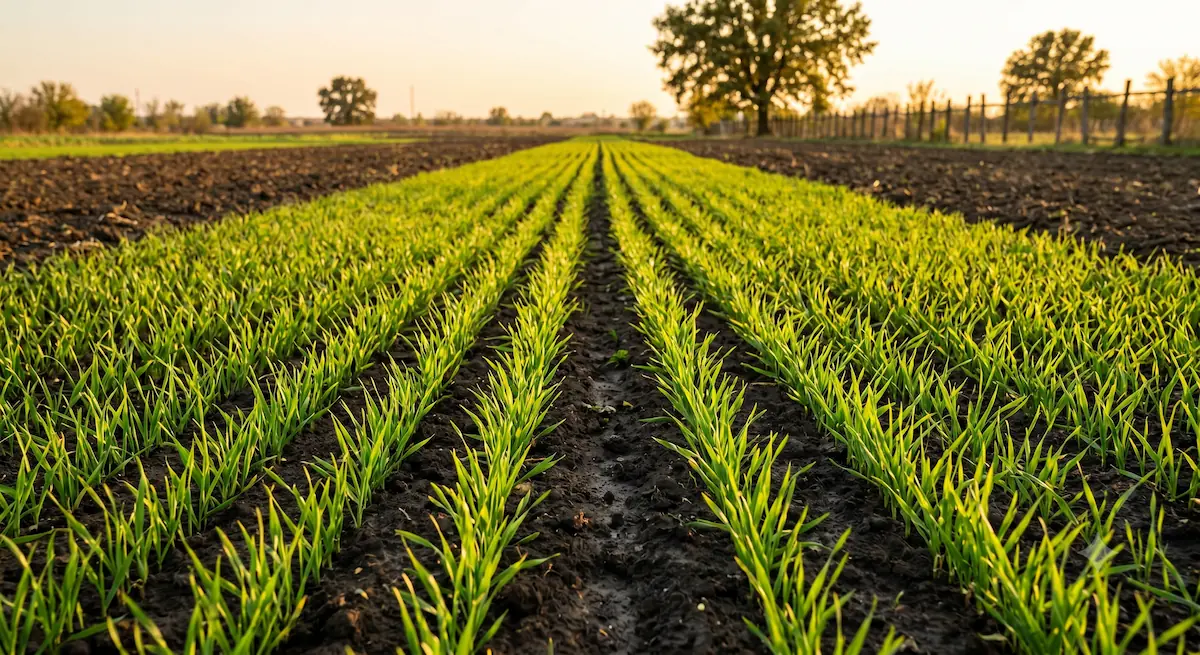 Autumn Green Manures: Which Crops to Sow Before Winter for Perfect SoilLate summer is the ultimate window to sow winter cover crops. Breakdown of rye, oats, and vetch traits to heal and prep soil for spring. Read more → |