
Fennel: Why This Aromatic Beauty Prefers Solitude
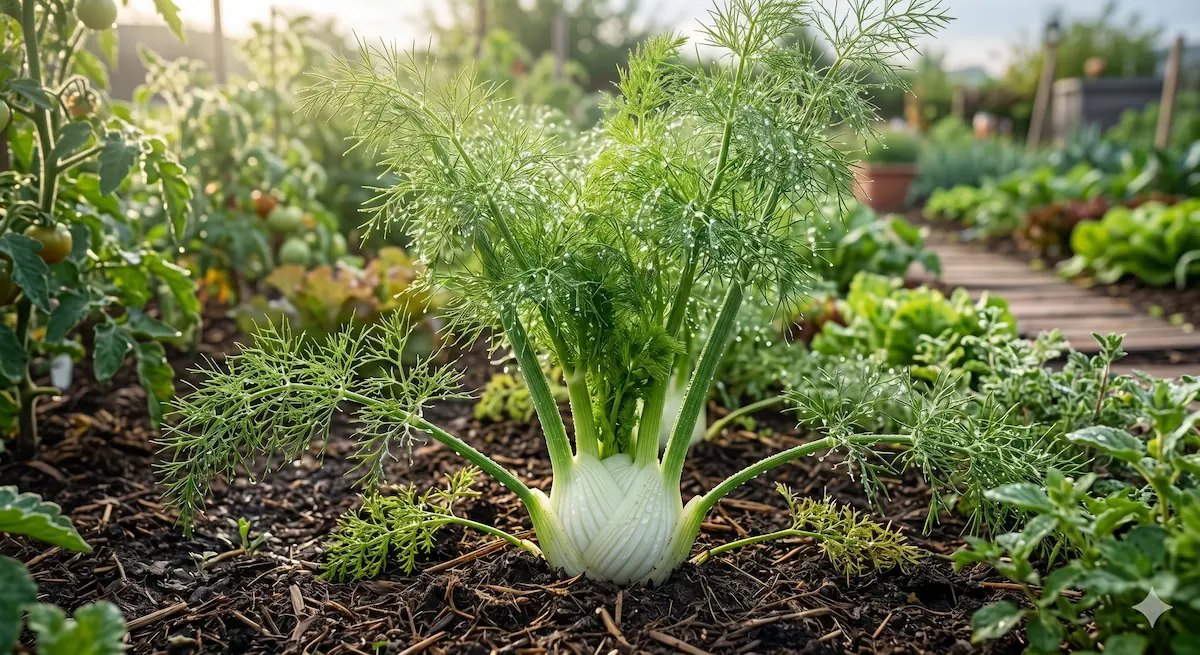
Fennel is one of the most "selfish" plants in the garden. Learn why it should be planted separately and how its toxic radius affects the growth of other vegetables.
Fennel attracts with its delicate feathery leaves and anise aroma, but experienced gardeners know: this is a loner plant. It has a steady reputation as a "bad neighbor," and in AgroPlanner, we treat this not just as a myth, but as a real biological factor.
Selfishness in the Plant World
Fennel releases substances through its roots that inhibit the growth of almost all its neighbors. Tomatoes, beans, and spinach suffer particularly hard from its presence. In our planner, fennel has a "danger zone" (toxic radius). If you try to place a sensitive crop too close, the system will warn you, ensuring this aromatic beauty doesn't ruin your future harvest.
Soil Requirements
Fennel loves sunny spots and well-drained soil. It performs best on Loams (Type 1). If the ground is too heavy and wet, the roots may rot, and the aroma will become less intense. Be sure to check your plot using our "sausage test" guide before planting.
Does Fennel Have Any Friends?
To be honest—hardly any. This is one of the few plants that is better off in its own large pot or a remote corner of the garden. The only plant that somewhat tolerates fennel is dill, but even then, it's better not to plant them side by side to avoid cross-pollination, which can spoil their unique flavors.
AgroPlanner Tip: Don't use fennel as a "filler" for your main vegetable beds. Its influence is so strong that even after harvest, the soil in that spot may remain unfavorable for other plants for some time. Plan its location in advance using the visual zones in our app.
AgroPlanner App
Realize your dream garden: check plant compatibility, sun/shade needs, and save your plan easily.

Disclaimer
Important! All information in this blog is for recommendation purposes only. We are developers and enthusiasts, not certified agronomists. Results may vary based on your region, soil type, and weather. We are not responsible for potential errors or crop failures. Please verify critical advice independently!
Found this helpful? Share with friends!
Read more
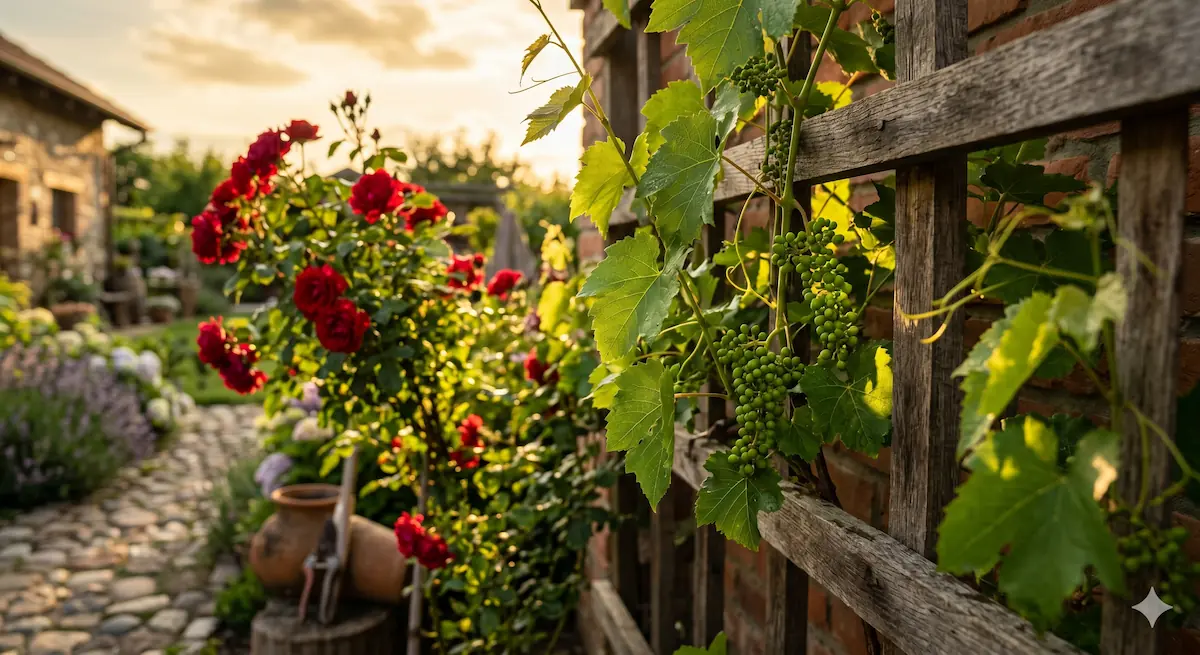
Grapes for Beginners: Choosing the Perfect Spot for Years to Come
Grapes hate moving. Learn how to correctly place a vineyard on your plot so it gets maximum sun and doesn't interfere with other crops.
Read more →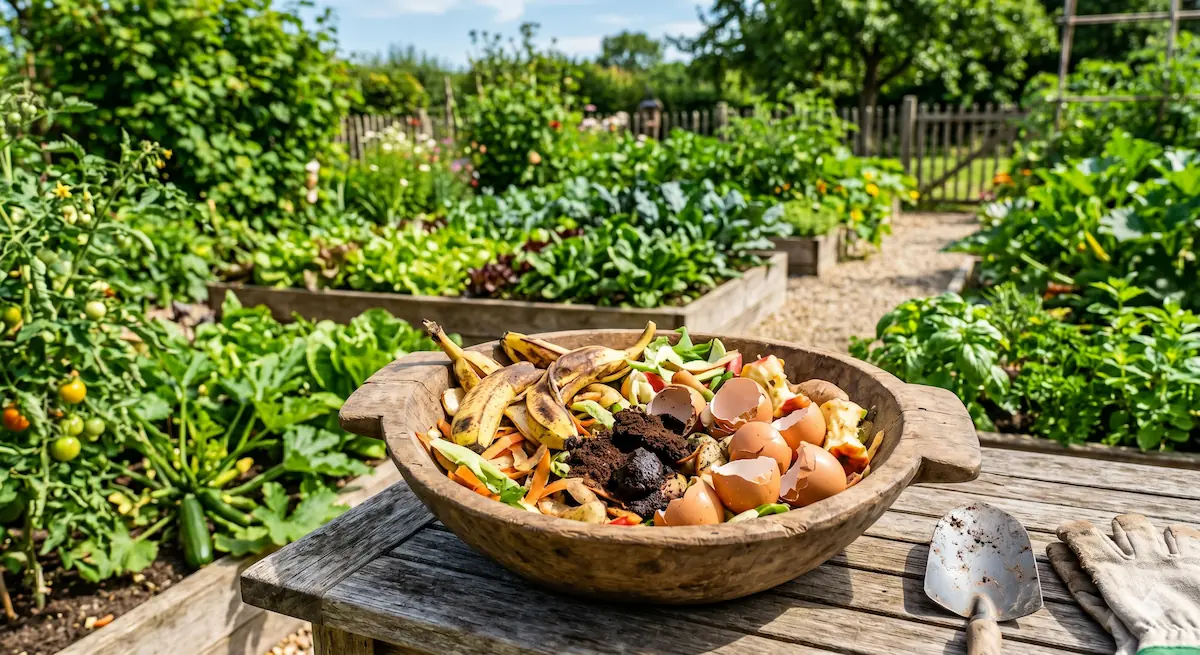
Kitchen Waste as Gold: Turning Trash into a Magnificent Harvest
Don't rush to throw away banana peels or coffee grounds! Your trash is a source of free vitamins for your garden. Learn about 8 types of kitchen waste that replace expensive fertilizers.
Read more →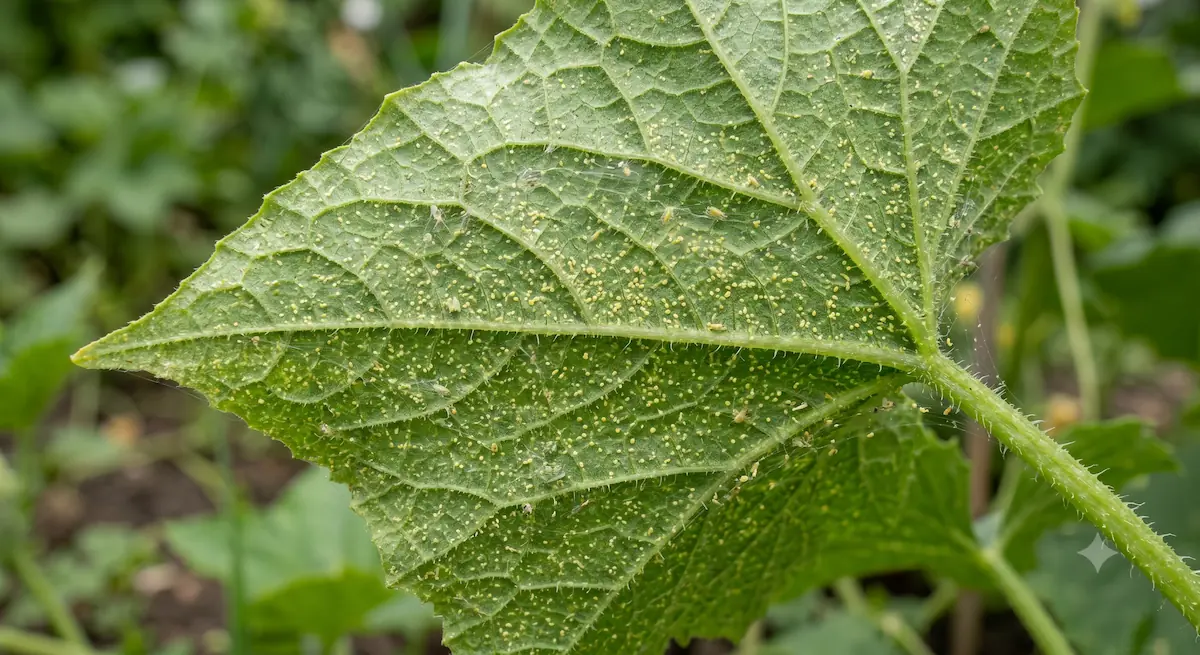
Spider Mites on Cucumbers and Peppers: How to Destroy the Pest in Summer
Dry summer heatwaves are ideal for spider mite reproduction. Learn the signs of patch infestation and the best natural and organic treatment methods.
Read more →