
Grapes for Beginners: Choosing the Perfect Spot for Years to Come
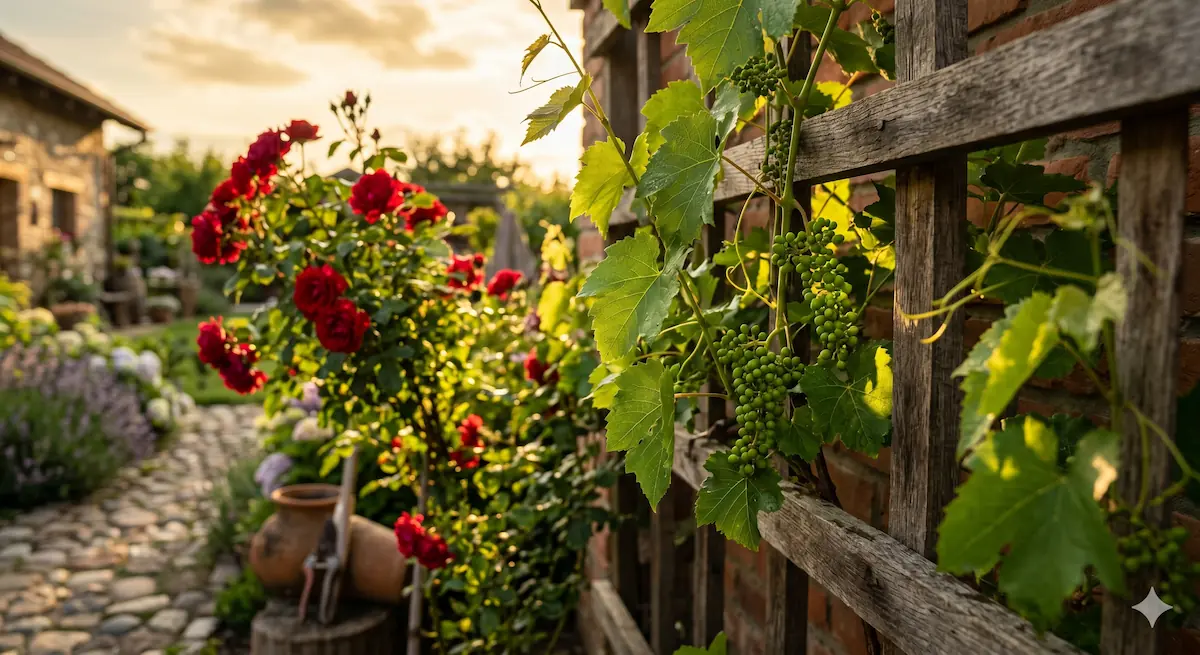
Grapes hate moving. Learn how to correctly place a vineyard on your plot so it gets maximum sun and doesn't interfere with other crops.
Grapes are not just bushes; they are perennial vines that grow more powerful every year. Unlike cucumbers or tomatoes, grapes are planted for decades. If you choose the wrong spot now, transplanting them in 5 years without losing the harvest will be nearly impossible.
Three Golden Rules for the Grape Grower:
- Sun Only: Grapes are "children of the sun." Any shade from a fence, house, or tall trees critically reduces the sweetness of the berries. Choose the southernmost point of your garden.
- Love for Lime: Grapes thrive on stony and chalky soils, which are marked as Type 5 in AgroPlanner. They drain well and don't hold excess moisture. If you are unsure if your soil is suitable for a vineyard, use our soil type guide and "sausage test".
- Vertical Thinking: Remember that grapes need a support (trellis). It will create a "green wall" that may shade out neighboring plants.
Ideal and Dangerous Neighbors
A classic move is to plant roses near grapes. It’s not just for beauty: roses react first to diseases shared with grapes, acting as an early warning system.
However, keep corn and Sunflowers away. They will steal both light and nutrients from your vines, and sunflowers, in particular, can inhibit the vine's roots with their natural chemicals.
AgroPlanner Tip: Since grapes grow very tall, be sure to check the shade zone in our planner tool. We recommend placing your grape trellis on the northern side of the plot. This way, it gets all the sun it needs without turning your garden into a "shadow realm" for other vegetables.
AgroPlanner App
Realize your dream garden: check plant compatibility, sun/shade needs, and save your plan easily.

Disclaimer
Important! All information in this blog is for recommendation purposes only. We are developers and enthusiasts, not certified agronomists. Results may vary based on your region, soil type, and weather. We are not responsible for potential errors or crop failures. Please verify critical advice independently!
Found this helpful? Share with friends!
Read more
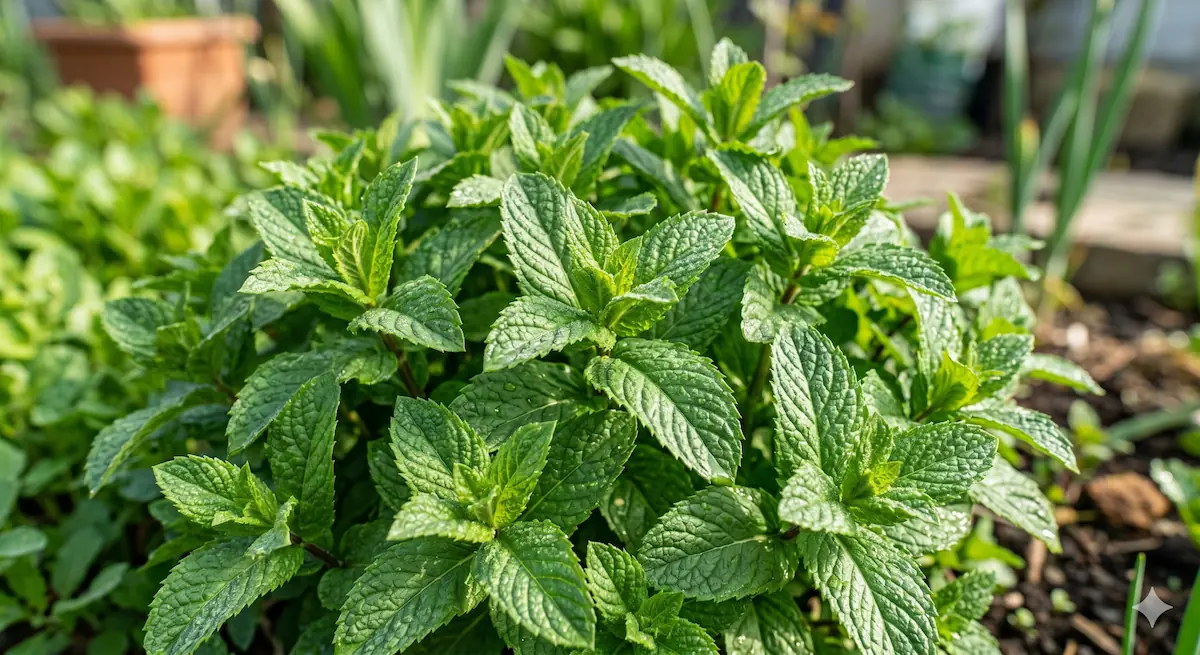
Growing Mint in the Garden: How to Grow Fragrant Greens and Contain the "Invader"
Mint growing secrets from AgroPlanner. Learn why it’s better to plant mint in a confined space, how to ensure a rich aroma, and how to correctly harvest for tea and drinks.
Read more →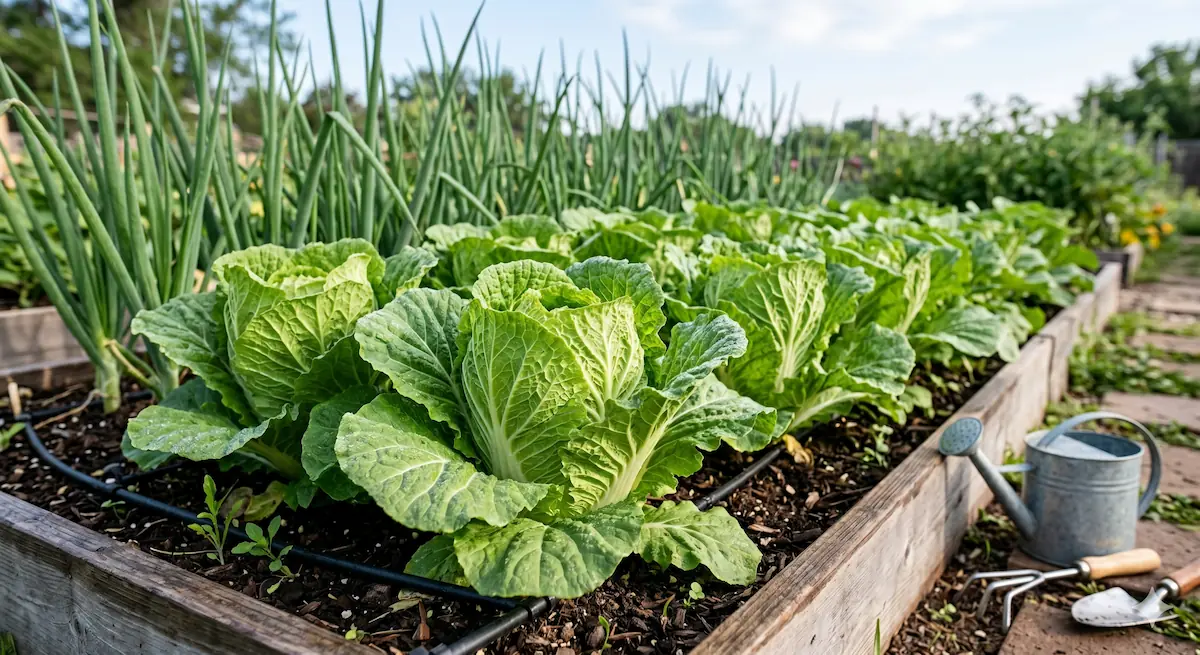
Beijing Cabbage: Secrets to Juicy Heads and Proper Companionship
Peking cabbage is a delicate crop that loves cool weather and correct soil. Learn how to avoid bolting and protect your harvest from pests.
Read more →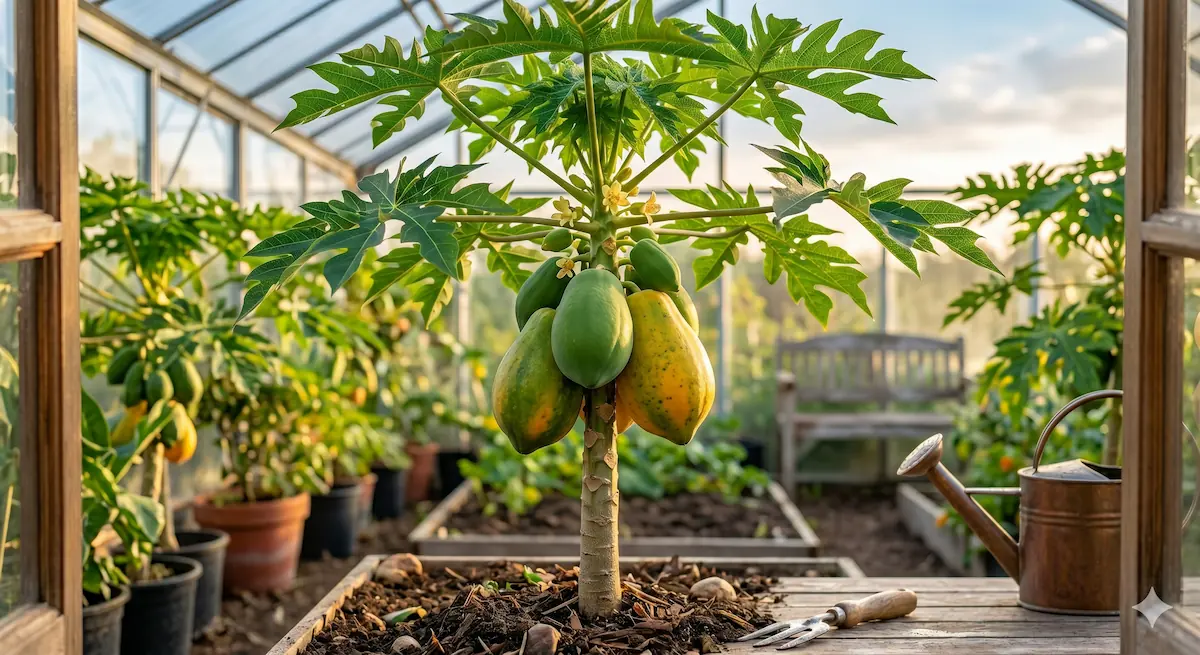
Papaya: The Melon Tree in Your Home
Papaya is a lightning-fast exotic plant. Learn which soil helps it grow in mere months, why it fears the cold, and how to plan its spot in a conservatory or a large pot.
Read more →