
Autumn Pruning and Overwintering of Grapes: Step-by-Step Manual
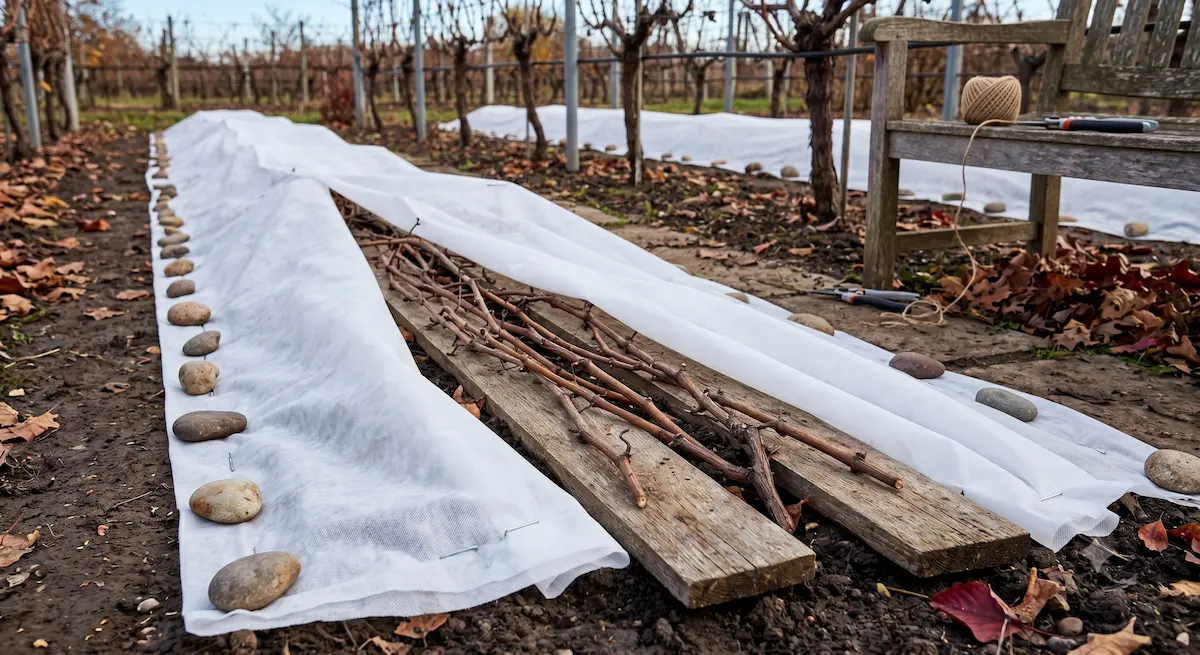
Proper preparation of grapevines for winter chills. Secrets of autumn pruning, root hardening, and selecting reliable cover fabrics.
Autumn preparation of the vineyard (Vitis vinifera) for winter is a highly critical stage that directly determines whether the vine will survive freezing conditions and what yield it will establish next season. Grapes are a heat-loving crop, so leaving them on a trellis without proper care through winter is a mistake. The autumn routine includes correct pruning after leaf drop and a reliable, dry cover for the root system.
1. Why Prune Grapes in Autumn?
Vigorous summer vine expansion leads to canopy overcrowding. If you fail to prune grapes in autumn, they will shoot hundreds of empty branches in spring, berries will grow small, and the bush quickly turns wild. Autumn pruning is conducted strictly after initial light frosts when the vine fully sheds leaves and sap terminates its movement. Read about the basics of summer row-space intercropping in our grapes companion guide.
2. Step-by-Step Technology of Under-Winter Vine Covering
The ironclad rule of winter protection is that grapes fear dampness and molding under covers far more than pure freezing spells. Therefore, the covering must remain perfectly dry. Before laying vines onto the ground, treat them with a 3% copper sulfate solution to destroy mold spores, and line the ground with dry straw or wooden boards so the vine never touches damp soil.
3. Table of Vineyard Preparation Stages Before Winter (Good)
| Work Stage | What Exactly to Do in Autumn? | What Is the Benefit for the Bush? |
|---|---|---|
| Sanitary Pruning | Ruthlessly prune away all unripened (green and soft) vine tips. They will freeze and rot anyway. | Prevents rot outbreaks inside the winter cover envelope. |
| Deep Autumn Drench | Drench the soil around the base heavily (50-70 liters of water per mature plant) before the ground freezes solid. | Moist soil freezes downward significantly slower, safeguarding deep root structures. |
| Root Mulching | Mound the root zone with dry soil mix or peat at a thickness of 10-15 cm. | Reliably shields the most vulnerable part of the plant — the underground trunk collar zone. |
4. Major Under-Winter Shrub Care Errors (Bad mistakes)
- Covering too early during warm weather: If you blanket grapes in October while ambient temperatures stay positive, buds underneath plastic or straw will mold and burn out. Covering is done steadily once temperatures fall to -2-4°C.
- Using pure manure as winter mulch: Fresh organic matter releases heat and nitrogen in autumn, triggering bud awakening mid-winter during the very first thaw wave. Read about the hazards of unbalanced organic matter in our NPK fertilizers guide.
AgroPlanner Tip: The best modern material to cover grapes is thick white row fabric (spunbond) applied in two layers stretched over low hoops. It breathes beautifully and prevents condensation buildup. Log your work dates in our tool!
AgroPlanner App
Realize your dream garden: check plant compatibility, sun/shade needs, and save your plan easily.

Disclaimer
Important! All information in this blog is for recommendation purposes only. We are developers and enthusiasts, not certified agronomists. Results may vary based on your region, soil type, and weather. We are not responsible for potential errors or crop failures. Please verify critical advice independently!
Found this helpful? Share with friends!
Read more
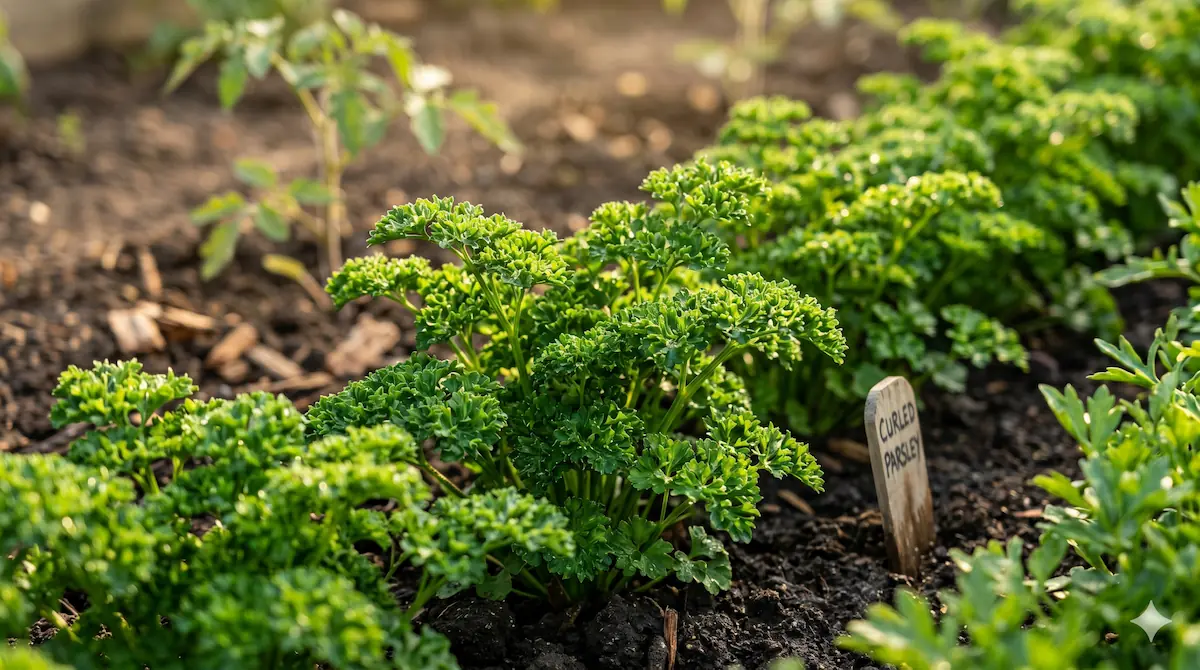
Parsley in the Garden: How to Speed Up Germination
Why parsley seeds take so long to sprout and how to accelerate the process. Tips for growing lush green parsley and caring for it from AgroPlanner.
Read more →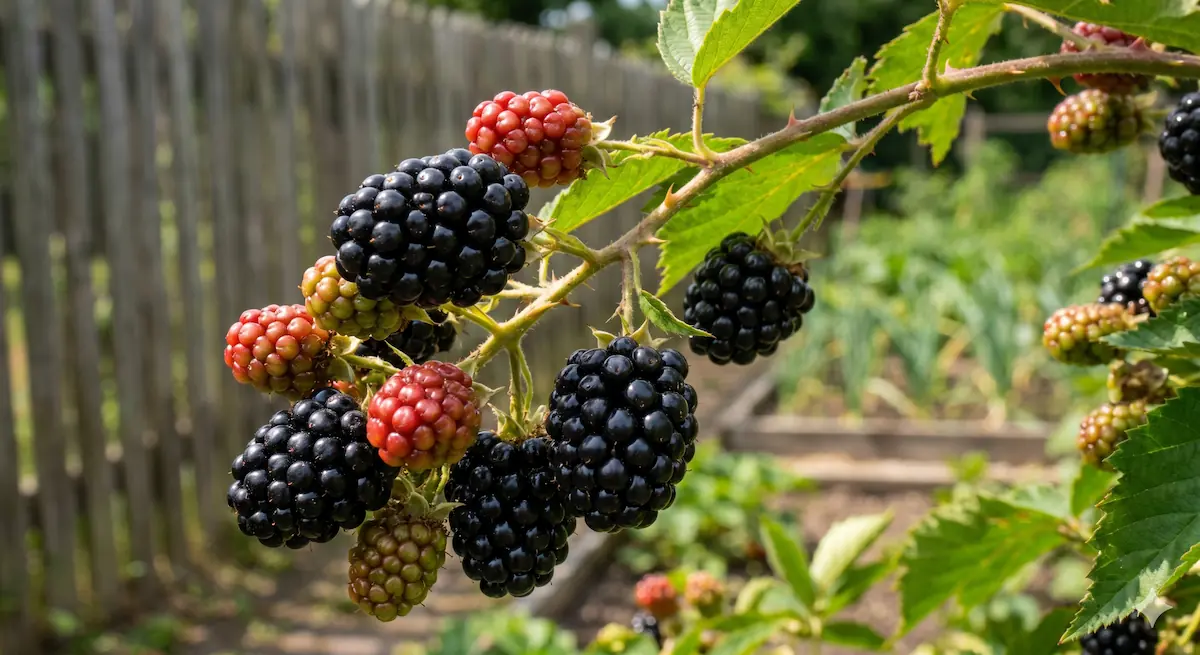
Growing Blackberries: How to Tame the Garden's "Black Diamond"
Dreaming of large, sweet thornless blackberries? Discover the secrets of planting, choosing the right soil, and how our planner helps find the perfect spot for this powerful berry.
Read more →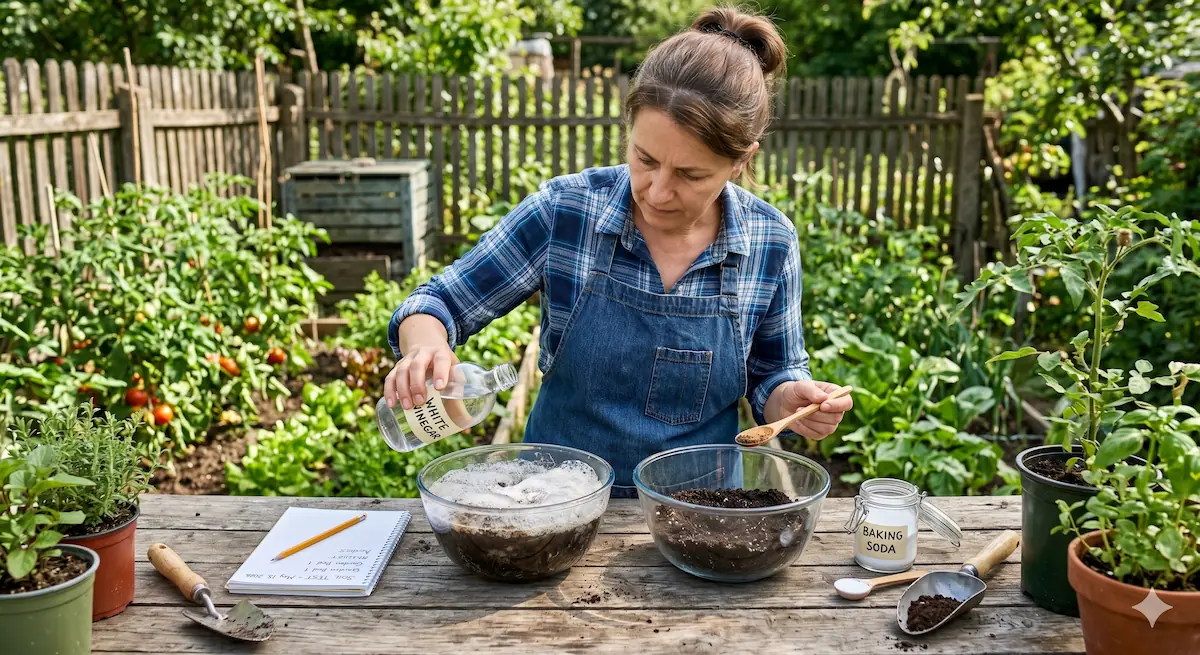
DIY Soil pH Test: Kitchen Magic for Gardeners
Not sure why your plants aren't growing? It might be the soil acidity. Run a simple 5-minute test using common kitchen items to find out what your soil needs.
Read more →