
Blueberries: How to Grow "Black Gold" in Your Own Garden
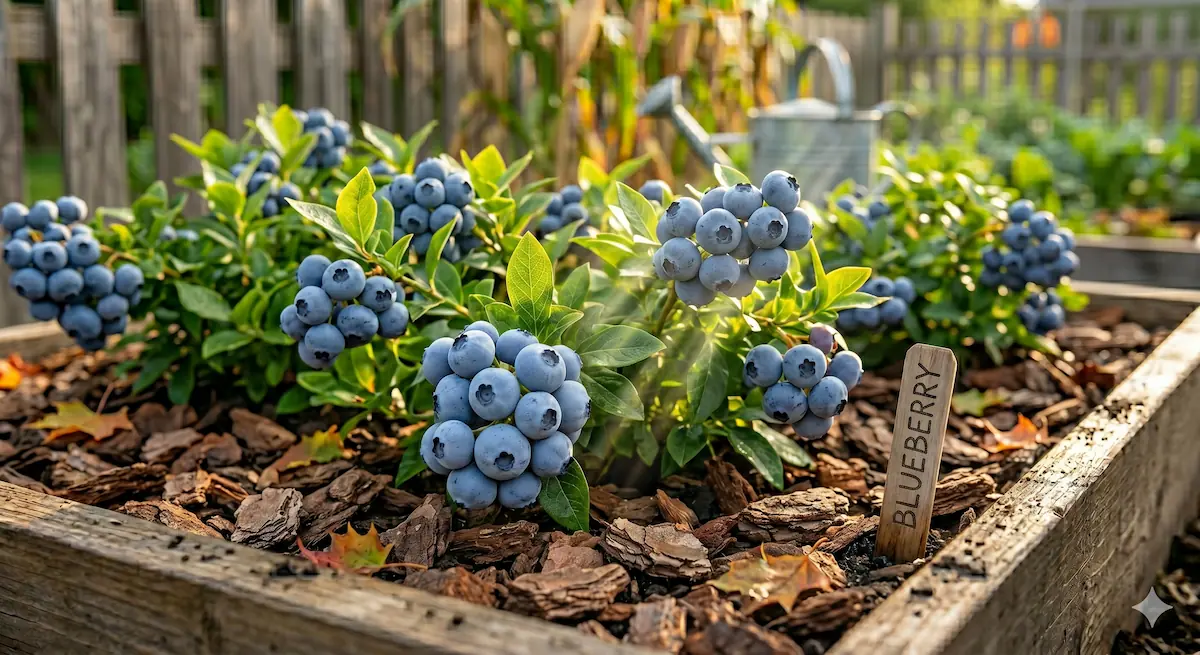
Secrets to growing blueberries: why soil acidity is key, how to choose a sunny spot, and who blueberries get along with best. Tips from AgroPlanner.
Blueberries are a true superfood that every gardener dreams of having. But unlike common raspberries, you can't just "stick them in the ground." They require specific conditions that differ drastically from most vegetable crops.
The Main Secret: Acidity
Blueberries grow exclusively in acidic environments (pH 4.5–5.5). If your soil is neutral or alkaline, the bush will simply stop absorbing nutrients. They perform best in loose Sandy Soils (Type 3) or specialized peat mixes. Our "sausage test" will help you determine if your soil is loose enough for this berry bush.
Sun and Water
Blueberries love the sun. In the shade, they produce small berries that fail to accumulate sugar. In our planner, blueberries are marked as sun-loving, so avoid placing them under large tree canopies. Also, remember watering: blueberry roots are shallow, so they should never dry out, though you must avoid creating a "swamp."
Neighbors and Conflict Zones
Blueberries are loners that only enjoy the company of similar plants:
- Ideal Partners: Cranberries, lingonberries, and rhododendrons. They all thrive in acidic soil.
- Danger Zone: Keep blueberries far from Sunflowers. Sunflowers exhaust the soil and create unnecessary shade. Furthermore, they do not tolerate the acidity that blueberries require.
- Neighbor Conflict: Do not plant blueberries next to cabbage or beets. These vegetables need alkaline soil, so living together with blueberries will lead to the death of one of the crops.
AgroPlanner Tip: Use mulch from pine bark or sawdust. This not only preserves moisture but also naturally maintains the necessary acidity level. In our Planner, you can pre-designate a "sour zone" for such plants.
AgroPlanner App
Realize your dream garden: check plant compatibility, sun/shade needs, and save your plan easily.

Disclaimer
Important! All information in this blog is for recommendation purposes only. We are developers and enthusiasts, not certified agronomists. Results may vary based on your region, soil type, and weather. We are not responsible for potential errors or crop failures. Please verify critical advice independently!
Found this helpful? Share with friends!
Read more
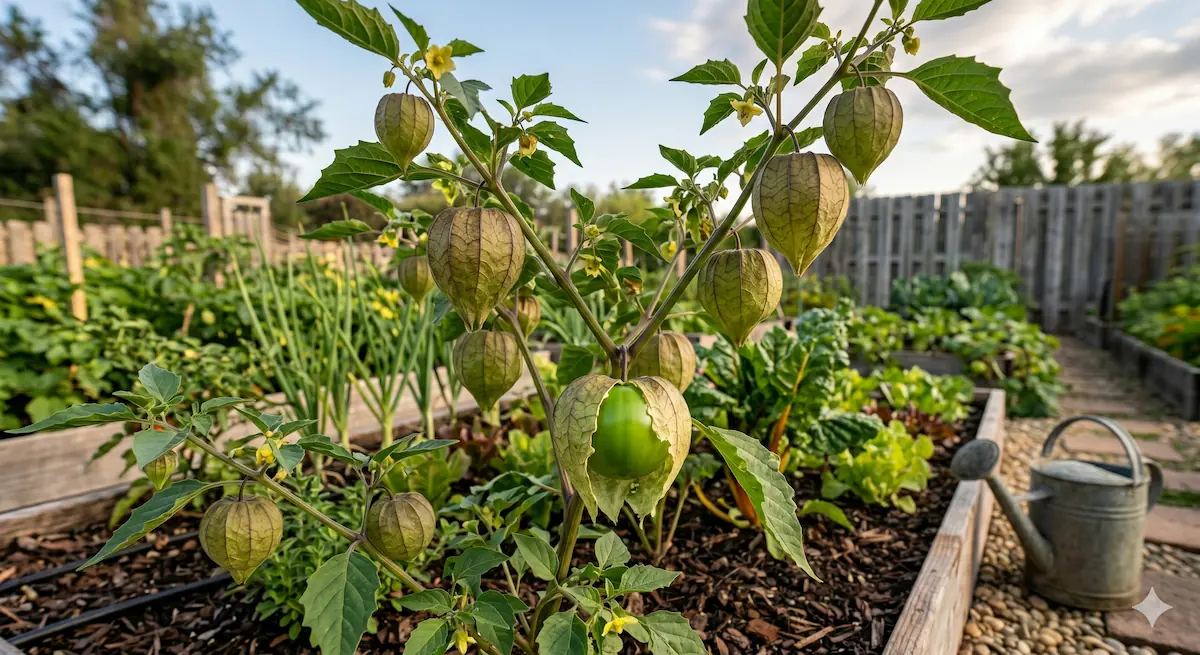
Tomatillo (Vegetable Physalis): Exotic "Lanterns" in Your Garden
Tomatillo is a resilient tomato relative that fruits inside paper husks. Learn why it’s more productive than tomatoes, what soil it needs, and how to tell when it's ripe.
Read more →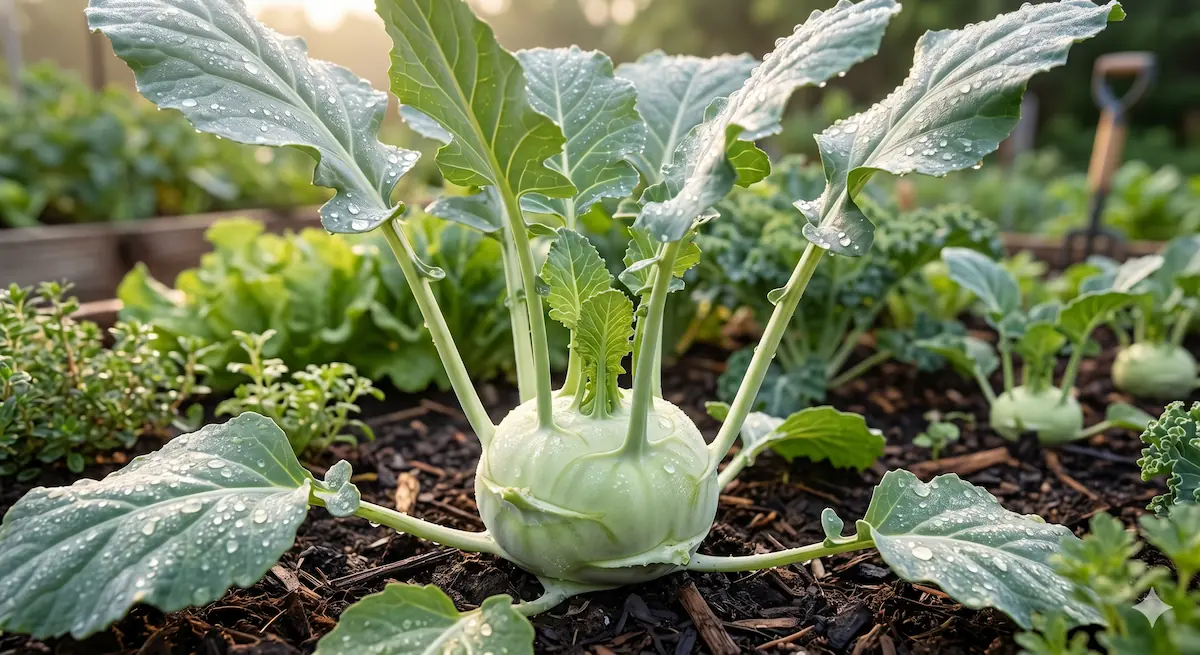
Kohlrabi: The "Lemon of the Garden" and Queen of Fast Vitamins
Kohlrabi is the perfect vegetable for those who don't like to wait. Learn why it's called the northern lemon, how to get two harvests per season, and why consistent watering is the secret to its tender taste.
Read more →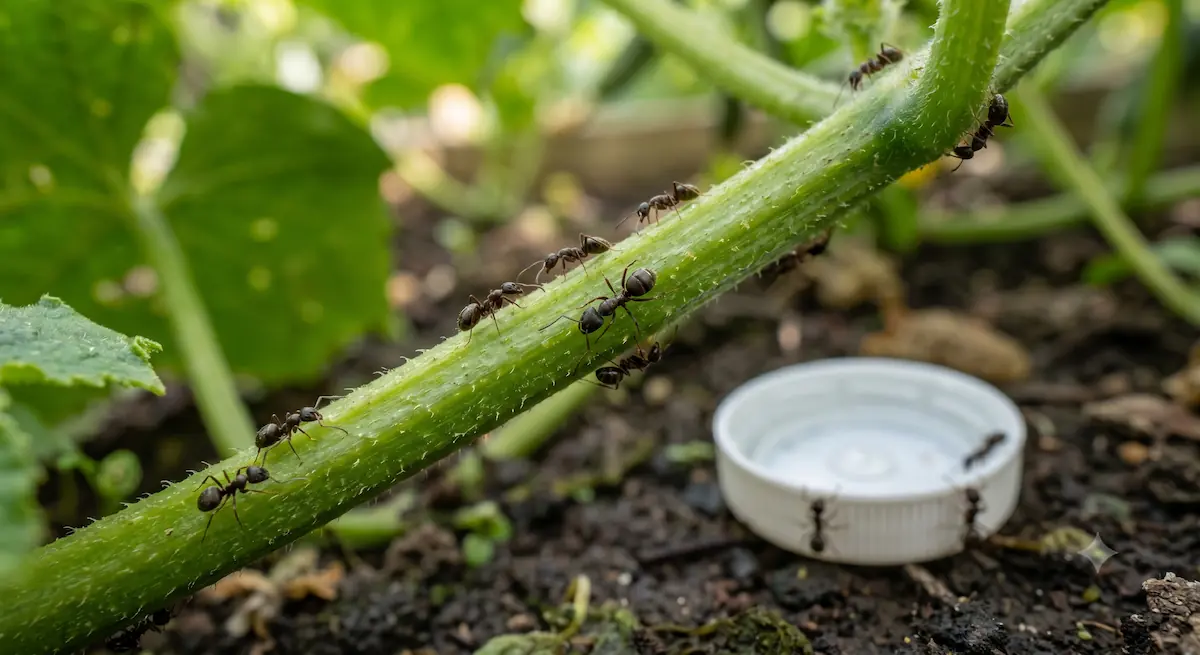
How to Get Rid of Ants in the Garden: Safe and Eco-Friendly Methods
Ants spread aphids across cucumbers and trees and destroy plant roots. A complete guide to removing anthills without harsh chemicals.
Read more →