
Growing Mint in the Garden: How to Grow Fragrant Greens and Contain the "Invader"
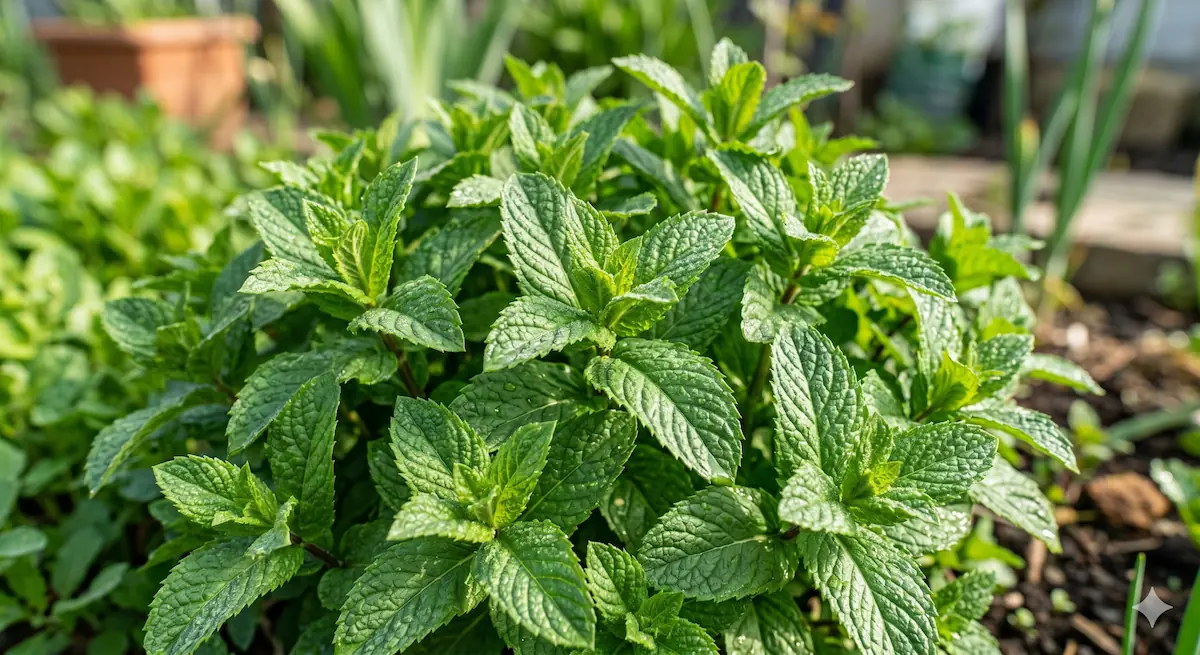
Mint growing secrets from AgroPlanner. Learn why it’s better to plant mint in a confined space, how to ensure a rich aroma, and how to correctly harvest for tea and drinks.
Mint is one of the most popular herbs, essential for summer drinks or cozy winter tea. It is incredibly hardy and unpretentious, but this very resilience often becomes a problem for the gardener. Let's look at how to get the most benefit from mint without turning your garden into a solid mint thicket.
Controlling the "Invader"
The main feature of mint is its creeping rhizome. It can spread several meters in one season, displacing neighboring crops.
- Planting in a Container: To prevent mint from spreading, plant it in a large bucket or a pot without a bottom buried in the ground. This creates a physical barrier for the roots.
- Love for Moisture: Mint thrives in moist places. It feels best where the ground never dries out completely, such as near water taps or in light partial shade.
How to Get the Strongest Aroma?
The taste and aroma of mint depend on the concentration of essential oils (menthol). This is influenced by growing conditions:
- Sun vs. Shade: In the sun, mint produces more essential oils and smells brighter, but its leaves may become slightly tougher. In the shade, the greens will be more tender but with a less pronounced aroma.
- Harvest Time: The best time to harvest is just before it starts flowering. This is when the concentration of beneficial substances in the leaves peaks.
Mint in the AgroPlanner Ecosystem
While mint is a selfish plant, it can be very beneficial as a neighbor if its growth is restricted. Its strong scent disorients pests of cabbage and tomatoes. However, in our AgroPlanner, we remind you: keep it away from delicate crops like carrots or parsley, as it will simply "smother" them.
For storage, mint can be dried in the shade or frozen in ice cubes—perfect for refreshing summer cocktails!
AgroPlanner App
Realize your dream garden: check plant compatibility, sun/shade needs, and save your plan easily.

Disclaimer
Important! All information in this blog is for recommendation purposes only. We are developers and enthusiasts, not certified agronomists. Results may vary based on your region, soil type, and weather. We are not responsible for potential errors or crop failures. Please verify critical advice independently!
Found this helpful? Share with friends!
Read more
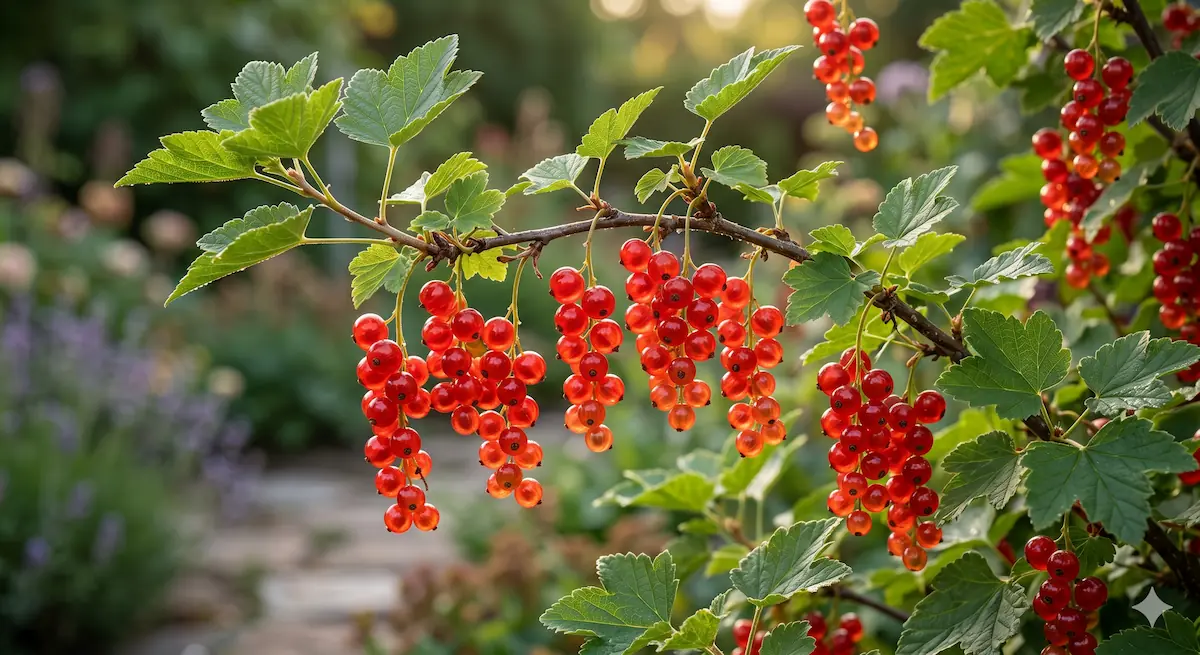
Red Currant: How to Grow Shiny Bunches of Vitamins (Jonkheer van Tets)
Red currants are the foundation for the best summer jellies and preserves. Learn why they love the sun, which soil ensures large berries, and how to prune for longevity.
Read more →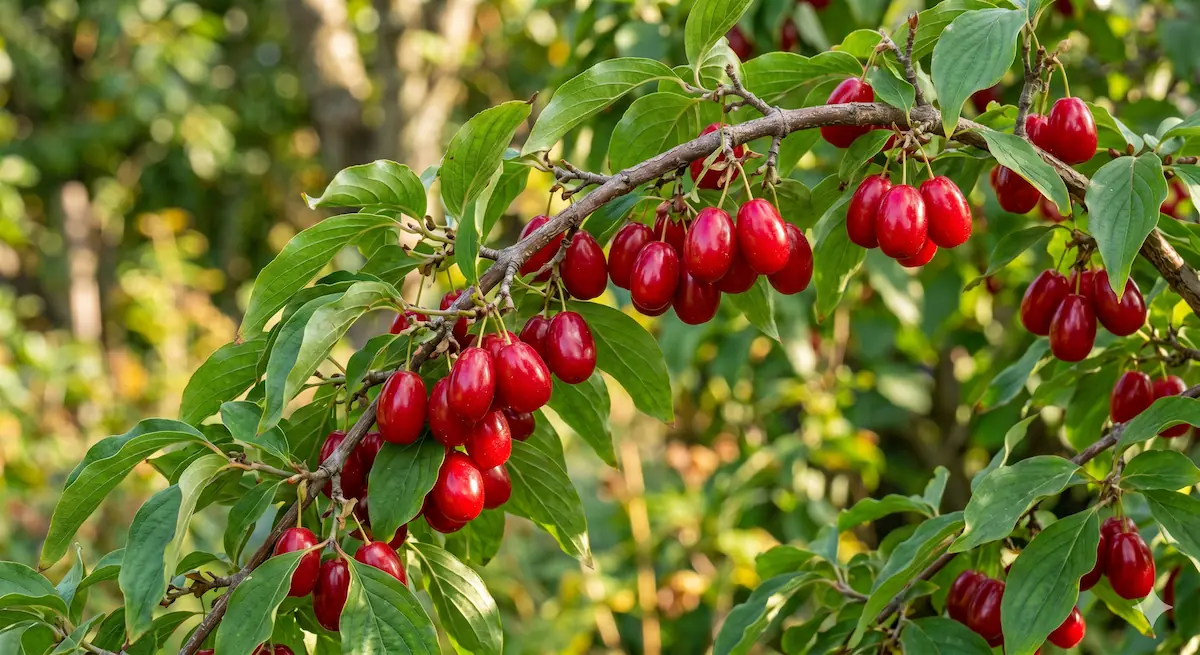
Cornelian Cherry: A Long-Lived Tree with Healing Fruits
Cornelian cherry is a symbol of resilience. Learn why it blooms first but ripens last, what soil makes the berries large, and why this tree belongs in every "lazy" garden.
Read more →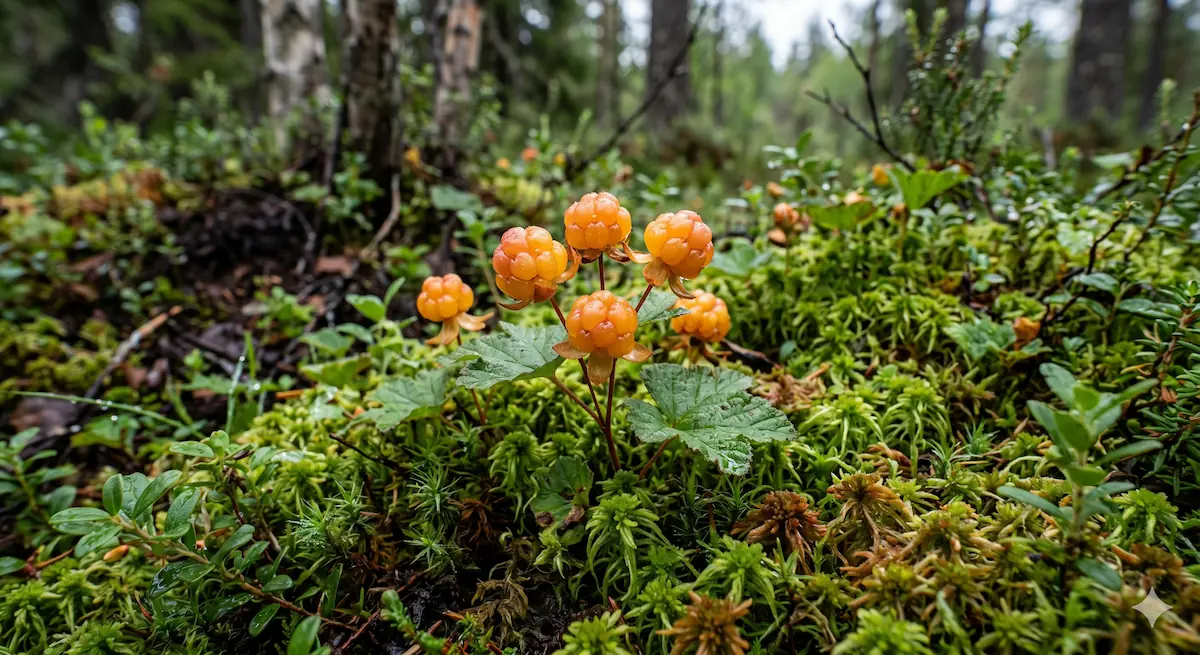
Cloudberry: Growing the Arctic Gold in Your Garden
Cloudberry is a delicacy usually found in bogs. Learn how to recreate its natural habitat, why it shuns the sun, and what soil makes its berries amber-gold.
Read more →