
Red Currant: How to Grow Shiny Bunches of Vitamins (Jonkheer van Tets)
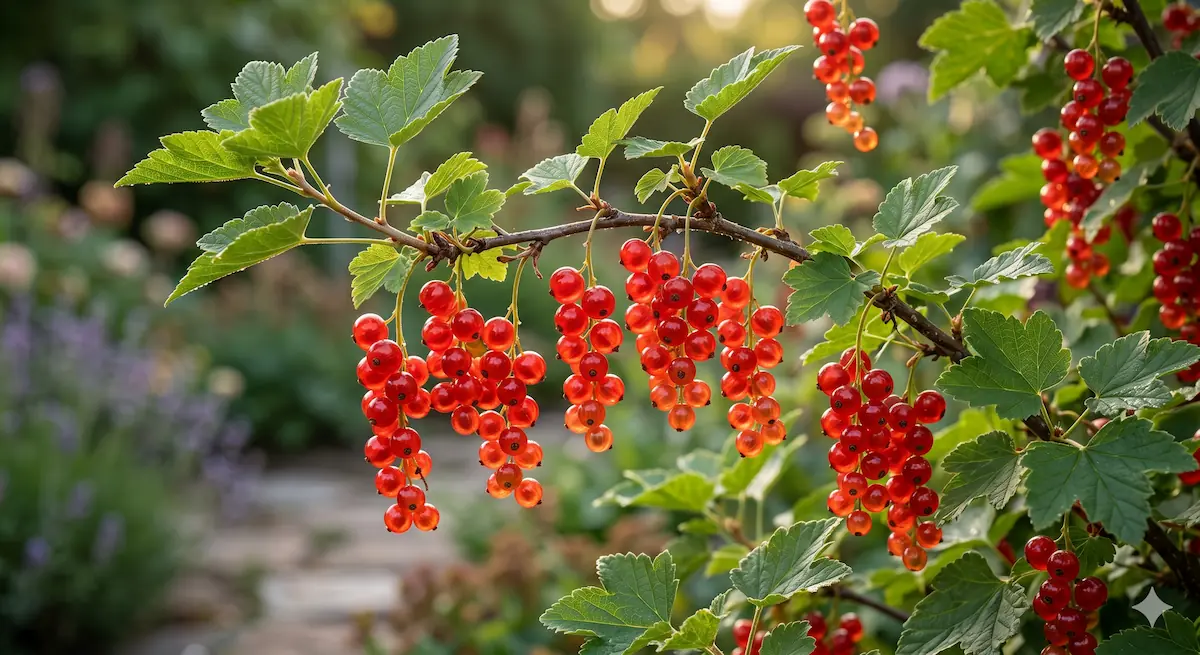
Red currants are the foundation for the best summer jellies and preserves. Learn why they love the sun, which soil ensures large berries, and how to prune for longevity.
Red Currants (Ribes rubrum), especially the Jonkheer van Tets variety, are among the most productive and resilient crops in the garden. Unlike black currants, red currants have a deeper root system and tolerate short droughts better. The bunches of this variety can reach 10 cm in length, making harvesting incredibly easy.
Soil: Where Do Red Currants Turn Translucent Red?
While hardy, red currants need loose, organic-rich soil to produce large berries.
- Best Choice: Fertile Loamy soils (Type 1) or light Sandy soils (Type 2) with a neutral pH.
- Soil Check: Perform the sausage test. If the soil rolls into a stick that breaks easily when bent (Type 1), it's ideal: moisture is sufficient, and roots won't suffocate.
Best Companions (Good)
- Onions and Garlic: Protect the bushes from bud mites thanks to their essential oils.
- Dill: Attracts beneficial insects that pollinate red currant flowers.
- Gooseberry: Shares similar requirements, but maintain a 1.5-meter distance for easy picking. Check our guide on Invicta gooseberries.
Main Enemies (Bad)
- Walnut Trees: Walnut juglone is a toxin that will cause red currants to drop their leaves by mid-summer.
- Black Currant (too close): Although related, black currants are more prone to powdery mildew, which can spread to red currants.
- Building Shade: In the shade, red currant berries will be small and very tart.
AgroPlanner Tip: Red currants are long-lived, fruiting in one spot for up to 20 years. In our app, the bush occupies a 2x2 grid. The system will help you calculate the ideal distance from fences and will flag the walnut toxic zone in red to ensure your clusters stay sweet and large.
AgroPlanner App
Realize your dream garden: check plant compatibility, sun/shade needs, and save your plan easily.

Disclaimer
Important! All information in this blog is for recommendation purposes only. We are developers and enthusiasts, not certified agronomists. Results may vary based on your region, soil type, and weather. We are not responsible for potential errors or crop failures. Please verify critical advice independently!
Found this helpful? Share with friends!
Read more
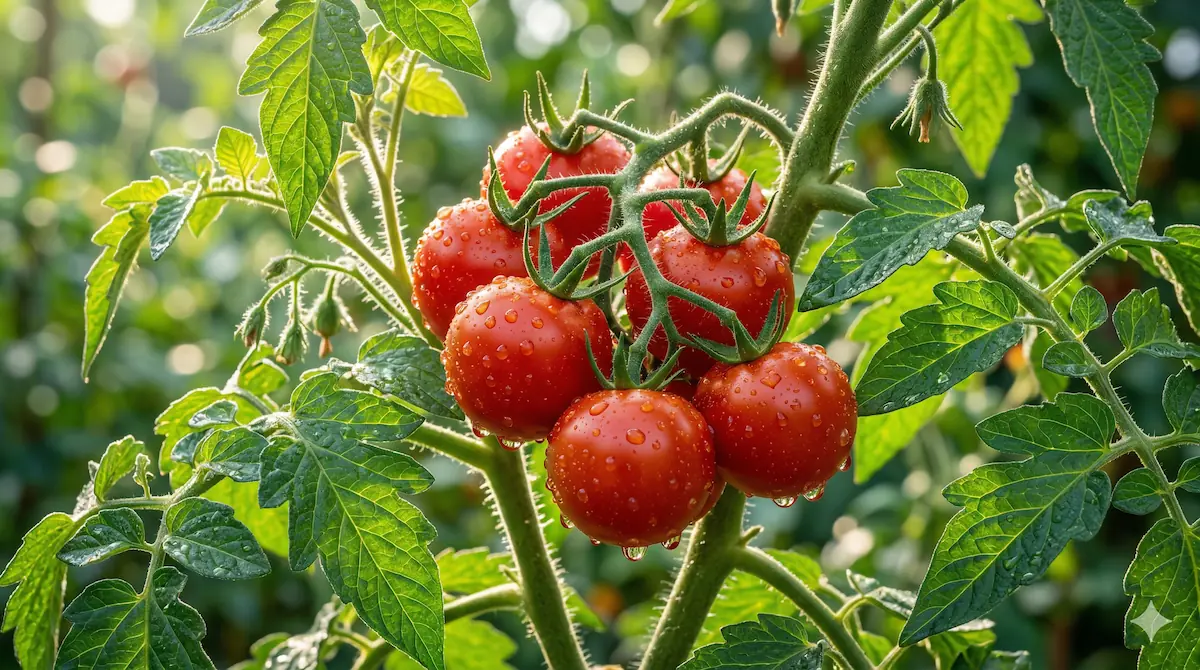
Secrets to Growing Perfect Tomatoes: Full Guide
From choosing a sunny spot to proper pruning. Learn how to get a tomato harvest your neighbors will envy.
Read more →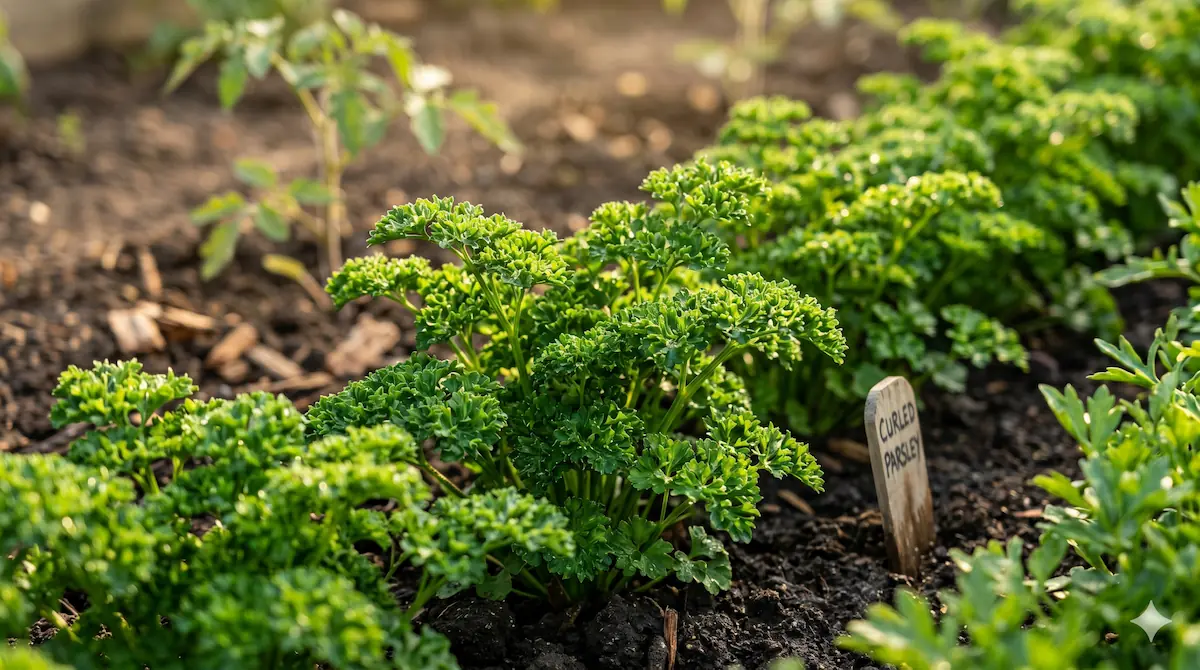
Parsley in the Garden: How to Speed Up Germination
Why parsley seeds take so long to sprout and how to accelerate the process. Tips for growing lush green parsley and caring for it from AgroPlanner.
Read more →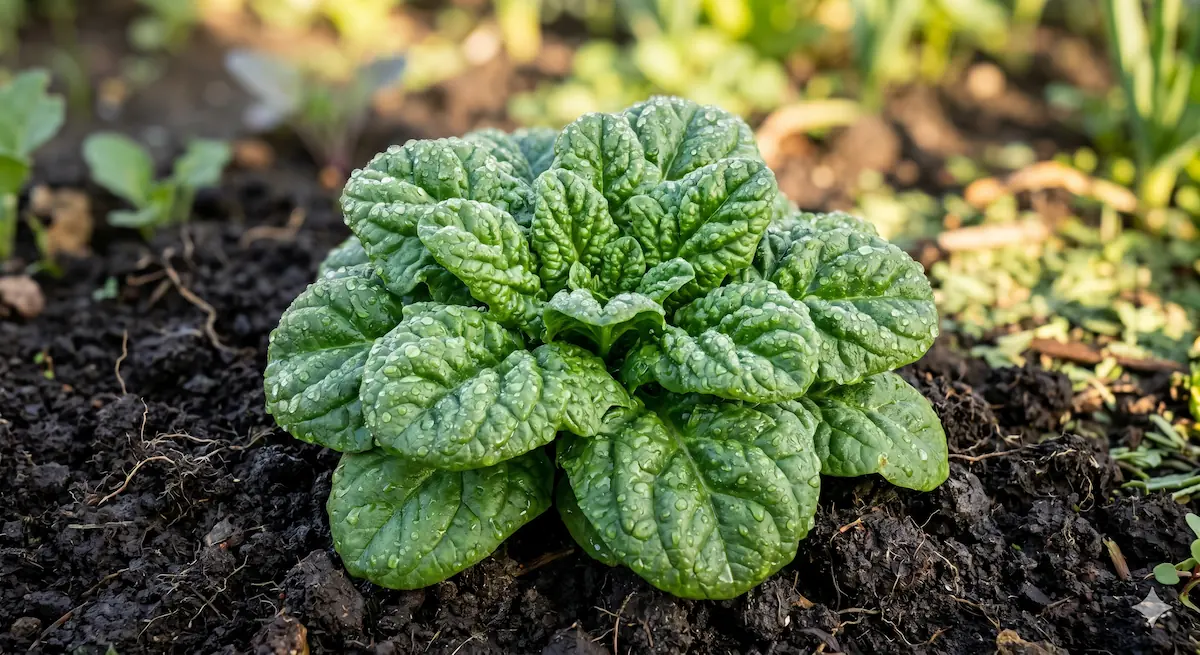
Spinach in the Garden: How to Grow Juicy Leaves and Prevent Bolting
Spinach growing secrets from AgroPlanner. Learn why it loves the cold, how to water it correctly, and how to stop the plant from flowering too early.
Read more →